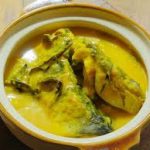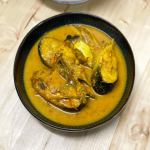

At its core, the dish hinges on two primary components: tempoyak and ikan asin pari. Tempoyak, the fermented paste of durian fruit, is a polarizing ingredient. Its strong, distinctive smell and flavor are a love-it-or-hate-it affair. However, when used in cooking, especially with savory elements, tempoyak transforms, lending a unique umami depth and a subtle tang that elevates the entire dish. The fermentation process, typically involving burying durian flesh in a container for several days, breaks down the sugars and develops complex flavor compounds.
The second key element, ikan asin pari, or salted stingray, brings a briny, chewy texture and a rich, seafood essence. Stingray, a cartilaginous fish, has a unique texture that holds up well to various cooking methods. Salting it not only preserves it but also intensifies its natural flavor, providing a perfect counterpoint to the assertive taste of tempoyak. The quality and preparation of the salted stingray are crucial; it should be well-salted but not overwhelmingly so, allowing the other flavors to shine.
Beyond these stars, a supporting cast of aromatics and spices is essential for building the flavor profile. Common additions include shallots, garlic, chilies (both fresh and dried), and often ginger. These ingredients are typically pounded or blended into a paste, forming the aromatic base that will be sautéed to release their fragrance before the other components are introduced.
The process begins with preparing the ikan asin pari. This usually involves rinsing the salted stingray thoroughly to remove excess salt. Some recipes might call for soaking it briefly, while others might proceed directly to cooking after rinsing. The stingray is then often cut into manageable pieces, depending on its size and thickness.
Next, the aromatic paste is prepared. Shallots, garlic, and chilies are the usual suspects. The chilies provide heat, and their quantity can be adjusted to personal preference. Some cooks might also add a small piece of ginger or turmeric for an added layer of complexity and aroma. These ingredients are traditionally pounded using a mortar and pestle, a method that releases their essential oils more effectively than blending, resulting in a more robust flavor.
Once the aromatic paste is ready, it’s time to sauté it in oil. This step is crucial for developing the flavors and removing any raw taste from the aromatics. The paste is cooked until fragrant and slightly darkened, indicating that the flavors have deepened.
Following the sautéing of the aromatics, the tempoyak is introduced. This is where the magic begins to happen. The tempoyak is stirred into the sautéed paste, and it’s cooked for a few minutes. This cooking process mellows the sharp edges of the fermented durian and allows its complex flavors to meld with the aromatics.
The salted stingray is then added to the pan. It is important to ensure that the fish is coated with the tempoyak and aromatic mixture. The dish is then typically simmered, allowing the flavors to infuse into the fish and the sauce to thicken slightly. Water or a bit of stock might be added if the mixture becomes too dry, but the goal is to achieve a rich, concentrated sauce.
Fresh chilies, sliced or left whole, are often added towards the end of the cooking process. This not only adds a fresh burst of heat and color but also provides a visual appeal to the dish. Some variations might also include other vegetables, such as long beans or brinjals (eggplant), though the classic preparation often focuses on the interplay between the tempoyak, salted fish, and aromatics.
The cooking time will vary depending on the thickness of the stingray pieces and the desired consistency of the sauce. The key is to cook the fish until it is tender and flaky, and the sauce has a rich, savory flavor with the distinct tang of tempoyak.
Serving Tempoyak Ikan Asin Pari is typically done hot, alongside steamed white rice. The steaming hot rice is the perfect canvas to absorb the rich, flavorful sauce and complement the chewy texture of the fish. The dish is often enjoyed communally, shared among family and friends, embodying the spirit of Malaysian hospitality.
The aroma of this dish is undeniably potent and unique. The pungent notes of durian, combined with the savory brininess of salted fish and the fragrance of sautéed aromatics, create an olfactory experience that is both challenging and enticing. It’s a smell that signifies a truly authentic Malaysian dining experience.
Beyond its taste and aroma, Tempoyak Ikan Asin Pari holds cultural significance. It represents the resourcefulness of traditional Malay cuisine, utilizing fermented ingredients and readily available local produce. The dish is a testament to how humble ingredients can be transformed into something extraordinary through skilled preparation and a deep understanding of flavor.
For those new to tempoyak, it is advisable to start with a smaller portion. The flavor is intense, and it may take some getting used to. However, persistence often leads to a profound appreciation for this unique ingredient and the dishes it creates.
The variations of Tempoyak Ikan Asin Pari are numerous, reflecting the diverse culinary traditions across Malaysia. Some regions might add coconut milk for a richer, creamier sauce, while others might incorporate tamarind paste for an extra layer of sourness. The type of chili used can also significantly impact the heat level and flavor.
The quality of the tempoyak itself plays a pivotal role. Home-made tempoyak, made with ripe durian and fermented to perfection, generally yields a superior flavor compared to commercially produced versions. The fermentation time can range from a few days to several weeks, each yielding a different intensity and complexity of flavor.
Similarly, the type of ikan asin pari used can influence the final dish. Some prefer the thicker, meatier cuts of stingray, while others opt for thinner slices. The degree of saltiness also needs to be considered, as it will affect the overall seasoning of the dish. It might be necessary to adjust the salt added during cooking based on the saltiness of the fish.
The cooking process itself can be adapted. Some prefer to steam the stingray first before incorporating it into the tempoyak mixture, which can result in a more tender fish. Others might stir-fry the ingredients more vigorously to achieve a drier, more intense flavor profile.
A common practice is to add a bit of sugar or palm sugar to balance the sourness of the tempoyak and the saltiness of the fish. This creates a more harmonious flavor profile that appeals to a wider palate. However, the amount of sugar should be used judiciously, as the goal is not to make the dish sweet, but to round out the flavors.
The texture of the finished dish is also important. The sauce should be rich and slightly thickened, coating the pieces of stingray. The fish itself should be tender and easily flaked. If the sauce is too thin, it can be reduced by simmering uncovered. If it’s too thick, a little water or stock can be added.
Tempoyak Ikan Asin Pari is not just a meal; it’s an experience. It’s a dish that challenges your palate, rewards your adventurous spirit, and connects you to the rich culinary heritage of Malaysia. It’s a testament to the power of fermentation and the ingenious ways in which local ingredients are utilized.
For those seeking to recreate this dish at home, sourcing good quality tempoyak and ikan asin pari is the first step. Many Asian grocery stores carry these ingredients. When selecting tempoyak, look for a paste that has a pleasant, fermented aroma without being overly ammoniated.
The choice of chilies can also be personalized. Bird’s eye chilies offer a sharp, intense heat, while larger red chilies provide a milder warmth and a brighter color. A combination of both can offer a well-rounded spicy element.
Some culinary enthusiasts also experiment with adding a touch of shrimp paste (belacan) to the aromatic base, further enhancing the umami notes. However, this should be done with caution, as belacan is also very potent and can overpower the delicate flavors of the tempoyak and fish.
The cooking vessel can also make a difference. A heavy-bottomed wok or a cast-iron skillet is ideal for even heat distribution and allows for effective sautéing and simmering.
When serving, consider garnishing with fresh herbs like cilantro or thinly sliced spring onions for a fresh contrast. While not traditional in all variations, these additions can add a modern touch and visual appeal.
The balance of flavors is key. The sourness from the tempoyak, the saltiness from the fish, the heat from the chilies, and the subtle sweetness from any added sugar must all work in harmony. This requires tasting and adjusting seasonings throughout the cooking process.
Ultimately, mastering Tempoyak Ikan Asin Pari is about embracing its unique characteristics and understanding how each ingredient contributes to the final symphony of flavors. It’s a dish that celebrates the bold, the fermented, and the deeply satisfying elements of Malaysian cuisine.
This dish is a cornerstone of many home-cooked meals and is often found in traditional Malay restaurants. Its popularity speaks volumes about its enduring appeal and the comfort it brings to those who grew up with its distinctive taste.
Exploring the world of Tempoyak Ikan Asin Pari is more than just trying a new recipe; it’s an immersion into a cultural narrative, a story told through the bold flavors of fermented durian and the savory depth of salted stingray. It’s a culinary adventure that promises to be both challenging and immensely rewarding for the discerning palate.