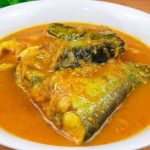
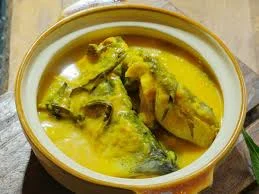

The foundation of any great Tempoyak Ikan Asin Bandeng lies in the quality of its two primary components: tempoyak and ikan asin bandeng. Understanding how to select and prepare these ingredients is paramount. For tempoyak, the key is the durian. Opt for ripe, high-quality durian, preferably a variety known for its creamy texture and balanced sweetness and bitterness. Overripe durian can lead to an overly sour or alcoholic taste, while underripe durian may not ferment properly.
The fermentation process for tempoyak is crucial. Traditionally, ripe durian pulp is mixed with a small amount of salt and then packed tightly into an airtight container, often a jar or a bamboo tube. It is then left to ferment at room temperature for several days, typically ranging from 3 to 7 days, depending on desired sourness and aroma intensity. Regular checks are important to monitor the fermentation process and prevent spoilage. A slight sourness and a distinct, pungent aroma are indicators of successful fermentation.
When selecting ikan asin bandeng, look for milkfish that are fresh before salting. The fish should be firm, with clear eyes and a fresh, briny smell. The salting process itself is an art. Ideally, choose bandeng that has been salted using traditional methods, resulting in a balanced saltiness rather than an overpowering one. If you are preparing the salted fish yourself, ensure thorough cleaning and a controlled salting process to achieve the desired texture and flavor.
The preparation of Tempoyak Ikan Asin Bandeng often involves a stir-frying process. The fermented durian paste is typically sautéed with aromatics such as shallots, garlic, chili peppers, and sometimes ginger and turmeric. The ikan asin bandeng, after being rinsed to remove excess salt and often lightly fried or steamed to soften its texture, is then added to the mixture.
Achieving the perfect balance of flavors is the ultimate goal. The inherent sweetness and creaminess of the durian must harmonize with the saltiness of the fish and the heat from the chilies. This requires careful adjustment of seasonings. A touch of sugar might be needed to round out the flavors, especially if the tempoyak is particularly sour. Conversely, if the dish leans too sweet, a bit more chili or salt can be added.
One common pitfall is the overpowering smell of durian. While the pungency is characteristic, it can be managed. Sautéing the tempoyak paste thoroughly with the aromatics helps to mellow its intensity. Using a variety of durian that is not excessively pungent can also make a difference. Some recipes also suggest briefly rinsing the tempoyak before cooking, though this can reduce its characteristic flavor.
The texture of the dish is equally important. The ikan asin bandeng should be tender enough to flake easily, while the tempoyak mixture should have a slightly saucy consistency. Overcooking can lead to a mushy texture, while undercooking might leave the fish tough or the durian paste raw.
Chili peppers play a vital role in cutting through the richness of the durian and the saltiness of the fish. The type and quantity of chilies used will significantly impact the final flavor. For those who prefer a milder dish, fewer chilies or milder varieties like bird’s eye chilies can be used. For those who enjoy a fiery kick, a generous amount of bird’s eye chilies or even hotter varieties can be incorporated.
Beyond the basic stir-fry, there are variations to explore. Some regional recipes might incorporate other ingredients like belacan (shrimp paste) for an extra layer of umami, or tamarind paste for added tanginess. These additions can further enhance the complexity of the dish.
Serving Tempoyak Ikan Asin Bandeng is traditionally done with plain steamed rice. The rice acts as a neutral canvas, allowing the bold flavors of the tempoyak to shine. A side of fresh, crisp vegetables, such as cucumber slices or long beans, can provide a refreshing contrast and balance the richness of the main dish.
For those new to tempoyak, the initial aroma can be daunting. It’s often described as similar to strong cheese or even gym socks. However, the taste is remarkably different – a complex interplay of sweet, sour, and savory notes. Patience and an open mind are key to appreciating this unique ingredient.
When preparing tempoyak from scratch, hygiene is paramount. Ensure all utensils and containers are thoroughly cleaned to prevent the growth of undesirable bacteria. The fermentation process should be monitored closely, and any signs of mold or off-putting smells should be a cause for discarding the batch.
The type of ikan asin bandeng also matters. Some bandeng are heavily salted, while others are more moderately salted. Understanding the saltiness of your fish will help you adjust the amount of salt used in the cooking process. Rinsing the fish thoroughly before cooking is a good practice to control the salt level.
Consider the cooking oil. A neutral-flavored oil like vegetable oil or canola oil is generally recommended. Some might prefer to use a small amount of rendered fish fat for added flavor, but this can also intensify the fishiness.
The role of aromatics cannot be overstated. Shallots provide a sweet, mild onion flavor, while garlic adds a pungent depth. Ginger offers a warming spice, and turmeric contributes a subtle earthy note and a vibrant color. Freshness of these aromatics is key to a bright and flavorful dish.
Some chefs advocate for lightly frying the ikan asin bandeng before adding it to the tempoyak mixture. This helps to firm up the fish and impart a slightly crispy texture, preventing it from becoming too mushy during the cooking process. The degree of frying can be adjusted to personal preference.
For those concerned about the strong durian aroma, consider using a smaller proportion of tempoyak relative to the fish and other ingredients. This allows you to enjoy the flavor nuances without being overwhelmed by the scent.
Experimentation is encouraged. Once you have mastered the basic recipe, feel free to explore different chili varieties, add other complementary spices, or even incorporate other types of salted fish if bandeng is not readily available.
The texture of the fermented durian itself can vary. Some are smooth and paste-like, while others may contain small fibrous pieces. This variation can subtly influence the final texture of the dish. If you prefer a smoother consistency, you can blend the tempoyak before cooking.
The culinary journey of Tempoyak Ikan Asin Bandeng is a testament to the ingenuity of traditional food preservation and flavor creation. It is a dish that challenges the palate and rewards the adventurous eater.
When sourcing your tempoyak, if you are not making it yourself, look for reputable vendors who specialize in fermented products. The color should be a pale yellow to light brown, and the smell, while pungent, should not be overwhelmingly foul or indicative of spoilage.
The choice of cooking vessel can also play a role. A well-seasoned wok is ideal for stir-frying, providing even heat distribution and allowing for quick cooking. Cast iron pans can also be used.
Remember that tempoyak is a fermented product, and as such, it contains beneficial probiotics. While this is a culinary exploration, it’s worth noting the traditional health benefits associated with fermented foods.
The color of the finished dish is often a rich, appetizing orange-yellow, a result of the durian, turmeric (if used), and chilies. This visual appeal is part of the overall dining experience.
For those with a sensitive palate, starting with a smaller portion of tempoyak and gradually increasing it as you become accustomed to the flavor is a wise approach.
The history of tempoyak itself is fascinating, evolving from a method of preserving the seasonal abundance of durian into a beloved condiment and ingredient across various Southeast Asian cuisines.
When preparing ikan asin bandeng, ensure that any bones are removed or are soft enough not to be a hazard. Bandeng is known for its numerous fine bones, so careful preparation is essential for a pleasant eating experience.
Consider the acidity of your tempoyak. If it’s very sour, you might need to balance it with a touch more sweetness or a milder chili. If it’s less sour, you might want to enhance the tanginess with a squeeze of lime or a bit of tamarind.
The aroma of the dish can be quite strong during cooking. Ensure good ventilation in your kitchen to manage the potent durian scent.
Ultimately, mastering Tempoyak Ikan Asin Bandeng is about understanding the interplay of strong, distinctive flavors and learning how to balance them to create a harmonious and delicious meal. It’s a dish that celebrates tradition, fermentation, and the bold tastes of Southeast Asia.
Enjoy the process of discovery and savor the unique, unforgettable taste of this culinary masterpiece!