
At its core, Singapore Chilli Crab is about the perfect marriage of fresh, succulent crab and a rich, complex sauce. While the concept is simple, achieving that authentic flavor profile requires attention to detail, quality ingredients, and a touch of culinary finesse. We’ll delve into the nuances of selecting the best crab, the secrets behind the signature sauce, and the essential techniques that elevate this dish from good to extraordinary.
While mud crabs are traditional, other types of crab can be used. Blue crabs, Dungeness crabs, or even large swimming crabs can be adapted. The key is to ensure they are fresh and cooked properly to release their natural sweetness. For those with access to them, female mud crabs with their precious roe add an extra layer of decadence to the dish, as the roe thickens the sauce beautifully.
The foundation of the Chilli Crab sauce is a potent blend of aromatics. Garlic, shallots, and ginger form the aromatic trinity, providing depth and pungency. These are typically finely minced or pounded to release their full flavor. The quality of these ingredients is paramount; fresh, vibrant produce will make a noticeable difference in the final sauce.
The ‘chilli’ in Chilli Crab doesn’t come from a single source. A combination of dried chilies (soaked and blended into a paste) and fresh red chilies provides the heat and vibrant color. For a more authentic kick, some recipes incorporate sambal belacan, a spicy shrimp paste condiment that adds a unique umami depth and a hint of fermented complexity. The intensity of the heat can be adjusted to your preference by altering the quantity and type of chilies used.
Beyond the aromatics and chilies, the sauce is brought together with a symphony of seasonings. Tomato ketchup provides a sweet and tangy base, while chili sauce (like Sriracha or a local Singaporean chili sauce) adds another layer of spice and flavor. A touch of sugar balances the acidity and heat, while soy sauce and oyster sauce contribute savory umami notes. Some recipes also include vinegar for a subtle tang, or a splash of chicken stock for added richness.
The cooking process itself is crucial for infusing the crab with the sauce’s flavors. Traditionally, the crab is briefly steamed or fried before being stir-fried in the sauce. Steaming ensures the crab is cooked through and retains its moisture, while a quick fry can give the shell a slightly crisp texture and add another dimension of flavor. The choice between these methods often comes down to personal preference and the desired outcome.
The sauce is typically prepared in a wok over high heat. The aromatics are sautéed until fragrant, followed by the chili paste and other sauce ingredients. Once the sauce has thickened and the flavors have melded, the pre-cooked crab is added. The crab is then tossed and coated thoroughly in the sauce, allowing it to absorb the delicious flavors. This stir-frying stage is relatively quick, ensuring the crab remains tender and juicy.
A key technique for achieving a restaurant-quality Chilli Crab is the use of cornstarch slurry to thicken the sauce. This creates that signature glossy, luscious consistency that clings beautifully to the crab. The slurry should be added gradually, stirring constantly, until the desired thickness is reached. Be careful not to over-thicken, as the sauce can become gummy.
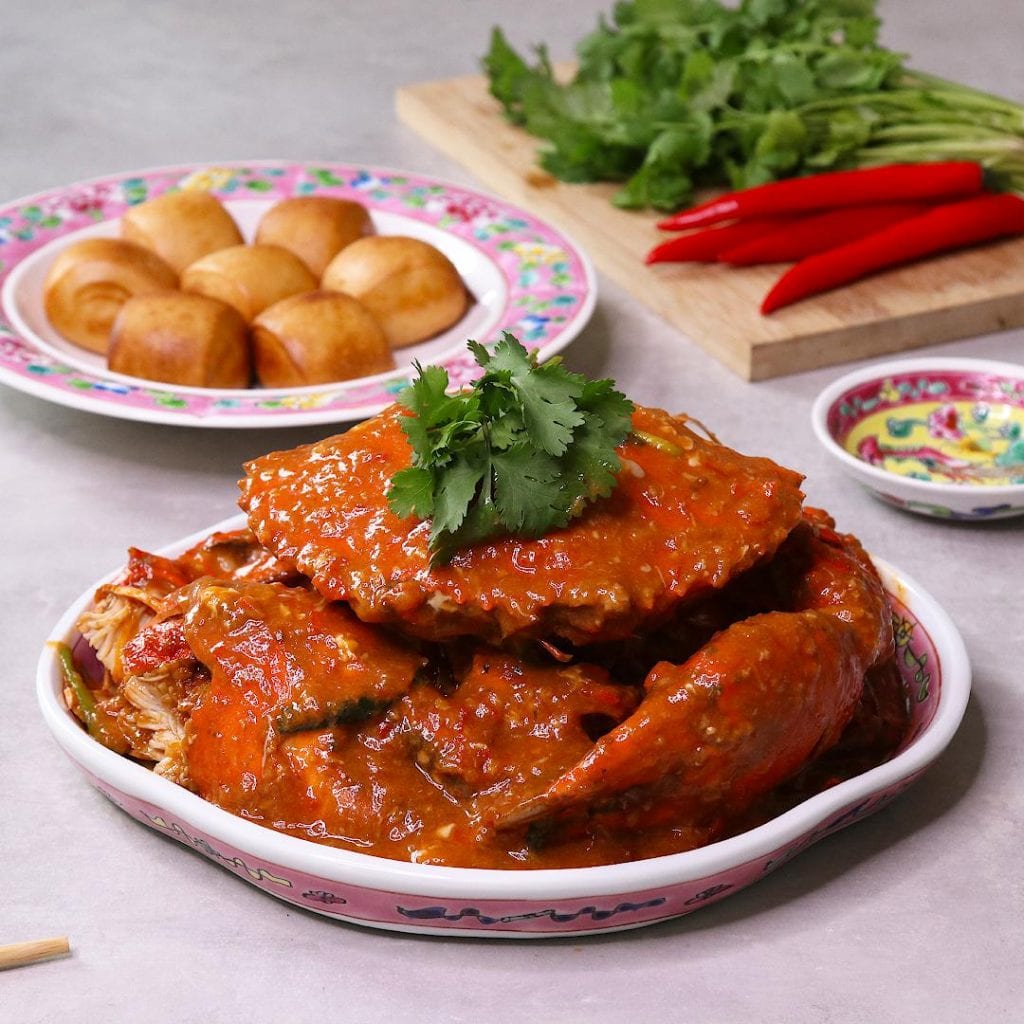
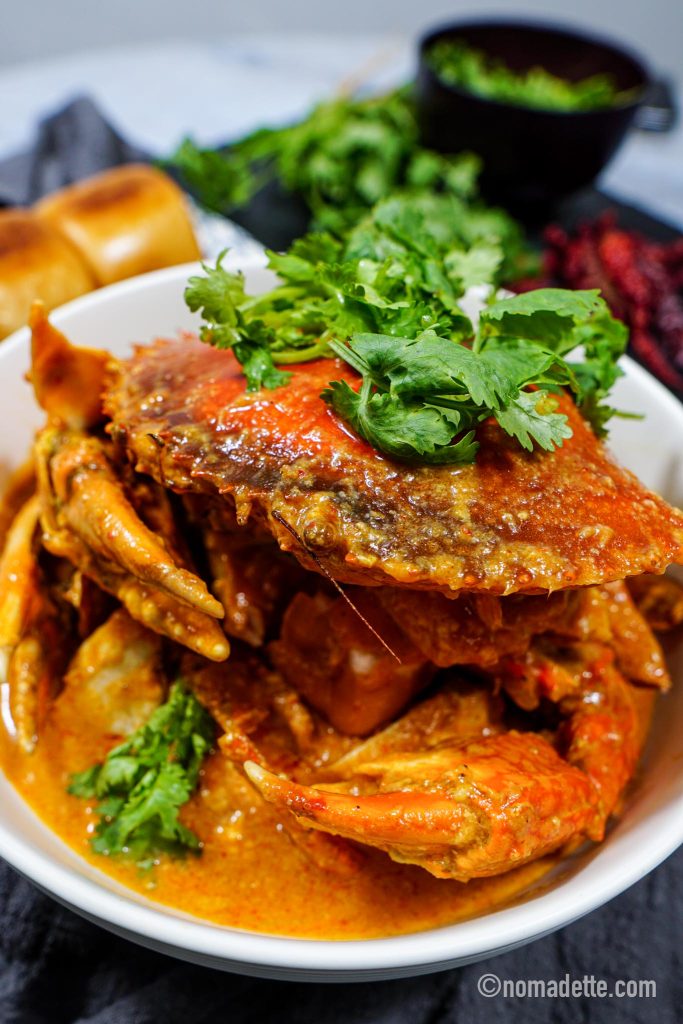
Serving Chilli Crab is an experience in itself. It’s typically presented in a large platter, brimming with the vibrant red sauce and generous chunks of crab. The accompanying fried mantou buns (steamed buns that are deep-fried until golden and fluffy) are an absolute essential. These are perfect for soaking up every last drop of the glorious sauce. Don’t be shy about using them – it’s part of the authentic Chilli Crab ritual!
Let’s dive into a classic Singapore Chilli Crab recipe. This recipe aims for authenticity and will guide you through creating a truly memorable dish. Remember, fresh ingredients are your best friend here.
- 2 medium mud crabs (about 500-600g each), cleaned and cut into halves or quarters
- 3-4 tbsp cooking oil
- 1 large shallot, finely chopped
- 4-5 cloves garlic, finely minced
- 1-inch ginger, finely minced
- 2-3 tbsp dried chili paste (adjust to spice preference)
- 1 tbsp sambal belacan (optional, for extra depth)
- 4 tbsp tomato ketchup
- 2 tbsp chili sauce (e.g., Sriracha)
- 1 tbsp oyster sauce
- 1 tsp soy sauce
- 1 tsp sugar
- 1/2 tsp salt (or to taste)
- 1/4 cup chicken stock or water
- 1 tbsp cornstarch mixed with 2 tbsp water (cornstarch slurry)
- 2 eggs, lightly beaten
- Fresh cilantro or spring onions for garnish
- Fried mantou buns, for serving
-
Prepare the Crab: Ensure the crabs are thoroughly cleaned. If using live crabs, dispatch them humanely. Cut them into manageable pieces. You can lightly dust the crab pieces with cornstarch or flour before frying for a slightly crisped exterior.
-
Fry or Steam the Crab: Heat about 2 inches of cooking oil in a wok or deep pot to medium-high heat. Carefully fry the crab pieces in batches until they turn bright red and are about 80% cooked (about 3-4 minutes). Remove and drain on paper towels. Alternatively, steam the crab pieces for about 8-10 minutes until cooked.
-
Sauté Aromatics: Leave about 2 tablespoons of oil in a clean wok over medium heat. Add the chopped shallots, minced garlic, and minced ginger. Sauté until fragrant and slightly softened, about 1-2 minutes.
-
Add Chili Paste: Stir in the dried chili paste and sambal belacan (if using). Cook for another 1-2 minutes, stirring constantly, until the chili paste darkens slightly and releases its aroma. Be careful not to burn it.
-
Build the Sauce: Add the tomato ketchup, chili sauce, oyster sauce, soy sauce, sugar, salt, and chicken stock (or water) to the wok. Stir well to combine.
-
Thicken the Sauce: Bring the sauce to a simmer. Gradually add the cornstarch slurry while stirring continuously, until the sauce thickens to your desired consistency. It should be glossy and coat the back of a spoon.
-
Add the Crab: Add the pre-cooked crab pieces to the wok. Toss them gently to coat thoroughly with the sauce. Let it simmer for 1-2 minutes to allow the crab to absorb the flavors.
-
Incorporate Egg: Create a well in the center of the sauce. Pour in the lightly beaten eggs and stir them quickly into the sauce until they are cooked and form ribbons. This adds richness and a beautiful texture.
-
Garnish and Serve: Garnish with fresh cilantro or chopped spring onions. Serve immediately with plenty of fried mantou buns for dipping.
-
Freshness is Key: Always use the freshest crab possible. The quality of the crab will significantly impact the final dish.
-
Control the Heat: Adjust the amount of chili paste and fresh chilies to suit your spice tolerance. For a milder version, remove the seeds from the chilies.
-
Don’t Overcook the Crab: Crab cooks quickly. Overcooking will result in tough, rubbery meat. The initial frying or steaming ensures it’s cooked through without becoming dry.
-
The Magic of Roe: If you’re lucky enough to find female crabs with roe, don’t discard it! The roe will cook within the sauce, adding a rich, creamy texture and an even deeper flavor.
-
Wok Hei: If you have a powerful gas stove, try to achieve ‘wok hei’ – the smoky aroma imparted by high heat. This is a hallmark of great stir-fried dishes.
-
Mantou Matters: The fried mantou buns are non-negotiable. Their slight crispness and fluffy interior are the perfect vehicles for the rich sauce.
-
Cleanliness is Crucial: Ensure your crabs are thoroughly cleaned, especially the gills and intestines, to avoid any unpleasant flavors.
-
Experiment with Chilies: While dried chilies form the base, feel free to experiment with different types of fresh chilies like bird’s eye chilies for extra heat or red chilies for color.
-
The Balance of Flavors: Taste and adjust the seasonings. The sauce should have a complex balance of sweet, savory, spicy, and tangy notes.
-
Presentation: Serve your Chilli Crab in a dramatic fashion. A large, shallow bowl or platter enhances the visual appeal.
Beyond the classic Chilli Crab, Singapore offers other variations of crab dishes that are equally delightful. Black Pepper Crab, with its bold, peppery kick, and Salted Egg Yolk Crab, featuring a rich, creamy, and savory sauce, are other popular choices that showcase the versatility of this beloved crustacean.
Exploring the culinary heritage of Singapore through its seafood dishes is a rewarding experience. Chilli Crab, in particular, offers a sensory journey that is both exciting and deeply satisfying. It’s a dish that brings people together, encouraging communal dining and shared enjoyment.
Recreating Singapore Chilli Crab at home might seem daunting at first, but with this guide, you are well on your way to mastering this iconic dish. The process is an adventure in itself, from sourcing the freshest ingredients to the final, glorious presentation. The aroma that fills your kitchen as the sauce simmers will be a testament to your culinary prowess.
So, gather your ingredients, sharpen your knives, and prepare to embark on a flavor-filled expedition. The result will be a dish that not only tastes incredible but also carries with it the spirit of Singaporean culinary excellence. Enjoy the process, savor the flavors, and share this magnificent Chilli Crab with loved ones – a true taste of Singapore, made by you.
The journey to authentic Singapore Chilli Crab is one of passion and persistence. Each step, from cleaning the crab to perfecting the sauce, contributes to the final masterpiece. It’s a dish that celebrates the bounty of the sea and the ingenuity of culinary tradition.
This recipe is more than just a set of instructions; it’s an invitation to experience a piece of Singapore’s soul. The vibrant colors, the tantalizing aroma, and the explosion of flavors are designed to create a memorable dining experience.
Consider the texture of the sauce as crucial as its flavor. A perfectly thickened sauce should coat the crab luxuriously, without being too watery or too clumpy. The cornstarch slurry is your best friend here, but patience and gradual addition are key.
The addition of beaten eggs towards the end is a subtle yet important step. It adds a silken texture and a beautiful visual appeal, creating delicate ribbons throughout the sauce.
Ultimately, the best Chilli Crab is the one you make with love and attention to detail. Don’t be afraid to adapt the recipe slightly to your own taste preferences, whether it’s dialing up the heat or tweaking the sweetness.
The communal aspect of eating Chilli Crab is also worth noting. It’s a dish often enjoyed with hands, tearing into the crab and sopping up the sauce with mantou. This shared experience adds to its charm and makes it a perfect dish for gatherings.
The history of Chilli Crab is often attributed to Madam Cher Yam Tian in the 1950s, who is said to have added chili sauce and tomato paste to stir-fried crabs. This humble beginning has evolved into the globally recognized dish we know and love today.
Mastering this dish is a culinary achievement that will impress your guests and provide you with immense satisfaction. The complex flavors are a testament to the skillful blending of various ingredients.
From the initial selection of the crab to the final garnishing, every element plays a role in creating the perfect Singapore Chilli Crab. It’s a dish that encapsulates the spirit of Singaporean cuisine – bold, flavorful, and unforgettable.