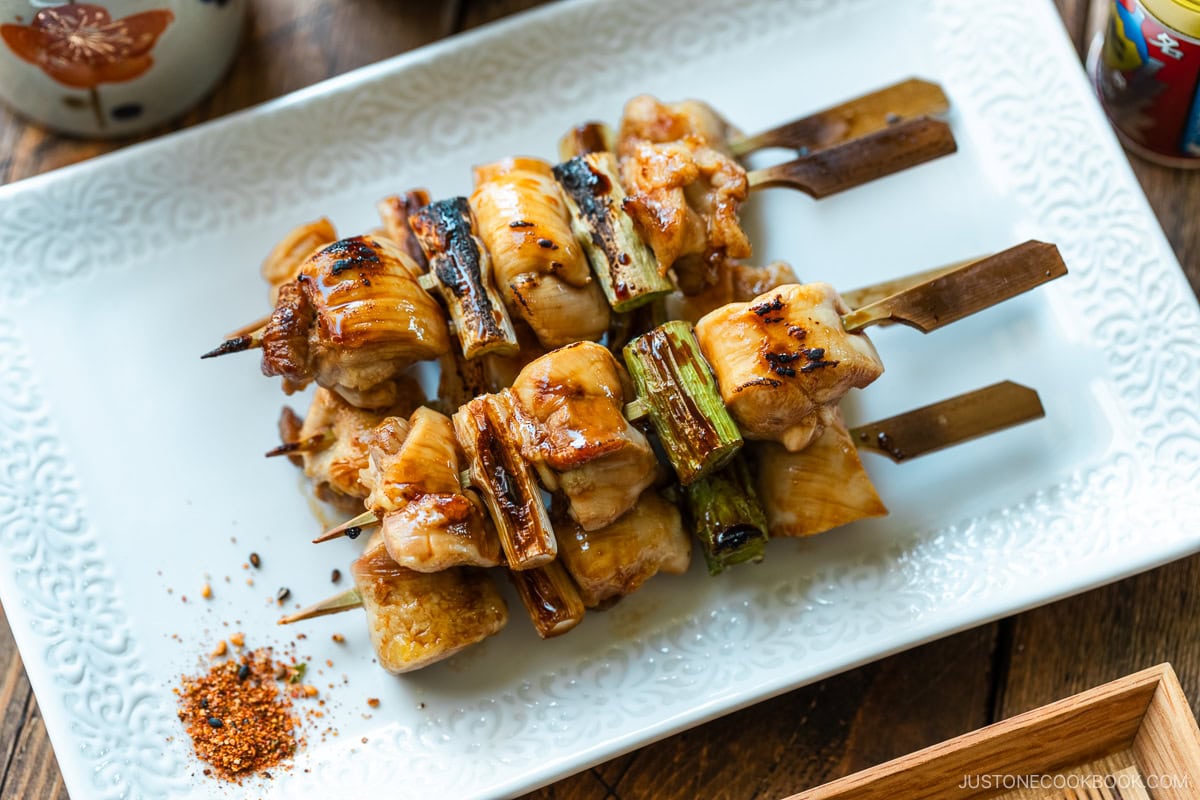
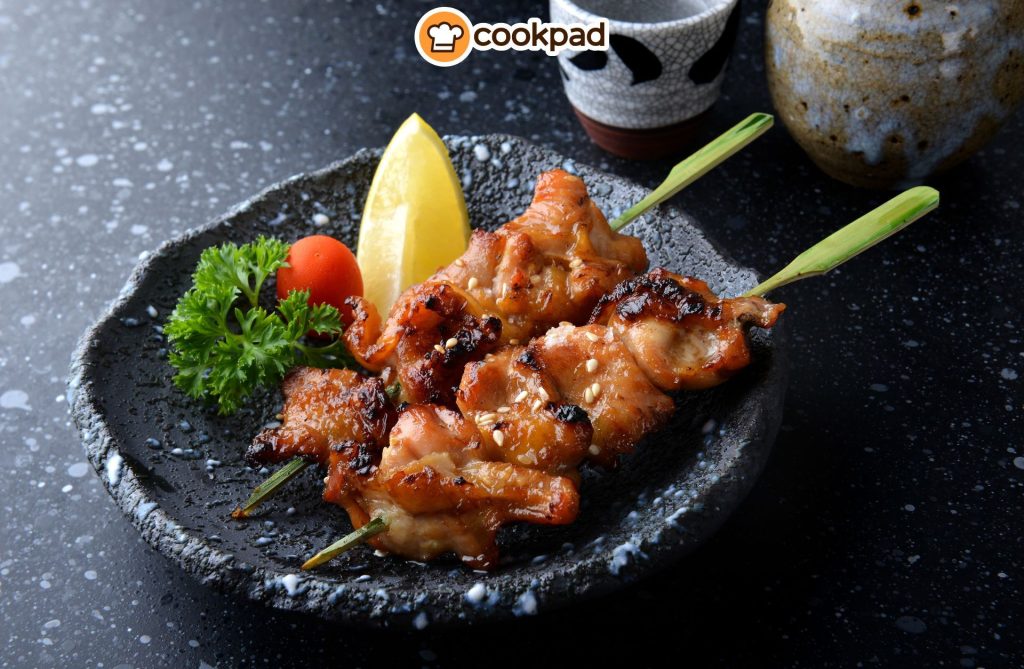

Yakitori, literally meaning ‘grilled bird,’ boasts a rich history dating back centuries in Japan. Initially a simple method of grilling meat, it evolved into a sophisticated culinary art form, with chefs meticulously preparing various cuts of chicken, each grilled to perfection. The concept of skewering and grilling bite-sized pieces of food, however, is not exclusive to poultry. Over time, this technique naturally expanded to embrace other proteins, including a wide variety of seafood, offering a lighter yet equally flavorful alternative that resonates with Japan’s island geography and its deep connection to the sea.
Why choose seafood for your yakitori adventure? Beyond its inherent deliciousness, seafood yakitori offers several compelling advantages. It’s often quicker to cook than its poultry or red meat counterparts, making it ideal for entertaining or weeknight meals. Furthermore, seafood is generally lighter and healthier, packed with omega-3 fatty acids and essential nutrients. The delicate flavors of fish and shellfish also pair exceptionally well with traditional yakitori marinades, allowing for a delightful interplay of savory, sweet, and umami notes.
Before diving into the ingredients, let’s ensure you have the right tools. While elaborate setups aren’t strictly necessary, having a few key pieces of equipment will significantly enhance your yakitori experience. These include:
- Skewers: Bamboo skewers are traditional and readily available. Remember to soak them in water for at least 30 minutes before grilling to prevent burning. Metal skewers are reusable and don’t require soaking, but they conduct heat more intensely, which can sometimes cook the interior faster than the exterior.
- Grill: A charcoal grill (binchotan charcoal is ideal for authentic flavor) offers the best results, providing high, even heat and a smoky aroma. Gas grills are a convenient alternative, offering precise temperature control. For indoor cooking, a cast-iron grill pan or an electric indoor grill can work effectively.
- Basting Brush: Essential for applying marinades and glazes during grilling.
- Sharp Knife and Cutting Board: For precise and safe preparation of your seafood.
- Tongs: For flipping skewers evenly.
Salmon: Rich in flavor and healthy fats, salmon is a fantastic choice. Cut it into 1-inch cubes, ensuring uniform size for even cooking. The skin can be left on for extra crispiness and flavor.
Tuna: For a firmer texture, use sashimi-grade tuna. Cut into 1-inch cubes. Be mindful not to overcook tuna, as it can become dry. A medium-rare center is often preferred.
Shrimp: Medium to large shrimp work best. Peel and devein them, leaving the tail on for presentation and easy handling. You can skewer them straight or butterfly them for a quicker cook and more surface area for flavor.
Scallops: Sweet and tender, scallops are a luxurious addition. Use large sea scallops, ensuring they are dry before skewering to achieve a good sear. Avoid overcooking, as they can become rubbery.
Squid/Calamari: Cut squid tubes into rings or score the surface of larger pieces before cutting into squares. The scoring helps prevent curling and allows the marinade to penetrate better. Calamari cooks quickly, so watch it closely.
Mackerel (Saba): Often used in Japanese cuisine, mackerel fillets can be cut into pieces and skewered. Its rich, oily flesh benefits greatly from grilling and a savory glaze.
Other Options: Don’t limit yourself! Experiment with firm white fish like cod, snapper, or even octopus (pre-cooked and then grilled for tenderness). The key is to select seafood that holds up well to grilling and skewering.
The magic of yakitori often comes from its signature glaze, known as ‘tare.’ While there are many variations, a classic tare provides a perfect balance of savory, sweet, and umami. You can also opt for a simple ‘shio’ (salt) seasoning for certain delicate seafood to let its natural flavors shine.
To make a classic yakitori tare: Combine
- 1/2 cup soy sauce
- 1/2 cup mirin (sweet rice wine)
- 1/4 cup sake (Japanese rice wine)
- 2 tablespoons sugar (or to taste)
in a small saucepan. Bring to a simmer over medium heat, stirring until the sugar dissolves. Reduce the heat to low and let it gently simmer for 15-20 minutes, or until the sauce slightly thickens to a syrupy consistency. Be careful not to reduce it too much, as it will thicken further upon cooling. This tare can be stored in the refrigerator for up to a week.
For seafood, you might consider adding a touch of grated fresh ginger, minced garlic, or a squeeze of citrus (lemon or lime) to your tare for an extra layer of freshness. A dash of sesame oil can also introduce a delightful nutty aroma. For ‘shio’ seasoning, simply use a good quality sea salt or flaky salt, perhaps mixed with a pinch of white pepper or a sprinkle of Togarashi.
Proper preparation is crucial for perfect yakitori. Start by ensuring all your seafood is uniformly cut into bite-sized pieces, roughly 1 to 1.5 inches. Uniformity is key for even cooking. Pat the seafood dry with paper towels; this helps in achieving a better sear and prevents steaming on the grill.
Next, it’s time for skewering. This might seem simple, but a good technique ensures the food stays on the skewer and cooks evenly. Thread the seafood pieces onto the skewers, making sure they are snug but not overly packed. Leave a small gap between pieces to allow heat to circulate. If combining different types of seafood or adding vegetables (like bell peppers or scallions), alternate them artfully.
Marinating time for seafood is generally shorter than for meat due to its delicate structure. A light brush of tare before grilling or a quick 15-20 minute soak is often sufficient. For very delicate fish, you might skip marinating altogether and rely solely on basting during grilling with the tare, or simply season with salt and pepper.
Charcoal Grill: Preheat your charcoal until it’s glowing red with a layer of ash. Arrange the coals for two-zone grilling: one side with direct high heat, and the other with indirect lower heat. This allows you to sear the skewers and then move them to a cooler zone to finish cooking without burning.
Gas Grill: Preheat your gas grill to medium-high heat (around 400-450°F or 200-230°C). Clean the grates thoroughly and oil them to prevent sticking. Gas grills also benefit from creating heat zones if possible.
Electric Grill/Grill Pan: Preheat to medium-high. Ensure the surface is well-oiled. While these won’t impart the smoky flavor of charcoal, they can still create delicious charred results.
Regardless of your grill type, the general grilling technique remains consistent. Place the skewers over direct medium-high heat. Grill for 2-3 minutes per side, turning frequently to ensure even cooking and to develop a beautiful char. Avoid the temptation to move them too often in the initial stages, as this can prevent a good sear.
Basting is a critical step for tare-glazed yakitori. Once the seafood starts to cook and develop some color, begin brushing generously with your prepared tare. Turn the skewers and baste again. Repeat this process several times during the last few minutes of cooking. The sugar in the tare will caramelize, creating a glossy, flavorful crust.
Knowing when your seafood is done is crucial. Shrimp will turn opaque and curl into a ‘C’ shape. Scallops will be opaque throughout with a golden crust. Fish cubes will flake easily with a fork. Tuna should ideally be cooked to medium-rare unless you prefer it otherwise. Avoid overcooking at all costs, as seafood can quickly become tough and dry.
Once cooked, immediately remove the yakitori from the grill. Serve hot and fresh for the best flavor and texture. Presentation can elevate the experience.
Garnish your seafood yakitori with a sprinkle of shichimi togarashi (Japanese seven-spice blend) for a little kick, finely sliced scallions, or a wedge of fresh lemon or lime. A squeeze of citrus just before eating brightens the flavors beautifully.
Seafood yakitori pairs wonderfully with a bowl of steamed Japanese rice, a side of pickled ginger (gari), or a light salad. For drinks, a cold Japanese beer or a crisp sake complements the flavors perfectly. Arranging the skewers artfully on a platter will make them even more inviting.
To ensure your yakitori journey is a resounding success, keep these tips in mind:
- Don’t overcrowd the grill: Give each skewer space for even cooking and proper charring.
- Keep an eye on cooking times: Seafood cooks quickly. Stay attentive to prevent overcooking.
- Experiment with flavors: While classic tare is excellent, feel free to try other marinades or rubs that complement your chosen seafood.
- Soak bamboo skewers: This simple step prevents them from burning on the grill.
- Clean your grill: A clean, oiled grill prevents sticking and ensures beautiful grill marks.
For those looking to expand their yakitori repertoire, consider these variations. Combine seafood with vegetables like bell peppers, zucchini, shiitake mushrooms, or cherry tomatoes on the same skewer for added color, texture, and nutrients. You can also introduce spicy elements with a touch of chili oil or sriracha in your tare, or a pinch of cayenne pepper in a dry rub.
Infusing olive oil with garlic, ginger, or herbs like rosemary or thyme can also create a unique flavor profile for basting, especially if you’re opting for a simpler salt seasoning rather than tare. These small adjustments can dramatically change the character of your yakitori.
Even experienced grill masters encounter challenges. If your seafood is sticking to the grill, ensure your grates are clean and well-oiled, and that the grill is hot enough before placing the skewers. If seafood is overcooking, reduce your grill temperature slightly or move skewers to an indirect heat zone sooner.
If your yakitori lacks flavor, consider marinating a bit longer (but not excessively for delicate fish), ensuring your tare is well-balanced, or basting more frequently during the grilling process. Sometimes, a final sprinkle of flaky sea salt or a dash of fresh herbs can make all the difference.
Making seafood yakitori at home is a rewarding culinary experience that brings the vibrant flavors of Japanese cuisine to your table. From selecting the freshest ingredients to mastering the grilling techniques, each step offers an opportunity to create something truly delicious and impressive. With this guide, you are now equipped to embark on your own seafood yakitori adventure, delighting friends and family with these exquisite Japanese skewers.
Whether you prefer the rich taste of salmon, the delicate sweetness of scallops, or the firm texture of tuna, the world of seafood yakitori is vast and inviting. So fire up your grill, prepare your tare, and get ready to savor the incredible taste of homemade Japanese seafood skewers. It’s a culinary journey worth taking!