
The foundation of any great Wantan Mee lies in its wontons. For a seafood version, plump, fresh shrimp are paramount. They should be deveined, thoroughly cleaned, and then finely chopped or minced. Some chefs prefer a mix of chopped shrimp and minced pork for added richness and a better texture, but a pure shrimp wonton is also a classic and delicious choice.
Beyond the shrimp, the wonton filling requires careful seasoning. A good starting point includes a blend of soy sauce, sesame oil, a pinch of white pepper, and a touch of Shaoxing wine (or dry sherry) for aroma. Some recipes also call for a small amount of cornstarch or tapioca starch to help bind the filling and give it a slightly gelatinous texture when cooked. Freshly chopped water chestnuts can add a delightful crunch.
The wrapper is another crucial element. High-quality, thin wonton wrappers are readily available at most Asian grocery stores. Ensure they are fresh and pliable. To assemble, place a small spoonful of filling in the center of a wrapper. Moisten the edges with water, then fold the wrapper over the filling to create a sealed parcel. There are various folding techniques, from simple triangles to more elaborate shapes, but the key is to ensure a tight seal to prevent the wontons from opening during cooking.
For the broth, the soul of the Wantan Mee, patience and quality ingredients are essential. A rich, clear broth is typically made by simmering pork bones, chicken bones, and dried seafood ingredients like dried sole fish ( ikan tamban) or dried shrimp. This slow simmering process extracts maximum flavor and creates a complex umami base.
A typical broth preparation involves blanching the bones to remove impurities, then simmering them with aromatics like ginger, scallions, and star anise for several hours. Adding dried seafood like dried scallops or dried shrimp during the simmering process further enhances the broth’s depth and seafood essence.
The noodles used for Wantan Mee are typically thin, springy egg noodles. These noodles have a distinct texture that holds up well in the hot broth without becoming mushy. It’s important to cook them al dente. Overcooking will result in a limp, unpleasant noodle. A quick dip in boiling water is usually sufficient.
To achieve the best noodle texture, boil the noodles in plenty of rapidly boiling water. Stir them frequently to prevent sticking. Once cooked to your desired firmness (usually 1-2 minutes for fresh, slightly longer for dried), drain them thoroughly and rinse briefly under cold water to stop the cooking process and remove excess starch. Toss them with a little bit of oil (like sesame oil or lard) to prevent clumping before serving.
Seafood in Wantan Mee can vary. While the wontons are typically shrimp-based, additional seafood like fresh prawns, squid, or even slices of fish cake can be added to the soup for an extra layer of flavor and texture. These additions should be cooked just before serving to maintain their tenderness.
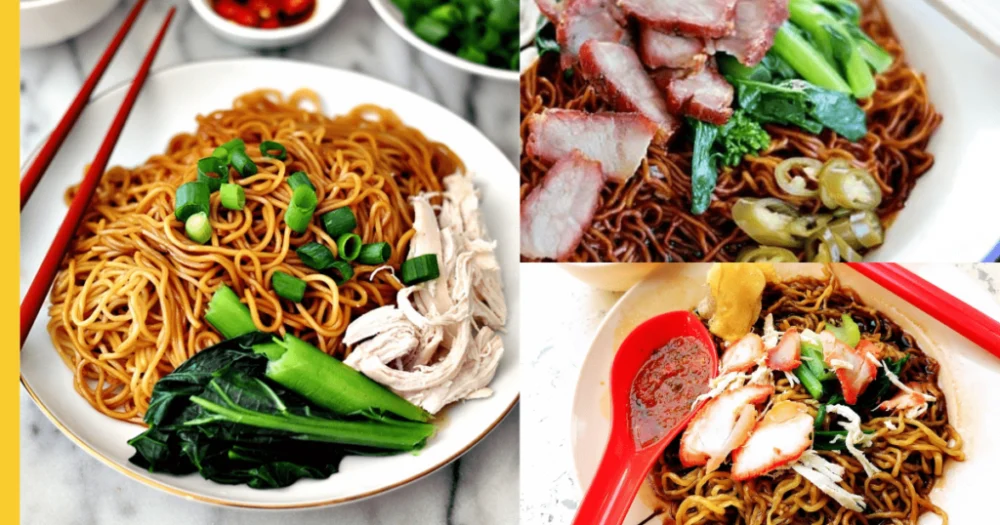
For a classic presentation, the noodles are usually tossed with a savory sauce before being placed in the serving bowl. This sauce is often a mixture of light soy sauce, dark soy sauce (for color), sesame oil, a touch of oyster sauce, and sometimes a bit of chili oil or sambal for a hint of spice. Some recipes also include a spoonful of the rendered fat from char siu or fried shallots for added richness.
The final assembly is an art form. Place a portion of the dressed noodles in the bottom of a deep serving bowl. Arrange several seafood wontons on top, followed by any additional seafood or char siu slices. Ladle the hot, clear broth over everything. Garnish with fresh greens like blanched choy sum or gai lan, and a sprinkle of fried shallots or chopped scallions for aroma and texture.
A crucial tip for perfect wontons is not to overstuff them. Overfilled wontons are difficult to seal properly and can burst during cooking. Aim for a filling amount that allows the wrapper to be easily folded and sealed without tearing.
When cooking the wontons, they can be boiled directly in the broth or in a separate pot of water. Boiling them in a separate pot helps keep the main broth clearer. They are cooked when they float to the surface and the wrappers appear slightly translucent. Ensure they are fully cooked through.
For the broth, don’t rush the simmering process. The longer it simmers gently, the deeper and more complex the flavor will become. Skim off any impurities or foam that rises to the surface during simmering to maintain clarity.
The char siu, or barbecued pork, is a traditional accompaniment. If making it at home, marinate pork belly or shoulder in a mixture of honey, soy sauce, hoisin sauce, five-spice powder, and red fermented bean curd. Roast until caramelized and tender. Slice thinly before serving.
Vegetables add freshness and color. Blanched leafy greens like choy sum, bok choy, or gai lan provide a slightly bitter contrast to the rich broth and savory wontons. They should be blanched quickly until just tender-crisp.
For a spicier kick, consider adding a dollop of homemade chili oil or sambal oelek to the side, allowing each diner to customize their heat level. The bright, piquant flavors complement the savory elements beautifully.
Don’t underestimate the power of aromatics. Fresh ginger slices and scallion whites added to the broth during simmering infuse it with a subtle fragrance that elevates the overall taste profile.
When preparing the noodles, ensure the water is at a rolling boil before adding them. This helps them cook quickly and evenly, preventing them from becoming waterlogged.
The sauce tossed with the noodles is key to the dish’s flavor. Experiment with the soy sauce mixture until you achieve your preferred balance of savory, sweet, and aromatic notes. A good quality light soy sauce is essential for a clean, umami flavor.
For a truly authentic taste, consider using lard (pork fat) to toss the noodles. While less common in modern home cooking, it imparts a unique richness and mouthfeel that is characteristic of traditional Wantan Mee.
If you prefer a lighter broth, you can opt for a chicken-based broth with less or no pork bones. However, the pork and dried seafood elements contribute significantly to the depth of flavor.
When serving, ensure the broth is piping hot. This is crucial for both flavor and maintaining the integrity of the noodles and wontons.
For those with dietary restrictions, vegetarian versions can be made using mushroom-based broths and vegetable-filled wontons. However, the classic seafood version relies on the richness of animal products.
The texture of the wonton filling can be improved by finely mincing the ingredients. A food processor can be used, but be careful not to over-process into a paste; a slightly coarse texture is desirable.
A touch of msg (monosodium glutamate) is often used in restaurant versions to enhance umami. While optional, a tiny pinch can amplify the savory notes if you choose to use it.
The quality of your shrimp is paramount. Fresh, firm shrimp will yield the best flavor and texture in your wontons. Frozen shrimp can be used, but ensure they are thawed properly and patted dry.
Consider adding a small amount of finely chopped garlic to the wonton filling for an extra layer of aromatic flavor.
The garnishes, like fried shallots and chopped scallions, might seem minor, but they contribute significantly to the final dish’s aroma and textural contrast. Don’t skip them!
Mastering Seafood Wantan Mee is a journey of perfecting each component – the wontons, the broth, the noodles, and the sauce. With practice and attention to detail, you can recreate this classic dish with confidence and enjoy its complex, satisfying flavors in your own home.