
The foundation of any great tempura dish lies in the quality of its ingredients. For seafood tempura, freshness is paramount. When selecting your seafood, look for vibrant colors, firm flesh, and a clean, oceanic aroma. Shrimp, calamari, white fish like cod or snapper, and even scallops are excellent choices. Each offers a unique texture and flavor profile that complements the light, airy tempura batter.
Preparing the tempura batter is where the magic truly begins. The key to achieving that signature crispiness is a combination of cold ingredients and minimal mixing. Traditionally, a tempura batter is made with all-purpose flour, ice-cold water (or sparkling water for extra lightness), and sometimes a binder like egg yolk. The batter should be lumpy; overmixing develops gluten, resulting in a tough, heavy coating rather than a delicate crisp.
For a truly authentic experience, consider using specialized tempura flour, which often contains leavening agents and is finely milled. However, a simple mix of flour and ice water will yield excellent results. The temperature of the oil is also critical. Aim for a consistent temperature between 320°F and 350°F (160°C to 175°C). Too hot, and the batter will burn before the seafood is cooked; too cool, and the tempura will absorb too much oil, becoming greasy.
When frying the seafood, it’s essential not to overcrowd the pan. Fry in small batches to maintain the oil temperature and ensure each piece is evenly cooked and golden brown. Drain the tempura on a wire rack rather than paper towels to prevent steam from softening the crisp coating. A light dusting of salt immediately after frying enhances the flavor.
The choice between soba and udon noodles offers distinct experiences. Soba noodles, made from buckwheat flour, have a slightly nutty flavor and a firmer texture. They are often served chilled with a dipping sauce or in a hot broth. Udon noodles, on the other hand, are thick, chewy wheat flour noodles, known for their satisfying bite and ability to absorb the flavors of the broth they are served in.
Preparing the noodle broth is equally important. For a classic dashi-based broth, you’ll need kombu (kelp) and katsuobushi (bonito flakes). Simmering these ingredients gently creates a light, umami-rich stock. Seasoning the dashi with soy sauce, mirin (sweet rice wine), and sake results in a flavorful tsuyu (dipping sauce) or a warming noodle soup base.
For a hot noodle soup, the dashi is typically diluted and seasoned further with soy sauce and mirin to create a milder, more comforting broth. Garnish options are plentiful and can include thinly sliced scallions, nori (seaweed), shichimi togarashi (Japanese seven-spice blend), and a squeeze of fresh lemon or yuzu for brightness.
If serving the tempura with chilled soba or udon, a tsuyu dipping sauce is essential. This sauce, made from dashi, soy sauce, mirin, and sometimes a touch of sugar, is served in a small bowl alongside the chilled noodles. Grated daikon radish, wasabi, and finely chopped scallions are traditional accompaniments, allowing diners to customize their dipping sauce.
Let’s delve into preparing the seafood. Shrimp should be peeled, deveined, and the tail left intact for easy handling. A small cut along the underside of the shrimp can prevent it from curling excessively during frying. For calamari, clean the tubes and tentacles, and cut the tubes into rings. White fish should be cut into bite-sized pieces, ensuring they are dry before battering.
The batter consistency is key. It should be thin enough to coat the seafood lightly but thick enough to adhere. Aim for a texture similar to thin pancake batter. If the batter seems too thick, add a little more ice-cold water, a tablespoon at a time. If it’s too thin, a small amount of flour can be added.
When frying, it’s crucial to work efficiently. Have your battered seafood ready to go into the hot oil. Fry in small batches, ensuring each piece has space. The seafood cooks quickly; shrimp and thin fish pieces will be done in 2-3 minutes, while thicker pieces might take a minute longer. The tempura should be a pale golden color, not dark brown.
Draining the tempura properly is a vital step often overlooked. Using a wire rack allows air to circulate, keeping the tempura crisp. Immediately after frying, season lightly with salt. Some chefs even recommend a very light sprinkle of tempura salt, which can include finely ground sea salt and a hint of matcha or sansho pepper for an added dimension.
For the soba or udon noodles, follow the package instructions carefully. Overcooked noodles can become mushy, detracting from the overall dish. For hot noodle soup, cook the noodles until al dente, then drain and add them to the simmering broth. For chilled noodles, cook them, rinse under cold water to stop the cooking process and remove excess starch, and then drain thoroughly.
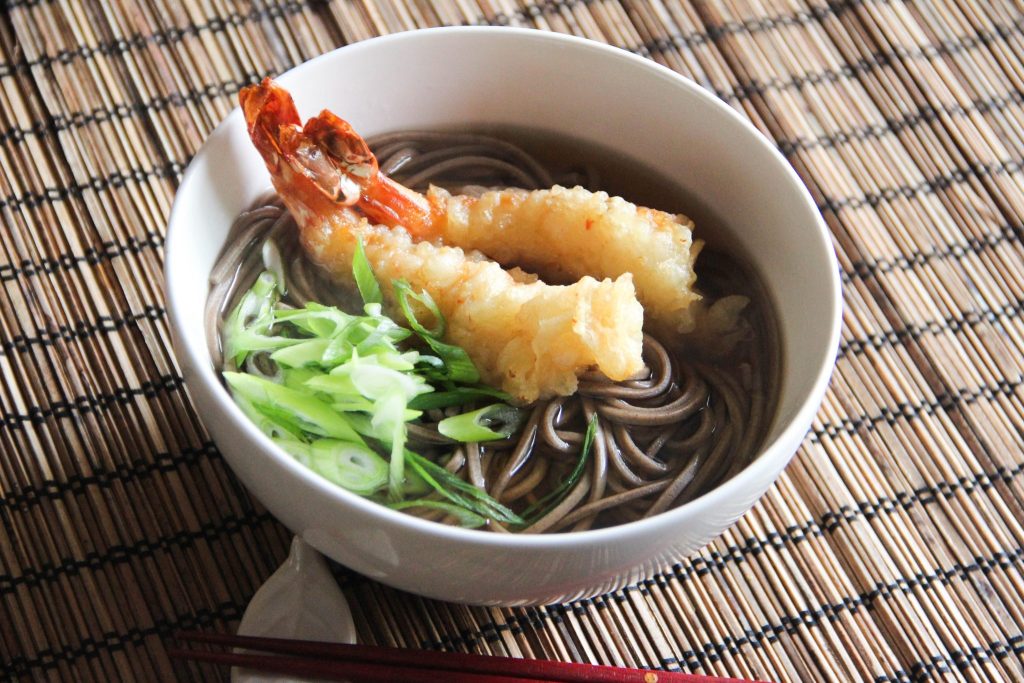
The assembly of the dish can be as simple or elaborate as you desire. For a hot noodle soup, place the cooked noodles in a deep bowl, ladle the hot broth over them, and artfully arrange the freshly fried seafood tempura on top. Garnish generously with your chosen toppings.
For a chilled soba or udon dish, arrange the cooled noodles in a bowl or on a plate. Serve the tsuyu dipping sauce in a separate small bowl. Place the crispy tempura alongside the noodles, allowing diners to dip the tempura into the sauce before eating it with the noodles. This method emphasizes the crispiness of the tempura.
Consider adding a variety of vegetables to your tempura. Sweet potato, eggplant, bell peppers, zucchini, and shiitake mushrooms all make excellent tempura additions. Blanching harder vegetables like sweet potato or eggplant briefly before battering can ensure they cook through evenly with the seafood.
The dipping sauce for tempura can be customized. While a classic dashi-based tsuyu is traditional, you can experiment with adding a touch of grated ginger, a splash of rice vinegar for tanginess, or even a hint of chili oil for a spicy kick. The goal is to create a sauce that complements, rather than overpowers, the delicate flavors of the seafood and noodles.
Another crucial aspect of tempura is the batter’s texture. Some cooks advocate for adding a small amount of cornstarch or potato starch to the flour mixture. These starches can help create a lighter, crispier crust that holds up better. Experimentation is key to finding your preferred texture.
The temperature of the seafood before battering also plays a role. It’s generally best to use seafood that is cold, but not frozen. Cold ingredients help create a temperature contrast with the hot oil, which contributes to a crispier exterior.
When serving, presentation matters. A beautiful ceramic bowl or platter can enhance the dining experience. Arrange the tempura pieces attractively, ensuring they don’t clump together. The vibrant colors of the seafood and vegetables, contrasted with the pale noodles and rich broth, create a visually appealing dish.
For those seeking a healthier alternative, consider baking or air-frying the tempura. While it won’t achieve the same level of crispiness as deep-frying, it can still yield a satisfying result. Use a light coating of oil spray and bake at a high temperature until golden and cooked through.
The joy of this dish lies in its versatility. You can adapt it to your personal preferences, using different types of seafood, vegetables, and noodle variations. The fundamental techniques of preparing excellent tempura and a flavorful broth remain constant, however.
To ensure the best flavor, prepare your dashi or broth base shortly before serving. While dashi can be made ahead, reheating it gently is recommended. Freshly fried tempura is always best enjoyed immediately for maximum crispness.
Don’t be afraid to experiment with different types of flour for the batter. While all-purpose flour is common, some recipes call for a blend of flours, including rice flour or cornstarch, to achieve a lighter, more shatteringly crisp texture.
The choice of oil for frying is also important. A neutral-flavored oil with a high smoke point, such as canola, vegetable, or grapeseed oil, is ideal. Avoid olive oil, as its flavor can overpower the delicate seafood, and its smoke point is too low for deep-frying.
When serving hot soba or udon, consider the garnishes. Thinly sliced green onions, toasted nori strips, shichimi togarashi, and a wedge of lemon or a splash of ponzu sauce can add layers of flavor and visual appeal. A dollop of grated ginger or wasabi can also provide a nice kick.
For chilled soba or udon, the dipping sauce is key. Ensure it’s well-seasoned and served at room temperature or slightly chilled. Offer grated daikon radish, finely chopped scallions, and wasabi on the side for guests to customize their sauce.
The concept of ‘umami’ is central to Japanese cuisine, and it’s prominently featured in both the tempura and the noodle broth. The dashi, derived from kombu and bonito flakes, is a powerhouse of umami, providing a deep, savory foundation that enhances all the other flavors in the dish.
Finally, remember that cooking is an experience. Enjoy the process of preparing this delicious meal, from selecting the freshest ingredients to savoring the final, perfectly crispy bite. Seafood Tempura Soba/Udon is more than just a dish; it’s a celebration of flavor, texture, and culinary tradition.
/Tempura-Udon-3-Getty-56a541515f9b58b7d0dbec5e.jpg "Mastering Seafood Tempura Soba/Udon: A Culinary Journey")