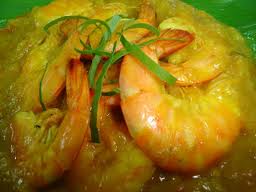
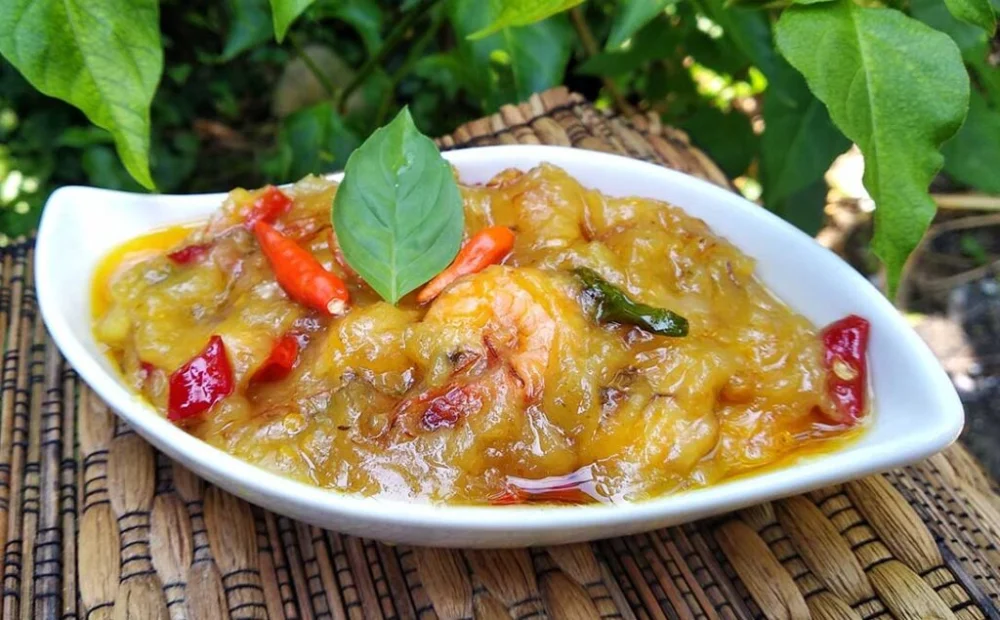

At its core, the success of Tempoyak Udang Rebon hinges on the quality and preparation of its key ingredients. The tempoyak, a paste made from fermented durian, is the soul of the dish. Its strong, distinctive aroma and tangy, slightly sweet flavor form the base upon which all other elements are built. Sourcing good quality tempoyak is paramount. Ideally, it should be fermented for a sufficient period to develop its characteristic depth without being overly ammoniated or spoiled.
Udang rebon, or dried tiny shrimp, provides a crucial layer of salinity and umami. These small crustaceans are packed with flavor and, when rehydrated and cooked, contribute significantly to the overall savory profile. The size of the rebon is also important; smaller ones tend to dissolve more readily into the sauce, infusing it with their essence, while slightly larger ones can offer a pleasant textural contrast.
Beyond the star ingredients, the spice paste (bumbu) is where the magic truly happens. A typical spice paste for Tempoyak Udang Rebon often includes shallots, garlic, chilies (both fresh and dried, depending on desired heat), turmeric, and sometimes ginger or galangal. The balance of these aromatics is critical to complementing, rather than overpowering, the strong flavors of the tempoyak and udang rebon.
Preparing the spice paste usually involves pounding or blending these ingredients into a fine consistency. Traditionally, a mortar and pestle (ulekan) is used, which helps to release the essential oils more effectively than a modern blender. This process requires patience but yields a superior texture and flavor for the paste.
When it comes to cooking, patience is key. The spice paste needs to be sautéed until it is deeply fragrant and the oil separates. This ‘pecah minyak’ stage is vital for developing the full flavor of the spices and ensuring they are cooked through, eliminating any raw taste.
Adding the tempoyak to the sautéed spice paste requires careful stirring. It’s important to break down the tempoyak and integrate it thoroughly with the spices. This is where the characteristic aroma of the dish truly begins to bloom, filling the kitchen with its unique scent.
The udang rebon are typically added after the tempoyak has been incorporated. They might be added dry if they are very well dried, or sometimes they are briefly soaked in water to soften them slightly before being drained and added to the wok. Cooking them in the tempoyak and spice mixture allows them to rehydrate and release their savory juices.
Seasoning this dish is a delicate dance. Tempoyak itself is naturally salty, and udang rebon also contributes significant saltiness. Therefore, tasting and adjusting salt levels is crucial. Many recipes call for minimal or no added salt, relying instead on the inherent salinity of the main ingredients. Sugar, often in the form of palm sugar, is usually added to balance the tanginess of the tempoyak and the heat of the chilies.
The cooking process itself often involves simmering the mixture for a period. This allows the flavors to meld and deepen. The consistency of the final dish can vary; some prefer it saucier, while others like it drier and more concentrated. Adjusting with a little water or cooking it down further controls this.
For those new to tempoyak, it’s important to understand its fermentation process. Durian fruit is packed into a container and left to ferment for several days or even weeks. The resulting paste is pungent and has a unique texture. If you’re buying pre-made tempoyak, look for reputable brands or sources known for quality.
The chilies used can be adjusted to your preference. For a milder dish, use fewer chilies or deseed them. For a spicier kick, incorporate bird’s eye chilies or increase the quantity of dried chilies. The type of chili will also influence the flavor; red chilies offer a fruity sweetness, while bird’s eye chilies provide a sharp, intense heat.
Turmeric is often included not just for its earthy flavor and color but also for its perceived health benefits. Fresh turmeric root provides a more vibrant hue and a cleaner flavor than ground turmeric, though both can be used.
Some regional variations of Tempoyak Udang Rebon might include other seafood elements. While udang rebon is traditional, some might add larger shrimp, fish, or even squid to make it a more substantial seafood dish. However, the focus remains on the tempoyak and the small shrimp.
The cooking vessel matters. A well-seasoned wok is ideal for stir-frying and sautéing. Its shape allows for even heat distribution and easy tossing of ingredients. Cast iron woks are particularly good for achieving that signature ‘wok hei’ or smoky flavor.
Resting the dish after cooking can also enhance the flavors. Allowing the Tempoyak Udang Rebon to sit for a short while before serving lets the complex tastes meld together even further, creating a more harmonious and satisfying experience.
Serving Tempoyak Udang Rebon is typically done with plain white rice. The rice acts as a neutral canvas, allowing the bold flavors of the dish to shine. A simple steamed rice is perfect for absorbing the rich sauce.
Garnishes can add a final touch. Fresh herbs like cilantro or thinly sliced scallions can provide a burst of freshness. Some might also add a drizzle of chili oil for extra heat and visual appeal. However, the dish is often served unadorned, letting its inherent flavors speak for themselves.
For those sensitive to the strong aroma of tempoyak, starting with a smaller amount or ensuring it’s well-cooked with the spices can help mellow its intensity. Cooking the tempoyak thoroughly with the spice paste is key to integrating its flavor into the dish rather than having it stand out too sharply.
The texture of the final dish is also something to consider. If you prefer a thicker consistency, you can cook it down longer until most of the liquid has evaporated. If you prefer it saucier, you can add a splash of water or coconut milk towards the end of the cooking process.
When sourcing udang rebon, look for ones that are uniformly small and have a pleasant, not overly fishy, aroma. They should be dry to the touch. If they seem a bit clumpy, gently break them apart before use.
The quality of durian used to make the tempoyak significantly impacts the final dish. Durians that are overly ripe or have a slightly off-flavor will translate into a less palatable tempoyak. Fresh, good-quality durian is the best starting point.
Storage of tempoyak is also important. Once fermented, it should be stored in an airtight container in the refrigerator to slow down further fermentation and prevent spoilage. It can last for several weeks or even months when stored properly.
For those attempting to make their own tempoyak, the process involves selecting ripe durian, mashing it, and packing it into a clean jar or container. It’s then left at room temperature for a period, usually a week or more, until it develops the characteristic tangy aroma and flavor.
The art of balancing the flavors in Tempoyak Udang Rebon is what makes it such a beloved dish among those who appreciate its unique taste. It’s a culinary adventure that rewards patience and a willingness to explore bold ingredients.
Consider the heat level. The spiciness can be adjusted by the type and quantity of chilies used. Bird’s eye chilies are intensely hot, while larger red chilies offer a milder heat with a fruitier undertone. Dried chilies, when rehydrated and blended, also add a distinct flavor and heat.
The use of belacan or shrimp paste is sometimes incorporated into the spice paste, adding another layer of fermented seafood depth. If using, a small amount goes a long way, as belacan is very potent.
When sautéing the spice paste, ensure it doesn’t burn. Low to medium heat is essential to allow the flavors to develop without scorching. Stirring constantly will prevent sticking and ensure even cooking.
The cooking time can vary. Some prefer to cook it until the oil fully separates and the mixture is thick and rich. Others might cook it for a shorter period for a slightly looser consistency. The key is to ensure all ingredients are well-cooked and the flavors have melded.
Tempoyak Udang Rebon is a dish that tells a story of resourcefulness and culinary innovation, transforming humble ingredients into something extraordinary. It’s a testament to the rich tapestry of Southeast Asian cuisine.
Experimentation is encouraged. While the core elements remain, slight adjustments to the spice blend or the ratio of tempoyak to udang rebon can lead to personal variations that are equally delicious.
Finally, embrace the experience. Tempoyak Udang Rebon is more than just a meal; it’s an exploration of unique flavors and textures that will leave a lasting impression on your palate. It’s a dish that truly stands out.