
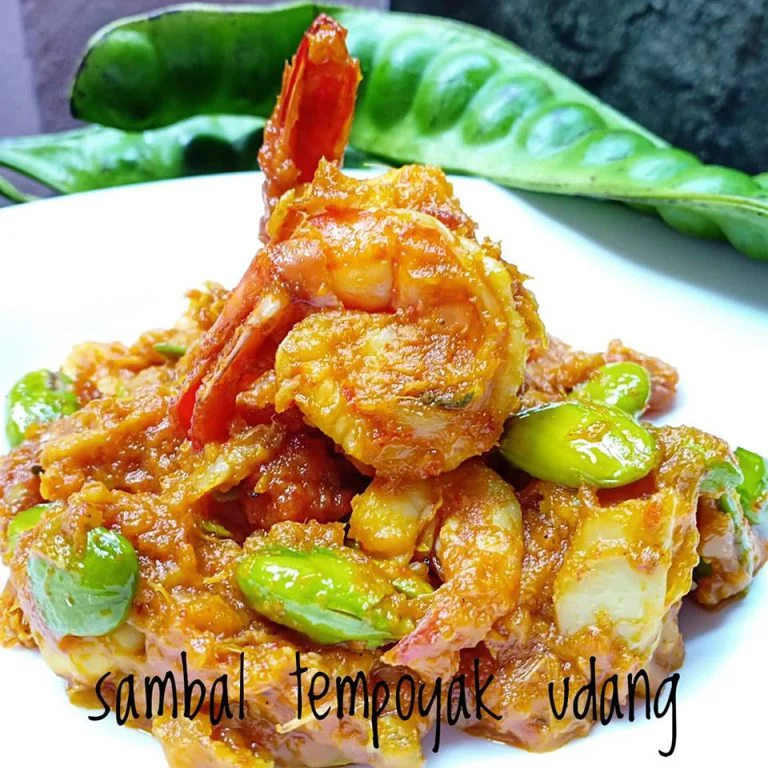

For those unfamiliar, the idea of fermented durian might sound daunting, but in the context of tempoyak, it transforms into a versatile and deeply flavorful condiment. When cooked with aromatic spices, its sharp edges mellow, contributing a unique umami and a delightful sourness that is both intriguing and incredibly addictive. This guide will demystify the process, empowering you to recreate this beloved dish in your own kitchen.
The allure of Seafood Tempoyak Udang Petai lies in its bold flavor profile and the harmonious interplay of its key ingredients. It’s a dish that speaks of heritage, comfort, and the rich bounty of Southeast Asia. Beyond just a recipe, we’ll delve into the nuances of ingredient selection, preparation techniques, and essential tips that elevate a good dish to an exceptional one.
At the heart of this dish is tempoyak, a condiment made from fermented durian flesh. The process involves mashing ripe durian and allowing it to ferment naturally, often with a little salt, for several days or weeks. The resulting paste has a concentrated, tangy, and slightly alcoholic aroma, quite different from fresh durian. Its acidity acts as a natural tenderizer and flavor enhancer, making it an indispensable component in many Malay and Sumatran dishes.
When selecting tempoyak, look for a good quality product, ideally homemade or from a reputable vendor. It should have a consistent texture and a balanced sour-sweet aroma. Over-fermented tempoyak can be overly sour or bitter, while under-fermented might lack depth. If purchasing commercially, ensure it’s well-sealed and stored correctly, usually refrigerated.
The prawns (udang) are the star of the ‘seafood’ component. Freshness is paramount. Opt for medium to large prawns that are firm, translucent, and have a mild, oceanic scent. Avoid any that smell strongly of ammonia or have discolored shells. Tiger prawns or white prawns are excellent choices for their texture and ability to absorb flavors.
Proper preparation of prawns is crucial. Begin by rinsing them thoroughly under cold water. You can choose to peel them entirely, leaving just the tail on for aesthetic appeal, or cook them with the shells on for added flavor (though this makes eating a bit messier). Always devein the prawns by making a shallow incision along the back and removing the dark digestive tract. This step prevents any grittiness and improves the overall eating experience.
Next, we turn to petai, or stink beans. These elongated, bright green pods contain flat, kidney-shaped beans with a distinctive, pungent aroma and a crunchy texture. While their smell might be off-putting to some, their unique flavor is highly prized in Southeast Asian cuisine, adding an earthy, slightly nutty, and sulfuric note that complements spicy and savory dishes perfectly.
When buying petai, look for fresh, firm pods without any signs of bruising or black spots. The beans inside should be plump and vibrant green. To prepare them, simply peel the pods and remove the beans. Some prefer to halve the beans to reduce their intensity, while others enjoy them whole. A quick rinse after shelling is usually sufficient.
The foundation of any great Malay dish is its spice paste, or bumbu halus. For Seafood Tempoyak Udang Petai, this paste typically includes a robust combination of red chilies (fresh or dried, depending on desired heat), shallots, garlic, fresh turmeric, and ginger. These ingredients are blended or pounded into a smooth, aromatic mixture that forms the flavor base.
To create your bumbu halus, you have two primary options: the traditional mortar and pestle or a modern blender. While a blender offers convenience and speed, a mortar and pestle can yield a finer, more aromatic paste as it crushes the fibers of the spices, releasing their essential oils more effectively. If using a blender, add a tablespoon or two of water or oil to aid the blending process, ensuring a smooth consistency.
Beyond the core spice paste, several aromatic enhancers elevate the dish. Lemongrass (serai), typically bruised and added whole or finely sliced, imparts a fresh, citrusy fragrance. Kaffir lime leaves (daun limau purut), torn or thinly sliced, contribute a bright, floral note that cuts through the richness of the other ingredients.
Another vital element for balancing the flavors is tamarind paste (asam jawa). A small amount of tamarind adds a gentle, fruity sourness that complements the fermented tang of the tempoyak, preventing the dish from becoming overly sharp. It also provides a subtle depth of flavor that is hard to replicate.
For those who prefer a richer, milder curry, a splash of coconut milk (santan) can be added towards the end of cooking. This is an optional ingredient; many traditional versions omit it to allow the pure, unadulterated flavors of the tempoyak and spices to shine through. If using, opt for fresh or good quality canned coconut milk.
Before you begin cooking, ensure you have all your ingredients prepared and measured – this is the essence of ‘mise en place’. This includes:
- Cleaned and deveined prawns
- Shelled petai beans
- Blended bumbu halus
- Measured tempoyak
- Bruised lemongrass and torn kaffir lime leaves
- Tamarind paste (dissolved in a little warm water if using block tamarind)
- Salt, sugar, and any optional coconut milk
Having everything ready ensures a smooth and enjoyable cooking process.
The cooking process begins by heating a wok or large frying pan over medium heat. Add 2-3 tablespoons of cooking oil. Once hot, carefully add the bumbu halus. Sauté the spice paste, stirring constantly, for about 8-10 minutes, or until it becomes very fragrant and the oil starts to separate from the paste (a process known as ‘pecah minyak’). This step is crucial for developing the flavors and removing any raw taste from the spices.
Once the bumbu halus is fragrant, add the tempoyak to the pan. Stir it well into the spice paste, allowing it to cook for another 2-3 minutes. This helps to mellow its intense acidity and integrate its unique flavor with the other aromatics. At this stage, also add the bruised lemongrass and kaffir lime leaves, stirring until their fragrant oils are released.
Now, it’s time to introduce the prawns. Add the cleaned prawns to the pan and stir-fry them briefly, for just 1-2 minutes, until they start to turn pink and opaque. Be careful not to overcook them at this stage, as they will continue to cook with the sauce. Their brief initial cooking helps to seal in their juices.
Immediately after the prawns begin to change color, add the petai beans to the pan. Stir everything together, ensuring the petai is coated with the fragrant sauce. If the mixture seems too dry, you can add a small amount of water or chicken stock (about 1/4 cup) to create a luscious sauce.
Season the dish with salt and a pinch of sugar. The sugar helps to balance the sourness of the tempoyak and the spiciness of the chilies. Add the dissolved tamarind paste, if using, and stir well. Allow the mixture to simmer gently for another 3-5 minutes, or until the prawns are fully cooked through and the petai has softened slightly but still retains a pleasant bite.
One of the most critical aspects of mastering Seafood Tempoyak Udang Petai is achieving the perfect balance of flavors. The dish should be spicy, tangy from the tempoyak and tamarind, savory from the prawns and spices, and subtly sweet. Taste the sauce frequently during the simmering stage and adjust seasonings as needed. If it’s too sour, add a little more sugar. If it’s too bland, a touch more salt or a dash of fish sauce can help.
Controlling the spiciness is a personal preference. For a milder dish, deseed some of the chilies or use fewer hot chilies and more milder ones (like red bell pepper or larger red chilies). For an extra kick, include bird’s eye chilies (cili padi) or add a sprinkle of chili flakes at the end. Remember, the heat level can be adjusted to suit your palate.
A common pitfall when cooking prawns is overcooking. Overcooked prawns become rubbery and lose their delicate sweetness. Prawns are typically cooked when they curl into a ‘C’ shape and turn fully opaque. As soon as they reach this stage, remove the pan from the heat. The residual heat will continue to cook them slightly, ensuring they remain tender and succulent.
For those who find the aroma of petai too strong, there are ways to mitigate it. You can blanch the shelled petai beans in boiling water for 1-2 minutes before adding them to the dish. This can slightly reduce their pungency while still retaining their unique flavor and crunch. Alternatively, simply use a smaller quantity of petai.
The quality of your tempoyak significantly influences the final taste. If your tempoyak is very fresh and mildly sour, you might need to add less tamarind or a little more salt to bring out its flavor. Conversely, if it’s very fermented and intensely sour, you might need more sugar to balance it out. Always taste your tempoyak before adding it to the dish to understand its potency.
While prawns are traditional, this recipe is adaptable. Consider experimenting with other seafood such as squid (cut into rings), firm white fish fillets (like snapper or mackerel, cut into chunks), or even mussels. The cooking times will vary for different types of seafood, so adjust accordingly to prevent overcooking.
For those seeking a plant-based alternative, this dish can be beautifully adapted. Replace prawns with firm tofu (fried until golden), tempeh, or a medley of mushrooms (oyster, shiitake). The core flavors of tempoyak and spices will still shine through, creating a delicious vegetarian option.
Seafood Tempoyak Udang Petai is best served immediately with generous portions of steaming hot white rice. The rice acts as a perfect canvas for the rich, spicy, and tangy sauce, soaking up all the incredible flavors. For a complete meal, you might serve it alongside fresh cucumber slices or a simple stir-fried vegetable.
Beyond its deliciousness, the ingredients in this dish offer some nutritional benefits. Durian, even fermented, contains vitamins, minerals, and dietary fiber. Petai is known for its high fiber content and is believed to have various health properties, including being a natural diuretic. Turmeric, a key spice, is celebrated for its anti-inflammatory and antioxidant properties.
This dish holds a special place in Malay culinary heritage, particularly in states like Pahang and Negeri Sembilan, where tempoyak is a staple. Recipes can vary slightly from family to family or region to region, with some adding more chilies, others a touch more sugar, showcasing the rich diversity within traditional cooking.
Even with the best intentions, cooking can present challenges. Here are some troubleshooting tips:
- If the dish is too sour: Add a bit more sugar, a splash of coconut milk, or even a few more prawns to mellow the acidity.
- If it’s not spicy enough: Stir in some freshly sliced bird’s eye chilies or a pinch of chili powder at the end.
- If it tastes bland: Adjust with more salt, a squeeze of fresh lime juice, or a dash of fish sauce (if not strictly adhering to Malay halal practices).
Leftovers of Seafood Tempoyak Udang Petai can be stored in an airtight container in the refrigerator for up to 2-3 days. When reheating, do so gently over low heat on the stovetop or in a microwave, adding a splash of water if the sauce has thickened too much. Be mindful not to overcook the prawns further during reheating.
Embrace the spirit of culinary exploration when preparing this dish. Feel free to adjust the ratios of chilies, tempoyak, and other seasonings to suit your personal taste preferences. Cooking is an art, and the best dishes are often those that reflect the cook’s individual touch and passion.
In conclusion, Seafood Tempoyak Udang Petai is more than just a meal; it’s an experience. Its bold, complex flavors, rooted deeply in Southeast Asian culinary traditions, offer a delightful journey for the palate. With this comprehensive guide, you are now equipped with the knowledge and tips to create a truly authentic and incredibly satisfying version of this iconic dish. Gather your ingredients, prepare your kitchen, and get ready to savor the rich tapestry of flavors that await you.