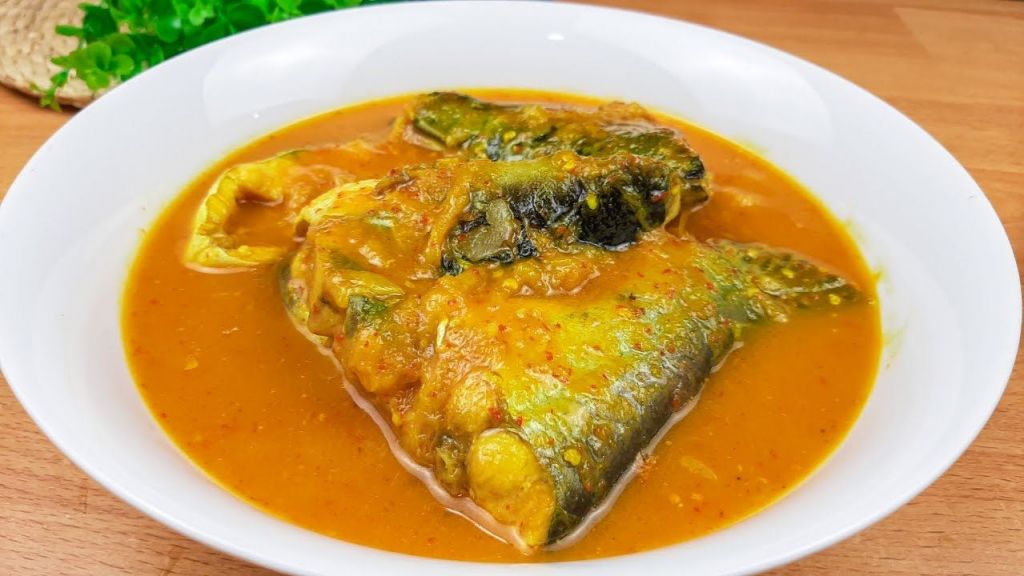
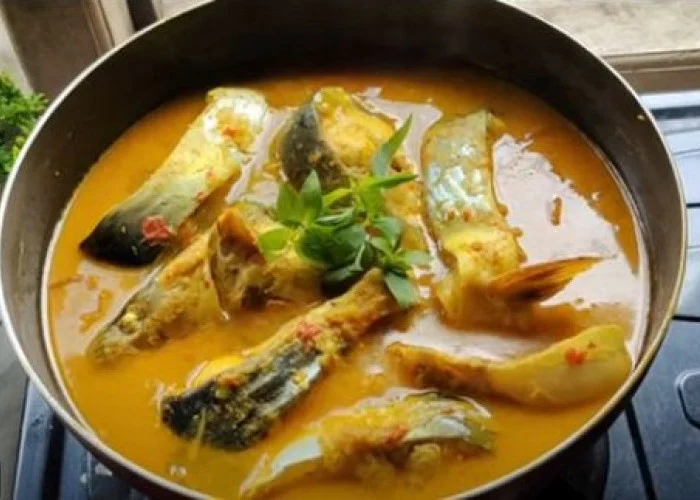

Tempoyak itself is a fermented delicacy made from durian fruit. This process, which typically involves salting and allowing the durian to ferment for several days or weeks, transforms the fruit’s intense aroma and creamy texture into a complex, savory, and slightly sour paste. While it might sound unusual to those unfamiliar with it, tempoyak is a cornerstone ingredient in many regional dishes, lending a distinctive umami character that is both challenging and incredibly rewarding to culinary explorers.
Ikan Seluang, or slender river sprat, is a small, slender freshwater fish commonly found in the rivers and lakes of Southeast Asia. Its delicate flesh and subtle flavor make it an excellent canvas for the bold flavors of tempoyak and pindang broth. When cooked properly, ikan seluang offers a delightful texture that is both tender and slightly firm, absorbing the surrounding spices beautifully.
The term ‘Pindang’ refers to a traditional Indonesian cooking method, particularly prevalent in Sumatra and Java. It involves simmering ingredients in a flavorful broth, often characterized by a balance of sweet, sour, and savory notes. The pindang broth typically includes a rich blend of aromatics like shallots, garlic, chilies, turmeric, and tamarind, creating a vibrant and aromatic liquid that infuses the main ingredients.
Combining these elements – the fermented tang of tempoyak, the delicate nature of ikan seluang, and the aromatic complexity of pindang – results in Seafood Tempoyak Ikan Seluang Pindang. This dish is more than just a meal; it’s an experience that transports diners to the heart of Southeast Asian culinary heritage. It’s a testament to how humble ingredients, when treated with respect and traditional knowledge, can create something truly extraordinary.
Preparing this dish authentically requires attention to detail and an understanding of the key components. The quality of your tempoyak is paramount. Ideally, use freshly fermented tempoyak for the best flavor profile. If you are new to tempoyak, starting with a milder, shorter fermentation might be advisable before venturing into longer-fermented versions, which can be quite potent.
The ikan seluang should be fresh, cleaned thoroughly, and if possible, left whole or cut into manageable pieces. The small size of the fish means they cook relatively quickly, so overcooking should be avoided to maintain their tender texture. For those who cannot find ikan seluang, other small freshwater fish or even certain types of small saltwater fish can be substituted, though the authentic flavor will be somewhat altered.
The pindang broth is where much of the magic happens. A typical base involves a sautéed paste of shallots, garlic, turmeric, and chilies. This paste is then simmered in water or a light stock, infused with tamarind paste for sourness, palm sugar for a touch of sweetness, and often a bit of belacan (shrimp paste) for an extra layer of umami. The balance of these flavors is crucial to a successful pindang.
When introducing the tempoyak into the pindang broth, it’s essential to do so carefully. Some cooks prefer to incorporate it directly into the simmering broth, while others might lightly sauté it first to mellow its intensity. Experimentation is key to finding your preferred level of tempoyak flavor. The goal is to complement, not overpower, the other ingredients.
The cooking process itself involves bringing the pindang broth to a simmer, then gently adding the ikan seluang and the tempoyak. The fish is cooked until just done, allowing it to absorb the flavors of the broth. The heat should be moderate to prevent the delicate fish from breaking apart too easily.
Serving Seafood Tempoyak Ikan Seluang Pindang is traditionally done hot, often accompanied by steamed white rice. The rice acts as a perfect foil to the rich and complex flavors of the dish, allowing each bite to be savored. A sprinkle of fresh herbs, like cilantro or spring onions, can add a touch of freshness and visual appeal.
For those who enjoy a bit of heat, adding more chilies to the pindang paste will increase the spiciness of the dish. Conversely, if you prefer a milder flavor, reduce the number of chilies or opt for milder varieties. The beauty of this dish lies in its adaptability to personal taste preferences.
The preparation of the tempoyak paste is a critical step. Typically, the flesh of the durian is mashed and mixed with salt. It is then placed in a clean, airtight container and left to ferment at room temperature for several days. The duration of fermentation dictates the intensity of its flavor and aroma. A week-long fermentation yields a milder tempoyak, while a month or more results in a much stronger, more pungent paste.
When incorporating the tempoyak, some chefs recommend rinsing it lightly if it is particularly pungent, to moderate its intensity. However, for purists, the full, unadulterated flavor is part of the dish’s allure. It’s a matter of personal preference and culinary journey.
The aromatics for the pindang broth are usually pounded or blended into a fine paste. This includes shallots, garlic, fresh turmeric (which gives the broth its characteristic yellow hue), and bird’s eye chilies for heat. Ginger and galangal can also be added for an extra layer of fragrance.
A crucial element for the pindang broth is tamarind. Tamarind paste, made from the pulp of the tamarind fruit, provides a distinct sourness that cuts through the richness of the dish. It’s usually dissolved in warm water and then strained to remove seeds and fibers before being added to the broth.
Palm sugar, or ‘gula melaka,’ is often used to provide a subtle sweetness that balances the sourness of the tamarind and the pungency of the tempoyak. If palm sugar is unavailable, regular sugar can be used, but palm sugar imparts a more complex, caramel-like flavor.
The cooking process requires patience. Sautéing the spice paste until fragrant is essential to release its full aroma. Then, adding the liquid base (water or stock) and bringing it to a gentle simmer allows the flavors to meld before the main ingredients are added.
When adding the ikan seluang, ensure they are submerged in the broth. They cook quickly, so monitor them closely. Overcooked fish will become dry and crumbly, detracting from the dish’s appeal. The goal is for the fish to be tender and flaky, yet hold its shape.
The final seasoning of the broth is important. Taste and adjust the salt, sugar, and tamarind to achieve your desired balance. The tempoyak will also contribute saltiness, so season judiciously.
Some variations of this dish might include other seafood, such as prawns or squid, adding another layer of texture and flavor. However, the classic rendition focuses on the ikan seluang for its delicate profile.
For a richer broth, a small amount of coconut milk can be added towards the end of the cooking process. This will lend a creamier texture and a subtle sweetness, though it is not a traditional component of all pindang preparations.
The aroma that fills the kitchen as this dish cooks is truly intoxicating. The sharp tang of the tempoyak mingles with the fragrant spices, creating an olfactory experience that is both exotic and comforting.
Presentation matters. Serve the Seafood Tempoyak Ikan Seluang Pindang in a deep bowl, ensuring that the fish and broth are showcased. Garnish with fresh cilantro sprigs, thinly sliced red chilies, or a sprinkle of fried shallots for an added visual and textural element.
This dish is best enjoyed immediately after cooking, when the flavors are at their peak and the fish is at its most tender. Reheating can sometimes alter the texture of the fish and the vibrancy of the broth.
For those seeking to explore authentic Southeast Asian flavors, Seafood Tempoyak Ikan Seluang Pindang offers a unique and unforgettable culinary adventure. It’s a dish that challenges the palate in the most delightful way, rewarding the adventurous cook with a taste of tradition and innovation.
The fermentation process of durian is a fascinating aspect of Southeast Asian food culture. It’s a method of preservation that also unlocks complex flavor profiles. Understanding the science behind fermentation can deepen one’s appreciation for ingredients like tempoyak.
When sourcing ingredients, prioritize freshness. Fresh fish and high-quality durian will make a significant difference in the final dish. If possible, visit local markets to find the most authentic ingredients.
The specific spices used can vary slightly by region and family recipe. Some might add lemongrass, kaffir lime leaves, or galangal to the pindang broth for additional aromatic complexity. Feel free to experiment with these additions to tailor the flavor to your liking.
The art of balancing flavors – sweet, sour, salty, and spicy – is central to Southeast Asian cooking. Seafood Tempoyak Ikan Seluang Pindang is a prime example of this culinary philosophy, showcasing how these elements can be harmoniously integrated.
Embracing the unique flavor of tempoyak is key to enjoying this dish. It’s an acquired taste for some, but its distinctive pungency and umami are what make it so special. Think of it as a culinary challenge that offers a significant reward.
Ultimately, cooking Seafood Tempoyak Ikan Seluang Pindang is a journey of discovery. It’s about understanding the ingredients, respecting the traditional methods, and embracing the vibrant flavors of Southeast Asia. The result is a dish that is not only delicious but also rich in cultural significance.