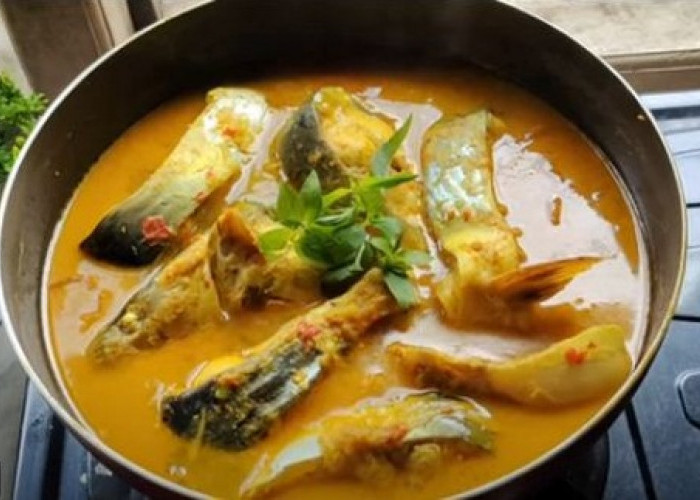
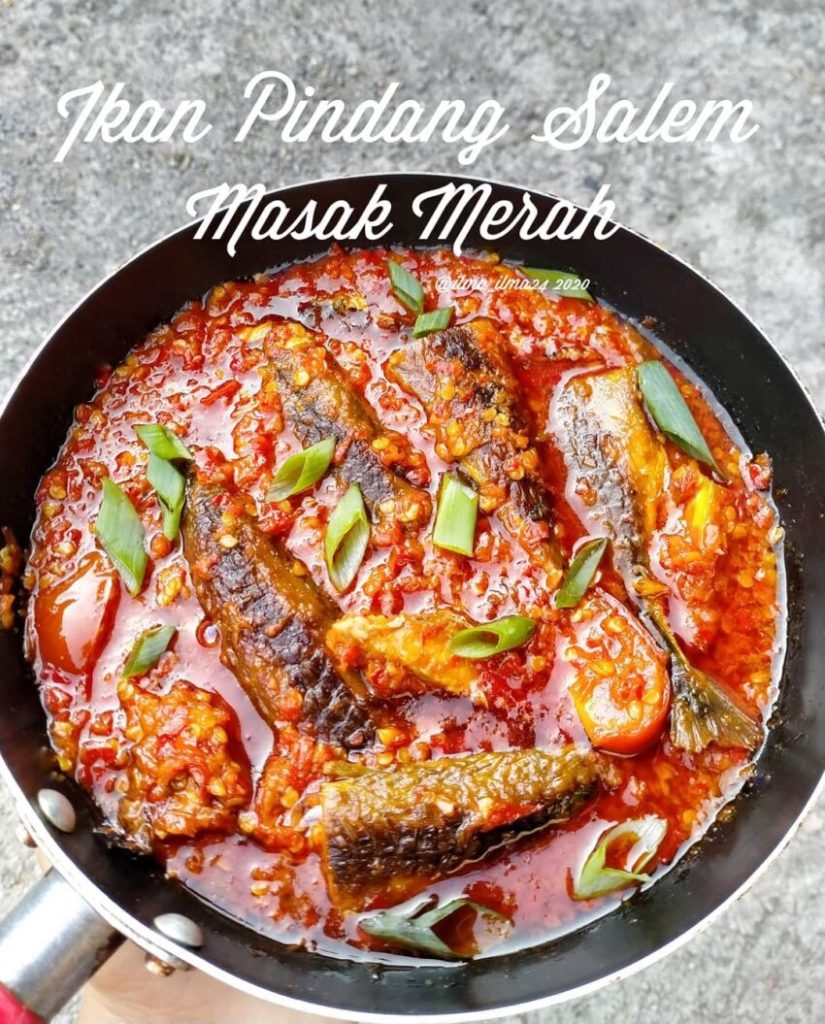

This dish is more than just a meal; it’s a culinary adventure that celebrates bold flavors and traditional preservation techniques. The fermentation process of durian, when done correctly, transforms its potent aroma into a nuanced depth of flavor that complements the natural richness of fish and other seafood. The ‘pindang’ style further elevates the dish with its characteristic sourness and aromatic spices, creating a harmonious balance that is truly captivating.
Embarking on the journey to create Seafood Tempoyak Ikan Salem Pindang requires an understanding of its core components. At its heart lies the tempoyak itself. Ideally, this should be homemade or sourced from a trusted vendor who understands the art of fermentation. The quality of the tempoyak directly impacts the final dish, influencing its aroma, texture, and overall taste.
The ‘Ikan Salem Pindang’ component refers to mackerel, typically the Rastrelliger species, prepared in a specific way. This often involves simmering the fish in a souring agent, commonly tamarind (asam jawa), along with a blend of spices. The fish becomes tender and infused with a tangy flavor, providing a perfect base for the tempoyak paste.
Beyond the fish, the ‘seafood’ element allows for customization and enhancement. Common additions include prawns (udang), squid (sotong), and sometimes even mussels or other shellfish. These add textural variety and their own distinct oceanic sweetness, which pairs beautifully with the fermented durian and sour fish.
The aromatic foundation of the dish is crucial. This typically involves a blend of shallots (bawang merah), garlic (bawang putih), chilies (cili), and sometimes galangal (lengkuas) and turmeric (kunyit). These ingredients are usually pounded or blended into a paste and sautéed until fragrant, releasing their complex aromas and forming the flavor base.
To achieve the authentic taste, a specific set of spices and seasonings is employed. In addition to the souring agent (like tamarind), ingredients such as belacan (shrimp paste) are often used to add an umami depth. Salt and sugar are adjusted to balance the sour, salty, and slightly sweet notes inherent in the dish.
Let’s delve into the preparation of the tempoyak itself, assuming you are making it from scratch. This process requires ripe durian flesh, free from any spoilage. The flesh is mashed and placed in a clean, airtight container, often wrapped in banana leaves for added aroma. It’s then left to ferment at room temperature for several days, typically 3-5 days, until it develops the characteristic sourness and slightly softened texture. Regular tasting is key to determining the optimal fermentation point.
Once the tempoyak is ready, the preparation of the Ikan Salem Pindang begins. Fresh mackerel, cleaned and portioned, is simmered in water with tamarind paste, a pinch of salt, and perhaps a slice of turmeric or ginger. The goal is to cook the fish until tender and to create a flavorful, slightly sour broth. Some recipes might add a few pieces of dried tamarind or even pineapple for extra tanginess.
The aromatic spice paste, often referred to as ‘bumbu’, is the next critical element. Shallots, garlic, fresh chilies (adjusting the quantity based on desired heat level), and sometimes a small piece of belacan are finely pounded or processed into a smooth paste. This paste is then sautéed in oil until the raw aroma dissipates and the mixture becomes deeply fragrant and slightly darkened.
When the spice paste is fragrant, the prepared tempoyak is added. This is a crucial step where the flavors begin to meld. The tempoyak is gently stirred and cooked with the spice paste for a few minutes, allowing its fermented notes to mellow and integrate with the aromatics. Care must be taken not to overcook at this stage, which can lead to a harsh flavor.
Next, the cooked Ikan Salem Pindang, along with its sour broth, is introduced into the pan with the sautéed tempoyak and spice paste. The ingredients are gently combined, ensuring the fish is coated in the flavorful mixture. The liquid from the pindang broth provides the necessary moisture for the dish to simmer and for the flavors to deepen.
If adding other seafood, such as prawns or squid, they are typically added towards the end of the cooking process. Prawns cook quickly and should be added just long enough to turn pink and opaque. Squid requires careful cooking; overcooking will make it tough, so it’s usually added last and cooked only until opaque and tender.
Seasoning is paramount in achieving the perfect balance. Taste the dish and adjust with salt, sugar, and possibly a touch more tamarind paste if more sourness is desired. Some cooks also add a dash of fish sauce or soy sauce for an extra layer of umami, though this is not strictly traditional in all variations.
The cooking process continues until the sauce thickens slightly and the flavors have melded beautifully. The aroma should be a complex blend of pungent durian, tangy tamarind, savory spices, and the fresh scent of the sea. The final consistency should be a rich, saucy dish where the fish and seafood are well-coated.
Serving Seafood Tempoyak Ikan Salem Pindang is traditionally done hot, accompanied by steamed white rice. The fluffy rice acts as a perfect canvas to soak up the intensely flavored sauce. A side of fresh cucumber slices or other raw vegetables can provide a refreshing contrast to the richness of the dish.
For those new to tempoyak, it’s advisable to start with a smaller amount. The flavor is intense, and gradually increasing the quantity in subsequent preparations allows your palate to adjust and appreciate its unique character.
The quality of the durian used for tempoyak is paramount. Choose ripe, sweet durians. Avoid those that are overripe to the point of spoilage or have an unpleasantly ammoniated smell. The flesh should be creamy and rich.
When making tempoyak, ensure all utensils and containers are meticulously clean to prevent unwanted bacterial growth. This hygiene is crucial for a safe and delicious fermentation process.
The fermentation time for tempoyak can vary. Some prefer a shorter fermentation (2-3 days) for a milder taste, while others enjoy a longer period (5-7 days) for a more pronounced sourness and pungency. Experimentation is key to finding your preferred level.
For the Ikan Salem Pindang, using fresh mackerel is essential. If fresh isn’t available, good quality frozen mackerel can be substituted, but ensure it’s thawed properly and has no freezer burn.
The souring agent can be varied. While tamarind is most common, some regional variations might use bilimbi (belimbing wuluh) or even pineapple for a different kind of tang.
The chili paste can be adjusted for heat. For a milder version, remove the seeds from the chilies before pounding. For a spicier kick, include more chilies or use hotter varieties.
Belacan (shrimp paste) adds a significant depth of flavor. If you are sensitive to its aroma or taste, you can omit it, but be aware that it will alter the authentic profile of the dish.
When sautéing the spice paste, ensure it’s cooked thoroughly until the oil separates slightly. This process, known as ‘pecah minyak’, is vital for developing the full flavor and aroma of the spices.
The cooking time for the seafood should be monitored closely. Prawns should be plump and pink, while squid should be tender, not rubbery. Adding them too early will result in overcooked seafood.
Leftovers of Seafood Tempoyak Ikan Salem Pindang often taste even better the next day, as the flavors have more time to meld and deepen. Reheat gently on the stovetop.
This dish is a celebration of complex flavors – the pungent, fermented durian, the tangy fish broth, the spicy aromatics, and the sweet brininess of the seafood. It’s a testament to the ingenuity of traditional Malay cooking.
Variations exist across different households and regions. Some may add lemongrass (serai), kaffir lime leaves (daun limau purut), or even a touch of coconut milk for a richer sauce. These additions create unique flavor profiles while staying true to the spirit of the dish.
The texture of the final dish should be a delightful interplay of tender fish, succulent seafood, and a rich, flavorful sauce. The consistency of the sauce is important – it should be thick enough to coat everything generously but not dry.
Ultimately, making Seafood Tempoyak Ikan Salem Pindang is a rewarding experience. It’s a dish that challenges the palate, delights the senses, and connects you to a rich culinary heritage. Embrace the journey, experiment with ingredients, and savor the extraordinary flavors.
The unique combination of fermented durian with seafood and sour fish presents a culinary experience that is both exotic and comforting. It’s a dish that tells a story of resourcefulness, tradition, and the incredible diversity of Southeast Asian cuisine.
Mastering this dish involves understanding the balance of its core elements: the pungent umami of tempoyak, the sour tang of pindang, the heat of chilies, and the sweetness of fresh seafood. Each component plays a vital role in creating the symphony of flavors.
Enjoy the process of cooking, from preparing the spice paste to the final simmer. The aroma that fills your kitchen will be a prelude to the incredible taste that awaits. This guide aims to provide a solid foundation for your culinary exploration of this remarkable dish.