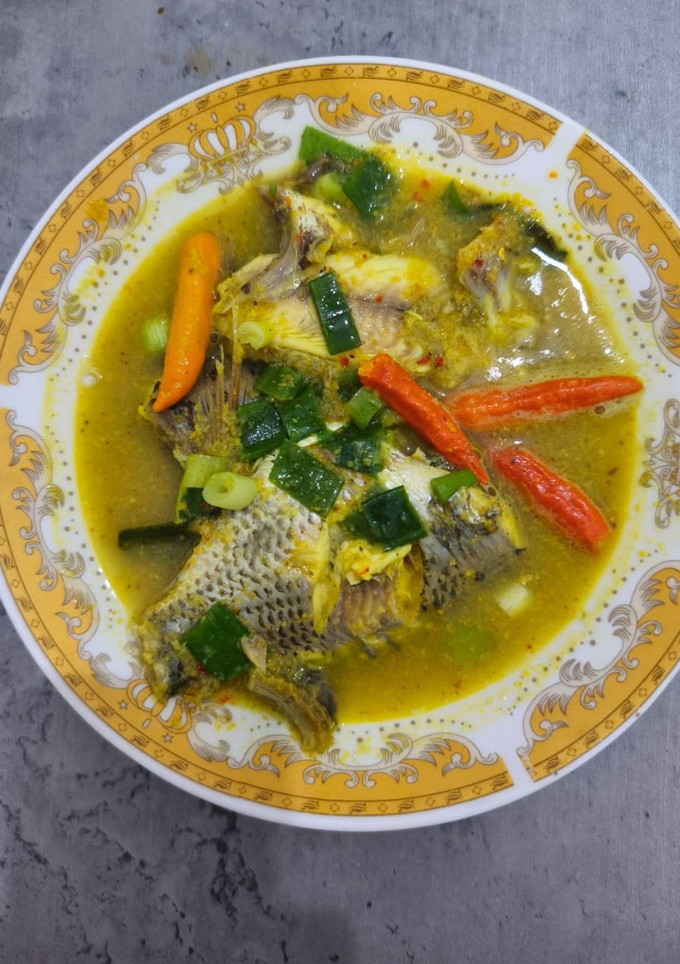
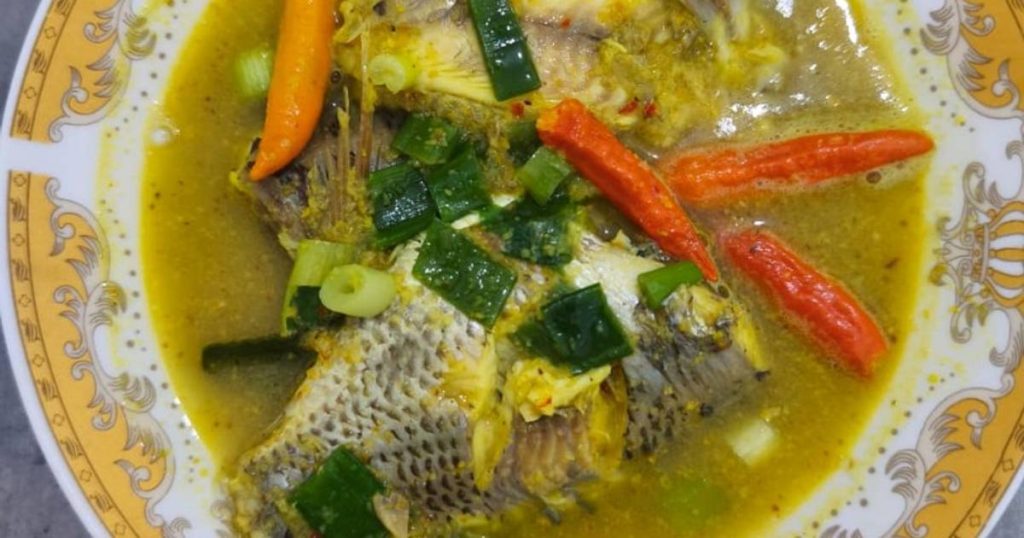

Our journey today is to demystify the preparation of this exquisite dish. While the concept of fermented durian might initially seem daunting to the uninitiated, its transformation within the context of a savory curry is nothing short of remarkable. The inherent sweetness and creamy texture of durian, when fermented, develop a tangy, umami-rich profile that beautifully complements the mildness of tilapia and the fragrant spices of the yellow curry.
The star of our dish, besides the Tempoyak itself, is the Ikan Nila, or Nile Tilapia. This freshwater fish is widely available and prized for its firm, flaky white flesh and relatively mild flavor. Its ability to absorb the complex flavors of the sauce makes it an ideal choice for this recipe. When cooked properly, it remains moist and succulent, providing a perfect counterpoint to the robust sauce.
The foundation of the Kuah Kuning lies in its vibrant color and aromatic blend of spices. Turmeric, as its name suggests, is the primary ingredient responsible for the golden hue. However, it is the symphony of other spices that truly elevates the sauce. Galangal, ginger, lemongrass, chilies, shallots, and garlic work in harmony to create a sauce that is both spicy and fragrant, with a subtle sweetness and a depth of flavor that is truly captivating.
Before we dive into the cooking process, let’s talk about Tempoyak. Authentic Tempoyak is made by fermenting ripe durian flesh, typically with a bit of salt, for several days to weeks. The fermentation process breaks down the sugars and proteins, resulting in a unique flavor profile. The smell can be quite strong, but don’t let that deter you. When cooked, the pungent aroma mellows significantly, leaving behind a delightful tanginess and umami.
For those new to Tempoyak, it’s advisable to start with a commercially available product, ensuring it’s of good quality. Look for brands that are known for their authentic fermentation process. You can often find Tempoyak in Asian grocery stores. If you’re feeling adventurous, you can even make your own, but this requires patience and a good understanding of the fermentation process.
Selecting the right Ikan Nila is crucial. Opt for fresh fish, preferably whole, or fillets if that’s your preference. If cooking a whole fish, ensure it’s cleaned thoroughly, with the gills and entrails removed. Scoring the fish on both sides can help it cook more evenly and allows the flavors of the sauce to penetrate the flesh.
Now, let’s prepare the aromatics for our Kuah Kuning. This is where the magic begins. We’ll need a blend of fresh ingredients that will be ground into a paste. This paste forms the flavor base of our curry. The typical ingredients include shallots, garlic, fresh turmeric (or good quality turmeric powder), galangal, ginger, and fresh red chilies. The type and quantity of chilies will determine the heat level of the dish, so adjust according to your preference.
The process of grinding these aromatics can be done using a mortar and pestle for a more rustic texture and intense flavor, or a food processor or blender for convenience. If using a blender, you might need to add a little oil or water to help the ingredients blend smoothly. The goal is to achieve a fine paste that will release its full flavor when sautéed.
In a wok or a large pot, heat some cooking oil over medium heat. Add the ground spice paste and sauté it until it becomes fragrant and slightly darkened. This step, known as ‘menumis’ in Malay, is critical. It cooks out the raw taste of the spices and deepens their flavor. Be patient and stir frequently to prevent burning.
Once the spice paste is well-sautéed, it’s time to introduce the liquid base for the curry. Coconut milk is the traditional choice, providing a rich, creamy texture and a subtle sweetness that balances the tanginess of the Tempoyak and the heat of the chilies. We’ll use both thick and thin coconut milk, or you can use full-fat coconut milk and dilute it slightly if needed.
Add the thin coconut milk to the sautéed spice paste and bring it to a simmer. Stir well to combine. This is where the curry sauce starts to take shape. The aroma at this stage is already intoxicating, a preview of the deliciousness to come.
Now comes the star ingredient that gives this dish its unique identity: the Tempoyak. Add the Tempoyak paste to the simmering curry sauce. Stir it in thoroughly. You’ll notice the sauce beginning to thicken slightly and its aroma transforming. The fermented durian will meld with the spices, creating a complex flavor profile that is both familiar and exotic.
The amount of Tempoyak to use is a matter of personal preference. Some prefer a subtle hint of its tanginess, while others enjoy a more pronounced flavor. Start with a moderate amount and taste as you go. You can always add more if you desire a stronger Tempoyak presence.
After adding the Tempoyak and letting it simmer for a few minutes to allow the flavors to meld, it’s time to add the Ikan Nila. Gently place the fish into the curry sauce. If you’re using a whole fish, ensure it’s submerged as much as possible. If using fillets, add them carefully to avoid breaking them.
Cover the pot and let the fish simmer gently in the sauce. The cooking time will depend on the size and thickness of the fish. Tilapia cooks relatively quickly, usually within 10-15 minutes for fillets and slightly longer for a whole fish. Avoid overcooking, as this will result in dry, tough fish.
The final addition to the Kuah Kuning is often the thick coconut milk. Add this towards the end of the cooking process. Simmer gently for a few more minutes until the sauce reaches your desired consistency. The thick coconut milk adds richness and a luxurious finish to the curry.
Some variations of this dish include other seafood. For instance, you could add prawns, squid, or mussels along with the fish. If adding these, consider their cooking times. Prawns and squid cook very quickly, so they should be added in the last few minutes of cooking to prevent them from becoming rubbery.
Fresh herbs are often used to garnish and add a final layer of freshness. Consider adding chopped fresh cilantro, or even some kaffir lime leaves for an extra citrusy aroma. A sprinkle of finely sliced red chilies can also add visual appeal and a touch of heat.
Serving Seafood Tempoyak Ikan Nila Kuah Kuning is traditionally done with steamed white rice. The fluffy, plain rice is the perfect canvas to soak up the flavorful and rich curry sauce. The combination of the fragrant rice, succulent fish, and the unique tang of the Tempoyak curry is truly a delight.
The aroma that fills your kitchen as this dish cooks is an experience in itself. It’s a complex blend of spices, the subtle sweetness of coconut milk, and the unmistakable, yet transformed, aroma of fermented durian. It’s a smell that evokes warmth, comfort, and a sense of culinary adventure.
For those who are new to Tempoyak, it’s highly recommended to try this dish at a reputable restaurant first, if possible. This will give you a benchmark for the flavors and textures you are aiming for. Then, you can confidently embark on making it at home.
When preparing the spice paste, the quality of your turmeric is paramount. Fresh turmeric root will provide a more vibrant color and a cleaner, brighter flavor than dried powder. If using fresh turmeric, remember to wear gloves as it can stain your fingers.
Galangal, a close relative of ginger, has a distinct peppery and citrusy flavor. It’s essential for authentic Southeast Asian curries. If you cannot find fresh galangal, you can substitute with ginger, but the flavor will be slightly different. Use about twice the amount of ginger if substituting.
Lemongrass adds a wonderful citrusy note to the curry. Bruise the stalks by hitting them with the back of a knife before adding them to the pot to release their essential oils. You can either add them whole and remove them before serving, or finely chop the tender inner core.
The heat from the chilies can be adjusted by removing the seeds and membranes, which contain most of the capsaicin. For a milder curry, use fewer chilies or opt for varieties with lower heat levels. For a spicier kick, leave in some seeds or use hotter chilies like bird’s eye chilies.
When sautéing the spice paste, ensure your heat is medium. Too high, and you risk burning the spices, which will result in a bitter curry. Too low, and the spices won’t cook properly, leaving a raw taste.
The consistency of the final curry sauce is also a matter of preference. Some prefer a thicker, richer sauce that clings to the fish, while others like it slightly more liquid to drench the rice. Adjust the amount of coconut milk and simmering time to achieve your desired consistency.
Leftovers, if any, can be stored in an airtight container in the refrigerator for up to 2-3 days. Reheat gently on the stovetop or in the microwave. The flavors often meld and deepen even further the next day.
Exploring the culinary landscape of Southeast Asia is a rewarding experience, and Seafood Tempoyak Ikan Nila Kuah Kuning is a perfect entry point into its unique and complex flavors. It challenges the palate in the best possible way, offering a symphony of tastes that are both comforting and exhilarating. Enjoy the process and savor every bite!