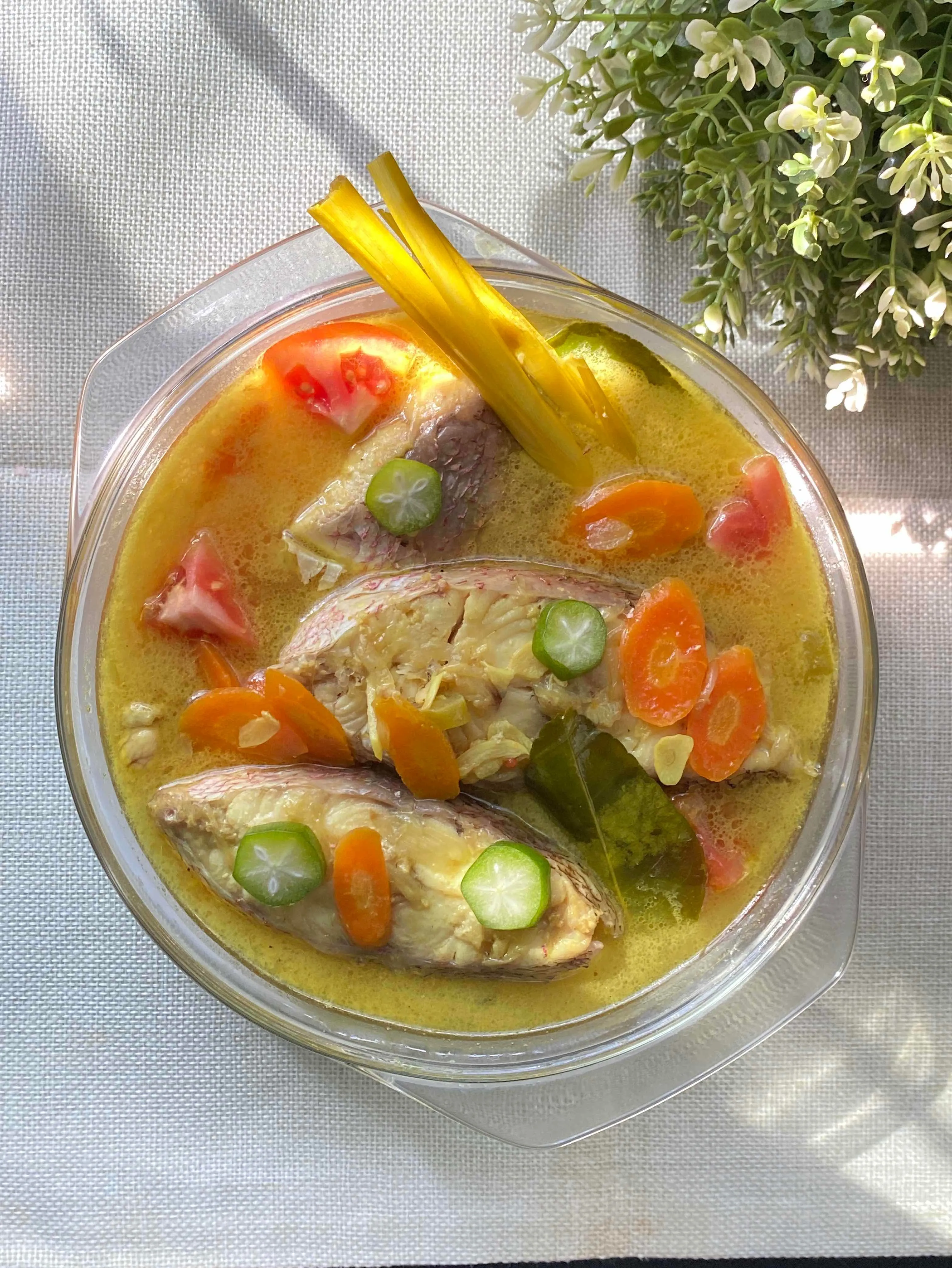
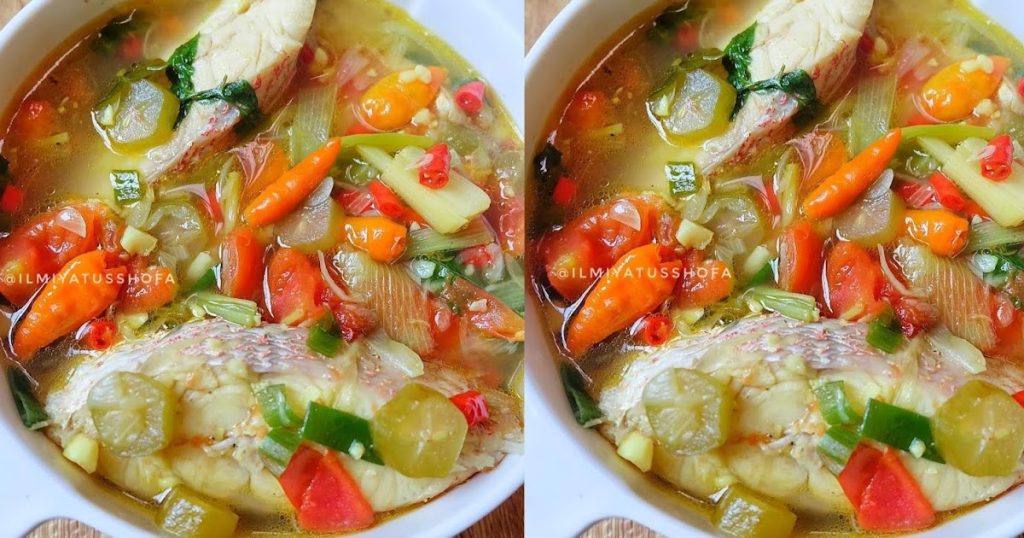

The foundation of this dish lies in its unique ingredients. Tempoyak, the fermented durian paste, is the star, providing a distinctive, slightly sour, and intensely aromatic profile. Its preparation itself is an art, often involving fermenting ripe durian flesh for several days until it reaches the desired tanginess. The quality of the durian used significantly impacts the final taste, so selecting ripe, sweet durian is paramount.
Ikan Kakap, or sea bass, is the preferred fish for this recipe due to its firm, flaky white flesh that holds up well during the cooking process and absorbs flavors beautifully. Its mild taste acts as a perfect canvas for the bold flavors of the tempoyak and spices.
The pindang element refers to a specific cooking method and broth, often characterized by its rich, savory, and slightly sweet profile, achieved through a blend of aromatic spices. This broth serves as the medium through which the flavors of the fish and tempoyak meld together, creating a harmonious and comforting dish.
Embarking on the journey of making Seafood Tempoyak Ikan Kakap Pindang requires attention to detail at every step. The first crucial stage is preparing the tempoyak. If you are using pre-made tempoyak, ensure it is of good quality and has a pleasant, not overpowering, fermented aroma. If making your own, the process involves pureeing ripe durian flesh and allowing it to ferment in a clean, airtight container for 3-7 days at room temperature, stirring occasionally. The duration of fermentation dictates the sourness, so adjust it to your preference.
Next, the ikan kakap needs to be meticulously prepared. Select fresh, firm sea bass. Scale, gut, and clean the fish thoroughly. You can choose to leave the fish whole, cut it into steaks, or fillet it, depending on your preference and how you intend to serve the dish. Scoring the fish lightly can help it absorb the flavors more effectively.
The heart of the pindang broth lies in its spice paste, or ‘bumbu’. This typically includes ingredients like shallots, garlic, ginger, turmeric, chilies, and belacan (shrimp paste). These are usually ground into a fine paste. The combination and proportion of these spices are key to achieving the authentic pindang flavor profile.
To begin the cooking process, sauté the spice paste in a generous amount of oil until it is fragrant and the oil separates. This step, known as ‘menumis’, is vital for releasing the full aroma and flavor of the spices. Add the tempoyak to the pan and continue to sauté for a few more minutes, allowing its unique fragrance to meld with the spices. Be mindful of the pungent aroma of tempoyak; good ventilation is recommended.
Once the spice and tempoyak mixture is well-cooked, carefully add the prepared ikan kakap to the pan. Gently coat the fish with the mixture, ensuring each piece is covered. Avoid over-stirring at this stage to prevent the fish from breaking apart.
Now, it’s time to introduce the liquid for the pindang broth. This usually involves adding water or sometimes a light fish stock. The amount of liquid will determine the consistency of the sauce. Bring the mixture to a gentle simmer.
Seasoning is a critical element. Add salt, sugar (often palm sugar for a richer flavor), and sometimes a touch of tamarind paste for added tanginess. Taste and adjust the seasonings until the balance of savory, sweet, sour, and spicy is perfect. The flavor profile should be complex, with the tempoyak providing a unique umami and sour undertone.
Allow the dish to simmer gently until the fish is cooked through and the flavors have melded beautifully. This usually takes about 15-20 minutes, depending on the size of the fish pieces. The sauce should thicken slightly, coating the fish generously.
Some variations of this dish include adding other seafood elements, such as prawns or squid, to enhance the complexity and richness. If adding other seafood, consider their cooking times and add them accordingly to avoid overcooking.
Garnishes play a role in both presentation and flavor. Fresh herbs like cilantro, Thai basil, or sliced chilies can add a burst of freshness and visual appeal. A sprinkle of fried shallots can also provide a delightful textural contrast.
Serving Seafood Tempoyak Ikan Kakap Pindang is traditionally done hot, accompanied by steamed white rice. The rice acts as a perfect neutral base to absorb the rich, flavorful sauce. The combination of the fragrant rice and the intensely flavored seafood is a match made in culinary heaven.
The aroma of this dish is as significant as its taste. The initial pungent scent of fermented durian eventually mellows into a complex, savory fragrance when cooked, mingling with the spices and the sea bass. It’s an aroma that evokes warmth, comfort, and a sense of home for many.
For those new to tempoyak, it’s advisable to start with a smaller amount or a milder fermented product. The flavor can be an acquired taste, but its unique contribution to the dish is undeniable. Experimentation with the fermentation time can help find the perfect balance for your palate.
The choice of chilies used in the spice paste can also be adjusted to control the heat level. Bird’s eye chilies offer intense heat, while larger red chilies provide a milder spice and vibrant color. A combination often yields the best results.
Beyond the core ingredients, consider incorporating other aromatics. Lemongrass, galangal, and kaffir lime leaves can add further layers of fragrance and complexity to the pindang broth, elevating the dish to a gourmet level.
When selecting your ikan kakap, opt for fish that are firm to the touch, with clear, bright eyes and bright red gills. This indicates freshness, which is crucial for the best flavor and texture in your tempoyak dish.
The cooking vessel also matters. A heavy-bottomed pot or wok is ideal for even heat distribution, preventing scorching and ensuring the fish cooks gently and evenly in the flavorful broth.
For a richer, creamier sauce, some recipes incorporate a small amount of coconut milk towards the end of the cooking process. This adds a luxurious texture and a subtle sweetness that complements the other flavors.
Leftovers, if any, can be stored in an airtight container in the refrigerator for up to two days. Reheat gently to preserve the delicate flavors and textures. The flavors often deepen overnight, making it even more delicious the next day.
Exploring regional variations can be fascinating. Different areas might have their unique twists on the spice blend, the type of fish used, or the addition of specific vegetables. Embracing these variations can lead to exciting discoveries.
The art of making Seafood Tempoyak Ikan Kakap Pindang is a journey of sensory exploration. It challenges the palate with its bold flavors while rewarding with its profound depth and comforting warmth. It’s a dish that tells a story of land and sea, of fermentation and spice, and of culinary tradition passed down through generations.
To achieve the perfect consistency of the pindang broth, simmering time is key. A longer simmer allows the flavors to meld and the sauce to reduce and thicken naturally. However, be careful not to overcook the fish.
The balance of sourness from the tempoyak and any added tamarind is crucial. If the tempoyak is too sour, a bit more sugar or a touch of sweetness from coconut milk can help. Conversely, if it lacks tang, a squeeze of lime or a bit more tamarind can be added.
The use of belacan (shrimp paste) is integral to many Southeast Asian savory dishes, and this one is no exception. It adds a distinct umami depth that is hard to replicate. Ensure your belacan is fresh and toasted for maximum flavor.
Consider the texture of the fish. Sea bass is generally forgiving, but overcooking can lead to dry, tough fish. Keep a close eye on it during the simmering process, and aim for flaky, moist flesh.
This dish is a celebration of bold flavors. It’s not for the faint of heart, but for those who appreciate the intricate dance of pungent, savory, sweet, and spicy notes, it is an absolute triumph. It embodies the spirit of Southeast Asian cuisine – vibrant, flavorful, and deeply satisfying.
Finally, the presentation. While rustic is often the charm, a few artfully placed herbs, a drizzle of the rich sauce, and a side of perfectly steamed rice can elevate the dining experience. Enjoy the fruits of your labor, a true masterpiece of seafood and fermented delight.