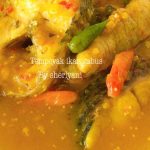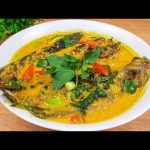
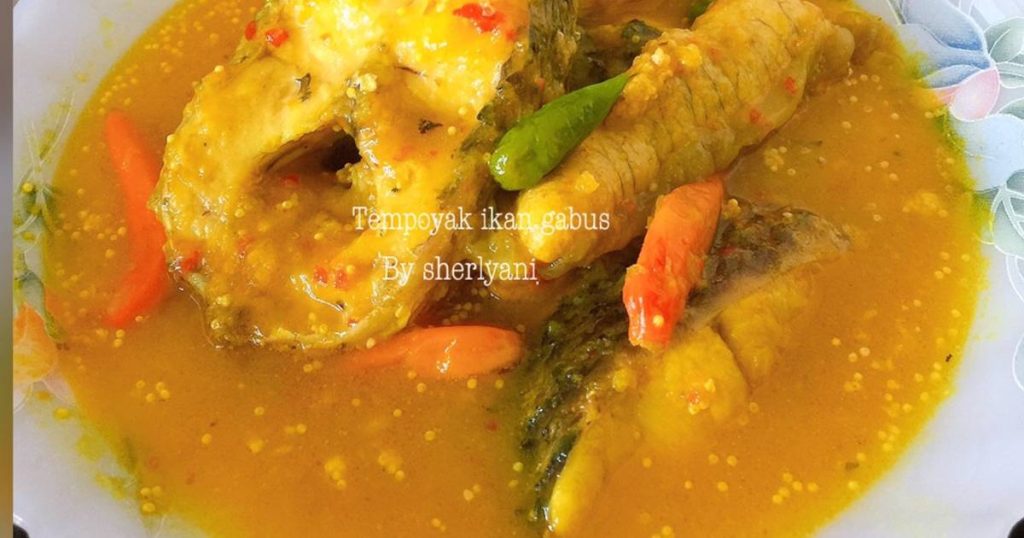

At its core, ‘Ikan Gabus Pucung’ refers to a preparation of snakehead fish (Ikan Gabus) cooked in a distinctive sauce that derives its unique character from ‘Pucung’ or kaffir lime leaves, often combined with other aromatics. When this is elevated with the addition of tempoyak, the result is a symphony of tastes – the savory, slightly gamey flavor of the snakehead fish, the zesty and aromatic notes of the pucung, and the complex, fermented tang of tempoyak.
Tempoyak itself is a fascinating ingredient. Made from fermented durian, it possesses a powerful aroma and a flavor profile that can be polarizing. However, for those who appreciate its unique qualities, tempoyak adds an unparalleled depth and umami to dishes. It’s a testament to the ingenuity of Indonesian culinary preservation techniques, transforming a seasonal fruit into a year-round flavor enhancer.
The star of our dish, Ikan Gabus or snakehead fish, is prized for its firm, white flesh and its ability to absorb flavors beautifully. It’s a common ingredient in many Indonesian and Southeast Asian dishes, often lending itself to hearty stews and flavorful stir-fries. Its slightly sweet, mild taste makes it an excellent canvas for the bold flavors of tempoyak and the accompanying spices.
The ‘Pucung’ element, typically derived from kaffir lime leaves, adds a crucial layer of citrusy aroma and a subtle bitterness that balances the richness of the tempoyak and the fish. This aromatic leaf is a staple in many regional cuisines, providing a refreshing counterpoint that cuts through the intensity of other ingredients.
Preparing Seafood Tempoyak Ikan Gabus Pucung requires a thoughtful approach to ingredient selection and preparation. The quality of your tempoyak, the freshness of your fish, and the balance of your spice paste are all critical factors that will contribute to the final dish’s success.
Let’s begin by discussing the essential ingredients. For the fish, fresh Ikan Gabus is paramount. Look for firm, shiny fish with clear eyes. If Ikan Gabus is unavailable, other firm white fish like catfish or even tilapia can be substituted, though the authentic flavor will be slightly altered.
The tempoyak needs to be ripe and well-fermented. It should have a strong, pungent aroma but not be overly sour or mushy. If you’re making your own tempoyak, ensure it has undergone sufficient fermentation for the best flavor profile. Store-bought tempoyak should be chosen carefully, selecting brands known for their quality.
The heart of any Indonesian dish lies in its bumbu or spice paste. For Ikan Gabus Pucung, this typically includes shallots, garlic, chilies (adjust to your spice preference), turmeric, ginger, galangal, and candlenuts (kemiri). Candlenuts are essential for creating a smooth, rich texture in the paste.
Now, let’s outline the preparation process. The first step involves preparing the fish. Clean the Ikan Gabus thoroughly, removing scales and internal organs. You can choose to cut the fish into sections or leave it whole, depending on your preference and serving style. Marinating the fish with a little salt and lime juice can help reduce any potential fishiness.
Next, prepare the spice paste. This usually involves grinding or blending the shallots, garlic, chilies, turmeric, ginger, galangal, and candlenuts until a smooth paste is formed. Traditionally, this is done using a mortar and pestle (cobek dan ulekan), which yields a superior texture and flavor compared to blenders.
In a wok or a deep pan, heat a generous amount of cooking oil. Sauté the spice paste until it is fragrant and the oil begins to separate from the paste. This crucial step, known as ‘menumis bumbu,’ ensures that the raw flavors of the spices are cooked out, resulting in a richer, more complex taste.
Once the spice paste is well-cooked, add the bruised lemongrass, bay leaves, and kaffir lime leaves. Stir-fry for another minute until their aromas are released.
Now, it’s time to introduce the tempoyak. Add the fermented durian paste to the wok and stir it in with the spice mixture. Cook for a few minutes, allowing the tempoyak to meld with the spices and release its distinctive aroma. Be mindful of the heat, as tempoyak can burn easily.
This is where the magic happens. Add the prepared Ikan Gabus to the wok. Gently stir to coat the fish with the tempoyak and spice mixture. Be careful not to break up the fish too much.
Pour in enough water or coconut milk (for a richer gravy) to create a sauce that will cook the fish and develop the flavors. Bring the mixture to a simmer.
Season the dish with salt and sugar to taste. The balance of saltiness, sweetness, and the inherent sourness of the tempoyak is key to a well-executed dish. Taste and adjust as needed.
Cover the wok and let the fish simmer gently until it is cooked through and the flavors have melded beautifully. The cooking time will vary depending on the size of the fish pieces, typically ranging from 15 to 30 minutes.
As the fish cooks, the sauce will thicken slightly, and the aromas will become incredibly enticing. The combination of the pungent tempoyak, the fragrant herbs, and the savory fish creates an irresistible olfactory experience.
For an even more authentic touch, some variations of this dish incorporate ‘terasi’ or shrimp paste into the spice paste. If you enjoy the robust flavor of terasi, a small amount can significantly enhance the umami profile of the dish.
Another variation involves adding other types of seafood alongside the Ikan Gabus. Prawns, squid, or even chunks of fish like mackerel can be added towards the end of the cooking process to create a more elaborate seafood medley.
The texture of the sauce is also important. Some prefer a thicker, richer sauce, while others enjoy a more soupy consistency. Adjust the amount of liquid added and the simmering time to achieve your desired texture.
Serving Seafood Tempoyak Ikan Gabus Pucung is best done hot, straight from the wok. It is traditionally served with steamed white rice, which acts as the perfect neutral base to soak up the flavorful, complex sauce.
Garnishes can elevate the presentation and add a final touch of freshness. Freshly chopped cilantro, thinly sliced red chilies, or a squeeze of lime juice can provide a vibrant contrast to the rich flavors of the dish.
This dish is a true representation of Indonesian culinary heritage, showcasing the country’s ability to transform humble ingredients into extraordinary meals. The interplay of fermented flavors, aromatic spices, and fresh seafood is a testament to the depth and complexity of Indonesian gastronomy.
For those new to tempoyak, it’s advisable to start with a smaller amount and gradually increase it as you become accustomed to its unique taste and aroma. The goal is to achieve a harmonious balance, where the tempoyak complements rather than overwhelms the other ingredients.
The ‘Pucung’ element, often interpreted as the use of kaffir lime leaves, can also be enhanced by a touch of lime or tamarind juice added towards the end of cooking. This provides an extra layer of brightness and acidity that cuts through the richness.
When selecting your Ikan Gabus, consider its size. Smaller fish tend to cook faster and can be more tender. Larger fish may require longer cooking times and can sometimes be slightly tougher if overcooked.
The process of ‘menumis’ the spice paste is critical. Ensure you cook it thoroughly until the raw smell disappears and the oil separates. This step is non-negotiable for achieving the best flavor.
The choice between water and coconut milk for the gravy is a matter of preference. Coconut milk will result in a creamier, richer, and more indulgent dish, while water will yield a lighter, more aromatic broth.
Remember to taste and adjust seasoning throughout the cooking process. The saltiness of the tempoyak can vary, so it’s essential to balance it with sugar and other seasonings.
Leftovers, if any, can be stored in an airtight container in the refrigerator for a day or two. Reheat gently on the stovetop, adding a splash of water if the sauce has become too thick.
Seafood Tempoyak Ikan Gabus Pucung is more than just a recipe; it’s an invitation to explore the bold and exciting flavors of Indonesian cuisine. It’s a dish that challenges the palate, rewards the adventurous cook, and ultimately, offers a deeply satisfying culinary experience.
The aroma that fills your kitchen as this dish simmers is truly intoxicating – a complex blend of pungent durian, fragrant spices, and the savory essence of the fish. It’s a scent that promises a truly memorable meal.
Mastering this dish is a journey, and with each attempt, you’ll refine your understanding of the delicate balance of flavors required. Don’t be afraid to experiment with the spice levels and the amount of tempoyak to find your perfect rendition.
Embrace the unique character of tempoyak and the robust flavors of Ikan Gabus Pucung. This dish is a testament to the rich culinary heritage of Indonesia, offering a taste of tradition that is both challenging and incredibly rewarding.