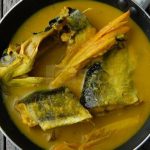
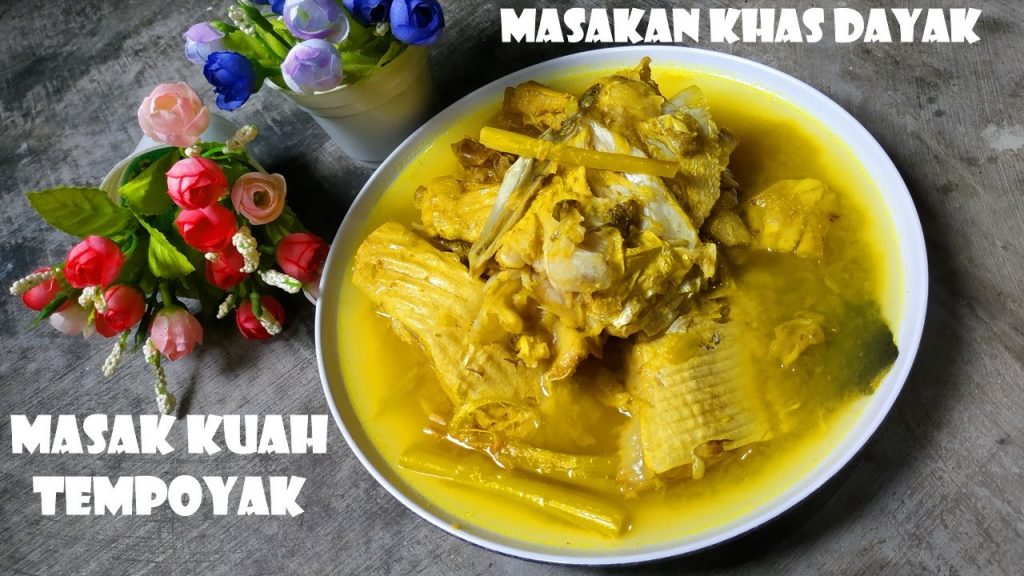

At its heart, this dish revolves around three key components: seafood, tempoyak, and a rich ‘kuah kuning’ (yellow gravy). The ‘Ikan Belida,’ a freshwater fish, is often the star, prized for its firm flesh and mild flavor that readily absorbs the surrounding tastes. However, the concept can be adapted to other firm, white-fleshed fish or even other types of seafood like prawns or squid, offering a versatile base for this flavorful creation.
Tempoyak is the soul of this dish. It’s a fermented durian paste, a product born from the king of fruits, durian. While the strong aroma of durian might be polarizing for some, in the context of tempoyak, it transforms into a tangy, savory, and slightly pungent condiment that adds an unparalleled depth of flavor. The fermentation process breaks down the durian’s sugars, creating a unique umami profile that is essential to the authentic taste of this dish.
The ‘kuah kuning’ is the vibrant canvas upon which these flavors are painted. This yellow gravy is typically made with a base of turmeric, ginger, galangal, lemongrass, chilies, and shallots, creating a fragrant and slightly spicy broth. The turmeric not only imparts its characteristic golden hue but also contributes a subtle earthy bitterness and health benefits. The careful balance of these aromatics is crucial for a well-rounded gravy.
Understanding the role of each element is the first step to mastering this recipe. The Ikan Belida provides a tender, flaky texture. The tempoyak offers a pungent, tangy, and savory counterpoint. The kuah kuning binds everything together with its aromatic warmth and subtle spice. When combined, they create a symphony of tastes and textures that is both familiar and exotic.
The preparation of tempoyak itself is a traditional process. Ripe durian flesh is mashed and then fermented in a sealed container for several days, typically 3 to 5 days, depending on the desired level of fermentation. Some prefer a milder tang, while others enjoy the more pronounced flavor of longer fermentation. It’s important to use good quality, ripe durian for the best results.
When sourcing Ikan Belida, look for fresh specimens with clear eyes, bright red gills, and firm flesh. If Ikan Belida is unavailable, other freshwater fish like Patin (catfish) or even sea bass can be used as substitutes. The key is to select fish that can withstand the cooking process without disintegrating and have a flavor profile that complements the strong notes of tempoyak and the spices.
The spice paste, or ‘bumbu,’ for the kuah kuning is paramount. It typically includes fresh turmeric root (or powder), ginger, galangal, garlic, shallots, and a generous amount of dried or fresh chilies. The ratio of these ingredients can be adjusted to personal preference for heat and aroma. Blending these into a fine paste ensures that the flavors are evenly distributed throughout the gravy.
A crucial step in preparing the kuah kuning is ‘tumis,’ or sautéing the spice paste. This process is vital for unlocking the full aroma and flavor of the spices. Cooking the paste over medium heat until it is fragrant and the oil separates from the paste indicates that it is ready. This step removes any raw or pungent notes from the aromatics.
Coconut milk is often incorporated into the kuah kuning to provide richness and a creamy texture. The choice between full-fat and light coconut milk can affect the final consistency and decadence of the dish. Full-fat coconut milk will yield a richer, more indulgent gravy.
The cooking process for Seafood Tempoyak Ikan Belida Kuah Kuning is a careful layering of flavors. First, the kuah kuning is prepared by sautéing the spice paste, then simmering it with coconut milk and seasonings. Once the gravy has reached the desired consistency and flavor profile, the seafood is added.
The Ikan Belida is usually cut into thick steaks or pieces. It’s important not to overcook the fish. Adding the fish to the simmering gravy and allowing it to poach gently ensures that it remains tender and moist. The cooking time will vary depending on the thickness of the fish pieces.
The tempoyak is often added towards the end of the cooking process. This is because prolonged high heat can diminish its unique fermented flavor. Adding it towards the end allows its tangy and savory notes to meld beautifully with the gravy without becoming overpowering.
Seasoning is a critical aspect of this dish. Beyond salt, common additions include a touch of sugar to balance the tanginess of the tempoyak and the spice, and sometimes a splash of fish sauce or shrimp paste for an extra layer of umami, though the tempoyak itself provides significant savory depth.
Garnishes play a role in enhancing both the visual appeal and the flavor. Fresh herbs like cilantro or Thai basil, sliced chilies, and perhaps a squeeze of lime can add freshness and a pop of color. These elements provide a welcome contrast to the rich, savory gravy.
Serving this dish is typically done hot, accompanied by steamed white rice. The fluffy rice is the perfect vehicle to soak up the flavorful kuah kuning and complement the tender fish and pungent tempoyak.
Beyond the classic Ikan Belida, this recipe is incredibly adaptable. Consider using plump prawns, succulent squid rings, or even firm pieces of fish like snapper or grouper. The key is to maintain the balance of flavors, ensuring the tempoyak and kuah kuning remain the stars.
For those new to tempoyak, it’s advisable to start with a smaller amount. The fermented durian has a potent flavor, and gradually increasing the quantity in subsequent attempts will help you find your preferred balance. Some recipes also call for rinsing the tempoyak lightly to reduce its intensity, though this is a matter of personal preference.
The ‘kuah kuning’ can be thickened by simmering it for a longer period or by adding a cornstarch slurry, although traditionally, it is allowed to achieve its natural consistency. The richness comes from the coconut milk and the well-cooked spice paste.
The health benefits associated with the ingredients are also noteworthy. Turmeric is known for its anti-inflammatory properties, ginger for its digestive aid, and chili for its metabolism-boosting effects. While this is a rich dish, the natural ingredients offer a wholesome foundation.
Preparing this dish can be a rewarding experience, allowing you to explore traditional Southeast Asian cooking techniques. The process of making the spice paste from scratch and simmering the gravy to perfection is a culinary art form.
When it comes to the chili element, the type and quantity can be adjusted. For a milder dish, deseed the chilies or use less. For a spicier kick, incorporate bird’s eye chilies or increase the amount of dried chilies used in the paste.
The galangal, a close relative of ginger, imparts a distinct peppery and citrusy note to the gravy, differentiating it from a simple ginger-based sauce. Its unique aroma is integral to the authentic flavor profile.
Lemongrass, bruised and tied into knots, is often added to the simmering gravy to infuse its bright, citrusy fragrance. It adds a refreshing counterpoint to the richness of the coconut milk and the pungency of the tempoyak.
The texture of the fish is paramount. Overcooked fish becomes dry and crumbly. By adding it towards the end and poaching it gently, you ensure it remains succulent and flakes beautifully when eaten.
For those who find the aroma of raw spices too strong, a brief blanching of the aromatics before blending can help mellow their intensity. However, proper sautéing of the blended paste is usually sufficient.
The fermentation time for tempoyak can be a subject of debate. Some traditionalists believe in longer fermentation for a more robust flavor, while others prefer a shorter period for a milder tang. Experimentation is key to discovering your personal preference.
The acidity from the tempoyak helps to tenderize the fish as it cooks, contributing to its delicate texture. This is one of the subtle benefits of using fermented ingredients in cooking.
Serving this dish with a variety of accompaniments can elevate the dining experience. Besides plain rice, consider adding a side of sautéed greens, pickled vegetables, or a simple cucumber salad to provide a refreshing contrast.
Seafood Tempoyak Ikan Belida Kuah Kuning is a dish that embodies the spirit of communal dining and the celebration of unique local flavors. It is a testament to the ingenuity of culinary traditions that transform humble ingredients into extraordinary meals.
Mastering this recipe requires patience, an understanding of flavor profiles, and a willingness to explore the unique qualities of ingredients like tempoyak. The result is a dish that is not only delicious but also deeply satisfying and culturally significant.
The journey of cooking this dish is as enriching as its taste. From selecting the freshest ingredients to the final aromatic simmer, each step brings you closer to a truly authentic culinary experience.
This dish is a true representation of the vibrant and diverse culinary heritage found in Southeast Asia, offering a unique blend of sweet, sour, savory, and spicy notes that are sure to delight any adventurous palate.
Embrace the adventure of cooking Seafood Tempoyak Ikan Belida Kuah Kuning and discover a world of flavor that will leave a lasting impression on your culinary journey.