
The foundation of any great Siu Mai lies in its filling. For the classic Pork and Shrimp Siu Mai, the quality of your pork and shrimp is paramount. Opt for pork shoulder or belly, which have a good fat-to-meat ratio, ensuring a moist and tender filling. The fat renders during steaming, adding richness and flavor. For the shrimp, fresh is always best. Look for firm, translucent shrimp with a sweet aroma. If using frozen, ensure they are thawed completely and patted dry before chopping.
Preparing the pork is a crucial step. It should be finely minced, but not to a paste. A slightly coarse texture provides a more satisfying mouthfeel. You can achieve this by hand-chopping the pork or using a food processor with short pulses. Avoid over-processing, as this can lead to a rubbery texture. The fat should be evenly distributed throughout the meat for optimal juiciness.
Similarly, the shrimp should be chopped, not pureed. Aim for small, bite-sized pieces that will retain their shape and texture during cooking. Some chefs prefer to reserve a few larger shrimp pieces to mix in for added visual appeal and a more pronounced shrimp flavor. Again, pat the chopped shrimp dry to remove excess moisture, which can make the filling watery.
Beyond the star ingredients, a well-balanced seasoning blend is key to unlocking the full flavor potential of Siu Mai. Traditional seasonings include soy sauce, Shaoxing wine (a Chinese cooking wine that adds depth and complexity), sesame oil, white pepper, and a touch of sugar to balance the savory notes. Some recipes also call for ginger and scallions, finely minced, to add aromatic freshness and cut through the richness of the pork.
A secret ingredient that elevates many dim sum fillings, including Siu Mai, is a binder that ensures the filling holds its shape and remains moist. Cornstarch is commonly used for this purpose. It helps to absorb excess moisture and creates a slightly gelatinous texture when cooked. Some recipes might also include an egg white or a small amount of water to further bind the ingredients.
When combining the filling ingredients, it’s essential to mix them thoroughly and in the correct order. Start by seasoning the minced pork and shrimp. Then, gradually incorporate the aromatics like ginger and scallions. Add the cornstarch and other liquid seasonings, mixing well. Finally, add any binding agents like egg white. The key is to mix in one direction for several minutes until the mixture becomes sticky and slightly pasty. This process, known as ‘velveting,’ helps to tenderize the meat and create a cohesive filling.
The wrappers are the delicate vessels that hold the delicious filling. While you can purchase pre-made round dumpling wrappers, traditional Siu Mai wrappers are often square or circular and thinner, designed to be slightly open at the top. If you’re feeling ambitious, you can make your own wrappers from scratch using flour, water, and a pinch of salt. However, good quality store-bought wrappers will suffice for most home cooks.
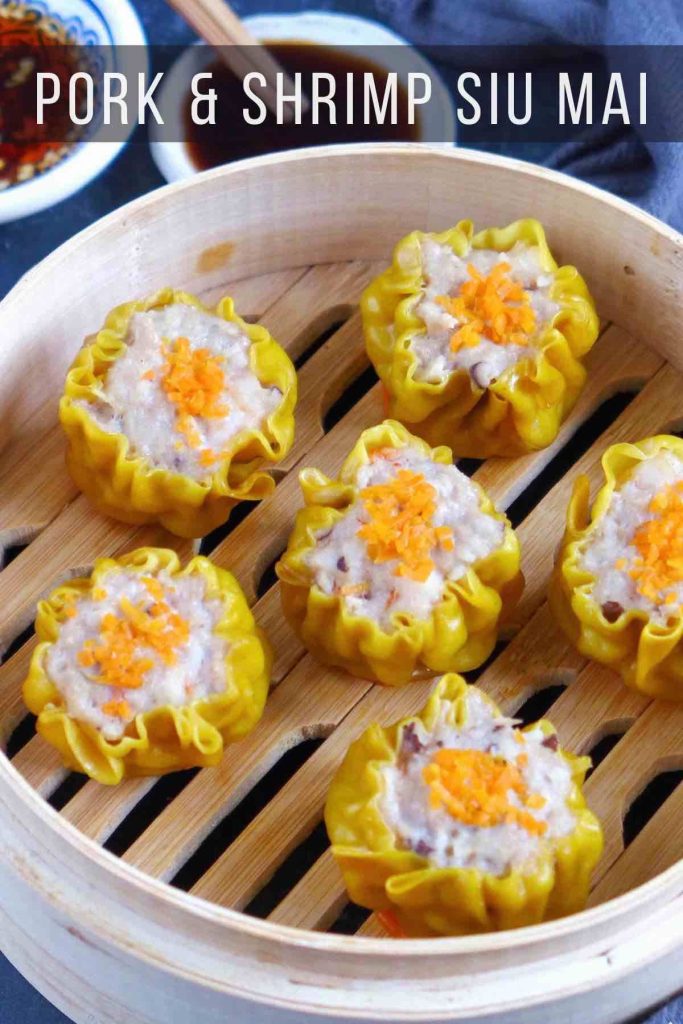
Shaping the Siu Mai is perhaps the most iconic part of the process. Take a wrapper and place a spoonful of the filling in the center. Gently gather the edges of the wrapper upwards around the filling, creating pleats as you go. You want to leave the top of the filling exposed, showcasing the vibrant colors of the pork and shrimp. Pinch the pleats firmly to seal the dumpling. The classic Siu Mai shape resembles a small, golden cup.
A common technique to achieve the characteristic golden-brown color and slightly firm texture of the wrapper is to lightly brush the shaped Siu Mai with a mixture of egg yolk and water. This not only adds color but also helps to seal any small openings. Some chefs also add a tiny piece of carrot or a goji berry to the top of each Siu Mai as a decorative garnish, adding a pop of color and a subtle sweetness.
Steaming is the traditional and preferred cooking method for Siu Mai. It gently cooks the filling, preserving its moisture and delicate flavors, while also softening the wrapper to a tender, slightly chewy consistency. You’ll need a steamer basket, either bamboo or metal, that fits over a pot or wok filled with simmering water. Ensure the water level is high enough to steam for the entire cooking time without boiling dry.
Arrange the shaped Siu Mai in the steamer basket, leaving a little space between each dumpling to prevent them from sticking together. It’s often recommended to line the steamer basket with parchment paper or cabbage leaves to further prevent sticking and to absorb any excess moisture. This also imparts a subtle, fresh flavor to the dumplings.
Steam the Siu Mai over medium-high heat for about 10-15 minutes, or until the wrappers are translucent and slightly puffed, and the filling is cooked through. The exact steaming time will depend on the size of your Siu Mai and the efficiency of your steamer. You can check for doneness by carefully removing one Siu Mai and cutting it open to ensure the filling is no longer pink and the shrimp are opaque.
While steaming is traditional, some adventurous cooks might consider alternative methods, though these are less common for authentic Siu Mai. Pan-frying could result in a crispy bottom, but it would fundamentally change the texture and character of the dumpling. Boiling is also not ideal, as it can make the wrappers soggy and dilute the flavors.
Serving Siu Mai hot is essential for the best experience. They are typically served with a dipping sauce. A classic dim sum dipping sauce often includes black vinegar (Chinkiang vinegar), soy sauce, and a touch of chili oil or fresh chili for a bit of heat. Some people also enjoy a side of chili garlic sauce or a simple mix of soy sauce and sesame oil.
The versatility of Siu Mai extends beyond just the classic pork and shrimp combination. You can experiment with other seafood, such as crab meat or scallops, or even create vegetarian versions using mushrooms and water chestnuts. However, the pork and shrimp blend remains the most iconic and beloved for a reason – it offers a perfect harmony of flavors and textures.
For those with dietary restrictions, adapting the recipe is possible. For a gluten-free version, you would need to source gluten-free wrappers or make your own using alternative flours. For a pescatarian option, simply omit the pork and increase the amount of shrimp or add other seafood like crab or scallops. Ensuring all seasonings are also gluten-free or suitable for your dietary needs is important.
Making Siu Mai can be a wonderful activity to do with family or friends. The process of shaping the dumplings, in particular, can be a fun and interactive experience. Prepare all your ingredients beforehand, set up an assembly line, and enjoy the process of creating these delicious morsels together.
Storage of uncooked Siu Mai is also important if you plan to make a large batch. Once shaped, they can be placed on a tray lined with parchment paper and frozen until solid. After freezing, transfer them to an airtight container or freezer bag. Frozen Siu Mai can be steamed directly from frozen, adding a few extra minutes to the cooking time.
Cooked Siu Mai can also be stored. Allow them to cool completely, then store them in an airtight container in the refrigerator for up to 2-3 days. Reheat them by steaming or in a microwave until heated through. While they are best enjoyed fresh, leftovers can still be quite satisfying.
The art of making Siu Mai is a journey. Don’t be discouraged if your first attempts aren’t perfect. With practice, you’ll develop a feel for the dough, the filling consistency, and the shaping technique. Each batch will bring you closer to mastering this dim sum classic.
Consider the quality of your ingredients. Fresh, high-quality pork and shrimp will make a significant difference in the final taste. Don’t skimp on the aromatics like ginger and scallions; they are essential for a balanced flavor profile.
When mixing the filling, the ‘velveting’ technique is key. Mixing in one direction until sticky ensures a tender and cohesive filling that won’t fall apart during steaming.
For shaping, a gentle but firm hand is needed. You want to enclose the filling without tearing the wrapper, leaving the top open to reveal the delicious ingredients within.
Steaming is the best method for Siu Mai. Ensure your steamer is hot and that the dumplings have enough space to steam evenly. Overcrowding will lead to uneven cooking and sticking.
Experiment with your seasonings. While the classic blend is excellent, feel free to adjust the ratios or add a pinch of your favorite spice to create your own signature Siu Mai.
Presentation matters. Serving your homemade Siu Mai with a flavorful dipping sauce and perhaps a garnish elevates the entire dining experience. It shows the care and effort you’ve put into your dish.
Understanding the nuances of each step – from ingredient selection and preparation to shaping and steaming – is what separates good Siu Mai from truly exceptional Siu Mai. It’s a craft that rewards patience and attention to detail.
The aroma that fills your kitchen as the Siu Mai steams is truly intoxicating. It’s a scent that promises a delicious and authentic dim sum experience, right in your own home.
Siu Mai is more than just a dumpling; it’s a cultural icon. By learning to make it, you’re not just acquiring a recipe, but also connecting with a rich culinary tradition. Enjoy the process and the delightful results!
The joy of dim sum lies in its communal nature. Sharing homemade Siu Mai with loved ones transforms a simple meal into a memorable occasion, filled with conversation and shared culinary appreciation.
The subtle sweetness of the shrimp, the savory depth of the pork, the fragrant notes of ginger and scallion, all encased in a tender wrapper – this is the magic of Siu Mai. It’s a testament to how simple ingredients, prepared with care, can create something extraordinary.
Finally, remember that the kitchen is a place for creativity and enjoyment. While this guide provides a solid foundation, don’t hesitate to adapt and innovate. Happy cooking, and may your Siu Mai be ever so delicious!