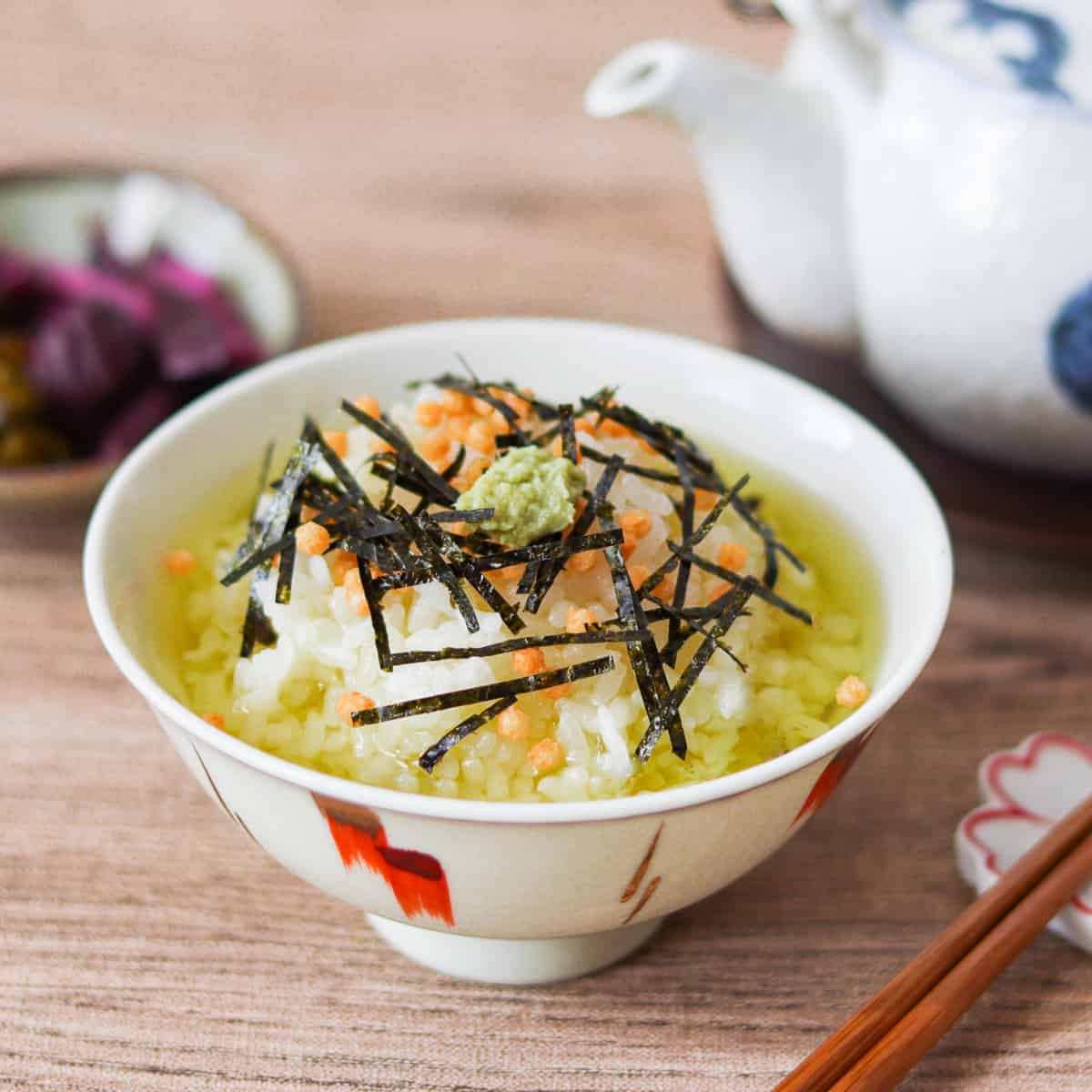

Ochazuke has a rich history, believed to have originated as a quick meal, often utilizing leftover rice and tea. It embodies the Japanese principle of mottainai, or avoiding waste, while simultaneously providing a warm, nourishing, and easily digestible meal. Over centuries, it evolved from a simple peasant dish to a sophisticated offering found in high-end restaurants, demonstrating its enduring appeal and versatility.
The allure of Seafood Ochazuke lies in its elegant simplicity and the delightful interplay of textures and flavors. Imagine perfectly cooked rice, a medley of fresh, succulent seafood, and a fragrant, umami-rich green tea broth, all harmoniously coming together in a single bowl. It’s a dish that warms the soul, invigorates the palate, and offers a refreshing alternative to heavier meals.
This comprehensive guide aims to demystify the process of crafting an exquisite Seafood Ochazuke. We will delve into every critical component, from selecting the finest ingredients to mastering the preparation techniques, ensuring that you can recreate this authentic Japanese comfort food in your own kitchen with confidence and flair.
At its heart, Ochazuke is a celebration of its core components: the rice, the broth, and the toppings. Each element plays a crucial role in defining the dish’s character. For Seafood Ochazuke, the quality and preparation of the seafood are paramount, transforming a simple tea-rice dish into a gourmet experience.
Let’s begin with the foundation: the rice. The choice of rice significantly impacts the overall texture and mouthfeel of your Ochazuke. Japanese short-grain rice, often labeled as sushi rice, is ideal due to its sticky yet distinct grain structure. It absorbs the broth beautifully without becoming overly mushy. While freshly cooked rice is always a delight, Ochazuke is also a fantastic way to utilize leftover rice from the previous day, which often has a slightly firmer texture that holds up well to the hot liquid.
When preparing your rice, aim for a slightly firmer consistency than you might for regular consumption. This ensures that the individual grains retain their integrity when the hot broth is poured over them. Avoid overcooking, as mushy rice can detract from the dish’s delicate balance. Once cooked, gently fluff the rice and allow it to cool slightly before assembling your Ochazuke.
Next, we turn our attention to the broth, which is arguably the soul of Ochazuke. Traditionally, green tea is used, lending its characteristic aroma and subtle bitterness. However, many variations incorporate dashi (Japanese soup stock) for an added layer of umami. A combination of both is often the most rewarding.
For the green tea component, consider varieties like Sencha for its fresh, grassy notes, Hojicha for its roasted, nutty aroma, or Genmaicha, which includes toasted rice kernels, offering a unique savory depth. Brew the tea slightly stronger than usual, but avoid over-steeping, which can lead to excessive bitterness. The ideal temperature for brewing green tea is typically around 80-85°C (175-185°F) to extract its best flavors without scorching.
Dashi, the quintessential Japanese stock, provides a profound savory base. You can make dashi from scratch using kombu (dried kelp) and katsuobushi (dried bonito flakes) for an authentic flavor. Alternatively, high-quality instant dashi granules are a convenient option for busy cooks. For Seafood Ochazuke, a light dashi is preferred, allowing the delicate flavors of the seafood to shine through without being overwhelmed.
- Salmon: Thinly sliced sashimi-grade salmon, or lightly grilled/broiled salmon flakes.
- Tuna: Lean, firm sashimi-grade tuna, often marinated briefly in soy sauce.
- Sea Bream (Tai): A classic choice for its delicate flavor and firm texture.
- Scallops: Seared quickly to retain their sweetness and tender texture.
- Shrimp: Poached or lightly grilled, adding a pleasant sweetness and snap.
- Ikura (Salmon Roe): Provides bursts of briny flavor and a luxurious texture.
- Uni (Sea Urchin): For a truly decadent and intensely savory experience.
Preparation of the seafood can vary. For sashimi-grade fish, simply slice it thinly. For cooked seafood, consider light grilling, pan-searing, or poaching to maintain its natural succulence. A light marinade of soy sauce, mirin, and a touch of sake can enhance the flavor profile of the seafood without overpowering it.
- Nori: Shredded or crumbled dried seaweed, offering a subtle oceanic flavor and crisp texture.
- Arare: Tiny, crunchy rice crackers that provide a delightful textural contrast.
- Wasabi: A small dollop of fresh wasabi paste adds a pungent kick that cleanses the palate.
- Umeboshi: Pickled plum, with its distinctive sour and salty notes, offers a refreshing counterpoint.
- Mitsuba or Scallions: Fresh herbs for a vibrant, aromatic finish.
- Toasted Sesame Seeds: For a nutty aroma and subtle crunch.
- Furikake: Japanese rice seasoning, often containing seaweed, sesame seeds, and dried fish flakes, can add an instant boost of umami.
Now, let’s bring it all together with a step-by-step guide to assembling your perfect Seafood Ochazuke. The beauty of this dish lies in its quick assembly, making it ideal for a light lunch or a comforting dinner.
Step 1: Prepare the Rice. Cook your Japanese short-grain rice to a slightly firm consistency. If using leftover rice, gently warm it in a microwave or steamer.
Step 2: Prepare the Seafood. Slice sashimi-grade fish thinly. If cooking, prepare your chosen seafood (e.g., grill salmon, sear scallops) and flake or slice as desired. For raw seafood, you might consider a brief marinade (5-10 minutes) in a mixture of 1 tbsp soy sauce, 1 tsp mirin, and a dash of sake.
Step 3: Brew the Broth. Prepare your green tea (Sencha, Hojicha, or Genmaicha) as described earlier. If using dashi, prepare it separately. For a combined broth, mix your brewed tea with warm dashi in a 1:1 or 2:1 tea-to-dashi ratio, adjusting to your preference.
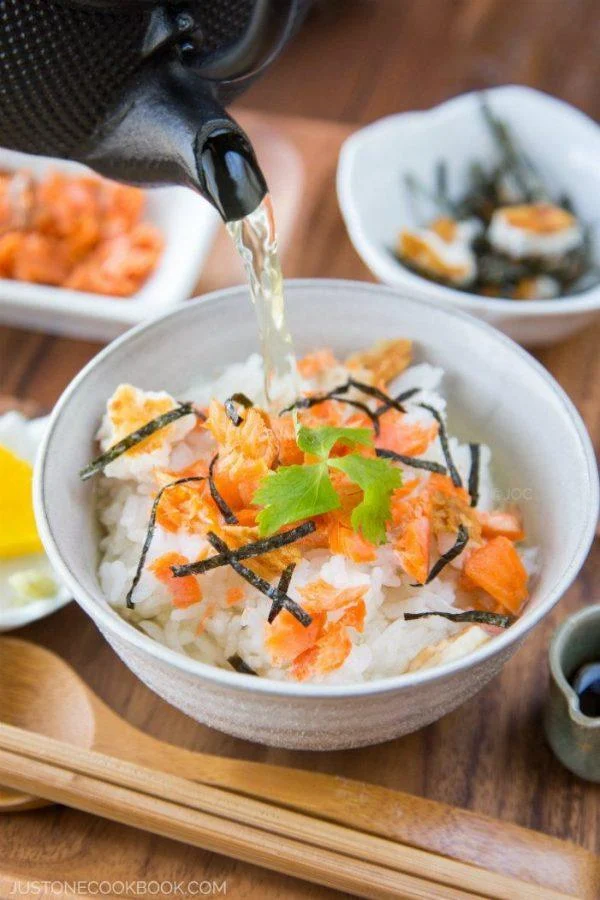
Step 4: Assemble the Bowl. Place a generous portion of warm rice into a deep serving bowl. Arrange your prepared seafood artfully over the rice. Add your desired toppings around the seafood and rice – a sprinkle of nori, a few arare crackers, a small dab of wasabi, finely chopped scallions, and perhaps a piece of umeboshi.
Step 5: Pour and Serve. Gently pour the hot tea or tea-dashi broth over the rice and toppings. The heat of the liquid will lightly cook any raw seafood, releasing its delicate flavors and aromas. Serve immediately, allowing the steam to rise and invite you into this comforting culinary experience.
For those looking to elevate their Ochazuke experience, consider these advanced tips and variations. Temperature control is crucial; ensure your broth is piping hot to warm the rice and seafood effectively without overcooking delicate proteins. Balancing flavors is also key; the subtle bitterness of green tea should complement, not overpower, the sweetness of the seafood and the umami of the dashi.
Presentation plays a role in enhancing enjoyment. A beautifully arranged bowl with vibrant colors from the seafood and toppings makes the dish even more appealing. Don’t be afraid to experiment with seasonal variations, incorporating different types of fish or local ingredients that are at their peak freshness. For instance, in spring, fresh snapper might be delightful, while in autumn, richer fish like mackerel could be a flavorful choice.
Consider fusion ideas if you’re feeling adventurous. While traditional Ochazuke is sublime, a hint of sesame oil, a sprinkle of toasted garlic chips, or even a touch of chili flakes could introduce an interesting twist, though always with a light hand to preserve the dish’s inherent elegance.
Seafood Ochazuke is not just delicious; it also offers several health benefits. It’s typically a light meal, rich in lean protein from the seafood and antioxidants from the green tea. It’s hydrating, easily digestible, and can be a wonderful option for a gentle meal when you’re feeling under the weather or simply seeking something wholesome and restorative.
To ensure a consistently excellent Ochazuke, be mindful of common mistakes. One frequent error is overcooking the seafood, especially if you’re adding it raw to the hot broth. The residual heat is usually sufficient for a gentle ‘cooking’ without making it tough. Another mistake is using too much broth, which can make the dish soupy rather than a harmonious blend of rice and liquid. Ensure your broth is flavorful but not overly seasoned; the delicate balance is what makes Ochazuke special.
Avoid using stale or improperly stored rice, as it can impart an off-flavor. Similarly, ensure your green tea is fresh and brewed correctly to prevent bitterness. The quality of each ingredient directly translates to the quality of your final dish.
When it comes to pairing suggestions, a simple glass of water or unsweetened green tea (perhaps a different variety than used in the Ochazuke) is often the best accompaniment. The subtle flavors of Ochazuke are easily overwhelmed by strong drinks. If you prefer an alcoholic beverage, a very dry sake or a light, crisp white wine could complement the seafood without competing with the dish’s delicate profile.
Seafood Ochazuke is more than just a meal; it’s an experience. It’s a testament to the beauty of simplicity, the power of fresh ingredients, and the comforting embrace of a warm, fragrant bowl. Whether you’re a seasoned chef or a curious home cook, mastering this dish offers a rewarding journey into the heart of Japanese culinary tradition.
By following these tips and embracing the spirit of experimentation, you’ll be well on your way to crafting your own signature Seafood Ochazuke. Enjoy the process, savor the flavors, and share this delightful comfort food with those you cherish. It’s a dish that truly nourishes both body and soul.