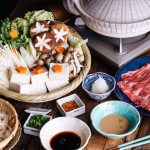
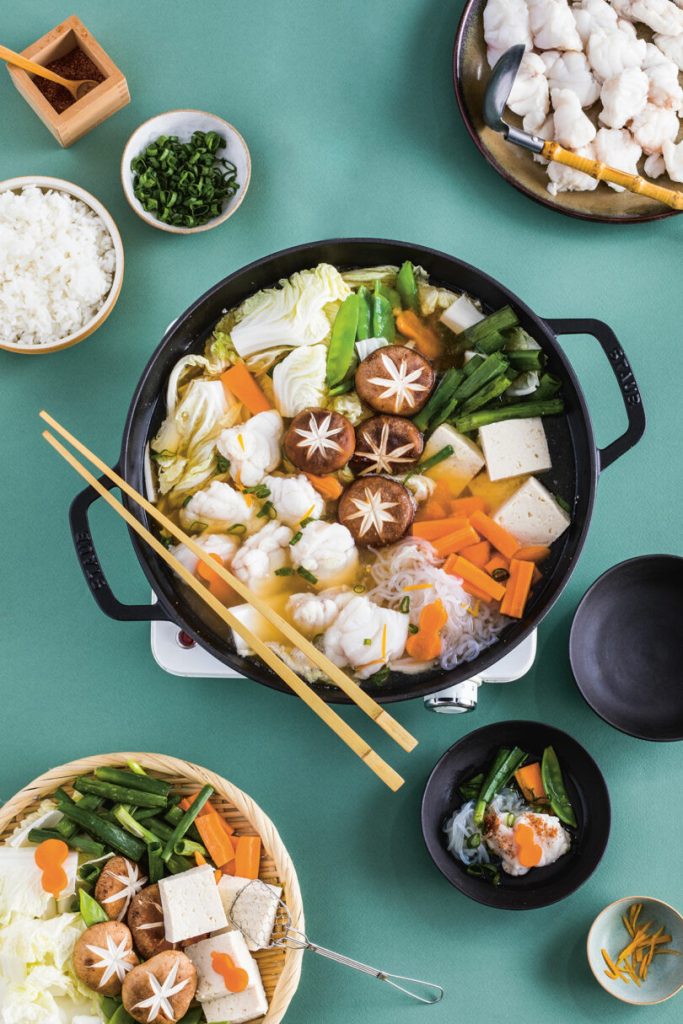

Among the myriad variations of Nabe, Seafood Nabe stands out as a particularly exquisite choice. Known as Kaisen Nabe in Japanese, it celebrates the bountiful treasures of the ocean, combining an assortment of fresh fish and shellfish with crisp vegetables and a flavorful broth. The beauty of Seafood Nabe lies in its versatility and the delicate balance of flavors, where each ingredient contributes to a harmonious symphony of taste.
The origins of Nabe can be traced back centuries in Japan, evolving from humble cooking methods used by farmers and fishermen. Historically, a single pot over an open fire was a practical way to prepare meals, especially during winter. Over time, this necessity transformed into a beloved culinary art form, with regional variations and specialized ingredients emerging across the Japanese archipelago.
Culturally, Nabe holds a significant place in Japanese households. It’s often associated with family gatherings, celebrations, and providing comfort during the chillier seasons. The act of cooking and eating from the same pot symbolizes unity and connection, making it an ideal centerpiece for social interactions. The gentle bubbling sound and the fragrant steam rising from the pot create an inviting and cozy atmosphere.
At the heart of any great Nabe is its broth, or dashi. This fundamental element dictates the overall flavor profile of the dish. While many Nabe variations exist, from robust Miso Nabe to light and clear Shoyu Nabe, Seafood Nabe typically benefits from a delicate broth that enhances, rather than overwhelms, the subtle flavors of the seafood.
The most common and arguably best base for Seafood Nabe is Kombu Dashi. This simple yet profound broth is made by simmering dried kelp (kombu) in water, extracting its rich umami. For a deeper flavor, you might incorporate katsuobushi (dried bonito flakes) to create Awase Dashi, offering a more complex and savory foundation that still allows the seafood to shine.
Beyond the basic dashi, other broth variations can be explored. A light soy sauce (shoyu) based broth with a hint of mirin and sake adds depth without heaviness. For those who enjoy a richer taste, a touch of miso paste can be dissolved into the dashi, creating a Miso Nabe broth that pairs wonderfully with robust fish like salmon or cod. The key is to keep it balanced to avoid overshadowing the delicate seafood.
Now, let’s talk about the stars of the show: the seafood. The selection of seafood is paramount to a successful Nabe. Aim for a variety of textures and flavors. Freshness is non-negotiable; visit a reputable fishmonger or an Asian market known for its quality seafood. The best choices are those that cook relatively quickly and absorb the broth’s flavors beautifully.
Excellent seafood choices for Nabe include:
- Shrimp: Large, succulent shrimp add sweetness and a satisfying bite.
- Scallops: Sweet and tender, they cook quickly and melt in your mouth.
- Cod or Snapper: Flaky white fish fillets hold their shape well and absorb broth flavors beautifully.
- Salmon: Rich in flavor and omega-3s, salmon adds a distinct taste and vibrant color.
- Clams and Mussels: These shellfish open up as they cook, releasing their briny liquor into the broth, intensifying its flavor.
- Squid or Calamari: Sliced into rings, they offer a chewy texture and mild flavor.
- Crab Legs: A luxurious addition, crab legs impart a sweet, oceanic essence.
Ensure all seafood is properly cleaned and prepped before cooking.
Accompanying the seafood are an array of fresh vegetables, chosen for their ability to complement the broth and seafood, as well as their textural contributions. They add essential nutrients, fiber, and visual appeal to the pot. Napa cabbage is a quintessential Nabe ingredient, softening beautifully and soaking up the broth.
Other popular vegetable additions include:
- Shiitake Mushrooms: Their earthy, umami-rich flavor is a perfect match for seafood.
- Enoki Mushrooms: Delicate and stringy, they add a unique texture.
- Tofu: Firm or silken tofu cubes absorb the broth wonderfully and provide a soft contrast.
- Leeks or Green Onions: Offer a mild oniony sweetness.
- Carrots: Sliced thinly or cut into decorative shapes, they add sweetness and color.
- Daikon Radish: Adds a subtle peppery bite and softens beautifully.
- Spinach or Chrysanthemum Greens (Shungiku): Quick-cooking greens that add freshness and a slight bitterness.
Beyond vegetables, other popular additions can elevate your Nabe. Aburaage (fried tofu pouches) or Atsuage (thick fried tofu) can be delightful, as they become sponges for the flavorful broth. For a more substantial meal, consider adding udon or ramen noodles towards the end, allowing them to cook directly in the simmering broth, soaking up all the rich flavors.
No Nabe experience is complete without dipping sauces, which allow each diner to customize their bite. The most common is Ponzu, a tangy soy sauce-based dressing with citrus notes (yuzu or lemon). Another popular option is Goma Dare, a rich and creamy sesame sauce. For those who enjoy a kick, a touch of yuzu kosho (a spicy citrus paste) can be added to the dipping sauce or directly to the broth.
To fully enjoy the Nabe experience, a few essential pieces of equipment are recommended. A traditional Japanese Donabe (earthenware pot) is ideal, known for its ability to retain heat evenly and beautifully. Alternatively, any heavy-bottomed pot or Dutch oven will suffice. A portable induction or gas burner is crucial for cooking at the table, allowing everyone to participate in the cooking process. Long chopsticks or serving tongs and individual bowls are also necessary.
The Ultimate Seafood Nabe Recipe: Ingredients – Broth Base
- 10 cm piece of kombu (dried kelp)
- 6 cups water
- 1/2 cup katsuobushi (dried bonito flakes, optional for Awase Dashi)
- 2-3 tbsp sake (Japanese rice wine)
- 2 tbsp mirin (sweet rice wine)
- 2-3 tbsp light soy sauce (usukuchi shoyu)
- Pinch of salt to taste
The Ultimate Seafood Nabe Recipe: Ingredients – Seafood
- 200g cod or snapper fillets, cut into large pieces
- 12-16 large shrimp, peeled and deveined (tails on or off)
- 8-10 large scallops
- 12-16 clams or mussels, scrubbed clean
- 150g salmon fillet, cut into large pieces
- (Optional) 100g squid/calamari, cleaned and sliced into rings
The Ultimate Seafood Nabe Recipe: Ingredients – Vegetables & Others
- 1/2 head Napa cabbage, cut into 5cm pieces
- 1 block firm or silken tofu, cut into 2cm cubes
- 1 package shiitake mushrooms, stems removed, scored tops
- 1 package enoki mushrooms, roots trimmed, separated
- 1 leek, white and light green parts, sliced diagonally
- 1 carrot, thinly sliced or julienned
- 1/2 daikon radish, peeled and thinly sliced
- 1 bunch spinach or chrysanthemum greens (shungiku)
- (Optional) Udon or ramen noodles for the ‘Shime’
- (Optional) Dipping sauces: Ponzu, Goma Dare
Step-by-Step Instructions: Preparing the Dashi
Begin by preparing your dashi. In your Nabe pot, combine the kombu and water. Let it soak for at least 30 minutes, or ideally, several hours in the refrigerator. Slowly heat the pot over medium-low heat. Just before it reaches a boil, remove the kombu. If using katsuobushi, add it once the kombu is removed, bring to a gentle simmer for 30 seconds, then turn off the heat and let it steep for a few minutes. Strain the dashi through a fine-mesh sieve, discarding the katsuobushi.
Step-by-Step Instructions: Prepping Seafood and Vegetables
While the dashi is preparing, clean and prepare all your seafood and vegetables. Cut the fish fillets and salmon into bite-sized pieces. Ensure shrimp are peeled and deveined. Scrub clams and mussels thoroughly. Arrange all the prepped ingredients artfully on a large platter, making them easy to pick up and add to the pot.
Step-by-Step Instructions: Assembling the Nabe Pot
Return the strained dashi to the Nabe pot. Add sake, mirin, and light soy sauce, and a pinch of salt. Taste and adjust seasonings. Arrange the hardier vegetables, such as Napa cabbage, leeks, carrots, and daikon, along the bottom and sides of the pot. Leave the center open for quick-cooking ingredients. Place the tofu cubes strategically.
Step-by-Step Instructions: The Cooking Process
Place the Nabe pot on your portable burner at the table. Bring the broth to a gentle simmer. Begin adding the seafood that requires slightly more cooking time, such as cod or salmon. Once these are partially cooked, add shrimp, scallops, clams, and mussels. Add the quicker-cooking vegetables like shiitake and enoki mushrooms, and finally, the spinach or chrysanthemum greens. Cook in batches if necessary to avoid overcrowding.
Step-by-Step Instructions: Serving Your Nabe
As items cook, diners use long chopsticks to retrieve cooked ingredients from the pot and place them into their individual bowls. Dip the cooked ingredients into your preferred dipping sauce (Ponzu or Goma Dare). Enjoy the leisurely pace of cooking and eating, adding more ingredients to the pot as needed. The beauty of Nabe is its interactive, continuous nature.
Tips for Success: Ingredient Freshness
The cornerstone of an exceptional Seafood Nabe is undeniably the freshness of its ingredients. Since the cooking process is gentle and the flavors are delicate, any compromise on freshness will be immediately noticeable. Invest in high-quality, sustainably sourced seafood and vibrant, crisp vegetables. This attention to detail will elevate your Nabe from good to truly unforgettable.
Tips for Success: Layering and Arrangement
While Nabe is a communal dish, the initial arrangement of ingredients in the pot is an art form. Start with heartier vegetables at the bottom, which require more cooking time and can withstand direct heat. Layer more delicate items on top, ensuring they are easily accessible and cook evenly. An aesthetically pleasing arrangement also enhances the dining experience.
Tips for Success: Broth Depth and Flavor
The broth is the soul of your Nabe. Take your time preparing a proper dashi. Avoid over-seasoning the initial broth, as the seafood and vegetables will release their own flavors and moisture, enriching the broth further. Taste and adjust seasonings periodically throughout the meal, adding a splash more sake or soy sauce if needed.
Tips for Success: Don’t Overcrowd and Timing
Resist the urge to dump all ingredients into the pot at once. Overcrowding can lower the broth’s temperature, leading to uneven cooking and potentially tough seafood. Cook in small batches, adding ingredients as they are consumed. Pay close attention to cooking times; seafood cooks quickly, and overcooking can lead to rubbery textures.
Tips for Success: Adjusting Flavors
Encourage diners to customize their experience. Provide a variety of dipping sauces and condiments like grated ginger, chili flakes, or a squeeze of fresh lime. This allows each person to tailor the flavors to their palate, making the meal more interactive and enjoyable for everyone at the table.
Variations and Customizations: Exploring Different Broths
While a light dashi is classic, don’t hesitate to experiment with your broth. For a richer flavor, consider a Miso-based broth by dissolving white or red miso paste into your dashi. A Kimchi Nabe broth, infused with spicy fermented cabbage, adds a Korean twist and a fiery kick. For a truly luxurious experience, a milky soy milk (tonyu) dashi offers a creamy, comforting texture that pairs beautifully with delicate seafood.
Variations and Customizations: Seafood Combinations and Add-ins
The beauty of Nabe lies in its adaptability. Don’t feel limited to the classic choices. Experiment with local, seasonal seafood. Try incorporating delicate white fish like halibut or snapper, or adding different types of mushrooms like king oyster or shimeji. Thinly sliced pork belly can also be a delicious addition, adding richness and depth to the broth that complements the seafood without overpowering it.
The ‘Shime’ – The Grand Finale: What it is
One of the most anticipated parts of the Nabe experience is the ‘Shime’ (pronounced shee-meh), the final course. After all the main ingredients have been cooked and enjoyed, the broth, now intensely flavorful from all the seafood and vegetables, becomes the star. It’s too delicious to waste, and traditionally, it’s transformed into a comforting finale.
The ‘Shime’ – The Grand Finale: Preparing Shime
To prepare the ‘Shime’, add cooked rice to the remaining broth, simmering it gently to create a rich, savory porridge known as Zosui. You can whisk in an egg, drizzle with sesame oil, and garnish with chopped green onions or nori for extra flavor. Alternatively, udon or ramen noodles can be added to cook directly in the broth, soaking up every last drop of the concentrated flavors, offering a satisfying end to the meal.
Beyond its delicious taste, Seafood Nabe offers numerous health benefits. It’s typically a low-fat meal, especially when made with a clear dashi broth. The abundance of fresh seafood provides essential proteins, omega-3 fatty acids, and various vitamins and minerals. The generous serving of vegetables ensures a good intake of fiber, vitamins, and antioxidants. It’s a hydrating and warming meal, perfect for nourishing the body.
Pairing your Seafood Nabe with the right beverages can enhance the dining experience. Traditional Japanese sake, particularly a dry Junmai or Ginjo, complements the delicate flavors of the seafood beautifully. Japanese beer, such as Sapporo or Asahi, provides a refreshing contrast. For non-alcoholic options, chilled green tea or even sparkling water with a slice of yuzu can be excellent choices.
Hosting a Nabe party is a wonderful way to share this culinary tradition with friends and family. Set up your dining table with the portable burner, the Nabe pot, individual bowls, chopsticks, and a variety of dipping sauces. Arrange the platter of raw ingredients attractively, making it easy for guests to choose what they want to cook. Explain the process to newcomers, encouraging them to participate.
When dining in a Nabe setting, a few etiquette points are generally observed. Use communal chopsticks or serving tongs to retrieve items from the main pot, not your personal chopsticks, for hygiene. Avoid stirring the pot excessively. Be mindful of cooking times, especially for delicate seafood, and allow everyone to enjoy the cooking process at a relaxed pace.
While Nabe is forgiving, a few common mistakes can detract from the experience. Overcooking the seafood is perhaps the most common; keep an eye on the clock and retrieve items as soon as they are done. Adding too much broth initially can dilute flavors. Not having enough variety of ingredients can make the meal less exciting. Strive for balance in flavors and textures.
Sourcing high-quality ingredients is crucial. For seafood, seek out reputable fish markets or the seafood counter at well-stocked Asian grocery stores. For Japanese specific ingredients like kombu, katsuobushi, sake, mirin, and specialized dipping sauces, an Asian supermarket will be your best resource. Don’t hesitate to ask your fishmonger for recommendations on the freshest catches.
If you have any leftover broth, it can be stored in an airtight container in the refrigerator for up to 2-3 days. It makes an excellent base for future soups or even a quick noodle dish. Cooked seafood and vegetables, if stored separately, can be enjoyed the next day, though Nabe is truly best savored fresh from the pot.
Seafood Nabe is more than just a recipe; it’s an experience—a delightful journey into Japanese culinary culture that emphasizes freshness, balance, and the joy of shared moments. By following this comprehensive guide, you are well-equipped to create a memorable and authentic Seafood Nabe that will warm hearts and satisfy palates. Embrace the gentle art of Japanese hot pot and savor every simmering moment.