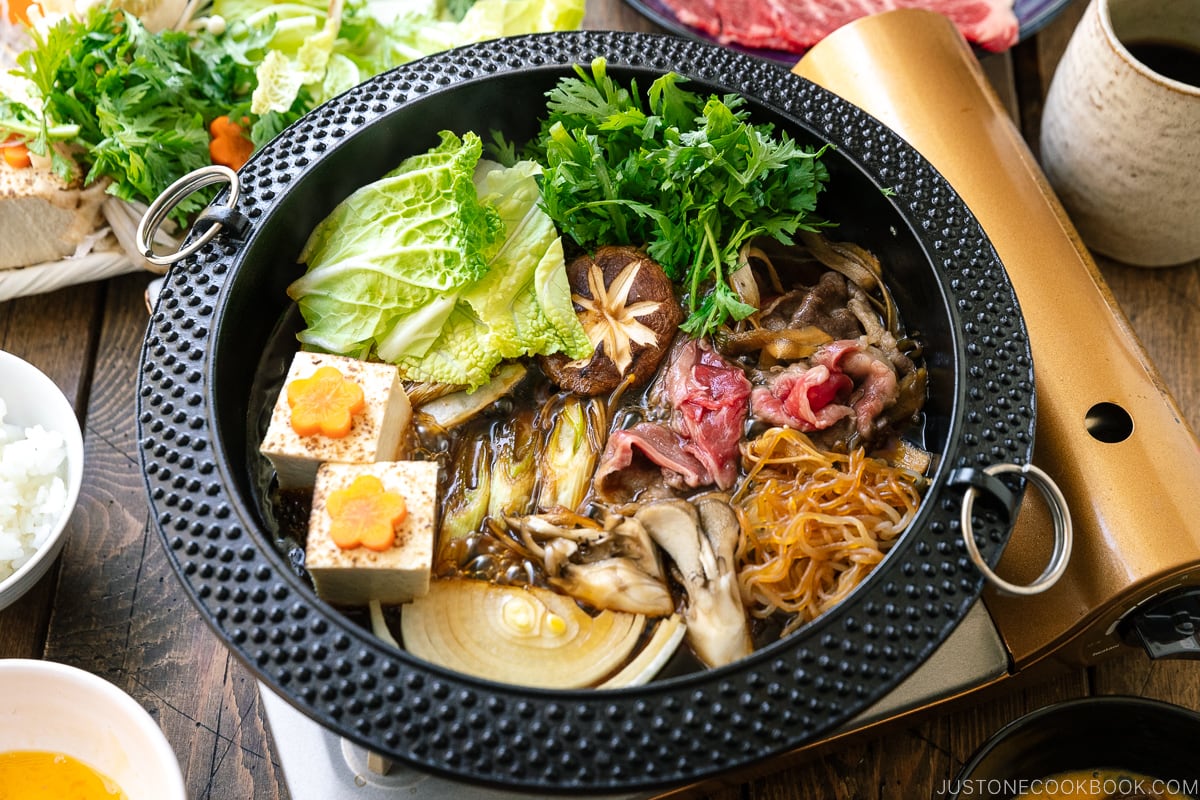
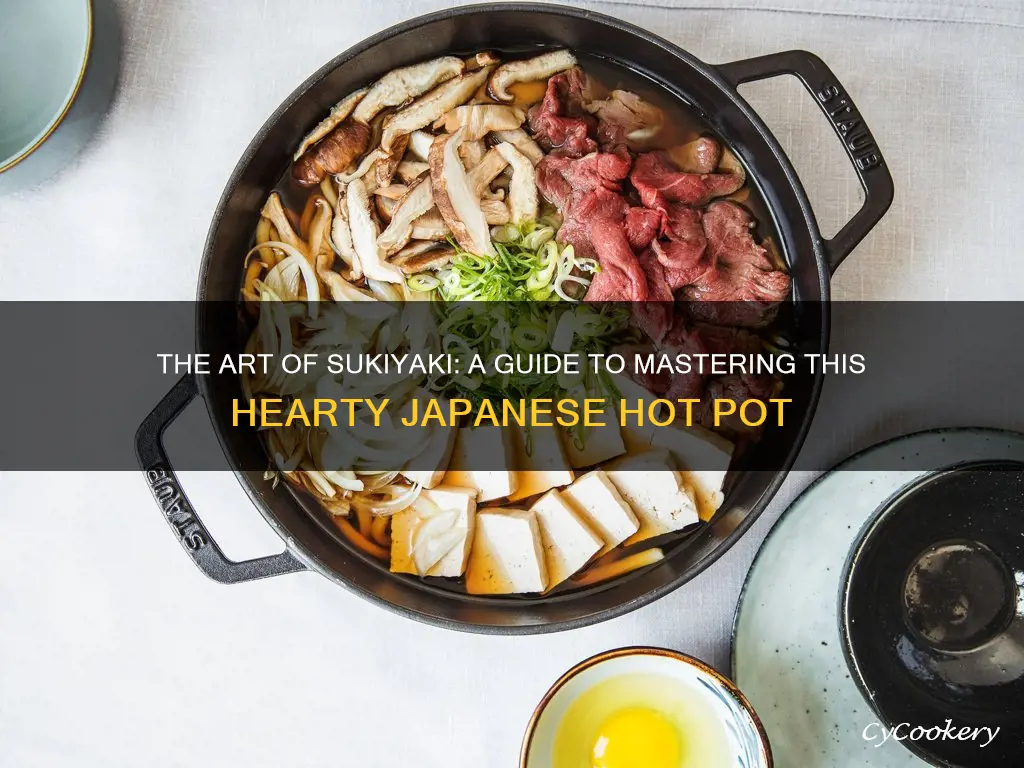

At its heart, Sukiyaki is a Japanese dish prepared and served in a shallow iron pot at the dining table. It typically involves thinly sliced beef, vegetables, and other ingredients simmered in a soy sauce-based broth. The addition of seafood, however, introduces a fascinating dynamic. It transforms a classic into a more opulent and complex meal, perfect for special occasions or simply a lavish family dinner where variety is key.
The beauty of a seafood and meat sukiyaki lies in its versatility and the interactive nature of its preparation. Guests participate in the cooking process, selecting their preferred ingredients and dipping them into the bubbling broth. This not only makes for an engaging meal but also ensures every bite is fresh and cooked to individual preference. Our guide will provide you with all the essential tips and insights to create a truly memorable hot pot experience.
Why combine seafood and meat in one hot pot? Beyond simply offering more options, the combination creates a unique depth of flavor. Meat, particularly beef, contributes a robust, savory umami that enriches the broth. Seafood, on the other hand, releases delicate, sweet, and briny notes, adding a layer of freshness and complexity. Together, they create a harmonious balance that is both comforting and exciting, preventing any single flavor from becoming overwhelming.
From a nutritional standpoint, this pairing offers a wider range of essential nutrients. Lean meats provide iron and protein, while various seafood options contribute omega-3 fatty acids, iodine, and other crucial vitamins and minerals. When combined with a generous assortment of fresh vegetables, a seafood and meat sukiyaki becomes a remarkably balanced and wholesome meal.
To truly master the art of seafood and meat sukiyaki, it’s crucial to understand its core components. These elements work in concert to build the dish’s distinctive flavor profile and texture. They include the broth, the proteins, the vegetables, the noodles or starches, and the accompanying dipping sauces. Each plays an indispensable role in the overall experience.
The broth is the soul of any hot pot. For sukiyaki, it’s typically a savory-sweet blend known as warishita, made from soy sauce, mirin, sake, and sugar, often diluted with dashi. This base is robust enough to complement both meat and seafood without overpowering their natural flavors. A well-balanced broth will enhance every ingredient it simmers.
Regarding proteins, variety is key. For meat, thinly sliced beef (such as ribeye or sirloin) is traditional, but pork belly or chicken thigh can also be excellent additions. For seafood, options range from succulent shrimp and scallops to delicate fish fillets, mussels, and squid. The quality and freshness of these proteins directly impact the final taste.
Vegetables add essential freshness, crunch, and nutritional value. Classic choices include napa cabbage, shiitake and enoki mushrooms, firm tofu, scallions, and various leafy greens like spinach or chrysanthemum leaves. These vegetables absorb the rich flavors of the broth, becoming incredibly delicious in their own right.
Noodles or starches provide substance and are often enjoyed towards the end of the meal, soaking up all the accumulated flavors of the broth. Udon noodles, shirataki noodles (konjac noodles), or even glass noodles are popular choices. Steamed rice is also a common accompaniment, perfect for soaking up the savory broth.
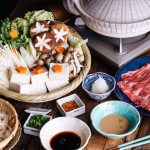
Finally, dipping sauces offer an extra layer of flavor and personalization. The most traditional sukiyaki dipping sauce is a raw egg yolk, which adds a creamy richness. Other popular options include ponzu (a citrusy soy sauce), goma dare (sesame sauce), or a spicy chili garlic sauce. These sauces allow diners to customize each bite.
Before diving into the cooking process, ensure you have the right equipment. A dedicated hot pot burner (electric or portable gas) and a shallow, wide hot pot (cast iron or ceramic) are essential. Individual serving bowls, chopsticks, and slotted ladles for retrieving ingredients will also be necessary. Proper mise en place – having all ingredients prepped and arranged – is paramount for a smooth and enjoyable dining experience.
- Shrimp: Opt for fresh, large shrimp, peeled and deveined. Their natural sweetness and firm texture are perfect for hot pot.
- Scallops: Large sea scallops, quickly cooked, offer a tender, buttery texture.
- Fish Fillets: Firm white fish like cod, snapper, or halibut, cut into bite-sized pieces, hold up well in the broth. Salmon also works beautifully, adding richness.
- Squid/Calamari: Sliced into rings or scored, squid adds a unique chewiness.
- Clams/Mussels: Thoroughly cleaned, these shellfish open up in the hot broth, releasing their briny liquor into the soup, enhancing its depth.
- Thinly Sliced Beef: This is the cornerstone of sukiyaki. Look for high-quality marbled cuts like ribeye, sirloin, or chuck eye roll, sliced paper-thin. Many Asian markets sell pre-sliced sukiyaki beef.
- Pork Belly: Sliced thinly, pork belly adds a decadent richness and melt-in-your-mouth texture.
- Chicken Thigh: Boneless, skinless chicken thigh, cut into bite-sized pieces, remains tender and flavorful.
- Napa Cabbage: Its mild flavor and tender leaves are perfect for absorbing the broth.
- Mushrooms: Shiitake (fresh or dried and rehydrated for intense umami), enoki (delicate and stringy), and oyster mushrooms are excellent choices.
- Tofu: Firm or medium-firm tofu, cut into cubes or slices, adds protein and a satisfying texture. Fried tofu puffs (atsuage) are also popular.
- Scallions/Leeks: Cut into diagonal slices, they provide a pungent aromatic note.
- Spinach/Chrysanthemum Greens: Added towards the end, they cook quickly and add a fresh, slightly bitter counterpoint.
- Shirataki Noodles: These translucent, calorie-free konjac noodles have a unique bouncy texture and readily absorb flavors.
- Udon Noodles: Thick, chewy wheat noodles that are very satisfying.
Now, for the step-by-step preparation guide. The key to a successful sukiyaki is preparation. Begin by washing and preparing all your vegetables, slicing them into aesthetically pleasing and easy-to-cook pieces. Arrange them artfully on large platters alongside your thinly sliced meats and various seafood. This visual presentation is part of the experience.
Next, prepare your sukiyaki sauce (warishita). A basic recipe calls for 1 cup soy sauce, 1 cup mirin, 1/2 cup sake, and 1/4 cup sugar. Whisk these ingredients together until the sugar dissolves. You can adjust the sweetness to your liking. For a deeper flavor, you can briefly simmer this mixture. Some recipes also add a touch of dashi for an extra layer of umami.
To begin cooking, place your hot pot on the burner at the dining table. Traditionally, some sukiyaki styles involve searing a piece of beef fat or a drizzle of oil in the hot pot first. Then, a few slices of beef are briefly seared before the warishita is added. This step helps to render fat and build a flavorful base.
Pour a sufficient amount of warishita into the pot to create a shallow pool. Bring it to a gentle simmer. Start by adding ingredients that require more cooking time and can infuse the broth with flavor, such as napa cabbage, firm tofu, and shiitake mushrooms. Arrange them artfully in the pot.
Once the broth is simmering and the initial vegetables have softened slightly, diners can begin adding their preferred proteins. Add a few slices of beef or pork, or a handful of shrimp or fish fillets. Avoid overcrowding the pot; cook in small batches to maintain the broth’s temperature and ensure even cooking. Thinly sliced meats cook very quickly, often in less than a minute. Seafood also cooks rapidly; shrimp turn pink, and fish flakes easily.
As ingredients cook, retrieve them with chopsticks or a small strainer and dip them into your chosen sauce. The raw egg yolk provides a creamy coating that cools the hot ingredients and adds a luxurious mouthfeel. Continue adding ingredients as you eat, ensuring a continuous flow of fresh, hot food.
Towards the end of the meal, when the broth has become rich and flavorful from all the cooked ingredients, add your noodles. Udon or shirataki noodles will absorb all the delicious essence of the broth, making for a satisfying conclusion to the meal. You can also serve plain steamed rice alongside, allowing guests to ladle some of the flavorful broth over it.
- Freshness is Key: Always use the freshest seafood and highest quality meats and vegetables. This directly impacts the flavor.
- Don’t Overcrowd: Cooking too many items at once will lower the broth’s temperature and result in unevenly cooked food. Cook in small, manageable batches.
- Maintain Broth Level: Keep an eye on the broth level. As it reduces, replenish it with more warishita or plain dashi/water to prevent it from becoming too salty.
- Slice Uniformly: Ensure all ingredients are sliced to a similar thickness or size to promote even cooking.
- Balance Flavors: While the warishita is savory-sweet, taste it periodically. You might want to add a little more sugar for sweetness or soy sauce for saltiness, especially as it reduces.
- Safety First: If using raw egg as a dipping sauce, ensure it’s a fresh, pasteurized egg to minimize any health risks.
- Ponzu Sauce: A tangy, savory sauce made from soy sauce, citrus juice (yuzu, lemon), mirin, and dashi. It offers a refreshing contrast to the rich broth.
- Goma Dare (Sesame Sauce): A creamy, nutty sauce made from toasted sesame seeds, soy sauce, mirin, and sometimes a touch of rice vinegar. It’s particularly good with meat and tofu.
- Spicy Chili Garlic Sauce: For those who enjoy a kick, a simple mix of chili oil, minced garlic, and a splash of soy sauce can add a delightful fiery element.
Feel free to experiment with variations and customizations. For example, you can introduce different types of mushrooms or add unique vegetables like lotus root. For a spicier kick, infuse your broth with a few slices of fresh chili or a dash of tobanjan (spicy bean paste). Some regions might incorporate different types of fish cakes or specific local produce, making each sukiyaki experience unique.
From a health perspective, sukiyaki, especially one rich in seafood and vegetables, can be a very nutritious meal. The lean proteins from both meat and seafood, combined with a wide array of vitamins and fiber from vegetables, make it a balanced choice. Be mindful of the sodium content in the broth and dipping sauces, especially if you have dietary restrictions. Opting for low-sodium soy sauce can be a good adjustment.
To complete the authentic dining experience, consider beverage pairings. Traditional Japanese sake, particularly a dry variety, complements sukiyaki beautifully, cutting through the richness. Japanese beer or a light, crisp white wine can also be excellent choices. For non-alcoholic options, green tea or even sparkling water can be refreshing.
The communal aspect of sukiyaki is perhaps its most endearing quality. It’s a meal meant to be shared, fostering conversation and connection around a bubbling pot. Encourage everyone to participate, cook their own selections, and explore different flavor combinations with the various dipping sauces. It’s not just about the food; it’s about the shared experience.
In conclusion, creating a seafood and meat sukiyaki is an incredibly rewarding culinary endeavor. It’s a dish that offers endless possibilities for customization, a feast for both the eyes and the palate, and a wonderful way to gather friends and family. By following these tips and embracing the spirit of communal cooking, you can master this exquisite hot pot and bring a truly authentic and unforgettable Japanese dining experience right to your table. Enjoy the journey of flavors!
Whether you’re a seasoned chef or a home cook looking for an exciting new dish, the combination of land and sea in a sukiyaki pot promises an adventure in taste. The interplay of textures, from the tender beef to the delicate scallops, coupled with the rich, savory broth, creates a dynamic and satisfying meal that will leave a lasting impression. So gather your ingredients, set up your hot pot, and embark on this delicious culinary exploration.