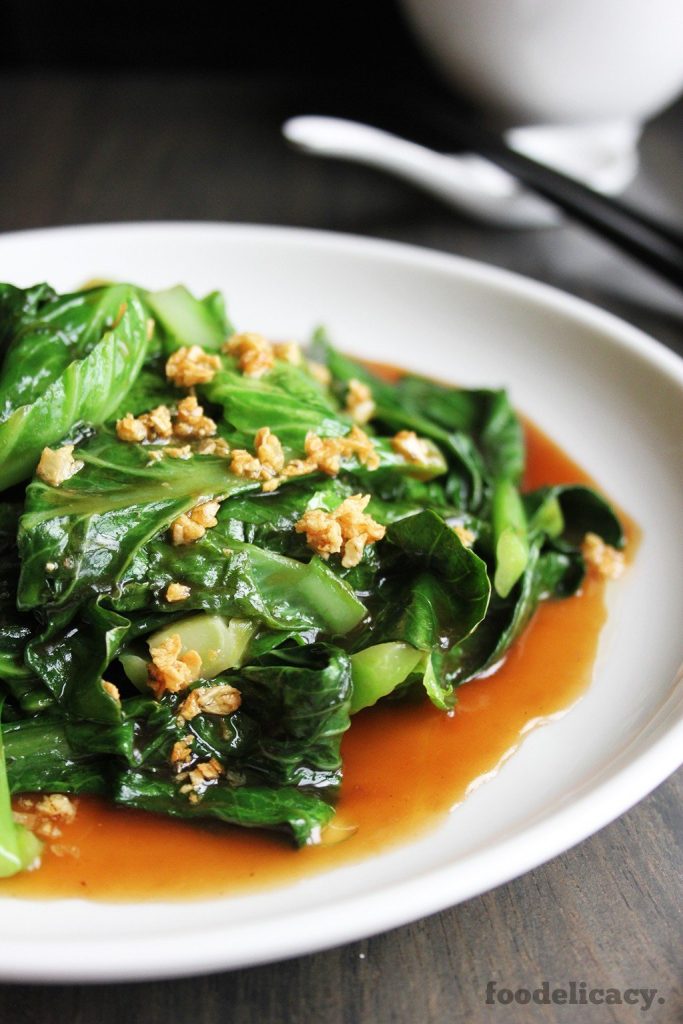

This dish is more than just a side; it can be a hearty and healthy main course, especially when paired with steamed rice. The beauty of it lies in its relative simplicity, allowing the quality of the ingredients to shine through. However, achieving that perfect restaurant-quality taste at home requires understanding a few key techniques.
Our goal today is to provide you with a comprehensive guide, breaking down every step to ensure your Seafood Kailan with Oyster Sauce is a resounding success. We’ll cover ingredient selection, preparation methods, cooking techniques, and tips for customization.
Let’s begin with the star vegetable: Kailan, also known as Chinese broccoli. It’s characterized by its thick, succulent stems and leafy green tops. When selecting Kailan, look for bright green leaves and firm, unblemished stems. Avoid bunches that appear wilted or have yellowing leaves, as these indicate a lack of freshness.
The stems of Kailan can sometimes be quite thick and fibrous. To ensure they cook evenly and become tender, it’s crucial to prepare them properly. You can either peel the outer layer of the thicker stems with a vegetable peeler or score them diagonally with a knife. This allows the heat and sauce to penetrate better.
When it comes to seafood, the options are wonderfully diverse. Prawns or shrimp are a classic choice, offering a delightful sweetness and firm texture. Scallops provide a luxurious, melt-in-your-mouth experience. Squid or calamari rings add a satisfying chew, while mussels or clams can contribute an extra layer of oceanic flavor.
For this recipe, we’ll focus on a combination of prawns and squid, as they offer a good balance of texture and flavor and are widely available. Ensure your seafood is fresh. If using frozen, thaw it completely and pat it dry before cooking to avoid a watery dish.
Beyond oyster sauce, other key components of the sauce typically include soy sauce (for saltiness and depth), Shaoxing wine (or dry sherry) for aroma and to tenderize the seafood, a touch of sugar to balance the saltiness, and cornstarch to thicken the sauce to a glossy consistency.
A small amount of sesame oil is often added at the end for its distinct nutty aroma, which complements the savory notes beautifully. Some recipes also incorporate a bit of chicken broth or water to achieve the desired sauce consistency and volume.
Preparation is paramount for stir-fries. Have all your ingredients chopped, measured, and ready to go before you even turn on the stove. This is known as ‘mise en place’ and is essential for successful stir-frying, where cooking times are very short.
Start by preparing the Kailan. Wash it thoroughly under cold running water. Trim off any tough ends of the stems. As mentioned, peel or score thicker stems. Cut the Kailan into manageable sections, separating the stems from the leaves if they are very different in thickness, as stems may require slightly longer cooking times.
Next, prepare your chosen seafood. Peel and devein the prawns. If using squid, clean it and cut it into rings or bite-sized pieces. If using mussels or clams, scrub them clean and discard any that are open and don’t close when tapped.
Mince some garlic and ginger. These aromatics form the flavor base for the stir-fry. Finely minced garlic and ginger release their pungent oils when heated, infusing the entire dish with their fragrance.
Now, let’s talk about the cooking process. The key to a great stir-fry is high heat and quick cooking. This ensures the vegetables remain crisp-tender and the seafood is cooked through without becoming rubbery.
Begin by blanching the Kailan. Bring a pot of water to a rolling boil, add a pinch of salt and a teaspoon of oil (the oil helps maintain the vibrant green color). Add the Kailan stems first, cook for about 1-2 minutes, then add the leaves and cook for another minute or until crisp-tender. Immediately drain and rinse under cold water or plunge into an ice bath to stop the cooking process. This step ensures the Kailan is tender but still has a pleasant bite.
While the Kailan is blanching, prepare the sauce mixture. In a small bowl, whisk together oyster sauce, soy sauce, Shaoxing wine, sugar, chicken broth (or water), and a pinch of white pepper. In a separate small bowl, mix the cornstarch with a tablespoon or two of cold water to create a slurry. Set both aside.
Heat a wok or a large, heavy-bottomed skillet over high heat. Add a tablespoon of cooking oil (such as vegetable, canola, or peanut oil). Once the oil is shimmering hot, add the minced garlic and ginger. Stir-fry for about 15-30 seconds until fragrant, being careful not to burn them.
Add the prepared seafood to the wok. Stir-fry quickly until the prawns turn pink and opaque, and the squid is just cooked through. This should only take 1-2 minutes. Overcooking seafood will make it tough and chewy, so watch it closely.
Once the seafood is almost cooked, add the blanched Kailan to the wok. Toss everything together for about 30 seconds to heat through.
Pour the prepared sauce mixture (the liquid ingredients, not the cornstarch slurry yet) over the seafood and Kailan. Stir well to coat everything evenly. Bring the sauce to a simmer.
Now, it’s time to thicken the sauce. Give the cornstarch slurry a quick stir, then gradually pour it into the simmering sauce while stirring continuously. Continue to stir until the sauce thickens to your desired consistency – it should be glossy and coat the back of a spoon.
Finally, stir in the sesame oil. This is usually added at the very end to preserve its delicate aroma. Taste and adjust seasoning if necessary – you might want a little more soy sauce for saltiness or sugar for sweetness.
Serve immediately. Seafood Kailan with Oyster Sauce is best enjoyed fresh and hot, typically served over steamed white or brown rice. The rice acts as a perfect vehicle to soak up the delicious sauce.
- High Heat is Key: Ensure your wok or pan is very hot before adding ingredients. This is crucial for stir-frying.
- Don’t Overcrowd the Pan: Cook in batches if necessary to maintain high heat and achieve proper searing, especially for the seafood.
- Prep Everything in Advance: Stir-frying is fast. Have all ingredients chopped and measured before you start cooking.
- Blanching Technique: Blanching the Kailan ensures it’s tender yet crisp. Don’t skip this step for the best texture.
- Seafood Freshness Matters: Use the freshest seafood possible for the best flavor and texture.
- Sauce Consistency: Adjust the amount of cornstarch slurry to achieve your preferred sauce thickness.
- Vegetable Swaps: While Kailan is traditional, you can substitute with other sturdy greens like broccolini, gai lan, or even bok choy. Adjust cooking times accordingly.
- Seafood Choices: Experiment with different seafood combinations. Fish fillets (like cod or sea bass), shrimp, scallops, mussels, clams, and squid all work wonderfully.
- Add More Vegetables: Sliced carrots, bell peppers, mushrooms, or snap peas can be added for extra color, texture, and nutrients. Add harder vegetables earlier in the cooking process.
- Spice it Up: Include sliced red chilies or a pinch of red pepper flakes along with the garlic and ginger for a spicy kick.
- Nutty Crunch: Toasted cashews or peanuts can be added just before serving for a delightful crunch.
- Aromatic Boost: Some chefs add a splash of rice wine vinegar at the end for a touch of acidity.
Making Seafood Kailan with Oyster Sauce at home is a rewarding experience. It allows you to control the quality of ingredients, the level of seasoning, and the cooking process, resulting in a dish that’s often superior to takeout versions.
The combination of tender-crisp greens, perfectly cooked seafood, and the rich, savory oyster sauce creates a symphony of flavors and textures that is both comforting and sophisticated. It’s a testament to how simple, fresh ingredients, prepared with care, can yield extraordinary results.
Whether you’re a seasoned home cook or just beginning your culinary adventure, this guide provides the framework to create an exceptional Seafood Kailan with Oyster Sauce. Embrace the process, experiment with variations, and most importantly, enjoy the delicious outcome!
This dish embodies the essence of balanced Asian cooking: a harmonious blend of textures, a depth of savory flavors, and a vibrant visual appeal. It’s a perfect example of how a few well-chosen ingredients and straightforward techniques can result in a truly memorable meal.
Remember, the journey to a perfect dish is often paved with practice and small adjustments. Don’t be discouraged if your first attempt isn’t exactly as you envisioned. Each time you make it, you’ll refine your technique and get closer to your ideal Seafood Kailan.
The versatility of this dish also makes it ideal for entertaining. Its vibrant colors and delicious aroma are sure to impress guests, and it pairs wonderfully with a variety of other Asian-inspired dishes.
Consider the nutritional benefits as well. Kailan is packed with vitamins A, C, and K, as well as calcium and fiber. Seafood provides lean protein and essential omega-3 fatty acids. This dish is a fantastic way to enjoy a flavorful meal that’s also good for you.
In conclusion, mastering Seafood Kailan with Oyster Sauce is about respecting the ingredients and understanding the principles of stir-frying. With this guide, you have all the tools necessary to create a dish that will become a staple in your home repertoire.