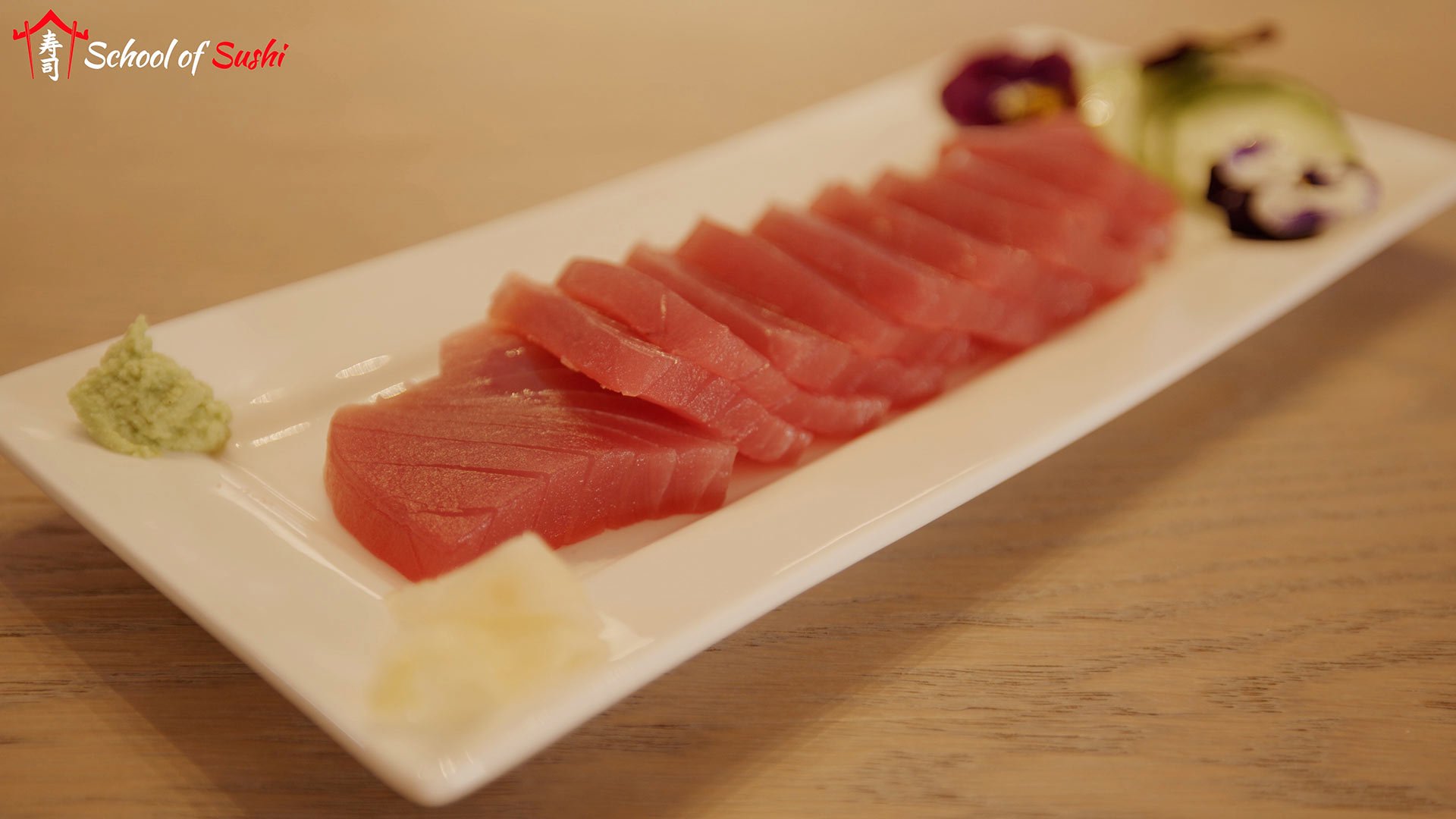
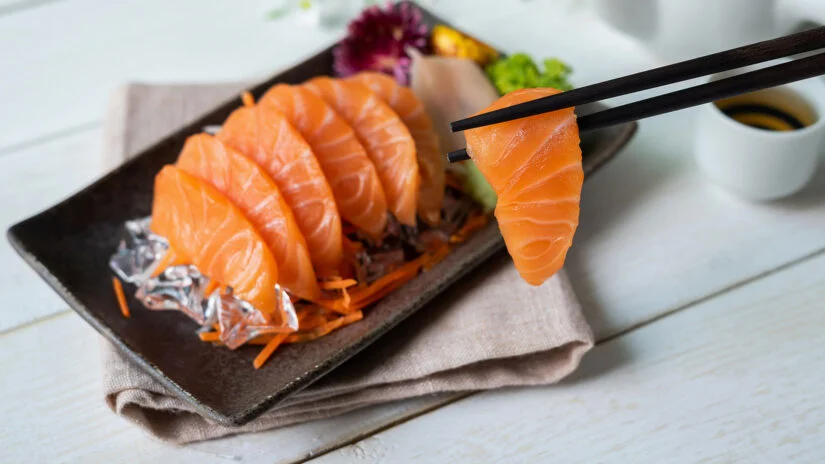

Appearance: The fish should have a vibrant, almost translucent appearance. The flesh should be firm and resilient, not soft or mushy.
Smell: Fresh fish should have a clean, sea-like aroma. Avoid fish with a strong, fishy, or ammonia-like odor.
Eyes: The eyes should be clear, bright, and slightly bulging. Cloudy or sunken eyes are a sign of age.
Gills: The gills should be bright red and moist. Brown or slimy gills indicate that the fish is not fresh.
Source: Purchase your fish from a reputable fishmonger or seafood market. Ask about the origin of the fish and how long it has been since it was caught. Ideally, the fish should have been caught within the last 24-48 hours.
Tuna (Maguro): Known for its rich, buttery flavor and melt-in-your-mouth texture. Different cuts of tuna, such as Akami (lean), Chu-toro (medium fatty), and O-toro (fatty), offer varying levels of richness and flavor.
Salmon (Sake): A popular choice for its vibrant color, delicate flavor, and smooth texture. Farmed salmon is readily available, but wild-caught salmon is often considered superior in taste and quality.
Yellowtail (Hamachi/Buri): Characterized by its firm texture and slightly sweet, nutty flavor. Hamachi is typically younger and smaller than Buri, with a milder flavor.
Snapper (Tai): A delicate and refined fish with a firm, slightly chewy texture and a clean, subtle flavor.
Mackerel (Saba): Known for its strong, distinctive flavor and oily texture. Saba is often cured or lightly pickled before being served as sashimi.
Keep it Cold: Store the fish in the coldest part of your refrigerator, ideally between 30-34°F (-1-1°C). Use a thermometer to ensure the temperature is accurate.
Wrap it Tightly: Wrap the fish tightly in plastic wrap to prevent it from drying out and absorbing odors from other foods in the refrigerator.
Use it Quickly: Sashimi-grade fish is best consumed within 24-48 hours of purchase. If you’re not planning to use it immediately, consider freezing it properly.
Prepare the Fish: Pat the fish dry with paper towels and remove any bones or skin.
Wrap it Tightly: Wrap the fish tightly in plastic wrap, pressing out as much air as possible. Then, wrap it again in aluminum foil or freezer paper.
Freeze Quickly: Place the wrapped fish in the freezer and freeze it as quickly as possible. A blast freezer is ideal, but a standard freezer will work as well.
Thaw Properly: When you’re ready to use the fish, thaw it slowly in the refrigerator overnight. Avoid thawing it at room temperature or in the microwave, as this can compromise its texture and flavor.
Use a Sharp Knife: A sharp knife is essential for slicing sashimi cleanly and preventing the fish from tearing. A traditional Japanese sashimi knife, such as a Yanagiba or Sujihiki, is ideal, but a sharp chef’s knife can also be used.
Angle the Knife: Hold the knife at a slight angle, about 45 degrees, to the fish. This will create a wider surface area and allow you to slice through the fish smoothly.
Use a Single Stroke: Use a long, smooth stroke to slice through the fish. Avoid sawing back and forth, as this can damage the flesh.
Maintain Consistent Thickness: Aim for slices that are about ¼ inch (6mm) thick. Consistency is key to ensuring that each piece of sashimi has the same texture and flavor.
Cut Against the Grain: Identify the grain of the fish and cut against it. This will shorten the muscle fibers and make the sashimi more tender.
Tuna: Slice tuna into rectangular pieces, about 2 inches (5 cm) long and 1 inch (2.5 cm) wide. For O-toro (fatty tuna), slice it thinly to prevent it from being too rich.
Salmon: Slice salmon into thin, angled slices. The angle will help to showcase the beautiful marbling of the fish.
Yellowtail: Slice yellowtail into thin, rectangular pieces. The firm texture of yellowtail allows for slightly thicker slices than tuna or salmon.
Snapper: Slice snapper into thin, translucent slices. The delicate flavor of snapper is best appreciated in thin slices.
Use a Variety of Colors and Textures: Arrange the sashimi on the platter in a way that is visually appealing. Use a variety of colors and textures to create contrast and interest.
Garnish Appropriately: Garnish the platter with fresh herbs, edible flowers, or thinly sliced vegetables. Wasabi, ginger, and soy sauce are essential accompaniments.
Consider the Shape of the Platter: Choose a platter that complements the shape and size of the sashimi. A rectangular platter is a classic choice, but a round or oval platter can also be used.
Create a Focal Point: Create a focal point on the platter by arranging the sashimi in a dramatic way. For example, you could create a fan shape or a pyramid shape.
Keep it Simple: Don’t overcrowd the platter. Less is often more when it comes to sashimi presentation.
Wasabi: A pungent Japanese horseradish that adds a spicy kick to the sashimi. Use sparingly, as it can easily overpower the delicate flavor of the fish.
Ginger: Thinly sliced ginger that is used to cleanse the palate between bites of sashimi. It helps to neutralize the flavors and prepare your taste buds for the next piece.
Soy Sauce: A salty, umami-rich sauce that is used to dip the sashimi. Use high-quality soy sauce for the best flavor. Low-sodium soy sauce is also a good option for those who are watching their salt intake.
Daikon Radish: Shredded daikon radish that is used as a garnish and to cleanse the palate. It has a mild, slightly peppery flavor.
Shiso Leaves: A fragrant Japanese herb that is used as a garnish and to add a refreshing flavor to the sashimi.
Use Chopsticks: Use chopsticks to pick up the sashimi. This will help you to appreciate the texture and prevent you from touching the fish with your hands.
Dip Lightly: Dip the sashimi lightly in soy sauce. Too much soy sauce can overpower the flavor of the fish.
Eat in One Bite: Eat the sashimi in one bite. This will allow you to fully experience the flavor and texture.
Savor the Flavor: Close your eyes and savor the flavor of the sashimi. Pay attention to the subtle nuances and appreciate the freshness of the fish.
Cleanse Your Palate: Cleanse your palate between bites with ginger or daikon radish. This will help you to appreciate the flavor of each piece of sashimi.
Mastering sashimi preparation is a journey that requires patience, practice, and a deep appreciation for the ingredients. By following these guidelines, you can elevate your culinary skills and create restaurant-quality sashimi in the comfort of your own home. Impress your guests and indulge in the exquisite flavors of this Japanese delicacy. Remember that the key to great sashimi is freshness, precision, and respect for the art form. With dedication and attention to detail, you’ll be well on your way to becoming a sashimi master.