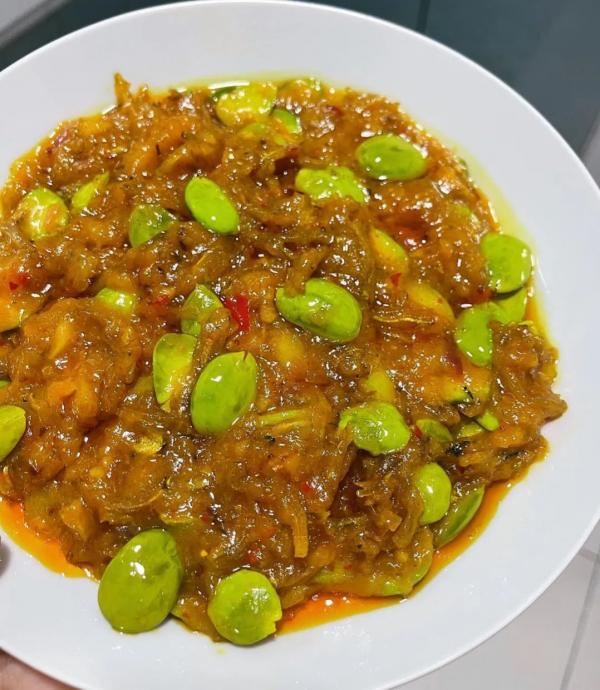
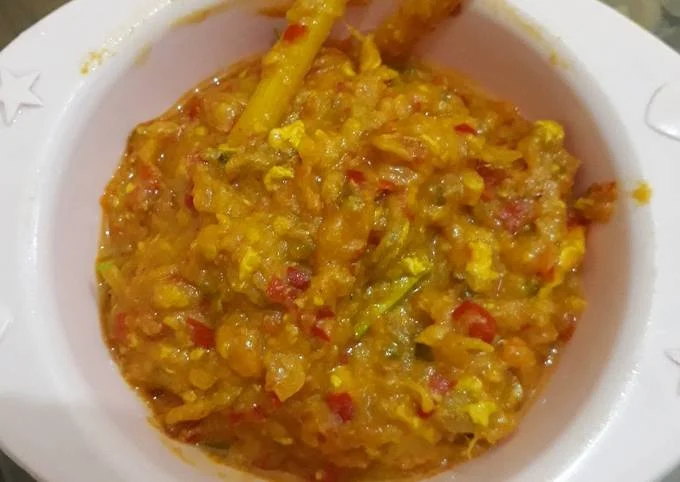

At its core, Sambal Tempoyak Seafood Ikan Teri is a celebration of contrasting elements. The unmistakable aroma and creamy texture of tempoyak provide a unique, almost umami-rich base that is unlike any other sambal. This is then balanced by the sharp, lingering heat of fresh chilies, the salty crunch of ikan teri, and the tender, oceanic sweetness of various seafood additions. The result is a symphony of tastes and textures that dance on the palate.
Understanding the key components is crucial for mastering this dish. Tempoyak, the fermented durian paste, is the soul of the sambal. Its preparation involves fermenting ripe durian flesh for several days, during which it develops a distinct sourness and a potent aroma that, while polarizing, is essential for the authentic flavor profile. Sourcing good quality tempoyak is the first step to success.
Ikan Teri, or dried anchovies, contribute a crucial salty and umami dimension. They are typically fried until crispy, adding a delightful textural contrast to the sambal. The type and size of ikan teri can influence the final taste and texture, with smaller, saltier varieties being quite common.
Seafood is where this dish truly expands its horizons. While traditional versions might focus on ikan teri alone, the modern interpretation often incorporates a variety of fresh seafood. Prawns, squid, fish fillets, mussels, and even scallops can be added, absorbing the sambal’s robust flavors and adding their own unique sweetness and texture.
The chili component is, as with most sambals, paramount. A combination of fresh red chilies (for color and moderate heat) and bird’s eye chilies (for a fiery kick) is often used. The quantity can be adjusted to personal preference, but a good sambal tempoyak should have a noticeable, yet balanced, level of heat.
Beyond these primary ingredients, aromatics play a vital role. Shallots and garlic are almost always included, providing a foundational savory depth. Some recipes also call for ingredients like belacan (shrimp paste) for an extra layer of umami, or even a touch of sugar to round out the flavors.
The preparation process itself is an art form. It typically begins with preparing the tempoyak, often by mashing it into a smoother paste. Next, the aromatics and chilies are pounded or blended into a sambal base. This base is then fried until fragrant, before the tempoyak is introduced and cooked down.
Once the tempoyak sambal base is well-developed, the ikan teri is usually added, often fried separately first to ensure crispiness, or sometimes fried directly in the sambal. Finally, the chosen seafood is introduced, cooked gently in the sambal until just done, ensuring it remains tender and succulent.
Let’s delve into a more detailed recipe for Sambal Tempoyak Seafood Ikan Teri. For the tempoyak, you’ll need about 150-200 grams of fermented durian paste. If you’re lucky enough to find it fresh, great. Otherwise, good quality store-bought paste will suffice. Ensure it’s properly fermented to achieve that characteristic tang.
For the sambal base, gather approximately 10-15 large red chilies and 5-10 bird’s eye chilies (adjust according to your spice tolerance). You’ll also need 5-7 shallots and 3-4 cloves of garlic. A small piece of belacan, toasted for enhanced aroma, is optional but highly recommended.
For the ikan teri, select about 50-75 grams of dried anchovies. It’s best to rinse them quickly under cold water to remove excess salt, then drain them thoroughly. Some prefer to fry them until golden brown and crispy before adding them to the sambal, while others add them directly.
The seafood selection can be diverse. A good starting point would be 200 grams of medium-sized prawns, peeled and deveined, and 150 grams of squid, cleaned and sliced into rings. You could also add 100 grams of firm white fish fillets, cut into bite-sized pieces.
To begin, prepare the sambal paste. Pound or blend the chilies, shallots, garlic, and belacan (if using) until a coarse paste forms. Don’t over-process; a slightly chunky texture is desirable.
Heat about 4-5 tablespoons of cooking oil in a wok or deep pan over medium heat. Add the chili paste and sauté until fragrant and the oil starts to separate from the paste, indicating it’s well-cooked. This step is crucial for developing the sambal’s flavor.
Add the tempoyak to the wok. Stir well to combine with the chili paste. Cook for about 5-7 minutes, stirring occasionally, allowing the tempoyak to meld with the spices and its pungent aroma to mellow slightly. This is where the magic starts to happen.
If you choose to fry the ikan teri separately, do so now in a separate pan until golden and crispy. Set aside. If adding directly, you can add them now to the sambal mixture and cook for a couple of minutes until they soften slightly and release their saltiness.
Now, introduce the seafood. Add the prawns, squid, and fish pieces to the wok. Stir gently to coat them with the sambal. Cook for just a few minutes until the prawns turn pink, the squid is opaque, and the fish is cooked through. Be careful not to overcook the seafood, as it can become tough.
Taste and adjust seasoning. You might need a pinch of salt (though the ikan teri usually provides enough) or a teaspoon of sugar to balance the sourness of the tempoyak and the heat of the chilies. A squeeze of lime juice can also add a fresh, zesty note.
Garnish your masterpiece with freshly chopped cilantro or spring onions for a touch of freshness and color. Serve hot with steamed white rice, which is the perfect canvas to absorb the rich, complex flavors of the Sambal Tempoyak Seafood Ikan Teri.
The beauty of this dish lies in its adaptability. Feel free to experiment with different types of seafood. Mussels, clams, or even chunks of firm tofu can be incorporated. The core flavor profile of tempoyak, chili, and anchovy remains, but the additions can personalize the dish.
For those new to tempoyak, the initial aroma can be quite intense. It’s often described as a pungent, cheesy, or even slightly sulfuric smell. However, once cooked, this aroma transforms into a deep, complex, and savory flavor that is surprisingly addictive.
The texture of the final sambal should be rich and somewhat thick, with the individual components of seafood and ikan teri clearly discernible. It’s not a thin, watery sauce, but rather a robust condiment meant to be savored.
Serving suggestions extend beyond plain rice. This sambal can also be a fantastic accompaniment to grilled fish, fried rice, or even used as a flavorful filling for roti canai or crepes. Its versatility makes it a true culinary gem.
When sourcing ingredients, look for fresh, high-quality seafood. The better the seafood, the more enjoyable the final dish will be. Similarly, if you can find artisanal or well-fermented tempoyak, it will elevate the sambal significantly.
The process of making sambal is often a communal activity in Southeast Asia. The rhythmic pounding of the mortar and pestle, the fragrant sizzle of chilies hitting hot oil, and the unique aroma of tempoyak filling the air create a sensory experience that is as much about the journey as the destination.
For a less spicy version, reduce the number of bird’s eye chilies and remove the seeds from the red chilies before blending. The tempoyak itself provides a unique flavor, so even a milder version will be distinct.
To enhance the umami of the ikan teri, consider lightly toasting them in a dry pan before rinsing and adding them to the sambal. This deepens their flavor and aroma.
The balance of sweet, sour, salty, and spicy is key. A touch of palm sugar can counteract the sourness of the tempoyak and the heat of the chilies, creating a more rounded flavor profile. Adjust this to your preference.
Sambal Tempoyak Seafood Ikan Teri is a dish that demands attention and rewards the adventurous eater. It’s a culinary bridge between tradition and innovation, a testament to the bold flavors that define Southeast Asian cooking.
Mastering this dish is a journey that involves understanding the nuances of each ingredient and the art of balancing their distinct characteristics. With practice and patience, you can create a Sambal Tempoyak Seafood Ikan Teri that is truly unforgettable.