
This comprehensive guide will walk you through the essential steps, from selecting the freshest bivalves to mastering various preparation techniques, both raw and cooked. We’ll delve into classic recipes that have graced menus for decades, alongside modern twists that are sure to tantalize your taste buds. Get ready to elevate your home dining and embrace the sophisticated world of oysters.
The Allure of Oysters: More Than Just a Delicacy
Beyond their undeniable elegance, oysters offer a unique sensory experience. Each variety boasts a distinct flavor profile, influenced by its environment – from sweet and creamy to briny and metallic. They are also incredibly nutritious, packed with zinc, iron, and omega-3 fatty acids, making them a delicious guilt-free indulgence.
Sourcing the Best: Your First Step to Success
The foundation of any great oyster dish is, naturally, great oysters. Always purchase them from a reputable fishmonger or seafood market that maintains proper cold storage. Look for oysters that are tightly closed; any open oysters that don’t close when tapped should be discarded. They should feel heavy for their size, indicating they are full of liquor (the natural juice inside).
Ask your fishmonger about the origin and type of oysters. Varieties like Kumamotos are known for their sweet, petite profile, while larger Pacific oysters might offer a creamier, more robust flavor. East Coast oysters often have a distinct brininess.
Handling and Storage: Keeping Them Pristine
Once home, store oysters in the coldest part of your refrigerator, ideally at 35-40°F (1-4°C). Place them cup-side down (to retain their liquor) in a bowl or on a tray covered with a damp cloth or paper towel. Never store them in an airtight container or submerged in water, as they are living organisms and need to breathe. Consume them within 2-3 days of purchase for optimal freshness.
The Art of Shucking: A Skill Worth Mastering
Shucking an oyster can seem daunting at first, but with a good oyster knife and a bit of practice, it becomes surprisingly easy. Always use a sturdy, sharp oyster knife and protect your hand with a thick towel or glove. Hold the oyster firmly, cup-side down, with the hinge (the pointed end where the two shells meet) facing you.
Carefully insert the tip of the knife into the hinge, twisting gently until you hear a pop. Once the hinge is open, slide the knife along the top shell to detach the adductor muscle. Pry open the top shell, discard it, and then carefully slide the knife under the oyster to detach it from the bottom shell, ensuring you don’t spill the precious liquor. Serve immediately on a bed of crushed ice.
Classic Raw Oysters: Oysters on the Half Shell
Classic Mignonette: The Perfect Partner
A traditional mignonette is a must-have for raw oysters. It’s a bright, acidic counterpoint that cleanses the palate and enhances the oyster’s brininess. To make it, combine 1/4 cup red wine vinegar, 1 tablespoon finely minced shallots, and 1/2 teaspoon freshly cracked black pepper. Some variations include a touch of sugar or fresh herbs like chives.
Other popular accompaniments include fresh lemon wedges, a dash of your favorite hot sauce (like Tabasco), or a homemade cocktail sauce (ketchup, horseradish, Worcestershire, lemon juice). The best part is experimenting to find your personal favorite pairing!
Cooked Oyster Delights: Beyond the Half Shell
While raw oysters are a sublime experience, cooked oysters open up a world of rich, comforting, and flavorful possibilities. These recipes are perfect for those who prefer their oysters cooked or simply want to explore different culinary dimensions.
1. Oysters Rockefeller: A Grand New Orleans Tradition
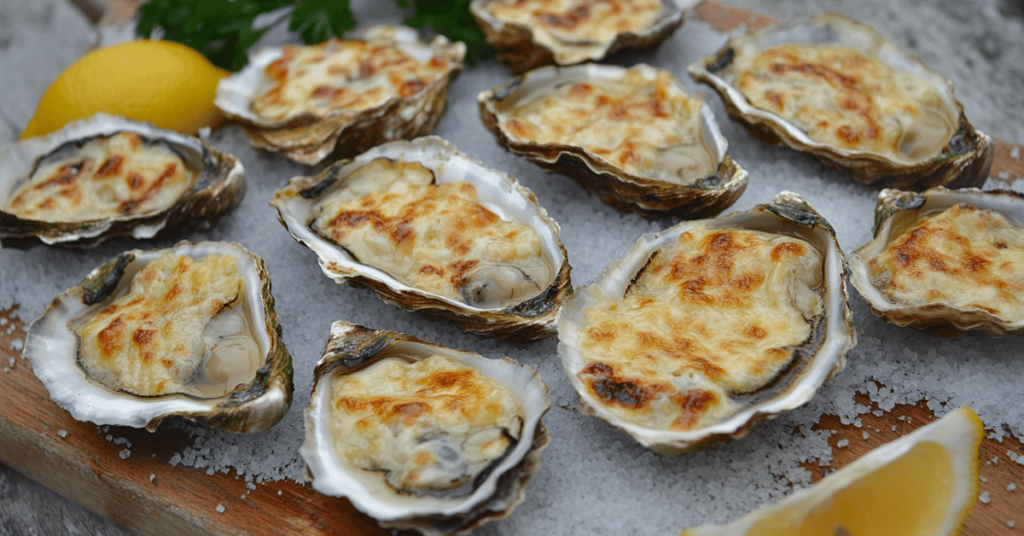
Born in Antoine’s Restaurant in New Orleans in 1899, Oysters Rockefeller is a rich, baked oyster dish named for its opulent richness. It’s a classic for a reason, featuring a vibrant green herb butter sauce and a crispy topping.
- 2 dozen fresh oysters, shucked and on the half shell
- 1/2 cup (1 stick) unsalted butter, softened
- 1 cup fresh spinach, blanched, squeezed dry, and finely chopped
- 1/4 cup fresh parsley, finely chopped
- 2 tablespoons green onions (scallions), finely chopped
- 1 tablespoon Pernod or absinthe (optional, but highly recommended for authentic flavor)
- 1 teaspoon Worcestershire sauce
- 1/2 teaspoon hot sauce (e.g., Tabasco)
- 1/4 cup Panko breadcrumbs (or finely crushed saltine crackers)
- Salt and freshly ground black pepper to taste
- Rock salt for baking (optional, for stabilizing oysters)
- Preheat your oven to 400°F (200°C).
- In a medium bowl, combine the softened butter, chopped spinach, parsley, green onions, Pernod (if using), Worcestershire sauce, hot sauce, salt, and pepper. Mix well until thoroughly combined.
- Arrange the shucked oysters on a baking sheet, ideally nestled in a bed of rock salt to keep them stable.
- Spoon a generous amount of the spinach-butter mixture over each oyster.
- Sprinkle a small amount of Panko breadcrumbs over each oyster.
- Bake for 10-12 minutes, or until the topping is bubbly and lightly browned. A quick broil for the last minute can achieve a beautiful golden crust.
- Serve immediately, perhaps with lemon wedges.
Expert Tip: Don’t overcook the oysters; they should remain plump and tender. The sauce is the star, so focus on getting it flavorful and rich.
2. Oysters Bienville: Rockefeller’s Seafood-Rich Cousin
Another New Orleans classic, Oysters Bienville is often compared to Rockefeller but features a creamy, savory sauce with shrimp and mushrooms instead of spinach. It’s equally decadent and a fantastic alternative.
Key Components: A roux-based cream sauce with finely diced shrimp, mushrooms, and sometimes bell peppers and garlic. This rich sauce is spooned over shucked oysters, topped with breadcrumbs and Parmesan, then baked until golden and bubbly. The flavors are earthy and oceanic, a true comfort food.
3. Grilled Oysters: Smoky Perfection
Grilling oysters brings out a wonderful smoky flavor and is incredibly simple, especially for those new to cooking oysters. The high heat of the grill gently steams the oysters, causing them to pop open, making shucking almost optional post-grill.
- 2 dozen fresh oysters
- 1/2 cup (1 stick) unsalted butter, melted
- 4 cloves garlic, minced
- 2 tablespoons fresh parsley, chopped
- 1 tablespoon fresh lemon juice
- Pinch of red pepper flakes (optional)
- Salt and pepper to taste
- Prepare your grill for medium-high heat (direct heat).
- In a small bowl, combine melted butter, minced garlic, parsley, lemon juice, red pepper flakes (if using), salt, and pepper.
- Place the whole, un-shucked oysters directly on the grill grates, cup-side down.
- Grill for 5-10 minutes, or until the oysters begin to open. Some may fully open, others might just gape.
- Carefully remove the oysters from the grill using tongs. Using an oyster knife or a sturdy butter knife, pry open any oysters that haven’t fully opened, detaching the top shell.
- Loosen the oyster from the bottom shell (if not already detached) and spoon a generous amount of the garlic butter mixture over each one.
- Return the oysters to the grill for another 1-2 minutes, just until the butter is bubbling and the oysters are warmed through.
- Serve immediately, perhaps with extra lemon wedges.
Expert Tip: You can also grill shucked oysters on the half shell, placing them on a grill-safe pan or directly on the grates if they are stable. This allows you to add the butter mixture from the start.
4. Crispy Fried Oysters: A Southern Delight
Fried oysters are a beloved classic, especially in the American South. The key is a light, crispy coating and perfectly cooked, tender oysters within. They’re fantastic as an appetizer or in a classic oyster po’ boy.
The Breading Process: Set up a standard breading station: one bowl with seasoned flour (salt, pepper, paprika), one bowl with beaten eggs and a splash of milk, and one bowl with cornmeal or Panko breadcrumbs. Dredge each oyster first in flour, then egg, then breadcrumbs, ensuring an even coating.
Frying for Perfection: Heat a neutral oil (like canola or peanut oil) in a heavy-bottomed pot or deep fryer to 350-375°F (175-190°C). Fry oysters in small batches to avoid overcrowding and dropping the oil temperature. Fry for 2-3 minutes per batch, until golden brown and crispy. Remove with a slotted spoon and drain on a wire rack over paper towels. Season immediately with a pinch of salt.
Serving Suggestions: Fried oysters are delicious with a tangy remoulade sauce, a classic tartar sauce, or simply a squeeze of lemon.
5. Creamy Oyster Stew: Comfort in a Bowl
Oyster stew is the ultimate comfort food, especially on a chilly evening. It’s a simple dish that highlights the delicate flavor of the oysters in a rich, milky broth.
Basic Recipe Outline: Sauté a small amount of finely diced celery and onion in butter until softened. Add milk or a mixture of milk and cream, bringing it to a gentle simmer. Season with salt, white pepper, and a pinch of nutmeg. Finally, add the shucked oysters and their liquor, and cook gently for only 2-3 minutes, just until their edges curl. Overcooking will make them tough. Finish with a pat of butter and fresh parsley or chives.
Variation: For a heartier stew, you can start with a light roux (butter and flour) before adding the milk, or incorporate diced potatoes.
6. The Legendary Oyster Po’ Boy Sandwich
No discussion of cooked oysters is complete without the iconic New Orleans Oyster Po’ Boy. This sandwich is a symphony of textures and flavors: crispy fried oysters, fresh lettuce and tomato, tangy pickles, and a creamy remoulade, all nestled in crusty French bread.
Assembly: Start with a fresh, soft-on-the-inside, crusty-on-the-outside French bread loaf. Spread both sides generously with remoulade. Layer with shredded lettuce, sliced tomatoes, and dill pickles. Pile high with freshly fried oysters. Serve immediately for maximum enjoyment.
Advanced Tips for the Home Oyster Chef
- Temperature Matters: Whether raw or cooked, serving temperature is crucial. Raw oysters should be ice-cold; cooked oysters piping hot.
- Pairing Perfection: For raw oysters, crisp, dry white wines like Muscadet, Sauvignon Blanc, or sparkling wines (Champagne, Prosecco) are classic choices. For cooked oysters, consider a richer Chardonnay or even certain craft beers like stouts or crisp lagers.
- Garnish with Gusto: Don’t underestimate the power of a fresh garnish. A sprinkle of fresh herbs (parsley, chives, cilantro), a dash of finely grated lemon zest, or a few drops of high-quality olive oil can elevate any oyster dish.
- Embrace Variety: Don’t stick to just one type of oyster. Explore different regions and species to discover new favorites and nuances in flavor.
- Safety First: Always handle raw seafood with care. Wash your hands thoroughly, use clean utensils, and keep oysters chilled until just before serving.
Common Pitfalls to Avoid
One of the biggest mistakes is overcooking oysters. Whether baked, grilled, or stewed, oysters cook very quickly. They should remain plump and tender; tough, rubbery oysters are a sign of being cooked too long. Another common error is not properly chilling raw oysters; warmth can quickly diminish their quality and safety.
Remember that the liquor inside the oyster shell is precious. It’s part of the authentic experience, so try your best to retain it when shucking and serving. If you’re serving raw oysters, make sure your ice bed is substantial enough to keep them very cold throughout the serving period.
Beyond the Basics: Creative Oyster Ideas
Once you’ve mastered the classics, feel free to experiment. Consider a spicy oyster shooter with vodka and a dash of hot sauce, or oysters baked with a compound butter featuring ingredients like miso, sriracha, or smoked paprika. Oyster tacos with a fresh slaw are also a fantastic, modern take.
Think about different toppings for grilled oysters: a vibrant chimichurri, a sweet and spicy barbecue glaze, or even a simple herb butter infused with tarragon or chervil. The oyster’s versatile flavor can handle a wide range of culinary partnerships.
Conclusion: Your Oyster Bar at Home
From the briny simplicity of oysters on the half shell to the rich indulgence of Oysters Rockefeller and the comforting warmth of an oyster stew, preparing restaurant-style oysters at home is a rewarding culinary adventure. With fresh ingredients, a little practice, and these detailed recipes, you can transform your kitchen into a sophisticated oyster bar.
So, gather your ingredients, sharpen your shucking knife, and prepare to delight your senses. The world of exquisite oyster dining awaits your personal touch. Enjoy the journey of discovery and the sheer pleasure of creating memorable seafood experiences right in your own home.