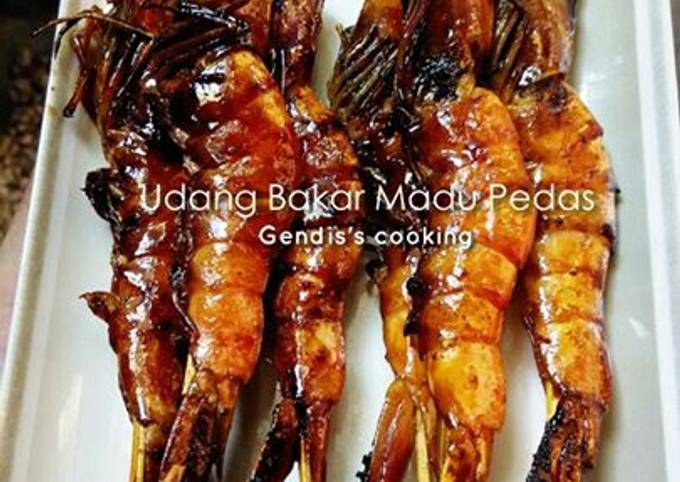

However, the challenge many home cooks face is flavor absorption. Often, the seasoning sits merely on the shell or the surface of the meat, leaving the inside bland. The true art of this recipe lies in the phrase ‘bumbunya meresap’, which translates to ‘the seasoning absorbs deeply.’ Achieving this requires specific preparation techniques and a understanding of how marinades interact with seafood protein.
In this comprehensive guide, we will explore the step-by-step process of creating the ultimate Spicy Honey Grilled Shrimp. We will move beyond simple instructions and delve into the techniques that ensure every bite is bursting with flavor, from the choice of prawn to the final basting on the grill.
Choosing the Right Shrimp
The foundation of a great grilled shrimp dish starts at the market. For grilling, size matters significantly. Small shrimp tend to dry out quickly over high heat before they can develop a nice char. Therefore, it is highly recommended to use large prawns, such as Tiger Prawns (Udang Windu) or large King Prawns.
Tiger prawns are particularly excellent for this recipe because they have firm meat that holds up well against the intense heat of a grill. Their shells are also thick enough to protect the meat from burning instantly, allowing the sugars in the honey marinade to caramelize beautifully.
Freshness is non-negotiable. Look for shrimp that are firm to the touch, with a clean, oceanic smell. Avoid any shrimp that smell like ammonia or have soft, mushy shells. If you are buying them with heads on—which is recommended for flavor—ensure the heads are securely attached to the body.
The Secret Technique: The Butterfly Cut
To ensure the seasoning absorbs deeply (meresap), you cannot simply toss whole shrimp into a bowl of sauce. The shell of a shrimp is impermeable to most marinades. The secret lies in the preparation, specifically the butterfly cut.
Using a sharp pair of kitchen shears or a knife, cut along the back of the shrimp from the head down to the tail. Do not cut all the way through; you want to slice deep enough so that the shrimp can be opened flat like a book. This serves two purposes: it makes deveining easier, and it increases the surface area for the marinade.
By exposing the meat directly to the sauce, you allow the flavors of the garlic, chili, and honey to penetrate the fibers of the protein. Furthermore, butterflying the shrimp allows them to cook more evenly and creates a beautiful presentation when grilled.
Essential Ingredients for the Marinade
- Protein: 500g to 1kg of Large Tiger Prawns or King Prawns.
- Aromatics: 5 cloves of garlic and 3 shallots, finely ground or grated.
- Heat: 3-5 red chili peppers (adjust to taste) or chili paste.
- Sweetness: 4 tablespoons of high-quality honey and 2 tablespoons of sweet soy sauce (Kecap Manis).
- Savory/Umami: 1 tablespoon of oyster sauce and a pinch of salt.
- Acidity: 1-2 limes (Jeruk Nipis).
- Fat: 2 tablespoons of melted butter or vegetable oil.
The lime is crucial not just for flavor, but for neutralizing any strong fishy odors. However, do not marinate the shrimp in lime juice for too long before cooking, as the acid can begin to ‘cook’ the meat (like ceviche) and change its texture.
Preparing the Spice Paste
To create the base of your marinade, you need to process the solid aromatics. Blend the garlic, shallots, and chili peppers into a smooth paste. You can use a food processor for convenience, or a traditional mortar and pestle for a more authentic texture that releases the oils better.
Once the paste is ready, sauté it briefly in a pan with a little oil until it becomes fragrant. This step is often skipped, but cooking the aromatics removes the raw bite of the garlic and onion, resulting in a smoother, more mellow flavor profile that marries well with the honey.
After sautéing, remove from heat and let it cool slightly. Then, mix in the honey, sweet soy sauce (Kecap Manis), oyster sauce, melted butter, and lime juice. Taste the mixture. It should be slightly saltier and sweeter than you think is necessary, as some flavor will be lost during the grilling process.
The Marination Process
Place your butterflied shrimp in a large bowl. Pour 3/4 of the marinade over the shrimp, reserving the remaining 1/4 for basting during the grilling process. Massage the marinade into the meat, ensuring it gets into the deep cuts you made along the back.
Refrigerate the shrimp for at least 30 minutes, but no longer than 60 minutes. Unlike red meat, seafood absorbs flavor relatively quickly. Marinating for too long, especially with acidic ingredients, can degrade the texture of the shrimp, making it mushy.
Grilling Method: Charcoal vs. Stovetop
For the most authentic flavor, grilling over charcoal is the gold standard. The smoke from the charcoal interacts with the dripping honey and fat, creating that distinct aroma found in Jimbaran seafood stalls. If using charcoal, ensure the coals are glowing red with a layer of white ash before placing the shrimp on the grate to avoid flare-ups.
If you do not have access to an outdoor grill, a stovetop grill pan is a perfectly acceptable alternative. Use a heavy cast-iron grill pan to retain heat. Preheat the pan until it is very hot to ensure you get nice grill marks.
The Cooking Process
Place the shrimp on the grill, meat-side down first if possible, or shell-side down if they are delicate. Grill for about 2-3 minutes on one side. The shells will turn a vibrant orange-pink color, and the meat will begin to turn opaque.
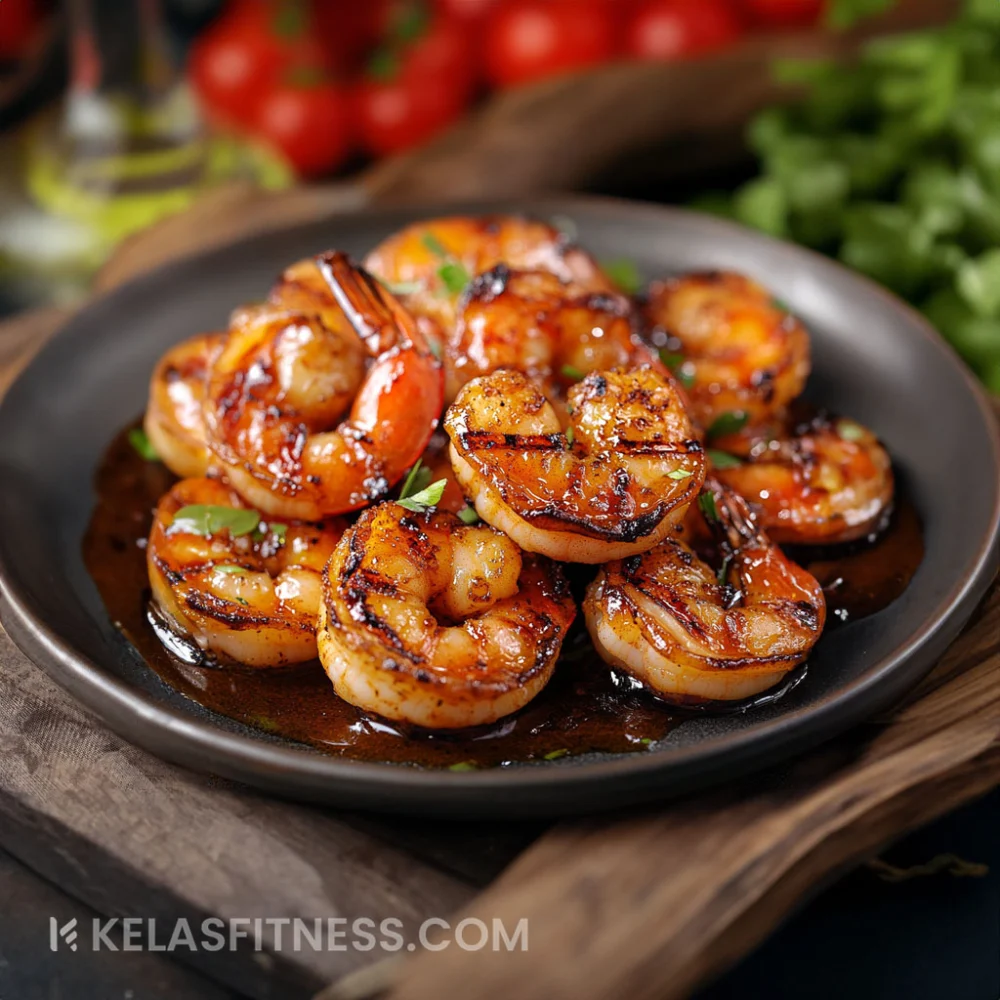
Flip the shrimp. Now, using a brush, apply the reserved marinade liberally over the meat. This is the ‘glazing’ stage. The honey in the marinade will bubble and caramelize under the heat. Be vigilant—honey burns quickly. You want a dark, sticky char, not a bitter, burnt crust.
Continue to grill for another 2-3 minutes. If you are using large prawns, you may need to flip them one more time and baste again to build up a thick, flavorful layer of sauce. The shrimp are done when the meat is firm and white throughout (no longer translucent).
Tips for Maximum Flavor Absorption
To truly ensure the bumbu meresap (seasoning absorbs), avoid overcrowding the grill. If the shrimp are packed too tightly, they will steam rather than grill, preventing the sauce from caramelizing and adhering to the meat.
Additionally, adding the melted butter or margarine to the marinade helps the spices stick to the shrimp. Fat carries flavor, and it also helps conduct heat into the crevices of the butterflied meat.
Serving Suggestions
Udang Bakar Madu Pedas is best served immediately while hot. In Indonesia, it is traditionally accompanied by warm steamed white rice, which acts as a neutral canvas for the intense flavors of the shrimp.
For a complete meal, serve with a side of Plecing Kangkung (water spinach with spicy tomato sambal) or fresh cucumber and tomato slices to provide a cooling crunch against the spicy glaze.
The Essential Dipping Sauce (Sambal)
While the shrimp is flavorful enough on its own, a side of Sambal Kecap elevates the dish. Mix sweet soy sauce with chopped bird’s eye chilies, sliced shallots, and a squeeze of lime juice. The acidity and heat of this dipping sauce cut through the richness of the honey glaze.
Alternatively, a Sambal Matah (Balinese raw shallot and lemongrass relish) offers a fresh, aromatic contrast that pairs wonderfully with grilled seafood.
Common Mistakes to Avoid
Overcooking: This is the cardinal sin of seafood. Shrimp cook very fast. Once they curl into a tight ‘C’ shape, they are usually done. If they curl into an ‘O’ shape, they are likely overcooked and rubbery.
Burning the Honey: Because the marinade has a high sugar content from honey and sweet soy sauce, it can burn in seconds. Keep the heat medium-high, not scorching hot, and watch the grill constantly.
Skipping the Butter: Some cooks try to make this recipe healthier by skipping the butter or oil. However, the butter is essential for that glossy, restaurant-style finish and rich mouthfeel.
Storing and Reheating
Grilled shrimp is best eaten fresh. However, if you have leftovers, store them in an airtight container in the refrigerator for up to 2 days. To reheat, avoid the microwave, as it will make the shrimp rubbery.
Instead, gently reheat them in a pan over low heat with a splash of water or extra marinade to keep them moist. You can also eat them cold over a salad.
Conclusion
Mastering the recipe for Udang Bakar Madu Pedas is about respecting the ingredients and understanding the technique. By choosing fresh, large prawns, utilizing the butterfly cut, and balancing the sweet and spicy elements of the marinade, you can create a dish that rivals the best seafood restaurants.
The key takeaway is patience during the prep—cleaning and butterflying the shrimp properly—and attentiveness at the grill. With these steps, you guarantee that the seasoning absorbs deeply, delivering an explosion of flavor in every bite. Whether for a weekend family dinner or a special occasion, this dish is sure to impress.