
The Essence of Pempek: A Culinary Heritage
Pempek’s history is deeply intertwined with Palembang’s cultural fabric, tracing back centuries. It evolved from simple fishcakes made by local fishermen to a sophisticated culinary art form. The key to its enduring appeal lies in the harmonious blend of fresh fish, tapioca flour, and aromatic spices, resulting in a dish that is both satisfying and culturally significant.
Understanding the Key Ingredients
Spanish Mackerel (Ikan Tenggiri): The star of the show, Spanish mackerel imparts a rich, savory flavor and a firm texture to the pempek. Ensure the fish is exceptionally fresh for the best results. Other fish, such as wahoo or snakehead, can be used as substitutes, though the flavor profile will slightly differ.
Tapioca Flour (Tepung Tapioka): Tapioca flour provides the characteristic chewy texture of pempek. It’s crucial to use high-quality tapioca flour to prevent the pempek from becoming too hard or gummy.
All-Purpose Flour (Tepung Terigu): A small amount of all-purpose flour is often added to bind the ingredients and improve the texture. However, use it sparingly to avoid making the pempek too dense.
Garlic (Bawang Putih): Garlic contributes a pungent aroma and savory depth to the pempek. Freshly minced garlic is preferred for its intense flavor.
Salt (Garam): Salt enhances the overall flavor and acts as a preservative.
Sugar (Gula): A touch of sugar balances the savory flavors and adds a subtle sweetness.
Egg (Telur): Eggs are used as a binder, particularly in variations like Pempek Kapal Selam.
Water (Air): Cold water is essential for mixing the dough and achieving the desired consistency.
The Pempek-Making Process: A Step-by-Step Guide
Step 1: Preparing the Fish Paste
-
Fillet the Spanish mackerel, removing the skin and bones. Ensure no bones remain, as they can affect the texture of the pempek.
-
Cut the fish fillets into small pieces and grind them using a food processor or meat grinder until you achieve a smooth paste. Alternatively, finely mince the fish with a sharp knife.
-
In a large bowl, combine the fish paste with minced garlic, salt, and sugar. Mix well until the ingredients are evenly distributed.
Step 2: Creating the Dough
-
Gradually add cold water to the fish paste mixture, mixing continuously until a smooth, slightly sticky dough forms. Be careful not to add too much water, as this can make the pempek too soft.
-
Slowly incorporate the all-purpose flour, mixing until just combined. Avoid overmixing, as this can develop the gluten in the flour and make the pempek tough.
-
Gradually add the tapioca flour, mixing gently until a smooth, pliable dough forms. The dough should be slightly sticky but not too wet.
Step 3: Shaping the Pempek
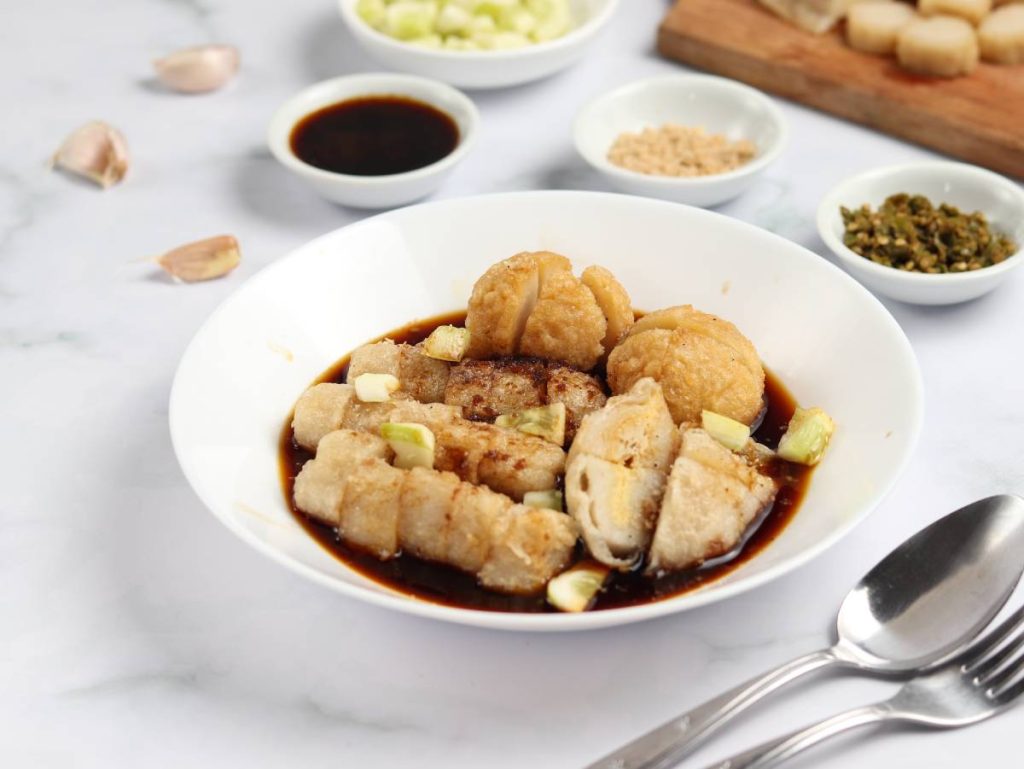
Lenjer: A long, cylindrical shape. Roll a portion of the dough into a log about 1-2 inches in diameter.
Adaan: Small, round balls. Roll small portions of the dough into balls about 1 inch in diameter.
Kapal Selam: A submarine shape filled with egg. Flatten a portion of the dough into a disc, create a pocket in the center, and fill it with a beaten egg. Seal the edges tightly to prevent the egg from leaking out during cooking.
Kulit: Thin, crispy pancakes. Roll the dough very thinly and cut into small circles.
Step 4: Cooking the Pempek
-
Bring a large pot of water to a boil.
-
Gently drop the shaped pempek into the boiling water. Do not overcrowd the pot, as this can lower the water temperature and result in uneven cooking.
-
Cook the pempek until they float to the surface and are cooked through. This usually takes about 10-15 minutes, depending on the size and shape of the pempek.
-
Remove the cooked pempek from the pot and drain well.
Step 5: Frying the Pempek (Optional)
For a crispier texture, you can fry the boiled pempek. Heat vegetable oil in a deep fryer or large pan to medium heat.
Fry the pempek until golden brown and crispy on all sides. Be careful not to overcook them, as they can become hard.
Remove the fried pempek from the oil and drain on paper towels.
Serving Pempek: The Perfect Accompaniments
Cuko Recipe
- Brown sugar (Gula Merah)
- Water
- Tamarind paste (Asam Jawa)
- Garlic
- Bird’s eye chilies (Cabe Rawit)
- Salt
- Vinegar
-
Combine brown sugar, water, and tamarind paste in a saucepan. Bring to a boil and simmer until the sugar is dissolved and the sauce has thickened slightly.
-
Grind garlic and bird’s eye chilies into a paste. Add the paste to the sauce.
-
Season with salt and vinegar to taste. The sauce should be sweet, sour, and spicy.
-
Strain the sauce to remove any solids.
Additional Serving Suggestions
Cucumber: Diced cucumber provides a refreshing contrast to the rich pempek and spicy cuko.
Noodles: Yellow noodles or vermicelli noodles are often served alongside pempek.
Ebi Powder: Dried shrimp powder adds a savory umami flavor.
Tips and Tricks for Pempek Perfection
Use Fresh Fish: The fresher the fish, the better the flavor and texture of the pempek.
Don’t Overmix the Dough: Overmixing can result in tough pempek.
Use Cold Water: Cold water helps to keep the dough from becoming too sticky.
Adjust the Tapioca Flour: The amount of tapioca flour may need to be adjusted depending on the moisture content of the fish.
Test the Dough: Before shaping all of the pempek, cook a small piece of dough to test the texture and adjust the ingredients as needed.
Freeze for Later: Uncooked pempek can be frozen for later use. Simply thaw them before cooking.
Pempek Variations: Exploring the Possibilities
Pempek Adaan: Small, round pempek made without fish, often flavored with coconut milk and spices.
Pempek Lenggang: Pempek Lenjer sliced and grilled, then topped with a fried egg and cuko.
Pempek Panggang: Pempek baked in a clay oven, giving it a smoky flavor.
Pempek Pistel: Pempek filled with shredded papaya and spices.
Health Benefits of Pempek
High in Protein: Fish is an excellent source of protein, which is essential for building and repairing tissues.
Rich in Omega-3 Fatty Acids: Spanish mackerel is rich in omega-3 fatty acids, which are beneficial for heart health and brain function.
Good Source of Minerals: Pempek contains various minerals, including iron, zinc, and magnesium.
Conclusion: A Taste of Palembang in Your Kitchen
Making Pempek Ikan Tenggiri is a rewarding culinary experience that allows you to connect with the rich cultural heritage of Palembang. By following this comprehensive guide, you can create authentic and delicious pempek that will impress your family and friends. So, gather your ingredients, embrace the process, and embark on a culinary journey to the heart of Palembang!
Troubleshooting Common Pempek Problems
Pempek is Too Hard: This is usually caused by using too much tapioca flour or overcooking the pempek. Try reducing the amount of tapioca flour or shortening the cooking time.
Pempek is Too Soft: This can be caused by using too much water or not enough tapioca flour. Try adding more tapioca flour or reducing the amount of water.
Pempek is Gummy: This is often caused by overmixing the dough. Be gentle when mixing the dough and avoid overworking it.
Pempek Cracks During Cooking: This can be caused by the dough being too dry. Try adding a little more water to the dough.
Pempek Doesn’t Float: This usually indicates that the pempek is not cooked through. Continue cooking until they float to the surface.
Serving Pempek at a Gathering
Prepare in Advance: Pempek can be made ahead of time and stored in the refrigerator or freezer until ready to cook.
Offer a Variety: Serve a variety of pempek shapes and fillings to cater to different tastes.
Set Up a Pempek Bar: Create a pempek bar with various toppings and sauces, allowing guests to customize their own pempek.
Keep it Warm: Use a slow cooker or warming tray to keep the pempek warm and ready to serve.
The Cultural Significance of Pempek
Pempek is more than just a dish; it’s a symbol of Palembang’s identity and culinary heritage. It’s often served during special occasions, such as weddings, festivals, and family gatherings. The preparation of pempek is often a communal activity, bringing families and communities together.
Experimenting with Flavors
While the traditional Pempek Ikan Tenggiri is a classic, don’t be afraid to experiment with different flavors and ingredients. Try adding spices like turmeric, coriander, or cumin to the dough. You can also experiment with different fillings, such as mushrooms, vegetables, or even cheese.
Where to Find Authentic Pempek in Palembang
Pempek Beringin: Known for its delicious Pempek Kapal Selam.
Pempek Vico: A popular spot for Pempek Lenjer and Adaan.
Pempek Saga: Famous for its grilled Pempek Panggang.
Preserving Pempek for Longer Storage
Freezing: Uncooked or cooked pempek can be frozen for up to 2-3 months. Wrap them tightly in plastic wrap or store them in an airtight container.
Drying: Pempek can be dried in a dehydrator or oven on low heat. Dried pempek can be stored in an airtight container for several months.
Pickling: Pempek can be pickled in a vinegar-based solution. Pickled pempek can be stored in the refrigerator for several weeks.
Conclusion: The Enduring Legacy of Pempek
Pempek Ikan Tenggiri is a culinary masterpiece that embodies the rich flavors and traditions of Palembang. Its enduring popularity is a testament to its delicious taste and cultural significance. Whether you’re a seasoned cook or a novice in the kitchen, mastering the art of making pempek is a rewarding experience that will transport you to the heart of Indonesian cuisine.
By understanding the ingredients, mastering the techniques, and embracing the cultural significance, you can create authentic and delicious Pempek Ikan Tenggiri that will impress your family and friends. So, gather your ingredients, put on your apron, and embark on a culinary adventure to the vibrant world of Palembang cuisine!