
Understanding the Essence of Pecak Ikan Gurame
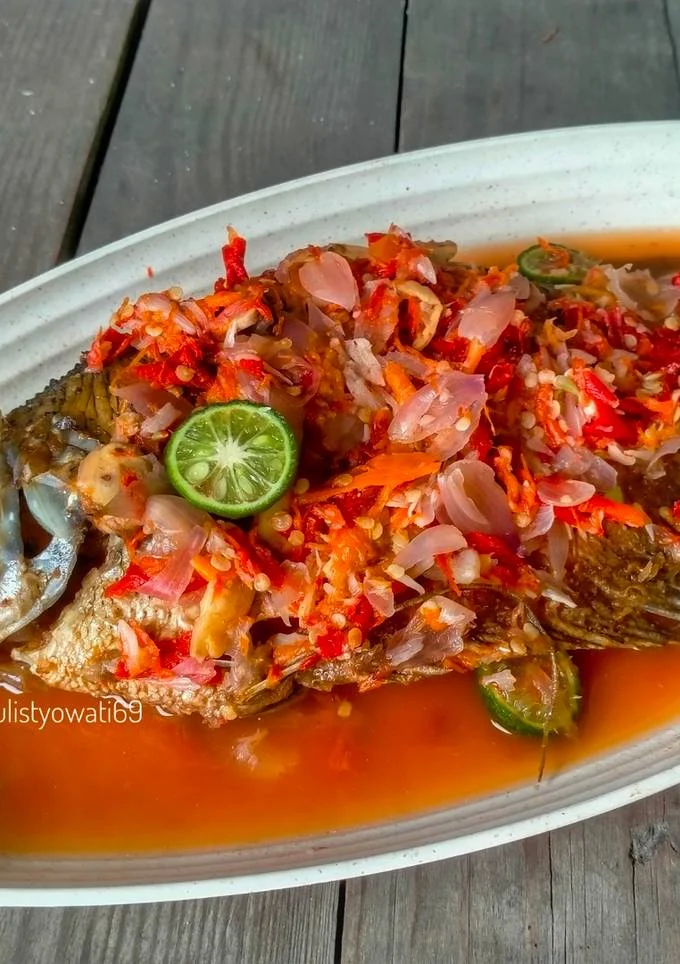
Before we dive into the recipe, let’s appreciate the essence of Pecak Ikan Gurame. Pecak, in Betawi cuisine, refers to a style of cooking where ingredients are crushed or ground to create a flavorful paste or sauce. The ‘ikan gurame’ (gourami fish) is the star of the show, prized for its delicate, slightly sweet flavor and firm texture. The magic of Pecak Ikan Gurame lies in the harmonious blend of spices that complement the fish, creating a symphony of flavors that dance on your palate.
The History and Cultural Significance
Pecak Ikan Gurame has deep roots in Betawi culture, reflecting the region’s history and culinary traditions. Betawi cuisine is a melting pot of influences, drawing from Javanese, Chinese, and Dutch culinary styles. Pecak, as a cooking technique, is believed to have originated from the need to maximize the flavor of ingredients, particularly spices. Ikan Gurame, readily available in the region’s rivers and fish farms, became a staple ingredient, leading to the creation of this iconic dish. Serving Pecak Ikan Gurame is often associated with festive occasions and family gatherings, symbolizing togetherness and culinary pride.
Selecting the Perfect Ikan Gurame
- Freshness: Choose fish with bright, clear eyes, firm flesh, and a fresh, clean smell. Avoid fish that smells fishy or ammonia-like.
- Size: A medium-sized gourami (around 500-700 grams) is ideal. This size ensures that the fish cooks evenly and remains moist.
- Appearance: The skin should be shiny and intact, with no signs of bruising or discoloration.
Essential Ingredients for Authentic Pecak Ikan Gurame
- For the Fried Gurame:
- 1 medium-sized gourami fish, cleaned and scaled
- 2 tablespoons lime juice
- 1 teaspoon salt
- Vegetable oil, for frying
- For the Pecak Gravy:
- 10-15 red chilies (adjust to your spice preference)
- 5-7 bird’s eye chilies (optional, for extra heat)
- 6 shallots
- 4 cloves garlic
- 2 cm ginger, peeled
- 2 cm galangal, peeled
- 2 cm kencur (lesser galangal), peeled
- 1 teaspoon shrimp paste (terasi), grilled or roasted
- 1 teaspoon palm sugar (gula merah), grated
- 1/2 teaspoon salt, or to taste
- 1/4 teaspoon ground white pepper
- 2-3 tablespoons tamarind pulp, soaked in 1/2 cup warm water and strained
- 1 cup hot water
- Fresh basil leaves (kemangi), for garnish
Step-by-Step Guide to Preparing Pecak Ikan Gurame
Step 1: Preparing the Gurame
-
Rinse the cleaned and scaled gourami fish thoroughly under cold water.
-
Pat the fish dry with paper towels. This helps to achieve a crispy skin during frying.
-
Make shallow diagonal cuts on both sides of the fish. This allows the flavors to penetrate the flesh and ensures even cooking.
-
Rub the fish with lime juice and salt. Let it marinate for at least 15-20 minutes. The lime juice helps to tenderize the fish and eliminate any fishy odor.
Step 2: Frying the Gurame
-
Heat a generous amount of vegetable oil in a large wok or deep fryer over medium-high heat. The oil should be hot enough to submerge the fish.
-
Carefully lower the marinated gourami into the hot oil.
-
Fry the fish until it is golden brown and crispy on both sides. This usually takes about 8-10 minutes per side, depending on the size of the fish.
-
Remove the fried fish from the oil and drain it on paper towels to remove excess oil.
Step 3: Preparing the Pecak Gravy
-
Grill or roast the red chilies, bird’s eye chilies (if using), shallots, garlic, ginger, galangal, and kencur until they are slightly softened and fragrant. This process enhances their flavor and makes them easier to grind.
-
In a mortar and pestle or a food processor, combine the grilled/roasted ingredients with the shrimp paste, palm sugar, salt, and white pepper.
-
Grind or process the ingredients into a smooth paste. If using a food processor, add a little water to help the mixture blend smoothly.
-
Transfer the spice paste to a bowl. Add the tamarind water and hot water. Mix well to combine.
-
Taste and adjust the seasoning as needed. You may add more salt, palm sugar, or tamarind water to achieve the desired flavor balance. The gravy should be spicy, savory, and slightly sweet with a hint of sourness.
Step 4: Assembling the Pecak Ikan Gurame
-
Place the fried gourami fish on a serving platter.
-
Pour the Pecak gravy generously over the fish, ensuring that it is well coated.
-
Garnish with fresh basil leaves (kemangi).
-
Serve immediately with warm rice and your favorite Indonesian side dishes.
Tips for Achieving Culinary Perfection
- Spice Level: Adjust the number of chilies according to your spice preference. If you prefer a milder flavor, reduce the number of red chilies or omit the bird’s eye chilies altogether.
- Freshness of Spices: Using fresh, high-quality spices is crucial for achieving the authentic flavor of Pecak Ikan Gurame.
- Grilling/Roasting: Grilling or roasting the spices enhances their flavor and adds a smoky depth to the gravy. Don’t skip this step!
- Tamarind Water: The tamarind water adds a crucial sour element to the gravy. Make sure to use good quality tamarind pulp and strain the water to remove any seeds or fibers.
- Serving: Pecak Ikan Gurame is best served immediately after assembling. The fried fish will become soggy if it sits in the gravy for too long.
Variations and Adaptations
- Pecak Ikan Mas: Substitute the gourami fish with carp (ikan mas) for a different flavor profile.
- Pecak Terong: For a vegetarian option, try Pecak Terong, which features grilled eggplants instead of fish.
- Regional Variations: Different regions of Indonesia may have their own unique versions of Pecak. Explore recipes from other areas to discover new flavors and techniques.
Serving Suggestions and Accompaniments
- Nasi Putih (White Rice): A must-have accompaniment to soak up the flavorful gravy.
- Tahu Goreng (Fried Tofu): Crispy fried tofu adds a textural contrast to the dish.
- Tempe Goreng (Fried Tempeh): Another popular Indonesian side dish made from fermented soybeans.
- Sayur Asem (Tamarind Vegetable Soup): A refreshing and tangy vegetable soup that complements the richness of the Pecak.
- Lalapan (Raw Vegetables): A selection of fresh raw vegetables, such as cucumber, lettuce, and cabbage, served with sambal.
Health Benefits of Pecak Ikan Gurame
- Rich in Protein: Gourami fish is an excellent source of protein, which is essential for building and repairing tissues.
- Source of Omega-3 Fatty Acids: Gourami fish contains omega-3 fatty acids, which are beneficial for heart health and brain function.
- Vitamins and Minerals: The spices used in the Pecak gravy are rich in vitamins and minerals, such as vitamin C, vitamin A, and iron.
- Anti-inflammatory Properties: Some of the spices, such as ginger and galangal, have anti-inflammatory properties that may help to reduce inflammation in the body.
Conclusion: Embark on Your Culinary Adventure
Pecak Ikan Gurame is a culinary masterpiece that embodies the rich flavors and traditions of Betawi cuisine. By following this comprehensive guide, you can confidently recreate this iconic dish in your own kitchen and impress your family and friends with your culinary skills. So, gather your ingredients, embrace the process, and embark on a flavorful adventure into the heart of Indonesian cuisine. Selamat makan! (Enjoy your meal!)
Frequently Asked Questions (FAQ)
Q: Can I use other types of fish besides gourami?
A: While gourami is the traditional choice, you can experiment with other firm white fish like snapper or pomfret. However, the flavor profile will be slightly different.
Q: How can I make the gravy less spicy?
A: Reduce the number of chilies or remove the seeds before grinding. You can also add a touch more palm sugar to balance the heat.
Q: Can I prepare the gravy in advance?
A: Yes, you can prepare the gravy a few hours in advance and store it in the refrigerator. However, it’s best to fry the fish just before serving to maintain its crispiness.
Q: What is the best way to store leftover Pecak Ikan Gurame?
A: Store the leftover fish and gravy separately in airtight containers in the refrigerator. Reheat gently before serving.
Q: Where can I find kencur?
A: Kencur (lesser galangal) can be found at most Asian grocery stores. If you can’t find it, you can omit it, but it will slightly alter the flavor.
More Betawi Dishes to Explore
- Gado-Gado Betawi: A vegetable salad with peanut sauce.
- Soto Betawi: A creamy coconut milk-based soup with beef and offal.
- Kerak Telor: A savory omelet made with glutinous rice and dried shrimp.
- Asinan Betawi: A pickled vegetable and fruit salad with peanut sauce.
The Art of Plating and Presentation
- Use a contrasting platter: A dark-colored platter will make the golden-brown fish and vibrant gravy stand out.
- Arrange the basil leaves artfully: Don’t just scatter the basil leaves; arrange them in a visually appealing way.
- Garnish with lime wedges: A few lime wedges add a pop of color and allow diners to adjust the acidity to their preference.
- Serve with a side of sambal: Offer a small dish of sambal (Indonesian chili paste) for those who prefer extra heat.
The Role of Spices in Betawi Cuisine
- Turmeric: Adds color and a slightly bitter flavor.
- Coriander: Has a warm, citrusy flavor.
- Cumin: Adds an earthy, smoky flavor.
- Candlenut: Used as a thickening agent and adds a creamy texture.
- Lemongrass: Imparts a citrusy aroma.
Preserving Betawi Culinary Heritage
- Learning and cooking Betawi recipes.
- Sharing your culinary creations with others.
- Supporting Betawi restaurants and food vendors.
- Documenting and preserving Betawi culinary traditions.
Embarking on this culinary journey to create Pecak Ikan Gurame is not just about cooking a dish; it’s about connecting with a culture, understanding its history, and appreciating the artistry of its cuisine. With each step, from selecting the freshest ingredients to the final garnish, you’re contributing to the preservation of a culinary legacy. So, gather your spices, sharpen your knives, and let’s celebrate the flavors of Betawi!