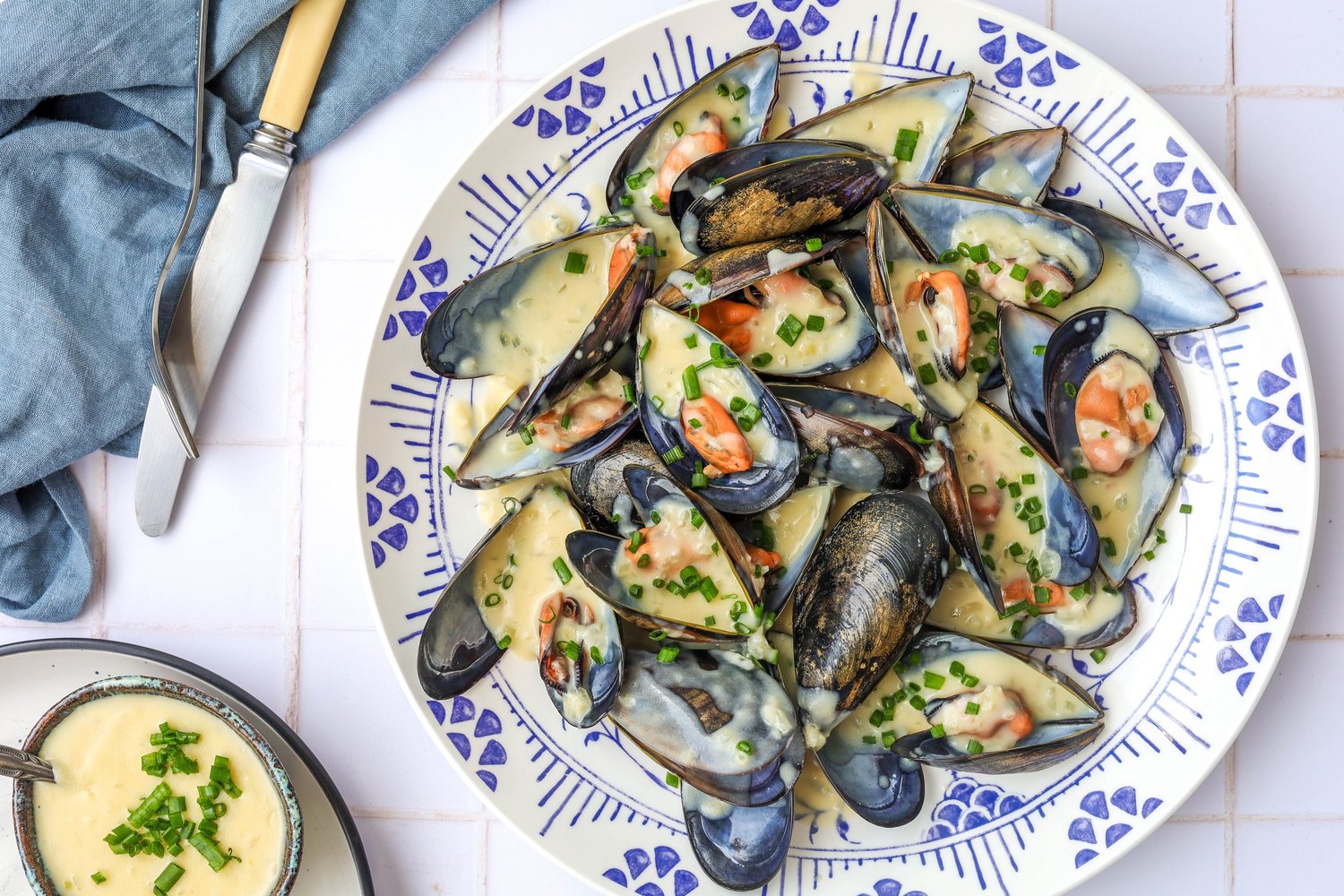

In this comprehensive guide, we will explore the nuances of pan-searing mussels. We will cover everything from selecting the freshest catch to the specific techniques required for both shell-on pan-roasting and searing shucked meats. By the end of this article, you will have the confidence to execute this dish with precision and flair.
Selecting the Best Mussels
The foundation of any great seafood dish is the quality of the raw ingredients. When shopping for mussels, freshness is paramount. Look for mussels that are kept on ice and smell like the clean, salty ocean. Avoid any that smell fishy, ammonia-like, or sour. The shells should be closed, or they should close immediately when you tap them. If a mussel remains open after being tapped, it is dead and must be discarded.
There are several varieties of mussels available, but the two most common are Blue Mussels and Green-lipped Mussels. Blue mussels are smaller, sweeter, and tender, making them excellent for high-heat pan-roasting in the shell. Green-lipped mussels, often imported from New Zealand, are much larger and meatier. These are the ideal candidates if you plan to shuck the mussels raw and sear the meat directly in the pan, similar to how you would cook a scallop.
Preparation: The Key to Success
Before any heat touches the pan, proper preparation is essential. Mussels grow on ropes or seabeds and can carry sand, grit, and barnacles. Start by rinsing your mussels under cold running water. Use a stiff brush to scrub the shells clean of any debris. This is particularly important for pan-searing because the high heat can cause debris to burn and ruin the flavor of your sauce.
Next, you must remove the "beard" (byssal threads). This is the fibrous clump of hair-like filaments the mussel uses to attach itself to rocks. To remove it, grasp the beard firmly and pull it down towards the hinge of the shell. It should snap off. Do this just before cooking, as removing the beard can shorten the mussel’s shelf life.
Pro Tip: After cleaning, let the mussels rest in a colander in the fridge for 20 minutes. This helps them relax and release any remaining internal water, ensuring a better sear rather than an accidental steam.
Equipment Essentials
To achieve a true pan-sear, you need the right cookware. A heavy-bottomed skillet is non-negotiable. Cast iron pans or multi-ply stainless steel skillets are the best choices because they retain heat exceptionally well. When you add cool mussels to a hot pan, you want the temperature to remain high to cook them quickly.
Avoid using non-stick pans for this technique if possible. Non-stick surfaces often cannot handle the high heat required for a good sear, and the hard shells of the mussels can scratch the coating. A wide sauté pan is also preferable to a deep pot; a wider surface area ensures that the mussels are exposed to direct heat rather than stacking on top of each other and steaming.
Technique 1: Pan-Roasting Whole Mussels
This technique is a hybrid between sautéing and roasting. It is perfect for Blue Mussels and creates a smoky, intense flavor profile. The goal is to cook the mussels rapidly in a very hot pan with oil and aromatics.
- Heat the Pan: Place your cast iron or stainless steel skillet over medium-high heat. Add a generous amount of high-smoke-point oil (like avocado or grapeseed oil) and a knob of butter.
- Bloom Aromatics: Once the butter foams, add diced shallots, garlic, and perhaps some diced chorizo or bacon. Sauté until the aromatics are browned and fragrant.
- Add Mussels: Toss the cleaned, dry mussels into the pan. Do not overcrowd them; they should form a single layer as much as possible.
- The Sear: Let them sit undisturbed for 30-60 seconds. This heats the shells rapidly and starts to cook the meat via conduction.
- Cover and Shake: Add a splash of wine or beer if desired, then immediately cover the pan. Shake the pan vigorously. The steam combined with the direct heat will pop the shells open within 2-4 minutes.
- Finish: Remove the lid. Discard any mussels that haven’t opened. Toss with fresh herbs and lemon juice before serving immediately.
Technique 2: Searing Shucked Mussel Meat
For a more refined, restaurant-style presentation, you can sear the meat of the mussel directly. This works best with large Green-lipped mussels or jumbo Blue mussels. This method requires shucking the raw mussel, which takes practice but yields incredible results.
To shuck a raw mussel, slide a thin, flexible knife between the shells to sever the adductor muscle. Open the shell and scoop out the meat. Save the juices (liquor) for a sauce, but keep the meat separate.
- Dry the Meat: This is the most critical step. Pat the mussel meats thoroughly dry with paper towels. Moisture is the enemy of a good sear.
- Season: Lightly season the meat with salt and pepper. Remember, mussels are naturally salty, so be conservative.
- Sear: Heat a skillet with oil until it is shimmering and near smoking. Place the mussel meats in the pan, ensuring they do not touch.
- Don’t Touch: Let them sear undisturbed for 1-2 minutes until a golden-brown crust forms.
- Flip and Baste: Flip the mussels. Add a tablespoon of butter and a sprig of thyme to the pan. Baste the mussels with the foaming butter for another minute until cooked through.
Flavor Profiles and Pairings
Pan-seared mussels are incredibly versatile and can support a wide range of flavor profiles. Because the cooking method adds caramelized notes, you can be bolder with your seasonings than with delicate steamed mussels.
Classic French: Stick to butter, shallots, garlic, parsley, and dry white wine. The searing of the shallots adds a sweetness that balances the brine.
Thai Fusion: Use coconut oil for searing. Add red curry paste, ginger, lemongrass, and finish with coconut milk and cilantro. The high heat helps release the oils in the curry paste.
Spanish Style: Start by rendering chorizo in the pan. Use the rendered fat to sear the mussels. Add smoked paprika and a splash of sherry vinegar for acidity.
Common Mistakes and How to Avoid Them
Overcrowding the Pan: If you pile too many mussels into the skillet, the temperature drops drastically. Instead of searing or roasting, the mussels will release their water and boil. If you have a lot of mussels, cook them in batches.
Overcooking: Mussels cook very fast. As soon as the shell opens (for whole mussels) or the meat feels firm (for shucked), they are done. Overcooked mussels turn rubbery, dry, and lose their sweetness.
Forgetting to Deglaze: After searing mussels, there will be browned bits (fond) stuck to the bottom of the pan. This is pure flavor. Always deglaze with wine, lemon juice, or stock to lift this flavor into a sauce.
Serving Suggestions
Pan-seared mussels are best served immediately while they are hot and plump. The nature of the dish demands a vessel for the delicious juices created during cooking.
Crusty sourdough bread or a baguette is essential for mopping up the pan sauce. For a full meal, serve them alongside thin, crispy French fries (Moules Frites) or over a bed of linguine tossed with garlic and olive oil. If you have seared shucked mussels, they make an elegant topping for a saffron risotto or a creamy corn chowder.
Frequently Asked Questions (FAQ)
Q: Can I use frozen mussels for pan-searing?
A: Yes, but with caveats. Frozen mussels are usually pre-cooked. If you use them, thaw them completely and pat them very dry. You are essentially just reheating them and adding flavor, so the cooking time should be extremely short to avoid rubbery textures.
Q: How do I store fresh mussels before cooking?
A: Keep them in the refrigerator in a bowl covered with a damp cloth. Do not store them in water or in an airtight container, as they need to breathe. They are best cooked the day you buy them.
Q: Is it safe to eat mussels that don’t open?
A: The general rule is to discard mussels that do not open after cooking. While some chefs argue they might be safe if pried open, for home cooks, it is safer to assume the mussel was dead before cooking and discard it to avoid foodborne illness.
Conclusion
Pan-searing mussels is a technique that bridges the gap between simple home cooking and restaurant-quality dining. By moving away from the standard steaming pot and utilizing the intense heat of a skillet, you create a dish with complex textures and rich, concentrated flavors. Whether you choose to pan-roast them whole with chorizo and garlic or carefully sear large shucked meats with butter and thyme, the results are undeniably superior.
Remember that success lies in the preparation: selecting fresh shellfish, cleaning them thoroughly, and managing your heat to avoid steaming when you want searing. With these techniques in your culinary arsenal, you can turn an affordable ingredient into a spectacular centerpiece for any dinner party.