
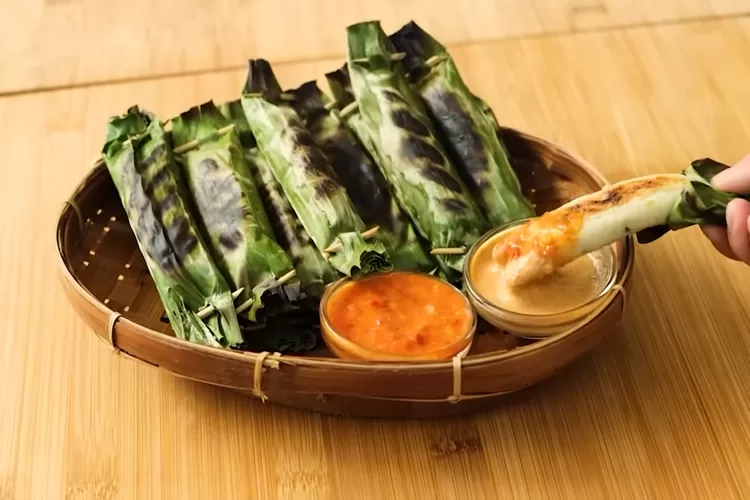

The journey to perfect Otak-Otak begins with understanding its core characteristics. It’s not just about mixing ingredients; it’s about a symphony of textures and tastes. The chewy quality, often described as ‘bouncy’ or ‘springy,’ is paramount, distinguishing it from other fish preparations. Equally important is the profound savory taste, a harmonious blend of fresh fish, aromatic spices, and creamy coconut milk.
Deciphering ‘kenyal’ and ‘gurih’ is the first step towards mastery. ‘Kenyal’ refers to a pleasant elasticity, a resistance when bitten into, yet yielding without being tough or rubbery. It’s a texture that invites another bite. ‘Gurih,’ on the other hand, is a complex savory flavor, often associated with umami, enriched by the natural sweetness of coconut and the pungency of spices, leaving a satisfying lingering taste on the palate.
At the heart of an exceptional Otak-Otak lies its star ingredient: Ikan Tenggiri, or Spanish Mackerel. This particular fish is prized for its firm, white flesh and moderate fat content, which contributes significantly to both the texture and flavor of the final product. Its natural sweetness and robust fish flavor stand up beautifully to the bold spices, making it the quintessential choice for this dish. While other fish can be used, Tenggiri offers an unparalleled foundation.
Selecting the freshest Tenggiri is absolutely crucial. Look for fish with clear, bright, bulging eyes, not sunken or cloudy. The gills should be a vibrant red, not brown or slimy. The skin should be shiny and moist, with scales firmly attached. Most importantly, press gently on the flesh; it should spring back immediately, indicating firmness and freshness. Avoid any fish with a strong, unpleasant ‘fishy’ odor; a fresh fish will have a mild, oceanic scent.
Once you’ve secured your fresh Tenggiri, proper preparation of the fish meat is vital. Begin by filleting the fish, carefully separating the flesh from the bones. The traditional method then involves scraping the meat off the skin and bones using a spoon or the back of a knife. This technique ensures that only the purest, most tender fish meat is used, free from any sinew or dark meat that could compromise the texture or flavor. Aim for a fine, paste-like consistency.
The ‘kenyal’ texture is largely attributed to tapioca starch. Unlike wheat flour, tapioca starch is gluten-free and creates a uniquely springy, translucent quality when cooked. The key is to use the correct proportion; too little, and your Otak-Otak will be soft and crumbly; too much, and it will become overly dense and rubbery. Tapioca starch interacts with the fish proteins to form a cohesive, elastic matrix, providing that sought-after bounce.
For the ‘gurih’ factor, fresh coconut milk is indispensable. Its rich, creamy texture and subtle sweetness infuse the fish cake with a depth of flavor that cannot be replicated. Opt for freshly squeezed coconut milk if possible, as it yields a superior aroma and taste compared to canned versions. The fat in the coconut milk also contributes to the overall mouthfeel, making the Otak-Otak incredibly tender and moist.
A symphony of fresh spices forms the aromatic soul of Otak-Otak. The essential ‘bumbu’ (spice paste) typically includes:
- Shallots: For a sweet, pungent base.
- Garlic: Providing a sharp, aromatic kick.
- Red Chilies: Offering a gentle warmth and vibrant color (adjust to your spice preference).
- Candlenuts (Kemiri): Adding a creamy texture and nutty flavor to the paste.
- Ginger: For a fresh, zesty note that cuts through richness.
- Galangal (Laos): Contributing an earthy, citrusy aroma distinctive to Southeast Asian cuisine.
These ingredients, freshly ground, are crucial for an authentic taste.
Beyond the aromatic spices, precise seasoning is paramount. Salt, sugar, and white pepper are the trinity that balances and enhances all other flavors. Salt brings out the natural sweetness of the fish and coconut, sugar rounds off any harsh edges and adds a subtle caramelization during grilling, while white pepper provides a gentle warmth and aromatic finish. Taste and adjust meticulously to achieve that perfect savory-sweet equilibrium.
The inclusion of an egg serves multiple purposes. It acts as a binder, helping to emulsify the mixture and prevent it from falling apart. Furthermore, the egg yolk contributes richness and a slight golden hue, while the egg white can add a bit of lightness and aeration to the paste, resulting in a more tender and cohesive Otak-Otak.
One of the most guarded secrets to achieving truly ‘kenyal’ Otak-Otak is the strategic use of ice water. The cold temperature helps to keep the fish proteins from denaturing too quickly, allowing for better elasticity development. When added gradually, ice water helps to hydrate the tapioca starch without making the mixture too sticky, ensuring a smooth, pliable dough. The precise ratio of fish to tapioca to liquid is the ultimate determinant of texture.
Mastering the mixing technique is critical. The goal is to develop the elasticity of the fish paste without overworking it, which can lead to a tough, rubbery texture. Start by combining the fish meat with the ground spices, salt, sugar, and egg. Then, gradually incorporate the tapioca starch and ice water. The mixing should be done gently but thoroughly, ideally by hand or with a stand mixer on low speed, until the mixture is smooth, cohesive, and slightly sticky, yet still pliable.
To truly enhance the ‘gurih’ profile, focus on the freshness of your ingredients. Stale spices lose their potency, resulting in a flat flavor. Grinding spices just before use maximizes their aromatic impact. Furthermore, ensuring a harmonious balance between the savory, sweet, and spicy elements is key. No single flavor should dominate; instead, they should complement each other, creating a rich, complex tapestry of taste.
For those seeking an even deeper umami punch, consider incorporating a small amount of fermented shrimp paste (terasi or belacan) into your spice blend. This ingredient, used judiciously, can elevate the ‘gurih’ factor significantly, adding a layer of savory complexity that is characteristic of many Indonesian dishes. Finely chopped spring onions or celery leaves can also be folded into the mixture for a fresh, herbaceous note.
Preparing the spice paste (‘bumbu halus’) is a foundational step. Peel and chop all the required spices. For the best flavor, traditionally, these are ground using a mortar and pestle until a smooth paste is formed. Alternatively, a food processor can be used, adding a little oil or water to aid the blending process. Some recipes call for lightly sautéing the bumbu in a small amount of oil until fragrant before mixing it with the fish, which helps to deepen its flavor profile.
With your fish paste and spice blend ready, it’s time to assemble the Otak-Otak mixture. In a large bowl, combine the scraped fish meat, the prepared ‘bumbu halus,’ salt, sugar, and white pepper. Mix thoroughly until well combined. Gradually add the beaten egg, then alternate between adding tapioca starch and ice water, mixing gently after each addition. The mixture should feel firm but still pliable, with a noticeable elasticity. Avoid aggressive kneading.
The traditional vessel for cooking Otak-Otak is the banana leaf, which imparts a subtle, earthy aroma and helps to keep the fish cake moist. First, clean the banana leaves thoroughly and pass them over a flame or dip them in hot water to make them pliable and prevent cracking during wrapping. Cut them into rectangular pieces of appropriate size. Spoon a portion of the fish mixture onto the center of a leaf, then fold and secure it into a neat parcel, often using toothpicks or small skewers.
The classic method for cooking Otak-Otak is grilling over charcoal. This imparts an irresistible smoky flavor and a beautifully charred exterior. Preheat your grill to a medium-high heat. Place the wrapped Otak-Otak parcels directly on the grill grates. Grill for approximately 10-15 minutes on each side, or until the banana leaves are slightly charred and the fish cake inside is cooked through. The smoky aroma is a key characteristic of authentic Otak-Otak.
For optimal texture and to ensure even cooking, many chefs advocate for pre-steaming the wrapped Otak-Otak before grilling. Steam the parcels for 15-20 minutes until they are firm and cooked through. This step ensures the interior is perfectly tender, while the subsequent grilling primarily focuses on developing that smoky char and surface flavor without the risk of an uncooked center. This hybrid approach often yields the best results.
If grilling isn’t feasible, Otak-Otak can also be cooked by steaming or baking. Steaming produces a very moist and tender Otak-Otak, though it will lack the smoky char. Simply steam the wrapped parcels for 20-25 minutes. Baking offers a middle ground; preheat your oven to 180°C (350°F) and bake for 20-30 minutes, flipping halfway, until the leaves are slightly browned. While these methods deviate from tradition, they still produce delicious results.
Otak-Otak is rarely served plain. Its perfect companion is a vibrant peanut sauce (sambal kacang). This rich, slightly spicy, and sweet sauce complements the savory fish cake beautifully. The sauce typically involves roasted peanuts, chilies, garlic, tamarind, palm sugar, and a touch of lime juice, all blended to a smooth consistency. The creaminess of the peanut sauce provides a delightful contrast to the chewy Otak-Otak.
Beyond peanut sauce, various other sambals can elevate your Otak-Otak experience. A simple lime chili sauce (sambal jeruk limau), a fiery red chili sambal, or even a sweet chili sauce can offer different flavor dimensions. Experiment with different levels of heat and tanginess to find your preferred pairing. The versatility of Otak-Otak allows for a wide range of condiment choices.
Presentation also enhances the dining experience. Serve the grilled Otak-Otak still in its banana leaf wrapper, allowing guests to unwrap it themselves, releasing its aromatic steam. Garnish with fresh lime wedges, a sprinkle of chopped spring onions, or a few sprigs of cilantro. A small bowl of the accompanying sauce should be placed alongside, inviting dipping and savoring.
Even experienced cooks can encounter challenges. If your Otak-Otak turns out too tough or rubbery, the likely culprits are either too much tapioca starch or over-kneading the fish mixture. Remember, gentle mixing is key to developing elasticity without creating excessive toughness. Adjusting the tapioca ratio in future attempts will help achieve the desired ‘kenyal’ texture.
Conversely, if your Otak-Otak is too soft or mushy, it probably means there wasn’t enough tapioca starch, or perhaps too much liquid (ice water or coconut milk) was added. The mixture should be firm enough to hold its shape when wrapped. Gradually add tapioca starch and ensure precise measurements for liquids to maintain the correct consistency.
A common complaint is lack of flavor. This can stem from using stale spices, insufficient seasoning (salt, sugar), or not enough aromatic ingredients. Always use fresh spices, and don’t be afraid to taste and adjust the mixture before cooking (by cooking a small test piece if preferred) to ensure the seasoning is perfectly balanced.
An unpleasant fishy odor usually indicates that the fish wasn’t fresh enough. Even the best spices can’t fully mask an old fish. Ensure you select the freshest Tenggiri available. Additionally, increasing the amount of ginger and galangal in your spice paste can help to neutralize any residual fishiness.
If your Otak-Otak is burning excessively during grilling, the heat might be too high, or you might be grilling it for too long without pre-steaming. Lower the grill temperature, or consider pre-steaming the parcels to cook them through first, then using the grill purely for charring and imparting smoky flavor on a lower, more controlled heat.
Expert Tip 1: The Importance of Freshness. We cannot overstate this. The quality of your Tenggiri fish is the single most important factor determining the success of your Otak-Otak. Invest in the freshest fish you can find; it makes a world of difference in both taste and texture.
Expert Tip 2: Temperature Control. Keeping your ingredients, especially the fish and ice water, chilled throughout the mixing process is crucial. Cold temperatures help the fish proteins maintain their structure, contributing to that desirable ‘kenyal’ texture. A cold environment prevents the mixture from becoming oily or sticky prematurely.
Expert Tip 3: Patience in Preparation. Otak-Otak is a dish that rewards patience. From carefully scraping the fish meat to meticulously grinding spices and gently mixing the dough, each step contributes to the final masterpiece. Rushing any part of the process can compromise the outcome.
Expert Tip 4: Taste and Adjust. While it’s not always advisable to taste raw fish mixture, you can cook a tiny portion of the dough in a pan or microwave to check the seasoning before wrapping all the Otak-Otak. This allows you to fine-tune the salt, sugar, and spice levels to your preference.
Expert Tip 5: Practice Makes Perfect. Don’t be discouraged if your first attempt isn’t absolutely perfect. Like any culinary skill, mastering Otak-Otak takes practice. Pay attention to the feel of the dough, the aroma of the spices, and the feedback from your taste buds. Each attempt will bring you closer to perfection.
For those who enjoy culinary experimentation, consider variations. While Tenggiri is traditional, some recipes incorporate other white fish or even a blend of fish and shrimp for a different flavor profile. The principles of ‘kenyal’ and ‘gurih’ remain, but the specific taste notes can evolve.
Feel free to customize your spice blend. If you prefer more heat, add extra chilies. For a stronger citrus note, include more kaffir lime leaves or lemongrass. Some regional variations might include turmeric for color and earthy notes, or even a touch of tamarind for tanginess. Make the recipe your own!
Proper storage ensures you can enjoy your homemade Otak-Otak for longer. Uncooked, wrapped Otak-Otak can be stored in an airtight container in the refrigerator for up to 2-3 days, or frozen for up to a month. Cooked Otak-Otak also keeps well in the fridge for a couple of days.
To reheat cooked Otak-Otak, gently grill it again over medium heat until warmed through and the banana leaf is fragrant, or steam it for a few minutes. Avoid microwaving, as it can make the texture rubbery. Reheating on a grill or in a pan will help revive its flavors and textures.
Crafting Otak-Otak Ikan Tenggiri is more than just cooking; it’s an immersive experience in Indonesian culinary heritage. The satisfaction of achieving that perfect ‘kenyal’ and ‘gurih’ balance is immensely rewarding, transforming simple ingredients into an extraordinary dish. It’s a testament to the beauty of traditional cooking and the joy of sharing delicious food.
Armed with these insights and techniques, you are now ready to embark on your own journey to master Otak-Otak Ikan Tenggiri. Embrace the process, savor the aromas, and delight in the incredible flavors. Your efforts will undoubtedly be rewarded with a truly authentic and unforgettable culinary creation that will impress family and friends alike. Selamat mencoba!