
Selecting the Freshest Octopus: Your First Step to Success
Appearance: Look for octopus with vibrant, glossy skin. Avoid any that appear dull, slimy, or discolored.
Smell: The octopus should have a fresh, clean ocean scent. A strong, fishy, or ammonia-like odor is a sign of spoilage.
Texture: The flesh should be firm and springy to the touch. Avoid octopus that feels mushy or soft.
Source: Whenever possible, purchase octopus from a reputable fishmonger or seafood market that you trust. Ask about the origin of the octopus and how it was handled.
Fresh vs. Frozen: While fresh octopus is ideal, frozen octopus can also be a good option if it has been properly handled. Look for octopus that has been vacuum-sealed and frozen quickly after being caught.
Cleaning the Octopus: A Meticulous Process
Once you’ve selected your octopus, the next step is to clean it thoroughly. This process removes any impurities and prepares the octopus for tenderizing and cooking.
Rinsing: Begin by rinsing the octopus under cold running water. Remove any visible debris or sand.
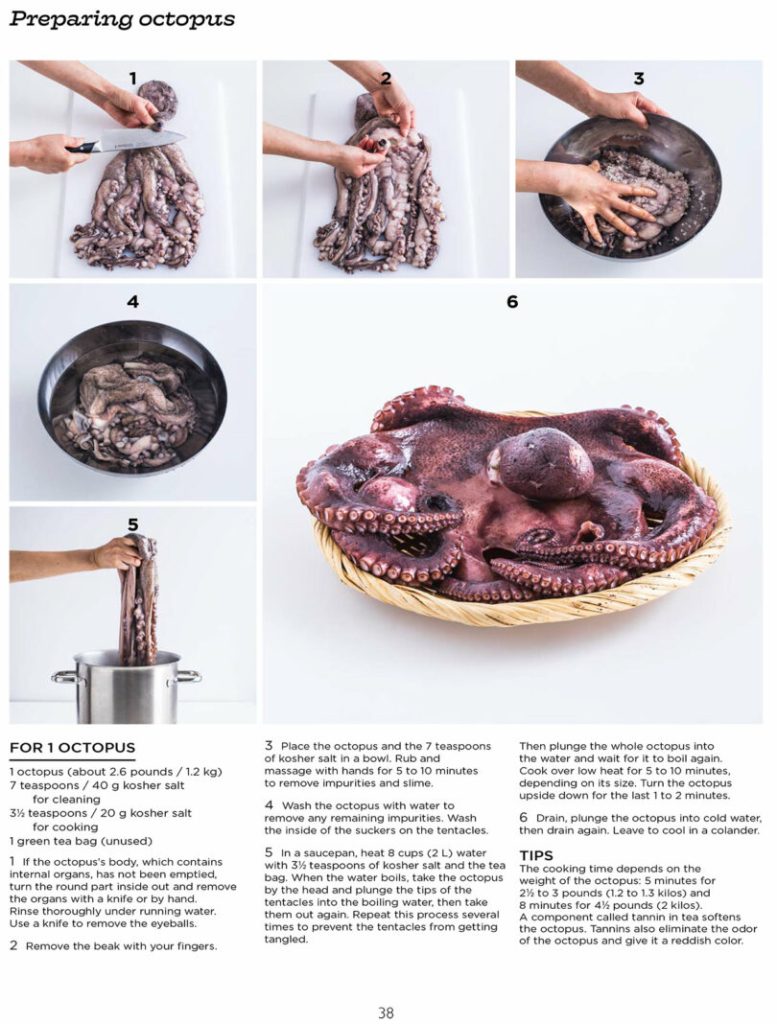
Removing the Ink Sac: Locate the ink sac, which is a small, dark-colored sac located near the head. Carefully remove the ink sac without breaking it, as the ink can stain the octopus.
Removing the Beak: The beak is a hard, parrot-like structure located in the center of the octopus’s body. To remove it, turn the octopus inside out and push the beak out from the inside. You can also use a small knife to carefully cut around the beak and remove it.
Removing the Eyes: The eyes are located on either side of the head. Use a sharp knife to carefully cut around the eyes and remove them.
Scrubbing the Suckers: The suckers on the octopus’s arms can harbor dirt and debris. Use a stiff brush or your fingers to scrub each sucker thoroughly under cold running water.
Tenderizing the Octopus: Breaking Down Tough Fibers
Daikon Radish Method: This is a traditional Japanese method. Place the cleaned octopus in a large bowl and rub it vigorously with a daikon radish for several minutes. The enzymes in the daikon radish help to break down the muscle fibers.
Salt Method: Similar to the daikon radish method, you can rub the octopus with coarse sea salt for several minutes. The salt helps to draw out moisture and tenderize the flesh.
Freezing Method: Freezing the octopus can also help to tenderize it. Place the cleaned octopus in a freezer bag and freeze it for at least 24 hours. Thaw it completely before cooking.
Massaging Method: Simply massaging the octopus for several minutes can also help to tenderize it. Use your hands to knead and squeeze the octopus, focusing on the thicker parts of the arms.
Cooking the Octopus: Achieving the Perfect Texture
Cooking octopus requires precision to achieve the perfect balance of tenderness and firmness. Overcooked octopus will be rubbery, while undercooked octopus will be too tough.
Boiling: This is the most common method for cooking octopus. Bring a large pot of water to a boil. Add a pinch of salt and a few slices of ginger to the water. Gently lower the octopus into the boiling water and cook for 20-30 minutes, depending on the size of the octopus. Check for doneness by inserting a fork into the thickest part of the arm. The octopus is done when the fork slides in easily.
Steaming: Steaming is another gentle method for cooking octopus. Place the cleaned octopus in a steamer basket and steam over boiling water for 30-40 minutes, or until tender.
Sous Vide: Sous vide is a precise cooking method that involves cooking the octopus in a temperature-controlled water bath. This method ensures even cooking and a tender texture. Cook the octopus at 170°F (77°C) for 2-3 hours.
Cooling the Octopus: Preserving Texture and Flavor
Once the octopus is cooked, it’s important to cool it properly to preserve its texture and flavor.
Ice Bath: The best way to cool the octopus is to plunge it into an ice bath immediately after cooking. This stops the cooking process and prevents the octopus from becoming overcooked.
Air Drying: After the ice bath, pat the octopus dry with paper towels and let it air dry in the refrigerator for at least an hour. This helps to firm up the texture and intensify the flavor.
Slicing the Octopus: Precision for Presentation
The way you slice the octopus can significantly impact its texture and presentation. For sushi and sashimi, it’s important to slice the octopus thinly and evenly.
Against the Grain: Always slice the octopus against the grain of the muscle fibers. This will make it easier to chew and prevent it from being too tough.
Thin Slices: Use a sharp knife to slice the octopus into thin, even slices. Aim for slices that are about 1/8 inch thick.
Presentation: Arrange the slices of octopus artfully on a plate or sushi platter. Garnish with a sprig of parsley or a lemon wedge for added visual appeal.
Enhancing Flavor: Marinating Techniques
While octopus has a delicate flavor on its own, marinating can enhance its taste and add complexity.
Soy Sauce and Mirin: A classic Japanese marinade consists of soy sauce, mirin (sweet rice wine), and a touch of ginger. Marinate the sliced octopus for 15-30 minutes before serving.
Citrus Marinade: A citrus marinade made with lemon or lime juice, olive oil, and herbs can add a bright, refreshing flavor to the octopus.
Spicy Marinade: For a spicy kick, try marinating the octopus in a mixture of gochujang (Korean chili paste), soy sauce, sesame oil, and garlic.
Serving Suggestions: Sushi and Sashimi Creations
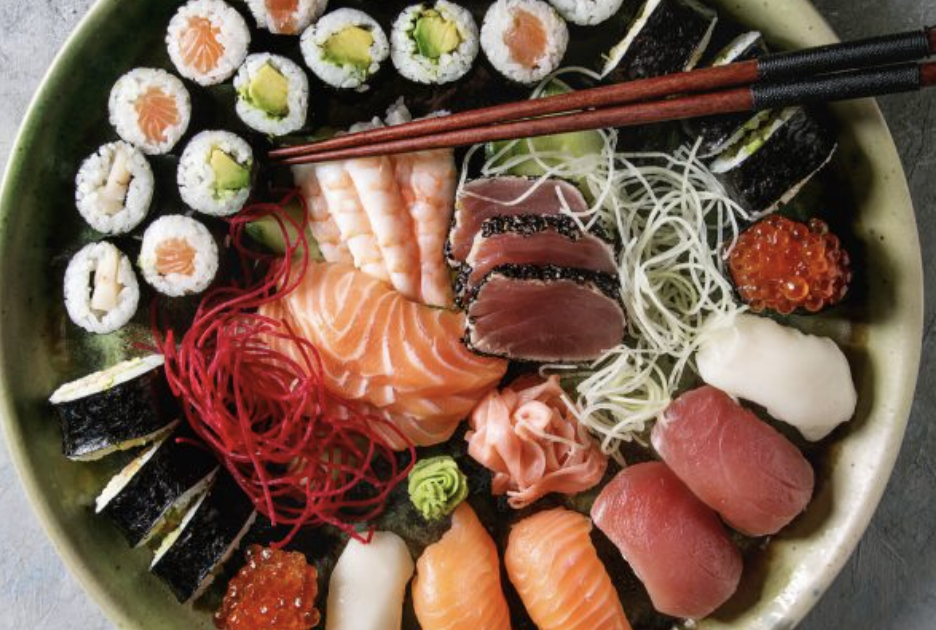
Now that you’ve mastered the art of preparing octopus, it’s time to create some delicious sushi and sashimi dishes.
Octopus Sushi (Nigiri): Shape a small amount of sushi rice into an oblong shape and top with a slice of octopus. A touch of wasabi adds a nice kick.
Octopus Sashimi: Arrange thin slices of octopus on a plate and serve with soy sauce and wasabi.
Octopus Salad: Combine sliced octopus with cucumbers, seaweed, and a sesame dressing for a refreshing salad.
Octopus Ceviche: Marinate diced octopus in lime juice, cilantro, and onions for a zesty ceviche.
Advanced Techniques: Mastering the Art of Octopus Preparation
Scoring: Scoring the octopus before cooking can help to prevent it from curling up and ensure even cooking. Use a sharp knife to make shallow cuts across the surface of the octopus.
Tapping: Tapping the octopus with a wooden mallet can help to tenderize it and break down the muscle fibers.
Aging: Aging the octopus in the refrigerator for a few days can intensify its flavor and improve its texture.
Safety First: Ensuring Food Safety
When preparing octopus for raw consumption, it’s crucial to follow proper food safety guidelines to prevent foodborne illness.
Hygiene: Wash your hands thoroughly with soap and water before and after handling octopus.
Cross-Contamination: Use separate cutting boards and utensils for octopus and other foods to prevent cross-contamination.
Storage: Store octopus properly in the refrigerator at a temperature of 40°F (4°C) or below.
Consumption: Consume octopus within 1-2 days of purchase.
Conclusion: A Journey to Octopus Perfection
Preparing octopus for sushi and sashimi is an art that requires patience, skill, and attention to detail. By following the steps outlined in this guide, you can transform this humble ingredient into a culinary masterpiece that will impress your friends and family. Enjoy the journey and savor the delicious rewards!
Disclaimer: Consuming raw or undercooked seafood may increase your risk of foodborne illness. Consult with a healthcare professional if you have any concerns.
By mastering these techniques, you’ll be well on your way to creating exceptional sushi and sashimi with perfectly prepared octopus. Enjoy the process and the delicious results!
In conclusion, preparing octopus for sushi and sashimi is a rewarding culinary endeavor. With careful selection, thorough cleaning, proper tenderizing, and precise cooking, you can unlock the full potential of this unique seafood. Experiment with different marinades and serving suggestions to create your own signature octopus dishes. Remember to prioritize food safety and enjoy the delicious journey of mastering octopus preparation.
- Explore different types of octopus and their unique characteristics.
- Research traditional Japanese techniques for preparing octopus.
- Experiment with different flavor combinations and marinades.
- Attend a sushi-making class to learn from experienced chefs.
With dedication and practice, you can become a true octopus aficionado!
Enjoy the art of sushi and sashimi making!
Bon appétit!