
Understanding Nyonya Cuisine: A Flavorful Heritage
Before diving into the recipe, it’s crucial to understand the foundations of Nyonya cooking. Nyonya cuisine, also known as Peranakan cuisine, originated from the intermarriages between Chinese traders and local Malay women in Southeast Asia. This cultural exchange resulted in a culinary style that blends the best of both worlds. Chinese cooking techniques were adapted to incorporate Malay spices, herbs, and ingredients, creating a unique and flavorful cuisine.
- Use of Fresh Herbs and Spices: Galangal, lemongrass, turmeric, ginger, chilies, and shallots are staples.
- Tangy and Aromatic Flavors: Tamarind, lime juice, and vinegar add a distinctive sourness.
- Coconut Milk: Adds richness and creaminess to many dishes.
- Fermented Ingredients: Belacan (shrimp paste) and taucheo (fermented soybean paste) provide umami.
Nyonya cooking is a labor of love, often involving intricate preparation methods and a deep understanding of flavor balance. Ikan Panggang Nyonya is a perfect example of this culinary philosophy, showcasing the harmonious blend of sweet, sour, spicy, and savory elements.
Selecting the Perfect Fish: The Foundation of Flavor
- Has Bright, Clear Eyes: Avoid fish with cloudy or sunken eyes.
- Smells Fresh: The fish should have a mild, sea-like aroma, not a strong or fishy odor.
- Has Firm Flesh: The flesh should spring back when gently pressed.
- Has Shiny Scales: The scales should be intact and have a vibrant sheen.
- Has Bright Red Gills: The gills should be moist and bright red, not brown or slimy.
- Pomfret (Bawal): A popular choice due to its delicate flavor and firm texture.
- Snapper (Kakap): Offers a slightly sweeter taste and holds up well to grilling.
- Sea Bass (Siakap): A versatile option with a mild flavor that complements the Nyonya spices.
- Mackerel (Tenggiri): A flavorful and oily fish that adds richness to the dish. Adjust cooking time accordingly.
Once you’ve selected your fish, ensure it is properly cleaned and scaled. Remove the gills and entrails, and rinse thoroughly under cold running water. Pat the fish dry with paper towels before marinating.
Crafting the Nyonya Spice Paste: The Heart of the Dish
- Aromatic Base: Shallots, garlic, ginger, and galangal form the foundation of the spice paste, providing a pungent and fragrant base.
- Spicy Kick: Red chilies (both fresh and dried) add heat and complexity. Adjust the quantity to your preferred spice level.
- Citrusy Notes: Lemongrass and lime leaves contribute a refreshing citrus aroma.
- Umami Boost: Belacan (shrimp paste) adds a savory depth and umami richness. Use sparingly, as it has a strong flavor.
- Earthy Undertones: Turmeric and coriander add warm, earthy notes and a vibrant color.
- Tangy Accent: Tamarind paste or juice provides a sour element that balances the richness of the spices.
- 10 shallots, peeled
- 6 cloves garlic, peeled
- 2-inch piece of ginger, peeled and sliced
- 2-inch piece of galangal, peeled and sliced
- 2 stalks lemongrass, finely sliced
- 5-10 red chilies (adjust to taste), seeded if desired
- 1 tablespoon dried chili paste (optional, for extra heat)
- 1 teaspoon turmeric powder
- 1 teaspoon coriander powder
- 1 tablespoon belacan (shrimp paste), toasted
- 4 lime leaves, finely sliced
- 2 tablespoons tamarind paste, mixed with 4 tablespoons water to extract juice
- 2 tablespoons vegetable oil
- 1 teaspoon sugar
- 1/2 teaspoon salt, or to taste
-
Prepare the Ingredients: Ensure all ingredients are peeled, sliced, and measured. Toast the belacan by wrapping it in foil and heating it in a dry pan for a few minutes until fragrant.
-
Blend the Spices: Combine the shallots, garlic, ginger, galangal, lemongrass, red chilies, dried chili paste (if using), turmeric powder, coriander powder, and toasted belacan in a food processor or blender.
-
Grind to a Paste: Blend the ingredients until you achieve a smooth paste. You may need to add a little water to help the blending process.
-
Sauté the Spice Paste: Heat the vegetable oil in a wok or large frying pan over medium heat. Add the spice paste and sauté for 8-10 minutes, or until fragrant and the oil separates from the paste. Stir frequently to prevent burning.
-
Add Lime Leaves and Tamarind Juice: Stir in the sliced lime leaves and tamarind juice. Continue to cook for another 2-3 minutes, allowing the flavors to meld together.
-
Season and Adjust: Season with sugar and salt to taste. Adjust the sweetness, sourness, and saltiness to your preference. The spice paste should be well-balanced and flavorful.
-
Cool and Store: Allow the spice paste to cool completely before using it to marinate the fish. You can store the leftover spice paste in an airtight container in the refrigerator for up to a week.
Marinating the Fish: Infusing Flavor Deep Within
Marinating the fish is a crucial step in creating flavorful Ikan Panggang Nyonya. The marinade allows the spices to penetrate the flesh, ensuring that every bite is packed with flavor.
-
Prepare the Fish: Make shallow slits on both sides of the fish to allow the marinade to penetrate deeper.
-
Apply the Spice Paste: Generously rub the Nyonya spice paste all over the fish, ensuring that it covers every surface, including the slits.
-
Marinate: Place the marinated fish in a dish or resealable bag and refrigerate for at least 2 hours, or preferably overnight. The longer the fish marinates, the more flavorful it will become.
-
Bring to Room Temperature: Before grilling, remove the fish from the refrigerator and allow it to come to room temperature for about 30 minutes. This will help ensure even cooking.
Grilling Techniques: Achieving the Perfect Char
- Charcoal Grill: The preferred method for achieving a smoky flavor. Use hardwood charcoal for the best results.
- Gas Grill: A convenient option that provides consistent heat.
- Oven Broiler: A suitable alternative if you don’t have access to a grill.
-
Prepare the Grill: Preheat your grill to medium-high heat. If using a charcoal grill, wait until the coals are covered with a layer of white ash.
-
Grease the Grill Grates: Lightly grease the grill grates with vegetable oil to prevent the fish from sticking.
-
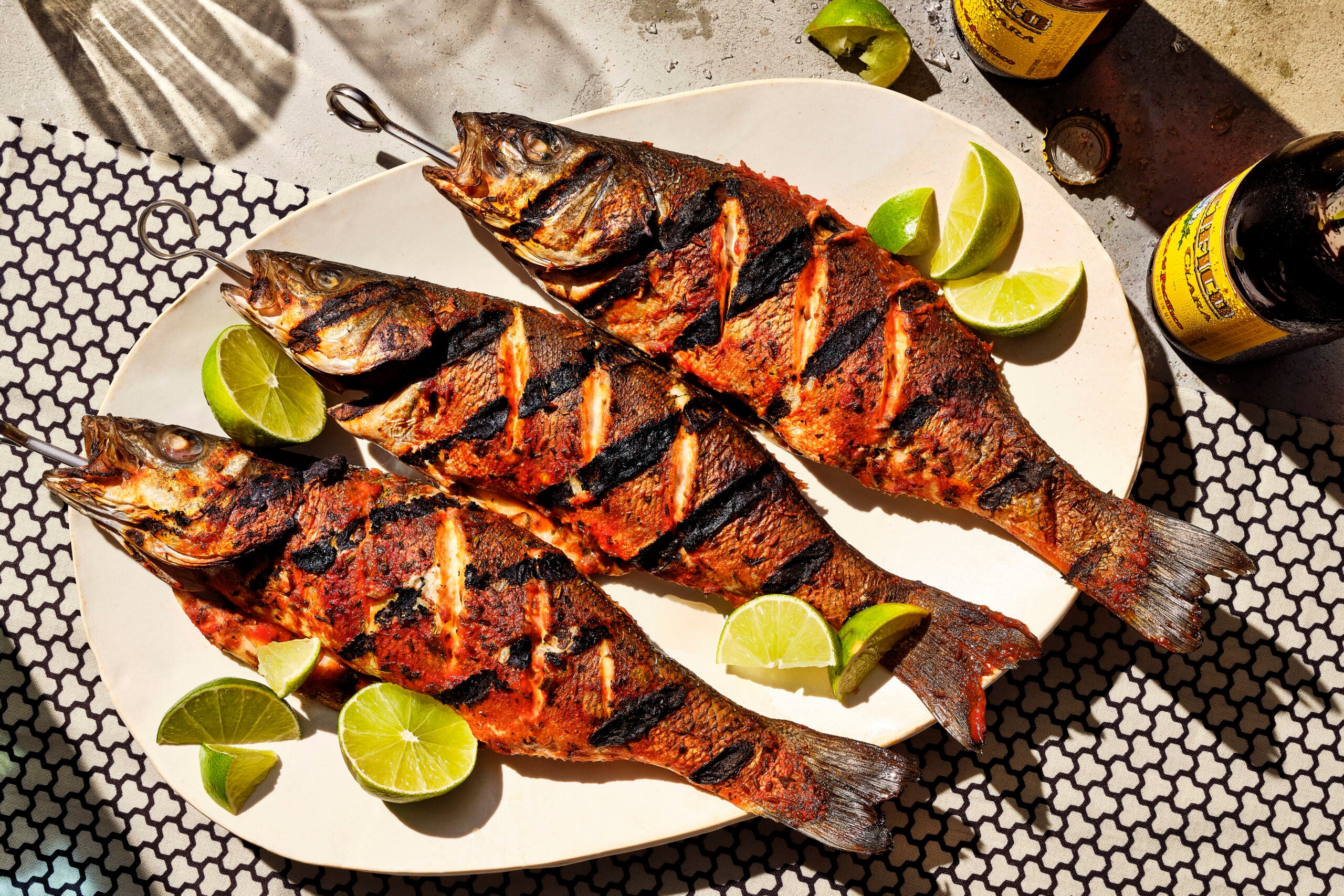
Grill the Fish: Place the marinated fish on the grill grates. Grill for 5-7 minutes per side, or until the fish is cooked through and flakes easily with a fork. The exact cooking time will depend on the thickness of the fish and the heat of your grill.
-
Basting (Optional): During the last few minutes of grilling, you can baste the fish with any remaining marinade or a mixture of coconut milk and soy sauce for added flavor and moisture.
-
Check for Doneness: The fish is cooked through when it is opaque and flakes easily with a fork. Use a meat thermometer to ensure the internal temperature reaches 145°F (63°C).
-
Rest: Remove the fish from the grill and let it rest for a few minutes before serving. This allows the juices to redistribute, resulting in a more tender and flavorful fish.
Alternative Cooking Methods: Baking and Pan-Frying
While grilling is the traditional method, you can also bake or pan-fry Ikan Panggang Nyonya if you don’t have access to a grill.
-
Preheat Oven: Preheat your oven to 375°F (190°C).
-
Prepare Baking Dish: Line a baking dish with parchment paper.
-
Bake the Fish: Place the marinated fish in the baking dish and bake for 15-20 minutes, or until the fish is cooked through and flakes easily with a fork.
-
Broil (Optional): For a slightly charred top, broil the fish for the last few minutes of cooking, keeping a close eye to prevent burning.
-
Heat Oil: Heat a few tablespoons of vegetable oil in a large frying pan over medium-high heat.
-
Fry the Fish: Place the marinated fish in the hot oil and fry for 4-5 minutes per side, or until the fish is cooked through and golden brown.
-
Avoid Overcrowding: Fry the fish in batches to avoid overcrowding the pan, which can lower the oil temperature and result in uneven cooking.
Serving Suggestions: Completing the Culinary Experience
- Rice: Steamed white rice or fragrant coconut rice is a must-have accompaniment.
- Sambal: A spicy chili paste that adds heat and flavor. Sambal belacan (shrimp paste sambal) is a classic choice.
- Vegetables: Stir-fried vegetables, such as kangkong (water spinach) or long beans, provide a refreshing contrast to the rich fish.
- Achar: A pickled vegetable dish that adds a tangy and crunchy element.
- Lime Wedges: A squeeze of fresh lime juice brightens the flavors and adds a zesty touch.
Recipe Variations: Adapting to Your Preferences
- Spice Level: Adjust the amount of chilies in the spice paste to control the heat level.
- Fish Variety: Experiment with different types of fish, such as salmon or tuna.
- Coconut Milk: Add coconut milk to the spice paste for a richer and creamier flavor.
- Herbs: Incorporate other herbs, such as mint or cilantro, for added freshness.
- Sweetness: Adjust the amount of sugar to balance the sourness of the tamarind.
Tips and Tricks for Success
- Use Fresh Ingredients: The fresher the ingredients, the better the flavor of the dish.
- Don’t Overcook the Fish: Overcooked fish will be dry and tough. Cook until it is just cooked through and flakes easily with a fork.
- Taste and Adjust: Taste the spice paste and adjust the seasonings to your liking.
- Marinate Thoroughly: Allow the fish to marinate for at least 2 hours, or preferably overnight, for maximum flavor.
- Use a Hot Grill: A hot grill will sear the fish and create a beautiful char.
Conclusion: A Culinary Journey to Nyonya Flavors
Ikan Panggang Nyonya is more than just a dish; it’s a culinary journey that transports you to the heart of Nyonya cuisine. With its complex spice blend, aromatic herbs, and tangy flavors, this grilled fish masterpiece is a testament to the rich culinary heritage of the Peranakan people. By following this comprehensive guide, you can master the art of creating Ikan Panggang Nyonya and impress your family and friends with this exquisite seafood delight. So, gather your ingredients, fire up the grill, and embark on a flavorful adventure that will tantalize your taste buds and leave you craving for more.
Enjoy your homemade Nyonya-Style Grilled Fish!