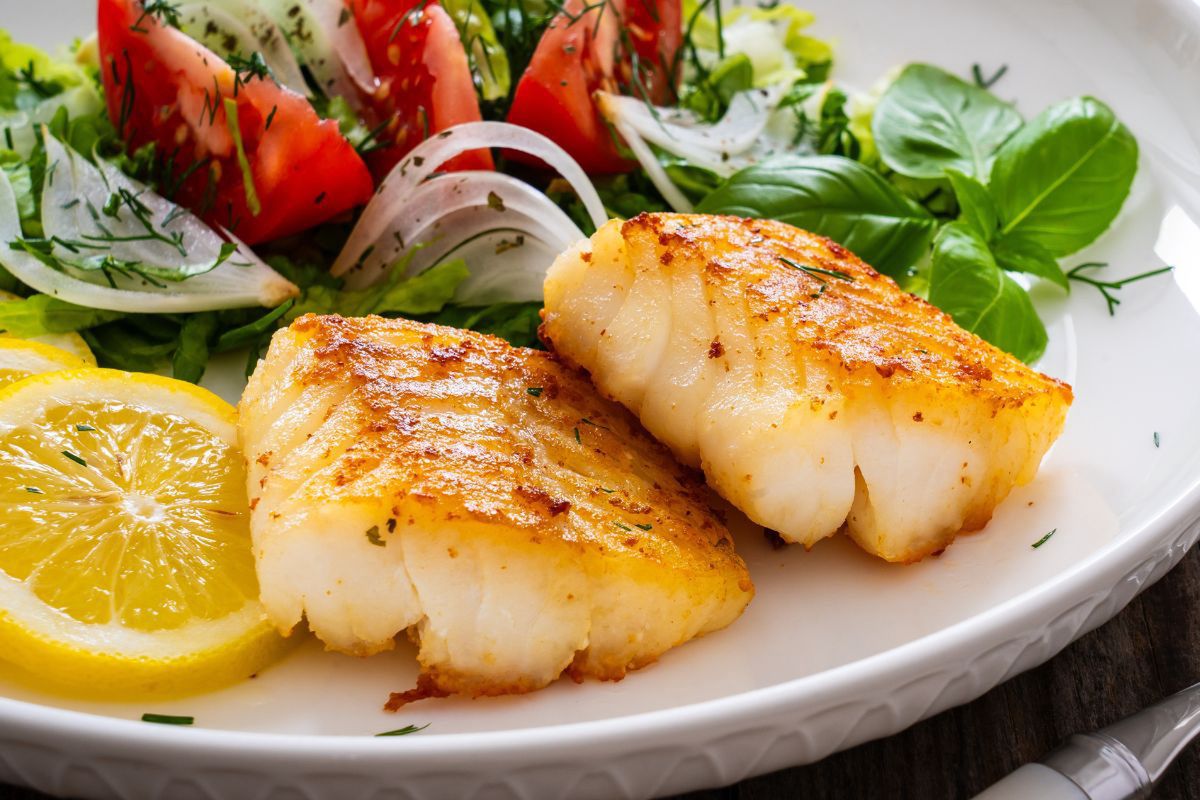


The beauty of Nusantara marinades is their diversity. From the fiery sambal-based marinades of Sumatra to the sweeter, soy-sauce-infused versions found in Java, and the lemony, herb-forward preparations of Sulawesi, there’s an endless array of profiles to explore. This article aims to demystify the process, providing you with the foundational knowledge and practical steps to create your own authentic Indonesian grilled fish marinades at home.
At its core, a great marinade for grilled fish serves several purposes. Firstly, it tenderizes the fish, especially firmer varieties, making it more succulent. Secondly, it imparts flavor, acting as a carrier for the spices, herbs, and aromatics. Thirdly, it can help to protect the fish from drying out during the grilling process, creating a beautiful char and moist interior. Finally, certain acidic components in marinades can slightly ‘cook’ the surface of the fish, contributing to texture.
The foundation of most Indonesian marinades is a blend of fresh aromatics. These often include shallots (or red onions), garlic, and ginger. These ingredients are typically pounded into a paste or finely minced to release their essential oils and potent flavors. The quality and freshness of these base aromatics are paramount to the final taste of your grilled fish.
Beyond the base aromatics, chili peppers are indispensable for that signature Nusantara kick. The type and quantity of chili used will dictate the heat level. For a milder flavor, use red chilies with fewer seeds. For a spicier experience, incorporate bird’s eye chilies (cabe rawit) or even dried chilies, rehydrated and blended.
Turmeric is another cornerstone ingredient, lending not only a vibrant golden hue but also an earthy, slightly peppery flavor. Fresh turmeric root is preferred for its intensity, but ground turmeric can be used as a convenient alternative. Be mindful that turmeric can stain, so wear gloves and protect your surfaces.
Galangal, a rhizome related to ginger, offers a sharper, more citrusy, and pine-like aroma that is distinct from ginger. It adds a layer of complexity that is crucial for authentic Nusantara flavors. If fresh galangal is unavailable, you might find it dried or powdered, though the fresh version provides the best aromatic profile.
Lemongrass is frequently used, with its bright, citrusy notes. Only the lower, tender part of the stalk is typically used, finely chopped or bruised to release its fragrant oils. The outer, tougher layers are usually discarded.
Coriander seeds, often toasted before grinding, provide a warm, citrusy, and slightly nutty flavor. They are a staple in many Indonesian spice blends and contribute significantly to the marinade’s aroma.
Cumin, also often toasted, adds a smoky, earthy depth. Its robust flavor complements the other spices and helps to create a well-rounded marinade.
Shrimp paste, or ‘terasi’ (also known as ‘belacan’), is a potent ingredient that adds an umami-rich, savory depth. A small amount goes a long way and is crucial for achieving that authentic, complex flavor profile. It’s often roasted or fried briefly to mellow its pungency before being incorporated into the paste.
Sweetness is often introduced through palm sugar (‘gula merah’ or ‘gula jawa’). This unrefined sugar has a caramel-like flavor that is more nuanced than white sugar and complements the savory and spicy elements beautifully. It also helps in creating a beautiful caramelized crust on the grilled fish.
Acidity is typically provided by lime juice or tamarind paste. Lime juice adds a fresh, zesty brightness, while tamarind offers a more complex sweet-sour tang. The acid helps to balance the richness of the fish and the spices, and also aids in tenderizing.
Now, let’s delve into the process of creating the marinade paste. The traditional method involves using a mortar and pestle (‘ulekan’ and ‘cobek’). This allows you to finely pound the ingredients, releasing their oils and creating a smooth, homogenous paste that adheres well to the fish.
Start by pounding the harder ingredients first, such as dried chilies (if using), coriander seeds, and cumin. Once these are ground, add the fresh aromatics like shallots, garlic, ginger, and galangal. Continue pounding until a smooth paste is formed.
If you prefer a quicker method, a food processor or blender can be used. However, be careful not to over-process, as this can create a watery paste. Pulse the ingredients until they are finely chopped and combined.
Once the spice paste is ready, you’ll typically sauté it in a little oil until fragrant. This step, known as ‘menumis’, is crucial for developing the flavors and removing any raw taste from the spices. Cook over medium heat, stirring constantly, until the paste darkens slightly and releases its aroma.
After sautéing, incorporate the liquids and other flavorings. This might include tamarind water, lime juice, soy sauce (for Javanese-style marinades), fish sauce, palm sugar, and a pinch of salt. Stir well to combine and allow the flavors to meld.
This is the basic framework for many Nusantara fish marinades. The beauty lies in the variations. For a classic ‘Ikan Bakar Jimbaran’ style, you might lean heavily on turmeric, lemongrass, and a touch of shrimp paste, often finished with a glaze of sweet soy sauce and butter during grilling.
For a Sumatran influence, expect a more liberal use of chilies, galangal, and sometimes a hint of candlenuts (‘kemiri’) for richness and thickening. These marinades are often bolder and spicier.
Javanese variations might incorporate more sweet soy sauce (‘kecap manis’), giving the fish a darker color and a distinctly sweet and savory profile. These are often less intensely spiced than their Sumatran counterparts.
When choosing your fish, opt for varieties with firm, oily flesh that hold up well to grilling. Popular choices include snapper (kakap), grouper (kerapu), mackerel (tenggiri), barramundi, and pomfret (bawal). Ensure the fish is fresh, with clear eyes and firm flesh.
Prepare the fish for marination. You can grill the fish whole, filleted, or cut into steaks. If grilling whole, make shallow scores on both sides of the fish. This allows the marinade to penetrate deeper and helps the fish cook more evenly.
Generously coat the fish with the prepared marinade, ensuring it gets into the scores and crevices. For whole fish, stuff some of the marinade inside the cavity as well. Allow the fish to marinate for at least 30 minutes at room temperature, or preferably for 1-2 hours (or even overnight) in the refrigerator. Remember to bring it back to room temperature before grilling.
Grilling the fish requires moderate heat. You can use charcoal grills, gas grills, or even an oven broiler. For charcoal grilling, wait until the coals are covered in white ash. For gas grills, preheat to medium-high heat.
To prevent sticking, lightly oil the grill grates. Place the marinated fish on the hot grates and grill for approximately 4-6 minutes per side, depending on the thickness of the fish. Avoid moving the fish too much, as this can cause it to break apart.
During the grilling process, you can baste the fish with leftover marinade or a glaze made from a mixture of butter, sweet soy sauce, and perhaps a little lime juice. This adds extra flavor and helps create a beautiful, glossy finish.
The fish is cooked when it flakes easily with a fork and the flesh is opaque throughout. Be careful not to overcook, as this will result in dry, tough fish.
Serving your grilled fish with traditional accompaniments elevates the experience. Steamed rice is a must. Accompaniments like fresh sambal (e.g., sambal matah, sambal terasi), blanched water spinach (‘kangkung’), or a simple cucumber and tomato salad provide a refreshing contrast.
Experimentation is key to finding your perfect Nusantara marinade. Don’t be afraid to adjust the spice levels, the sweetness, or the sourness to suit your palate. Keep notes on what works best for you.
Mastering the art of Nusantara grilled fish marinades is a rewarding culinary journey. By understanding the core ingredients and techniques, you can recreate the authentic flavors of Indonesia in your own kitchen, impressing your family and friends with a truly memorable barbecue experience.