
North Indian cuisine, often associated with dishes like Butter Chicken and Paneer Tikka Masala, typically features a base of onions, tomatoes, ginger, garlic, and a generous hand with dairy products like yogurt, cream, and ghee. While meat and vegetarian dishes are more commonly highlighted, seafood curries hold a special, albeit less frequently discussed, place. They offer a delightful alternative, allowing the delicate flavors of the ocean to meld harmoniously with the robust spice profiles characteristic of the region.
The beauty of a North Indian seafood curry lies in its aromatic depth. It’s not just about heat; it’s about layers of flavor built through careful selection and combination of spices. Each spice plays a crucial role, contributing its unique aroma, color, and taste to the final dish. Mastering these combinations is key to unlocking the authentic essence of this cuisine.
Let’s begin with the star of our dish: the seafood. For this recipe, a mix of firm white fish (like cod, tilapia, or snapper), plump shrimp, and perhaps some mussels or calamari would be ideal. The key is to select seafood that can withstand the simmering process without disintegrating, while also absorbing the rich flavors of the gravy. Ensure your seafood is fresh for the best possible taste and texture.
Next, we introduce the aromatic trio: fresh ginger and garlic. Grate or finely mince equal parts of both. This pungent combination adds warmth and depth, cutting through the richness of the gravy and providing a characteristic zing. A common practice is to create a ginger-garlic paste, either by pounding them together or using a food processor, ensuring a smooth integration into the curry.
Tomatoes are another essential component, providing acidity and body to the curry. Ripe, red tomatoes are best. You can use them fresh, pureed, or even as canned crushed tomatoes. They help to balance the richness of the onions and spices, adding a pleasant tanginess that complements the seafood beautifully.
Now, let’s delve into the heart of North Indian spice artistry: the ground spices. For our seafood curry, a balanced blend is crucial. We will be using turmeric powder for its vibrant color and earthy notes, red chili powder (adjust to your heat preference) for its fiery kick, coriander powder for its citrusy and earthy undertones, and cumin powder for its warm, smoky flavor.
Beyond these core spices, we’ll incorporate garam masala, a quintessential North Indian spice blend that typically includes cinnamon, cardamom, cloves, and black pepper. Garam masala is usually added towards the end of cooking to preserve its volatile aromatics. A pinch of fenugreek leaves (kasoori methi) can also add a unique, slightly bitter, and deeply aromatic dimension.
For a truly authentic North Indian texture and richness, yogurt or cream is often employed. Plain, full-fat yogurt, whisked until smooth, can be added to temper the heat and add a subtle tang. Alternatively, heavy cream or coconut milk (though less traditional for North Indian, it works wonderfully with seafood and is common in coastal regions) can provide a luxurious creaminess. We will use a combination of yogurt and a touch of cream for a balanced flavor and texture.
The cooking process itself is a dance of heat management and layering. We begin by heating ghee or oil in a heavy-bottomed pan or pot. Ghee, clarified butter, imparts a nutty richness that is characteristic of Indian cooking.
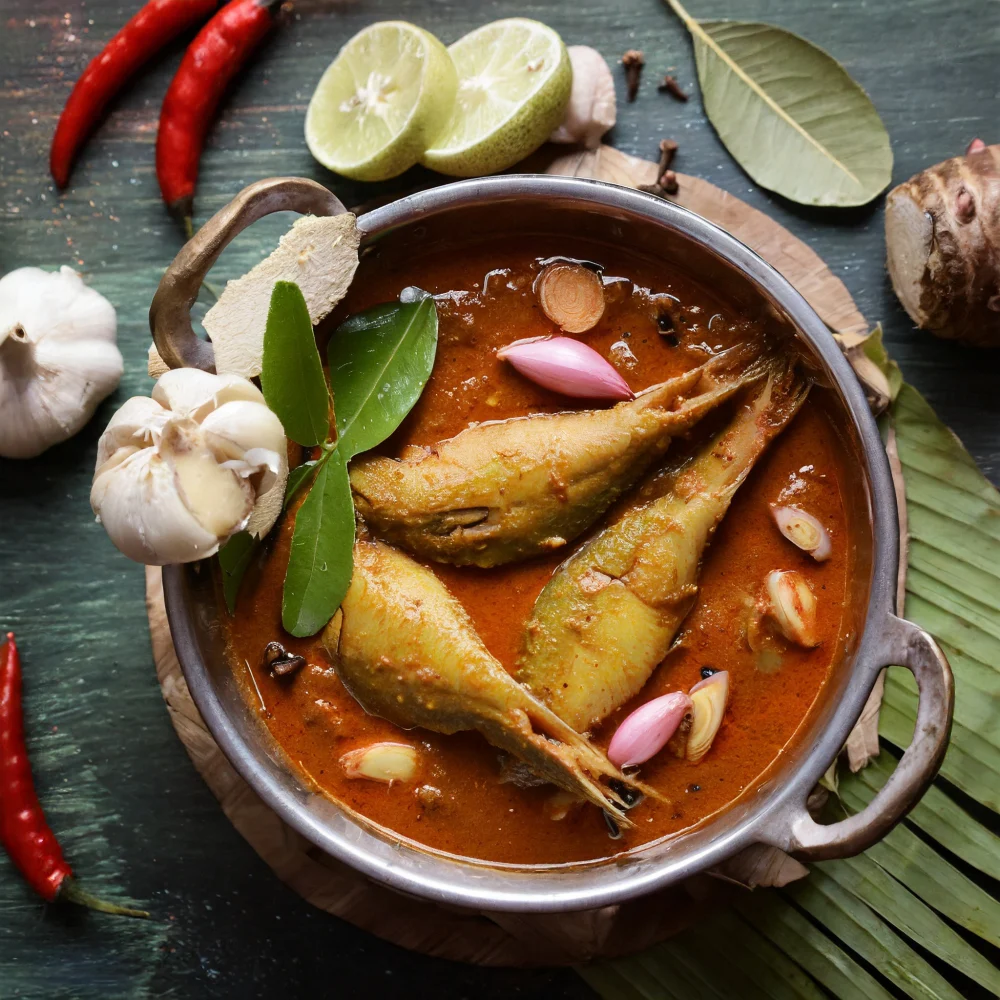
Once the ghee is hot, we add whole spices to temper them. This typically includes cumin seeds, mustard seeds, cloves, cardamom pods, and a bay leaf. Allowing these to splutter in the hot fat releases their essential oils, infusing the fat with their aromas before the main ingredients are added.
Next, add the finely chopped onions and sauté them slowly until they turn a deep, rich golden brown. This caramelization process is critical for developing the sweetness and depth of the curry base. Don’t rush this step; it can take 15-20 minutes or even longer.
Once the onions are perfectly browned, add the ginger-garlic paste and sauté for another minute until the raw aroma disappears. Be careful not to burn the garlic.
Now, it’s time to introduce the ground spices: turmeric, red chili powder, coriander powder, and cumin powder. Stir them well with the onion-ginger-garlic mixture and cook for about a minute, allowing the spices to toast lightly. This ‘bhuna’ process enhances their flavor and aroma.
Add the pureed tomatoes to the pan. Cook this mixture, stirring frequently, until the tomatoes have broken down, the oil begins to separate from the masala, and the mixture thickens. This stage is crucial for a well-cooked gravy.
If using yogurt, temper it before adding to prevent curdling. Whisk the yogurt with a tablespoon of water or the curry liquid, then slowly stir it into the pan over low heat. Continue cooking until the yogurt is fully incorporated and the gravy is smooth.
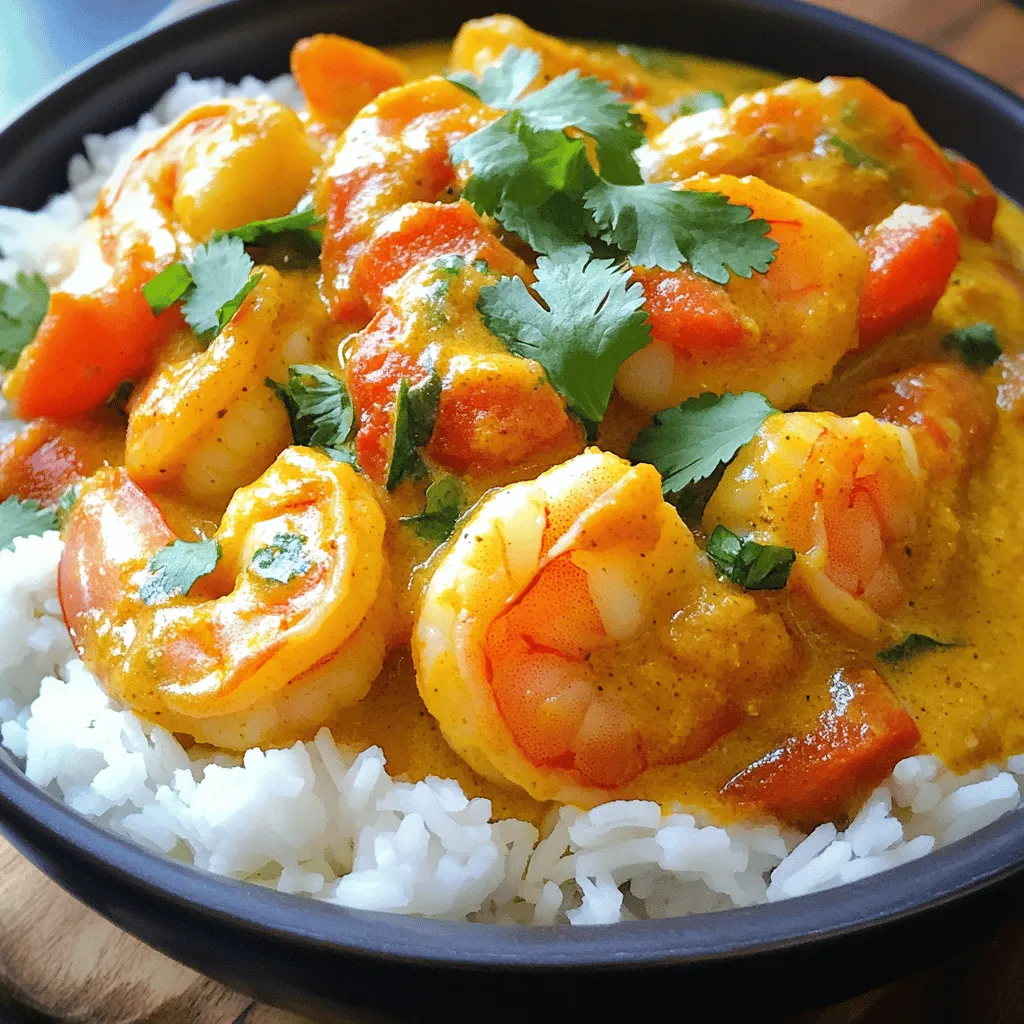
Now, it’s time to add the seafood. Gently place the pieces of fish, shrimp, and any other chosen seafood into the simmering gravy. Avoid overcrowding the pan. Cook the seafood until it is just cooked through. Fish will flake easily, and shrimp will turn opaque and pink. Overcooking will make the seafood tough and dry.
Add a splash of water or broth if the curry seems too thick. The consistency should be rich and coating, not watery.
Towards the end of the cooking process, stir in the garam masala and crushed kasoori methi (fenugreek leaves). These final additions provide a burst of fresh aroma.
For that final touch of luxury, stir in a swirl of heavy cream or coconut milk. This adds a velvety texture and mellows the spices, creating a truly decadent finish.
Season generously with salt to taste. Remember that seafood can sometimes absorb salt, so taste and adjust as needed.
Garnish generously with freshly chopped cilantro (coriander leaves) just before serving. The fresh, herbaceous notes of cilantro provide a perfect counterpoint to the rich, spiced gravy.
Serve this exquisite North Indian Seafood Curry hot with steamed basmati rice, naan, roti, or paratha. The fluffy rice is perfect for soaking up every last drop of the delicious gravy.
Let’s recap the key ingredients for this flavorful dish: Fresh mixed seafood (fish, shrimp, mussels), onions, ripe tomatoes, ginger, garlic, ghee or oil, whole spices (cumin seeds, mustard seeds, cloves, cardamom, bay leaf), ground spices (turmeric, red chili powder, coriander powder, cumin powder), garam masala, kasoori methi, yogurt, heavy cream or coconut milk, salt, and fresh cilantro for garnish.
The process emphasizes slow cooking, proper ‘bhuna’ (sautéing) of the masala base, and careful layering of flavors. The browning of onions, toasting of spices, and cooking down of tomatoes are non-negotiable steps for achieving authentic depth.
Consider variations: For a spicier kick, increase the red chili powder or add a green chili pepper along with the ginger-garlic paste. For a milder curry, reduce the chili and consider adding a pinch of sugar to balance the flavors.
For those who prefer a tangier profile, a squeeze of lemon juice just before serving can elevate the dish. The acidity brightens the overall flavor, especially complementing the seafood.
The choice of seafood can be adapted. Scallops, squid rings, or even crab meat can be incorporated, keeping in mind their respective cooking times to avoid overcooking.
A vegetarian alternative could use firm tofu or paneer cubes, added towards the end of the cooking process. However, the essence of this recipe is the seafood, so it’s best enjoyed as intended.
The aroma that fills your kitchen as this curry simmers is truly intoxicating. It’s a testament to the power of well-balanced spices and traditional cooking techniques.
This North Indian Seafood Curry is more than just a meal; it’s an experience. It’s an invitation to savor the complexities of Indian cuisine, to appreciate the art of spice blending, and to enjoy the delicate flavors of the sea enhanced by a symphony of aromatic ingredients.
Prepare to impress your family and friends with this restaurant-quality dish. With a little practice and attention to detail, you’ll be able to recreate the magic of North Indian flavors in your own home, transforming simple ingredients into an extraordinary culinary delight.
The journey from raw ingredients to a finished bowl of fragrant curry is a rewarding one. Each step, from the initial tempering of whole spices to the final swirl of cream, contributes to the masterpiece you will eventually serve. Enjoy the process as much as the delicious outcome.