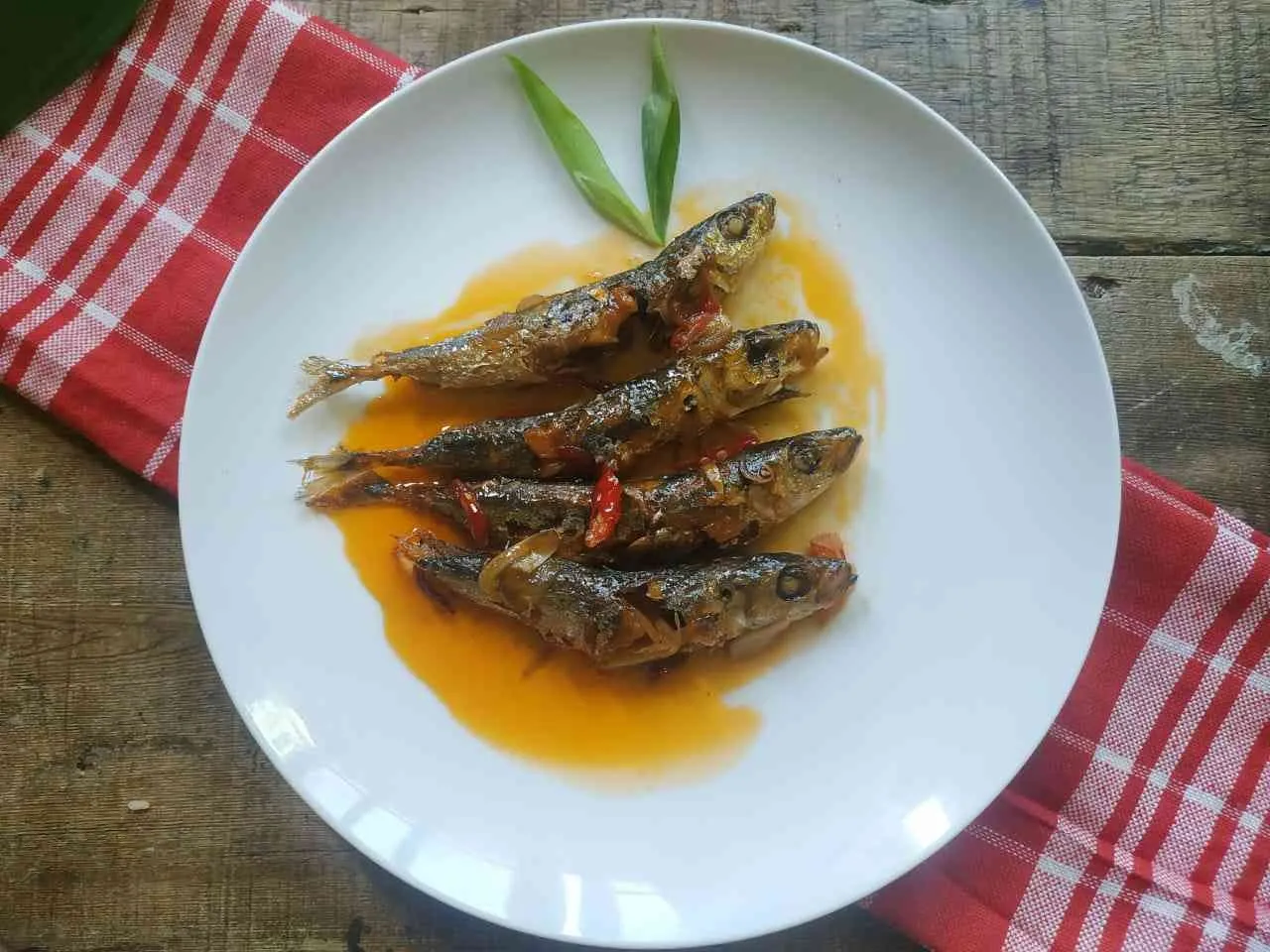

The beauty of pindang ikan mujair lies in its accessible ingredients and straightforward preparation. While the spice paste might seem extensive, each component plays a crucial role in building the depth of flavor. This guide will walk you through each step, ensuring even novice cooks can achieve restaurant-quality results in their own kitchens.
Let’s begin by gathering the essential ingredients. For the fish, you’ll need 500 grams of fresh ikan mujair, cleaned and scaled. The quality of the fish is paramount; opt for firm, fresh specimens for the best texture and taste. For the yellow broth, the spice paste, or ‘bumbu halus,’ is key. This includes 8 shallots, 4 cloves of garlic, 3 cm of turmeric (fresh is best for vibrant color and aroma), 2 cm of ginger, and 1 cm of galangal. These aromatics form the foundational flavor profile of the pindang.
Beyond the primary aromatics, we’ll incorporate other spices to enhance the complexity. You’ll need 2 candlenuts (kemiri), which add richness and body to the broth. A teaspoon of coriander seeds (ketumbar) and half a teaspoon of white peppercorns will provide warmth and subtle spice. For a touch of heat, include 3-5 bird’s eye chilies (cabe rawit), or adjust to your preference. If you prefer a milder spice, you can substitute some or all of these with red chilies (cabe merah keriting).
To achieve the characteristic sourness of pindang, we’ll use tamarind. Prepare 2 tablespoons of tamarind paste (asam jawa) dissolved in 100 ml of warm water, then strained to remove seeds and pulp. This tamarind water will be added to the broth for that essential tangy note.
Other essential liquids and seasonings include 800 ml of water, 2 tablespoons of sweet soy sauce (kecap manis), 1 tablespoon of regular soy sauce (kecap asin), 1 teaspoon of salt, and a pinch of sugar to balance the flavors. The sweet soy sauce adds a touch of sweetness and a beautiful mahogany hue to the broth.
For aromatic enhancers, we’ll use a stalk of lemongrass (serai), bruised to release its fragrance, 2 kaffir lime leaves (daun jeruk), and 1 bay leaf (daun salam). These ingredients infuse the broth with a delightful citrusy and herbaceous aroma, elevating the overall sensory experience.
The preparation begins with the spice paste. Combine the shallots, garlic, turmeric, ginger, galangal, candlenuts, coriander seeds, white peppercorns, and chilies in a food processor or mortar and pestle. Process or grind until a smooth paste is formed. If using a food processor, you may need to add a tablespoon of oil or water to help it blend.
Once the spice paste is ready, heat 2 tablespoons of cooking oil in a pot or wok over medium heat. Sauté the spice paste until it becomes fragrant and the oil separates slightly, indicating that the spices are well-cooked and their raw aroma has dissipated. This step is crucial for developing a deep, nuanced flavor.
Add the bruised lemongrass stalk, kaffir lime leaves, and bay leaf to the pot. Stir-fry for another minute until their aromas are released. This brief sautéing further enhances the aromatic complexity of the dish.
Pour in the water and bring the mixture to a boil. Once boiling, reduce the heat to a simmer.
Carefully add the cleaned ikan mujair to the simmering broth. Ensure the fish is submerged in the liquid. Cook for about 5-7 minutes, or until the fish is almost cooked through. Be careful not to overcook the fish, as it can become mushy.
Stir in the tamarind water, sweet soy sauce, regular soy sauce, salt, and sugar. Mix well to combine all the seasonings evenly throughout the broth.
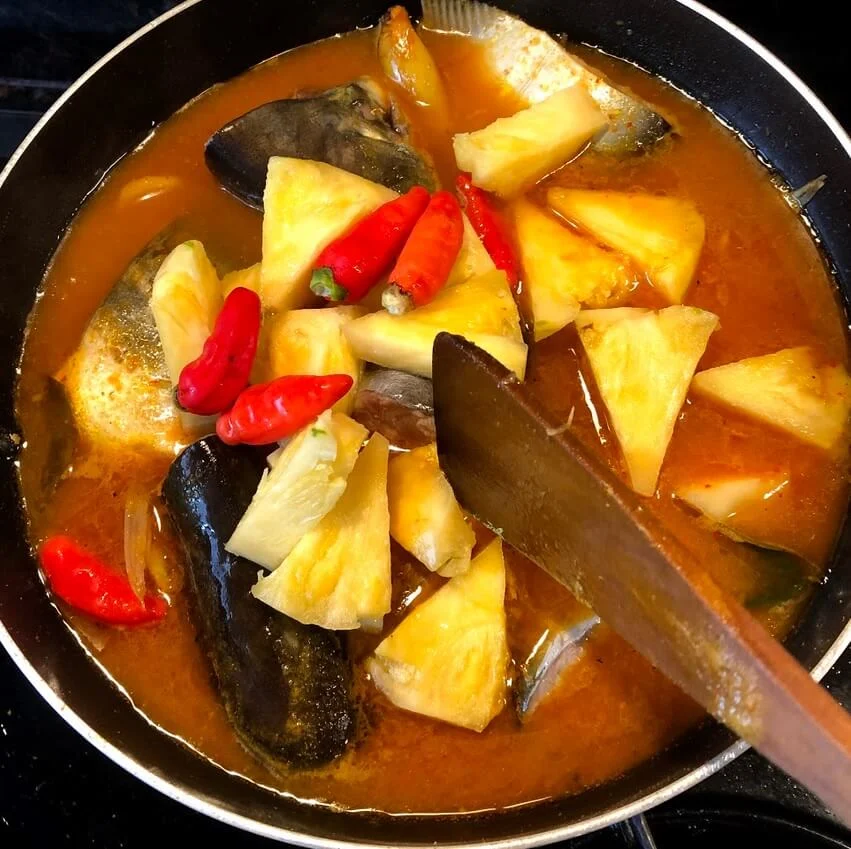
Continue to simmer the pindang for another 5-10 minutes, allowing the flavors to meld and the fish to fully cook. The broth should thicken slightly and develop a rich, golden hue.
Taste and adjust the seasoning as needed. If it’s too sour, add a little more sugar. If it’s not tangy enough, add a touch more tamarind water. The balance of flavors is subjective, so feel free to customize it to your liking.
Once the flavors are perfectly balanced and the fish is tender, the pindang ikan mujair kuah kuning is ready to be served. Remove the lemongrass stalk, kaffir lime leaves, and bay leaf before serving, or leave them in for aesthetic appeal.
This dish is best served hot, accompanied by steamed white rice. The fluffy rice is the perfect canvas to soak up the flavorful yellow broth. A side of fresh cucumber slices or a sprinkle of fried shallots can add a refreshing crunch and extra layer of flavor.
For an authentic touch, consider garnishing with fresh cilantro or thinly sliced red chilies. These additions not only enhance the visual appeal but also provide a burst of freshness.
Variations of pindang ikan mujair abound across different regions of Indonesia. Some may add a touch of shrimp paste (terasi) for an umami boost, while others might include sliced tomatoes for added acidity and texture. Feel free to experiment with these additions to discover your own favorite rendition.
The key to a great pindang lies in the freshness of the ingredients, particularly the fish and the spices. Using fresh turmeric, for instance, will result in a more vibrant color and a more potent aroma compared to using turmeric powder.
Properly sautéing the spice paste is another critical step. This process, known as ‘menumis bumbu,’ unlocks the full potential of the spices and eliminates any raw, unpleasant flavors. Patience during this stage yields significant rewards in the final dish.
When it comes to the fish, ensure it’s cleaned thoroughly. Removing the gills and innards prevents any off-flavors from compromising the delicate taste of the broth.
The balance of sour, sweet, and savory is what defines pindang. Tamarind provides the sourness, sweet soy sauce offers sweetness, and regular soy sauce and salt contribute to the savory notes. Adjusting these elements to your personal preference is part of the joy of cooking this dish.
The texture of the fish is also important. Tilapia is a relatively firm white fish that holds up well in the broth without disintegrating. If you choose other types of fish, consider their flesh consistency to avoid overcooking.
Storage of pindang is also worth noting. Leftovers can be stored in an airtight container in the refrigerator for up to 2-3 days. The flavors often meld and deepen overnight, making leftovers quite delicious.
Reheating pindang is best done gently on the stovetop over low heat. Avoid vigorous boiling, which can break down the fish further.
The aroma of pindang ikan mujair kuah kuning cooking is truly captivating. The blend of spices, lemongrass, and kaffir lime leaves fills the kitchen with a warm and inviting scent, promising a delicious meal.
This dish is not just a meal; it’s an experience. It’s about the comfort of familiar flavors, the satisfaction of preparing a traditional dish, and the joy of sharing it with loved ones. The vibrant yellow broth is visually appealing and indicative of the rich, wholesome ingredients used.
For those who enjoy a spicier kick, feel free to increase the number of bird’s eye chilies or add a dried chili or two to the spice paste. The heat level can be adjusted to suit individual palates.
The candlenuts, while optional for some, contribute a subtle creaminess and thickness to the broth. If you don’t have candlenuts, you can omit them, but the broth might be slightly thinner.
The inclusion of aromatics like lemongrass, kaffir lime leaves, and bay leaf is non-negotiable for authentic pindang flavor. These impart a distinct fragrance that distinguishes pindang from other fish stews.
Serving pindang with various side dishes can enhance the meal. Sambal (chili paste), kerupuk (crackers), and acar (pickles) are popular accompaniments that offer contrasting textures and flavors.
In summary, making pindang ikan mujair kuah kuning is an accessible and rewarding culinary adventure. By following these steps and paying attention to the nuances of flavor development, you can recreate this classic Indonesian dish with confidence and flair. Enjoy the process and savor the delicious results!