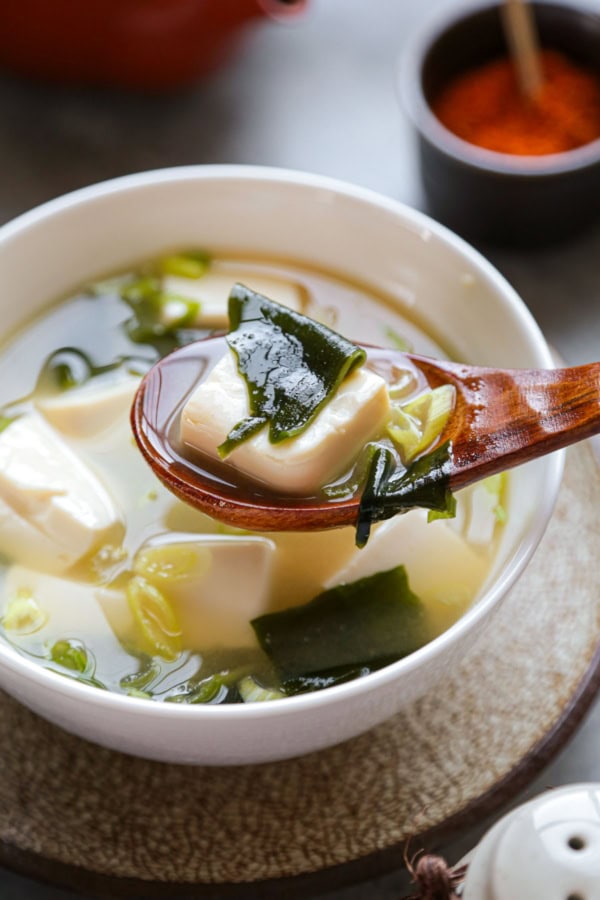
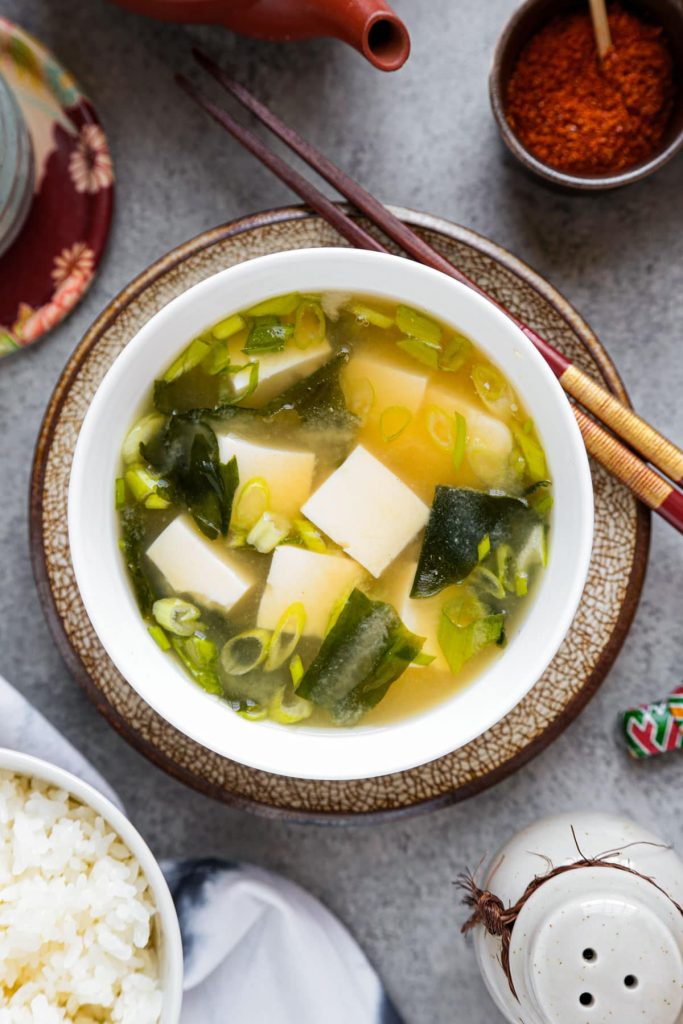

The magic of this soup lies in the harmonious interplay of its core components: the savory depth of miso, the oceanic essence of fresh seafood, the briny chewiness of wakame, and the silken tenderness of tofu. Each ingredient brings its unique character, contributing to a complex flavor profile that is both deeply satisfying and surprisingly light.
Before we dive into the cooking process, let’s talk about the star of the show: miso. Miso paste is a fermented soybean product that forms the soul of this soup. There are many varieties, each offering a distinct taste. Shiro miso (white miso) is mild and slightly sweet, perfect for those new to miso or for a lighter soup. Aka miso (red miso) is bolder, saltier, and more robust, lending a deeper umami flavor. Awase miso is a blend of red and white, offering a balanced profile. For this seafood soup, a blend of white and red miso, or even a good quality awase miso, often yields the most complex and pleasing results. Experimentation is key to finding your personal favorite.
Next, consider the seafood. The beauty of this recipe is its adaptability. You can use a variety of fresh or frozen seafood. Popular choices include shrimp, scallops, clams, mussels, and white fish like cod or snapper. For an even richer flavor, a combination of shellfish and fish is excellent. Ensure your seafood is fresh and properly cleaned. If using frozen, thaw it completely before adding it to the soup to prevent it from becoming rubbery.
Wakame, a type of edible seaweed, is another crucial element. It provides a subtle oceanic flavor and a delightful, slightly chewy texture. Dried wakame is readily available and reconstitutes quickly in water. When purchasing, look for vibrant green pieces with minimal breakage. Fresh wakame can also be used, offering a more intense flavor and softer texture, though it is less common in many markets.
Tofu, the third pillar of this soup, adds a creamy texture and absorbs the surrounding flavors beautifully. Silken tofu, also known as soft tofu, is the preferred choice for its delicate, melt-in-your-mouth quality. Firm or extra-firm tofu can also be used, but it will have a chewier texture and hold its shape more rigidly. Whichever you choose, ensure it’s fresh and handle it gently to avoid breaking it apart too much.
The foundation of any good miso soup is the dashi, a Japanese stock. While instant dashi granules are convenient, making dashi from scratch offers a superior flavor. The most common dashi is made from kombu (dried kelp) and katsuobushi (dried bonito flakes). For a vegetarian or vegan version, omit the katsuobushi and use only kombu, or opt for a mushroom-based dashi.
To prepare traditional dashi, soak a piece of kombu in cold water for at least 30 minutes (or overnight for a deeper flavor). Then, gently heat the water and kombu until just before boiling. Remove the kombu before the water boils to prevent a slimy texture and bitter taste. Add katsuobushi to the hot water, bring it to a simmer for a minute, then turn off the heat and let it steep for 5-10 minutes. Strain the broth through a fine-mesh sieve lined with cheesecloth for a clear, flavorful dashi.
Now, let’s assemble the ingredients for our Miso Seafood Soup. You will need: your chosen miso paste(s), a selection of fresh seafood, dried wakame, silken tofu, dashi stock, and optional aromatics like thinly sliced scallions, a knob of fresh ginger, and perhaps a clove of garlic.
The preparation begins with rehydrating the dried wakame. Place the dried wakame in a bowl and cover it with cool water. Let it soak for about 5-10 minutes, or until it has softened and expanded. Drain the wakame thoroughly and set it aside. If the pieces are very large, you can chop them into more manageable sizes.
Next, prepare the tofu. Gently cut the silken tofu into bite-sized cubes. Be careful not to crush it. If using firm tofu, cut it into cubes as well. Set the tofu aside, ready to be added to the soup.
If you are using aromatics, finely mince the ginger and garlic. Slice the scallions, separating the white and green parts. The white parts can be sautéed briefly to release their fragrance, while the green parts are best used as a garnish for freshness and color.
Begin by heating your dashi stock in a pot over medium heat. If using ginger and garlic, you can add them to the dashi at this stage to infuse their flavors into the broth. Let the dashi simmer gently for a few minutes to allow the aromatics to meld.
Now, it’s time to add the seafood. Start with ingredients that require a longer cooking time, such as clams or mussels, if you are using them. Cook them until they open. Discard any that remain closed. Then, add firmer fish pieces, followed by delicate items like shrimp and scallops, which cook very quickly.
Cook the seafood just until it is opaque and cooked through. Overcooking will make the seafood tough and rubbery, diminishing the overall quality of the soup. This usually takes only a few minutes, depending on the size and type of seafood used.
Once the seafood is cooked, reduce the heat to low. It is crucial not to boil the soup after adding the miso, as boiling can destroy its delicate flavor and beneficial probiotics. In a small bowl, ladle some of the warm dashi broth and whisk in your chosen miso paste(s) until smooth. This process, called tempering, ensures the miso dissolves evenly and prevents clumps from forming.
Gently pour the tempered miso mixture back into the pot. Stir gently to combine. Add the rehydrated wakame and the cubed tofu to the soup. Allow the soup to heat through gently for a minute or two, just until the tofu is warmed and the wakame is tender. Avoid boiling.
Taste the soup and adjust the seasoning if necessary. You might need a little more miso for saltiness or umami, or a splash of soy sauce if desired. Some people also add a pinch of salt, but usually, the miso provides sufficient salinity.
To serve, ladle the Miso Seafood Soup generously into individual bowls. Ensure each bowl gets a good portion of seafood, wakame, and tofu. Garnish with the reserved green parts of the sliced scallions. For an extra touch of elegance and flavor, a sprinkle of toasted sesame seeds or a drizzle of sesame oil can be added.
This soup is best enjoyed immediately while the flavors are at their peak and the ingredients are perfectly textured. It’s a complete meal in itself, offering a balance of protein, healthy fats, and essential nutrients.
Beyond the basic recipe, there are numerous ways to customize your Miso Seafood Soup. Consider adding other vegetables like thinly sliced mushrooms (shiitake or enoki), spinach, or bok choy for added texture and nutrients. A dash of chili flakes or a spoonful of chili bean paste can introduce a pleasant warmth.
For a richer, more luxurious version, you could add a splash of sake or mirin to the dashi while it’s heating. This adds another layer of complexity to the broth. Some chefs also recommend adding a small amount of grated daikon radish to the soup, which adds a subtle sweetness and helps to tenderize the seafood.
The choice of miso can significantly impact the final taste. If you prefer a milder, sweeter soup, stick primarily with white miso. For a more robust, savory experience, incorporate more red miso or use an awase blend. If you find the soup too salty, you can always add a little more dashi or water to dilute it.
Proper storage of leftover miso soup is important. While it’s best fresh, leftovers can be stored in an airtight container in the refrigerator for up to two days. However, be aware that the texture of the tofu and seafood might change slightly upon reheating. It’s best to reheat gently over low heat, again avoiding a boil.
The health benefits of miso soup are well-documented. Miso is rich in probiotics, which are beneficial for gut health. It’s also a good source of vitamins, minerals, and antioxidants. The seaweed provides iodine and other essential minerals, while the tofu offers plant-based protein. The seafood contributes lean protein and omega-3 fatty acids, making this a truly nourishing dish.
When selecting seafood, prioritize quality. If possible, opt for wild-caught fish and sustainably sourced shellfish. This not only ensures better flavor and texture but also supports responsible fishing practices.
For those with dietary restrictions, this recipe offers flexibility. A vegan version can be made by omitting the seafood and using only vegetable-based dashi (kombu and mushroom). Ensure your miso paste is also vegan, as some traditional miso may contain fish products.
The art of making miso soup is about balance and respect for the ingredients. It’s a dish that can be both simple and sophisticated, comforting and invigorating. This Miso Seafood Soup with Wakame and Tofu is a testament to that versatility.
Experiment with different types of dashi, varying the seafood combinations, and exploring the vast world of miso. Each variation will offer a unique culinary experience, allowing you to discover your perfect bowl of this Japanese classic.
Ultimately, the goal is to create a soup that is both delicious and deeply satisfying, a culinary embrace that warms you from the inside out. This recipe provides a solid foundation for you to build upon, encouraging creativity and personal expression in the kitchen.