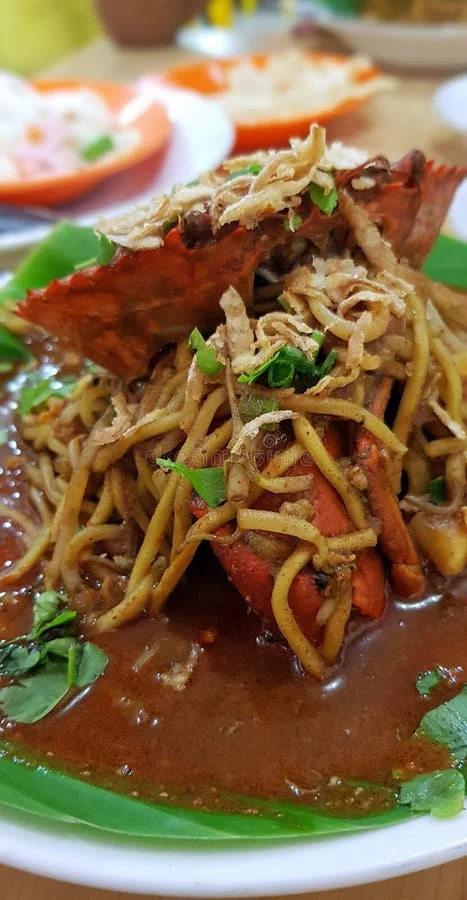

The heart of Mie Aceh lies in its unique spice blend. Unlike many other Indonesian noodle dishes, Mie Aceh boasts a complex and robust flavor profile, often incorporating a generous amount of chili peppers, turmeric, ginger, galangal, and a variety of other aromatic spices. When combined with fresh, succulent seafood, these spices create a symphony of tastes that is both invigorating and deeply comforting. The term ‘Pedas Nampol’ itself translates to ‘powerfully spicy’ or ‘impactfully hot,’ a testament to the dish’s signature fiery kick.
Preparing Mie Aceh Seafood Pedas Nampol is more than just cooking; it’s an art form that requires attention to detail and a deep understanding of flavor balance. From selecting the freshest seafood to mastering the precise cooking times for the noodles, every step contributes to the final delicious outcome. This guide will walk you through each stage, demystifying the process and empowering you to achieve restaurant-quality results.
Let’s begin with the star ingredients. For the noodles, traditional Mie Aceh uses thick, yellow egg noodles, often referred to as mie lidi or mie kuning. These noodles have a wonderfully chewy texture that holds up well to the rich sauce. If you can’t find them locally, thick spaghetti or udon noodles can serve as acceptable substitutes, though they may alter the authentic texture slightly.
The seafood component is crucial for delivering the signature oceanic depth. A generous medley of fresh seafood is recommended. This typically includes plump shrimp, tender squid rings, and sometimes mussels or clams. The freshness of the seafood is paramount; it directly impacts the sweetness and overall flavor of the dish. Opt for high-quality, sustainably sourced seafood whenever possible.
The spice paste, or bumbu halus, is where the magic truly begins. This paste forms the flavor foundation of the dish. Key ingredients include red chilies (for heat and color), bird’s eye chilies (for an extra spicy punch), shallots, garlic, turmeric, ginger, and galangal. Some recipes also incorporate candlenuts (kemiri) for richness and a smoother paste consistency.
Beyond the spice paste, several other aromatics enhance the complexity of the dish. Lemongrass, kaffir lime leaves, and bay leaves are often added during the sautéing process to infuse the oil with their distinct fragrances. A touch of tamarind paste provides a subtle tanginess that cuts through the richness and heat, balancing the overall flavor profile.
The cooking process can be broadly divided into two main styles: Mie Aceh Goreng (fried) and Mie Aceh Kuah (soup). For the Pedas Nampol version, we will focus on a rich, almost saucy consistency that leans towards the fried style but with enough moisture to coat the noodles beautifully. This approach allows the flavors to meld intensely.
To start, prepare your spice paste. Clean and deseed the chilies if you prefer a less intense heat, or leave them whole for maximum ‘nampol’ effect. Blend all the spice paste ingredients with a little oil or water until a smooth paste forms. The finer the paste, the better it will meld into the sauce.
Next, heat a generous amount of cooking oil in a wok or large skillet over medium-high heat. Add the prepared spice paste and sauté until fragrant and the oil begins to separate from the paste. This step is critical for developing the deep flavors and eliminating any raw spice taste. Add the bruised lemongrass, torn kaffir lime leaves, and bay leaves, stirring until their aromas are released.
Once the spice paste is well-cooked and fragrant, it’s time to introduce the seafood. Add the squid rings first, as they cook relatively quickly. Sauté for a minute or two until they just begin to turn opaque. Then, add the shrimp and any other shellfish. Cook until the shrimp turn pink and are just cooked through. Overcooking the seafood will make it tough and rubbery, so be mindful of the timing.
Now, introduce the cooked noodles to the wok. It’s best to have your noodles cooked al dente beforehand – slightly undercooked, as they will continue to cook in the sauce. Stir-fry the noodles with the seafood and spice mixture, ensuring each strand is coated evenly with the flavorful paste.
This is where the sauce components come in. Add a splash of water or seafood stock to create a luscious sauce. Stir in the tamarind paste for that essential tang. Season generously with salt, a touch of sugar to balance the heat, and optionally, a dash of soy sauce or fish sauce for added umami. Some chefs also add a tablespoon of oyster sauce for extra depth.
For the ‘Pedas Nampol’ effect, you can add extra sliced bird’s eye chilies at this stage, or even a spoonful of chili paste (sambal) if you dare. Taste and adjust the seasoning as needed. The goal is a harmonious balance of spicy, savory, tangy, and slightly sweet notes.
Continue to stir-fry until the sauce has thickened and beautifully coated the noodles and seafood. The noodles should be tender yet retain a pleasant chewiness. The sauce should be rich and clinging, not watery. This final stir-frying stage allows the flavors to meld together perfectly.
While the noodles are cooking, prepare your garnishes. Authentic Mie Aceh is always served with a variety of accompaniments that enhance the dining experience. Thinly sliced pickled onions (acar bawang) provide a refreshing crunch and acidity. A wedge of lime is essential for a final squeeze of bright citrus.
Crispy fried shallots (bawang goreng) offer an irresistible aroma and texture. A side of kerupuk (Indonesian crackers), often shrimp crackers, adds another layer of crunch and satisfies a different textural desire. Some enjoy a small portion of hard-boiled egg on the side.
Serve the Mie Aceh Seafood Pedas Nampol immediately in a deep bowl. Ensure you get a good portion of both noodles and seafood in every serving. Garnish generously with the pickled onions, fried shallots, and serve with the lime wedge and kerupuk on the side.
For those who prefer a less intense heat, you can adjust the number and type of chilies used in the spice paste. Removing the seeds from the red chilies will significantly reduce the spiciness. Alternatively, you can add a milder chili paste or reduce the quantity of bird’s eye chilies.
The texture of the noodles is key. Overcooked noodles will become mushy and absorb too much sauce, diminishing the overall experience. Aim for al dente when boiling them initially, and remember they will continue to soften slightly during the stir-frying process.
The quality of your seafood is non-negotiable. Using frozen or previously thawed seafood might impact the texture and flavor. Whenever possible, opt for fresh, high-quality ingredients. This applies to the spices as well; freshly ground spices will yield a more vibrant aroma and taste.
Achieving the perfect ‘Pedas Nampol’ flavor is about layering. The initial sautéing of the spice paste, the aromatics, the seafood, and finally, the noodles and sauce, all contribute to a complex and satisfying taste. Don’t rush the process; allow each element to develop its flavor.
For those seeking an even deeper flavor, consider making your own seafood stock from shrimp shells and heads. This homemade stock can be used in place of water or commercial stock, adding an unparalleled depth to the sauce.
The ‘nampol’ aspect can also be amplified by adding a dollop of spicy sambal on top just before serving, allowing diners to mix in more heat according to their preference. This offers a customizable level of spice.
The dish is a celebration of bold Indonesian flavors, showcasing the culinary heritage of Aceh. It’s a dish that warms you from the inside out, perfect for a chilly evening or whenever you crave something truly satisfying and flavorful.
Experimentation is encouraged. While this guide provides a solid foundation, feel free to add other vegetables like bean sprouts or chopped chives towards the end of the cooking process for added freshness and texture. Some variations also include a small amount of scrambled egg mixed in.
Mie Aceh Seafood Pedas Nampol is a testament to the power of simple, fresh ingredients combined with masterful spice blending and cooking techniques. It’s a dish that promises a culinary adventure with every bite.
Whether you are a seasoned cook or a beginner, this comprehensive guide aims to equip you with the knowledge and confidence to recreate this beloved Indonesian classic. Embrace the spices, savor the seafood, and enjoy the ‘Pedas Nampol’ sensation!
The journey to mastering Mie Aceh Seafood Pedas Nampol is one of sensory delight. It’s about understanding the interplay of heat, spice, and the freshness of the sea, culminating in a dish that is both comforting and exhilarating. Prepare to impress yourself and your loved ones with this authentic taste of Indonesia.