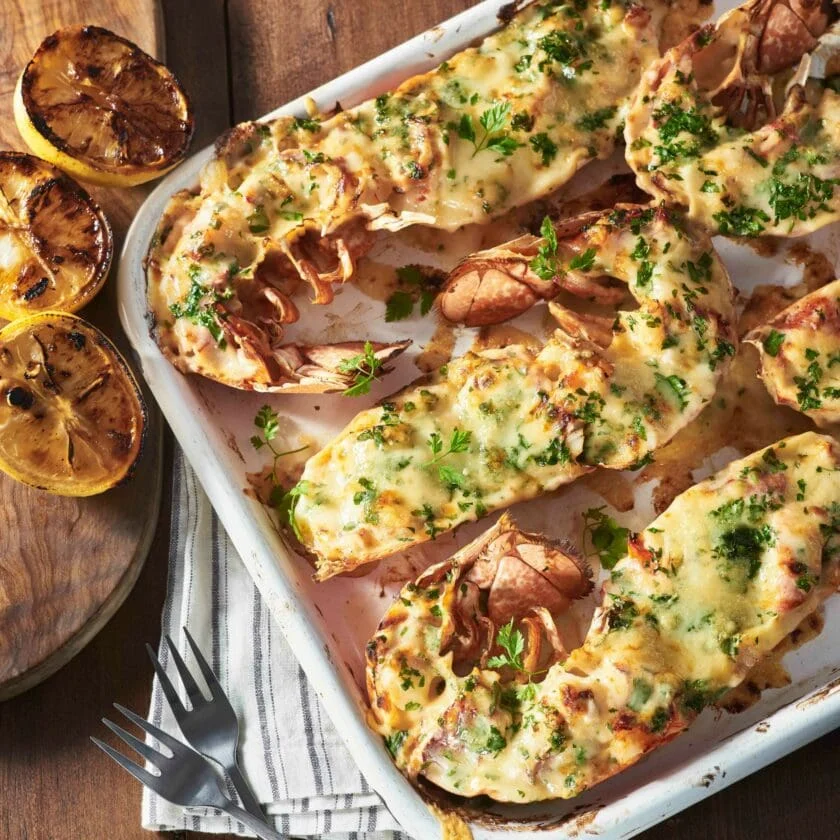

The allure of Lobster Thermidor lies not just in its luxury ingredients, but in its history. Created in the late 19th century in Paris, famously associated with the premiere of the play ‘Thermidor’ by Victorien Sardou, the dish was popularized by legendary chef Auguste Escoffier. It is a testament to the Belle Époque era of cooking—unapologetically rich, complex, and visually stunning. To cook it ‘ala fine dining’ means respecting this history while ensuring modern precision in execution.
Selecting the Perfect Lobster
The foundation of a great Thermidor is, naturally, the lobster itself. For the most authentic and flavorful experience, one should opt for cold-water lobsters, such as Maine lobsters or Brittany Blues. These varieties are prized for their sweet, firm meat and large claws. While warm-water spiny lobsters (rock lobsters) can be used, they lack the claw meat that adds a delightful textural contrast to the dish.
When purchasing, always choose live lobsters if possible. The enzyme activity in a lobster increases rapidly after death, which can cause the meat to become mushy. A lively lobster that raises its claws and curls its tail when picked up is a sign of health and freshness. For a substantial main course, aim for lobsters weighing between 1.5 to 2 pounds (approx. 700-900 grams).
The Essential Ingredients for the Sauce
The Thermidor sauce is a derivative of a Béchamel, enriched into a Mornay sauce, and then elevated with specific aromatics. To achieve a fine dining standard, ingredient quality is non-negotiable. You will need unsalted high-fat butter, fresh shallots, and a high-quality Cognac or Brandy. The alcohol is crucial as it cuts through the richness of the cream and adds a deep, woody complexity.
Furthermore, the sauce requires heavy cream, egg yolks for richness and gloss, and two distinct flavor agents: Dijon mustard and fresh tarragon. The mustard provides a sharp, tangy counterpoint to the sweet lobster, while tarragon introduces a subtle anise note that pairs beautifully with seafood. Finally, the cheese component is typically Gruyère or Emmental; these Swiss cheeses melt beautifully without becoming oily, creating the signature golden crust.
Step 1: Preparing the Lobster
Begin by bringing a large stockpot of heavily salted water to a rolling boil. The water should taste like the ocean. Plunge the live lobsters headfirst into the boiling water. This is the most humane method and ensures the meat cooks instantly. However, for Thermidor, we do not want to fully cook the lobster at this stage, as it will be cooked again under the broiler. Boil the lobsters for only 5 to 7 minutes until the shells turn bright red but the meat remains slightly translucent at the center.
Immediately transfer the lobsters to an ice bath to arrest the cooking process. This technique, known as shocking, prevents the meat from becoming rubbery. Once cool enough to handle, use kitchen shears to cut the lobster in half lengthwise. Remove the meat from the tail and claws, keeping the shell halves intact as they will serve as the serving vessels.
Step 2: Cleaning and Shell Presentation
In a fine dining setting, presentation is paramount. Clean the empty shells thoroughly under cold running water. Remove the tomalley (the green digestive gland) and any roe, unless you wish to incorporate them into the sauce for a more intense flavor—a traditional technique often used by purists. Dry the shells completely and arrange them on a baking sheet. They should look pristine, ready to cradle the rich filling.
Cut the harvested lobster meat into bite-sized chunks. Do not mince the meat; you want your guests to recognize the luxury they are eating. Large, succulent chunks provide a better mouthfeel and retain moisture better during the broiling process.
Step 3: Creating the Aromatic Base
In a sauté pan, melt a generous knob of butter over medium heat. Add finely minced shallots and sweat them until they are soft and translucent, but not browned. Add the lobster meat chunks to the pan and sauté briefly to warm them through. This is the moment to perform the flambé.
Remove the pan from the heat source (to avoid accidents) and pour in the Cognac. Return the pan to the heat and carefully ignite the vapors with a long match or by tilting the pan if using a gas stove. The flame will flare up, burning off the harsh alcohol while leaving behind the concentrated essence of the spirit. Shake the pan gently until the flames die down. Remove the lobster meat from the pan and set it aside, leaving the aromatic juices and shallots in the pan.
Step 4: Constructing the Thermidor Sauce
Using the same pan with the Cognac and shallot reduction, add more butter. Once melted, whisk in an equal amount of flour to create a roux. Cook the roux for two minutes to cook out the raw flour taste, but do not let it darken significantly. Gradually whisk in warmed milk and heavy cream, stirring constantly to ensure a smooth, lump-free consistency.
Simmer the sauce gently until it thickens enough to coat the back of a spoon (nappe consistency). At this stage, lower the heat and whisk in the Dijon mustard and chopped fresh tarragon. Season with salt, white pepper, and a pinch of cayenne pepper for a subtle background heat.
Step 5: The Liaison and Cheese
To achieve the glossy, luxurious texture characteristic of fine dining sauces, we use a liaison. In a small bowl, whisk together egg yolks and a splash of heavy cream. Temper the eggs by slowly adding a ladle of the hot sauce into the egg mixture while whisking vigorously. This prevents the eggs from scrambling. Pour the warmed egg mixture back into the main sauce pan, stirring constantly. Do not let the sauce boil after adding the eggs.
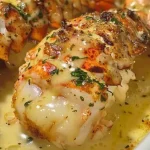
Remove the sauce from the heat and stir in half of the grated Gruyère cheese until melted and smooth. The sauce should now be thick, glossy, and incredibly aromatic. Combine the reserved lobster meat with enough sauce to coat it generously, ensuring every piece is enveloped in the creamy mixture.
Step 6: Assembly and Broiling
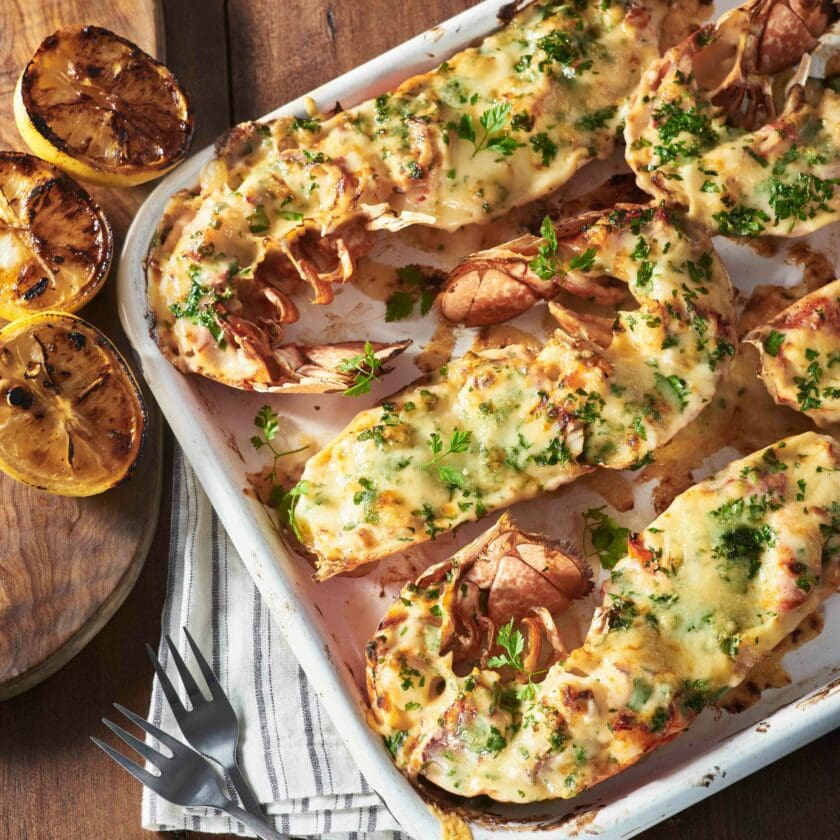
Spoon the lobster and sauce mixture back into the clean lobster shells. Do not be afraid to mound it slightly, as this creates a beautiful profile on the plate. Ladle any remaining sauce over the top to ensure full coverage. Sprinkle the remaining grated Gruyère cheese over the stuffed lobsters. For an extra touch of texture, some chefs add a dusting of fine breadcrumbs mixed with parmesan, though this is optional.
Preheat your oven’s broiler to high. Place the baking sheet with the stuffed lobsters on a rack about 6 inches from the heat source. Broil for 3 to 5 minutes. You must watch the oven vigilantly during this step. The goal is to warm the mixture through and create a bubbling, golden-brown crust with spots of deep char on the cheese. If you look away, it can burn in seconds.
Plating and Presentation
Transfer the Lobster Thermidor carefully to warmed dinner plates. In fine dining, the garnish is minimal but deliberate. A sprig of fresh tarragon or parsley and a wedge of lemon wrapped in cheesecloth (to catch seeds) are traditional accompaniments. The bright acidity of the lemon is essential to cut through the richness of the cheese and cream sauce.
Serve the dish immediately while the cheese is still bubbling. The contrast between the red shell, the golden gratin, and the white plate creates a visual feast that rivals any restaurant presentation.
Wine Pairing Recommendations
A dish as opulent as Lobster Thermidor requires a wine with equal stature. A full-bodied white wine is the standard pairing. A buttery, oak-aged Chardonnay from Burgundy (such as a Meursault or Puligny-Montrachet) mirrors the creaminess of the sauce while providing enough acidity to cleanse the palate. Alternatively, a vintage Champagne offers a festive and refreshing contrast, with its bubbles scrubbing the palate clean after every rich bite.
Common Mistakes to Avoid
One of the most common errors is overcooking the lobster during the initial boil. Remember that the lobster undergoes three heat applications: boiling, sautéing, and broiling. Keep the initial boil brief. Another mistake is using pre-grated cheese. Pre-grated cheese often contains anti-caking agents that prevent it from melting smoothly. Always grate your Gruyère fresh from the block.
Finally, ensure your sauce is seasoned correctly. The sweetness of the lobster and the richness of the cream can be cloying if not balanced by enough salt, mustard, and cayenne. Taste your sauce repeatedly before assembling the dish.
Conclusion
Cooking Lobster Thermidor at home is a project that rewards patience and precision. It transforms a simple crustacean into a masterpiece of French culinary art. By following these steps and focusing on the quality of your ingredients, you can recreate a fine dining experience in your own dining room. Whether it is for a romantic anniversary dinner or a festive holiday meal, this dish promises to impress and delight.