
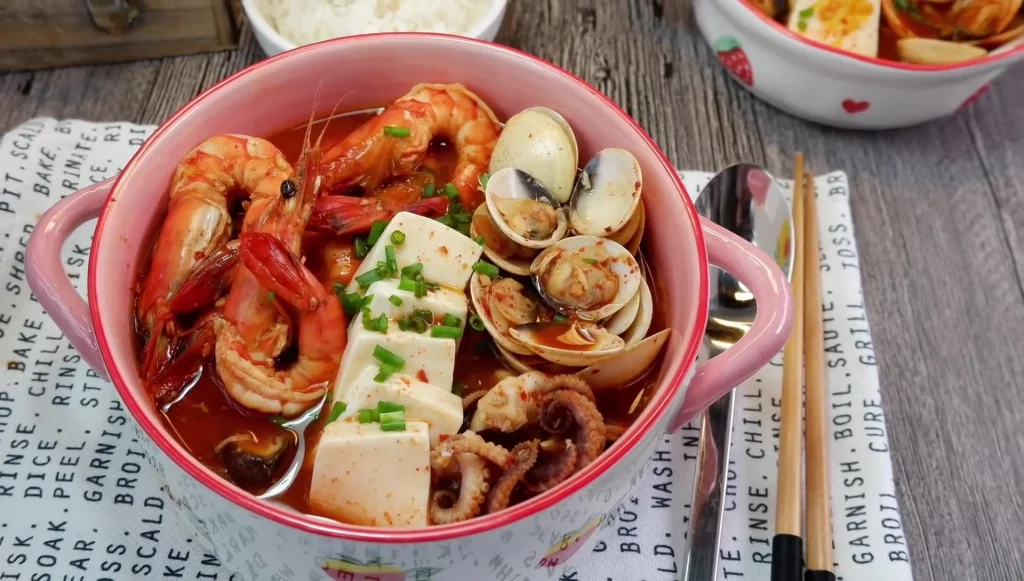

This comprehensive guide is designed to equip you with all the knowledge and techniques required to master Kimchi Jjigae Seafood in your own kitchen. From selecting the perfect ingredients to understanding the nuanced steps of preparation, we will walk you through creating a stew that is not only authentic but also incredibly satisfying. Prepare to embark on a culinary journey that will leave a lasting impression on your taste buds.
Using fresh or under-fermented kimchi will result in a flat, less robust flavor. If your kimchi isn’t sour enough, you can let it sit at room temperature for a day or two to speed up the fermentation process, or add a small splash of rice vinegar to the stew to mimic the sour notes. Always taste your kimchi before adding it to ensure it has the desired tang.
The beauty of Kimchi Jjigae Seafood lies in its versatility regarding seafood choices. You can mix and match various types to create a rich and diverse flavor. Popular options include:
- Shrimp: Adds a sweet, succulent bite.
- Squid: Offers a tender, slightly chewy texture and a distinct oceanic flavor.
- Clams/Mussels: Contribute a briny depth and release flavorful juices into the broth.
- Firm White Fish: Cod, pollock, or snapper can be used, adding flaky texture and mild flavor.
- Crab: Small blue crabs or snow crab legs can impart significant sweetness and umami.
When selecting your seafood, always prioritize freshness. Look for plump shrimp, vibrant squid, and tightly closed clams or mussels. Fresh seafood will elevate the overall taste and texture of your jjigae, making a noticeable difference in the final dish.
Beyond kimchi and seafood, several other ingredients are essential for a truly authentic Kimchi Jjigae. These include:
- Tofu: Soft or firm tofu, cut into cubes, adds a creamy texture and absorbs the rich flavors of the stew.
- Aromatics: Garlic, onion, and sometimes a touch of ginger form the aromatic foundation.
- Korean Chili Paste (Gochujang): This fermented chili paste provides a deep, savory heat and a hint of sweetness.
- Korean Chili Flakes (Gochugaru): Used to adjust the spiciness and add a vibrant red color.
- Soy Sauce: For umami and seasoning.
- Sesame Oil: Often used for sautéing the kimchi and finishing the dish, adding a nutty aroma.
- Green Onions: For garnish and a fresh, pungent kick.
- Mushrooms: Enoki, oyster, or shiitake mushrooms add earthy notes and textural variety.
- Zucchini/Radish: Optional vegetables that add freshness and absorb flavors.
The broth is another critical component. Traditionally, Kimchi Jjigae uses an anchovy-kelp broth (dashima-yuksu), which provides a deep umami base. To prepare this, combine dried anchovies (gukmyulchi) and a piece of dried kelp (dashima) with water, simmer for about 15-20 minutes, then strain. This simple step significantly enhances the depth of flavor.
If anchovies are not available or if you prefer a vegetarian base, a good quality vegetable broth or even plain water can be used, though the flavor profile will be slightly different. For convenience, some home cooks might use a commercial broth base, but the homemade anchovy-kelp broth is highly recommended for authenticity.
Before you begin cooking, ensure all your ingredients are prepped. Slice your kimchi into bite-sized pieces, mince garlic, thinly slice onions, and cut tofu into cubes. Clean and prepare your seafood; devein shrimp, slice squid into rings, and scrub clams/mussels. This mise en place will make the cooking process smooth and enjoyable.
While any sturdy pot can be used, a Korean earthenware pot, known as a dolsot or ttukbaegi, is ideal for serving Kimchi Jjigae. These pots retain heat exceptionally well, keeping the stew bubbling hot at the table, which is part of the authentic dining experience. If a dolsot isn’t available, a heavy-bottomed pot or Dutch oven will work perfectly.
Let’s dive into the step-by-step cooking process. Start by heating a tablespoon of sesame oil (or neutral cooking oil) in your pot over medium heat. Add the sliced onions and sauté until softened and translucent, about 3-5 minutes. This builds the initial aromatic layer.
Next, add the minced garlic and sauté for another minute until fragrant, being careful not to burn it. Immediately follow with the star ingredient: your well-fermented, sour kimchi. Add the kimchi to the pot and sauté it for about 5-7 minutes, stirring occasionally. This crucial step allows the kimchi to release its flavors and develop a richer taste.
Now, it’s time to build the flavor base. Add the gochujang, gochugaru, and soy sauce to the sautéed kimchi. Stir everything together thoroughly, allowing the spices to toast slightly and meld with the kimchi for about 1-2 minutes. This creates a deeply savory and spicy foundation for your stew.
Pour in your prepared anchovy-kelp broth (or alternative broth). Bring the mixture to a rolling boil, then reduce the heat to medium-low and let it simmer for about 10-15 minutes. This simmering time is essential for the flavors to meld and deepen, transforming the individual components into a cohesive, flavorful broth.
Once the broth has simmered, begin adding your harder vegetables, such as sliced zucchini or radish, if using. Let them cook for a few minutes until slightly tender. Then, carefully arrange the tofu cubes and any firm white fish pieces (like cod or pollock) into the pot. These ingredients benefit from a slightly longer cooking time to absorb the broth’s flavors.
Next, add the clams or mussels, if using. Cover the pot and allow them to steam open, which usually takes about 3-5 minutes. Discard any clams or mussels that do not open. Their briny juices will infuse the stew with an incredible depth of flavor.
Finally, add the quicker-cooking seafood: shrimp and squid. These should be added last to prevent overcooking, which can make them rubbery. Cook for only 2-3 minutes, or until the shrimp turn pink and opaque, and the squid is cooked through but still tender. Overcooked seafood is a common mistake that diminishes the quality of the dish.
Stir in your desired mushrooms (enoki, oyster, or shiitake) and sliced green onions. Let the stew simmer for another 2-3 minutes to allow the mushrooms to soften and the green onions to wilt slightly. At this point, taste the jjigae and adjust the seasoning as needed. You might want to add a pinch more soy sauce for saltiness, a touch of sugar to balance the acidity, or more gochugaru for extra heat.
For an extra layer of flavor and aroma, a drizzle of sesame oil just before serving can be a wonderful addition. Some also like to crack an egg directly into the bubbling stew during the last few minutes of cooking, allowing it to poach gently in the flavorful broth.
Kimchi Jjigae Seafood is best enjoyed immediately, served piping hot directly from the pot. Traditionally, it’s placed in the center of the table, and individual portions are scooped into smaller bowls. It is almost always served with a bowl of freshly steamed white rice, which helps to balance the spiciness and soak up the delicious broth.
Accompany your Kimchi Jjigae with an assortment of banchan (Korean side dishes). Simple banchan like seasoned spinach (sigeumchi namul), bean sprout salad (kongnamul muchim), or another type of kimchi can complement the rich flavors of the stew beautifully, creating a well-rounded Korean meal experience.
To truly perfect your Kimchi Jjigae Seafood, keep these tips in mind:
- Don’t skimp on kimchi: Use at least 1.5 to 2 cups of well-fermented kimchi for a rich flavor.
- Sauté the kimchi thoroughly: This step is crucial for flavor development.
- Build a strong broth: The anchovy-kelp broth makes a significant difference.
- Avoid overcooking seafood: Add delicate seafood towards the end of the cooking process.
- Taste and adjust: Seasoning is key; don’t be afraid to adjust salt, spice, and sweetness to your preference.
For those who enjoy experimentation, Kimchi Jjigae is incredibly adaptable. You can customize the spiciness by adjusting the amount of gochugaru. Add a slice of American cheese or a block of ramen noodles during the final minutes for a popular modern twist, often found in Korean pocha (pubs).
Consider adding other vegetables like sliced potatoes or carrots for extra body, or a handful of rice cakes (tteokbokki tteok) for a chewy texture. The beauty of this stew is its flexibility to incorporate whatever fresh ingredients you have on hand, always resulting in a comforting and satisfying meal.
Beyond its incredible taste, Kimchi Jjigae offers several health benefits. Kimchi, being a fermented food, is rich in probiotics, which are beneficial for gut health. Seafood provides lean protein, essential fatty acids, and various vitamins and minerals. The abundance of vegetables adds fiber and antioxidants, making this a wholesome and nutritious dish.
The warmth and spice of Kimchi Jjigae also make it a popular comfort food, especially during colder months or when one is feeling under the weather. It’s a dish that nourishes both the body and the soul, bringing a sense of warmth and well-being with every spoonful.
While making Kimchi Jjigae Seafood is relatively straightforward, there are a few common pitfalls to avoid. The most frequent mistake is using fresh, unfermented kimchi, which lacks the necessary sourness and depth. Another is overcrowding the pot, which can lead to uneven cooking and a less flavorful broth.
Under-seasoning is also a common issue; always taste your broth before adding seafood and adjust salt and spice. Lastly, remember the delicate nature of seafood – overcooking will result in tough, unappetizing textures, so be mindful of cooking times.
In conclusion, crafting an authentic Kimchi Jjigae Seafood is a rewarding culinary endeavor that brings the vibrant tastes of Korea directly to your dining table. By understanding the importance of well-fermented kimchi, selecting fresh seafood, and meticulously following the steps outlined in this guide, you can create a stew that is both deeply comforting and explosively flavorful.
This dish is more than just a meal; it’s an experience, a celebration of Korean culinary tradition, and a testament to the power of simple ingredients transformed into something extraordinary. So, gather your ingredients, fire up your stove, and prepare to delight your senses with a truly magnificent bowl of homemade Kimchi Jjigae Seafood. Annyeonghi deuseyo! (Enjoy your meal!)