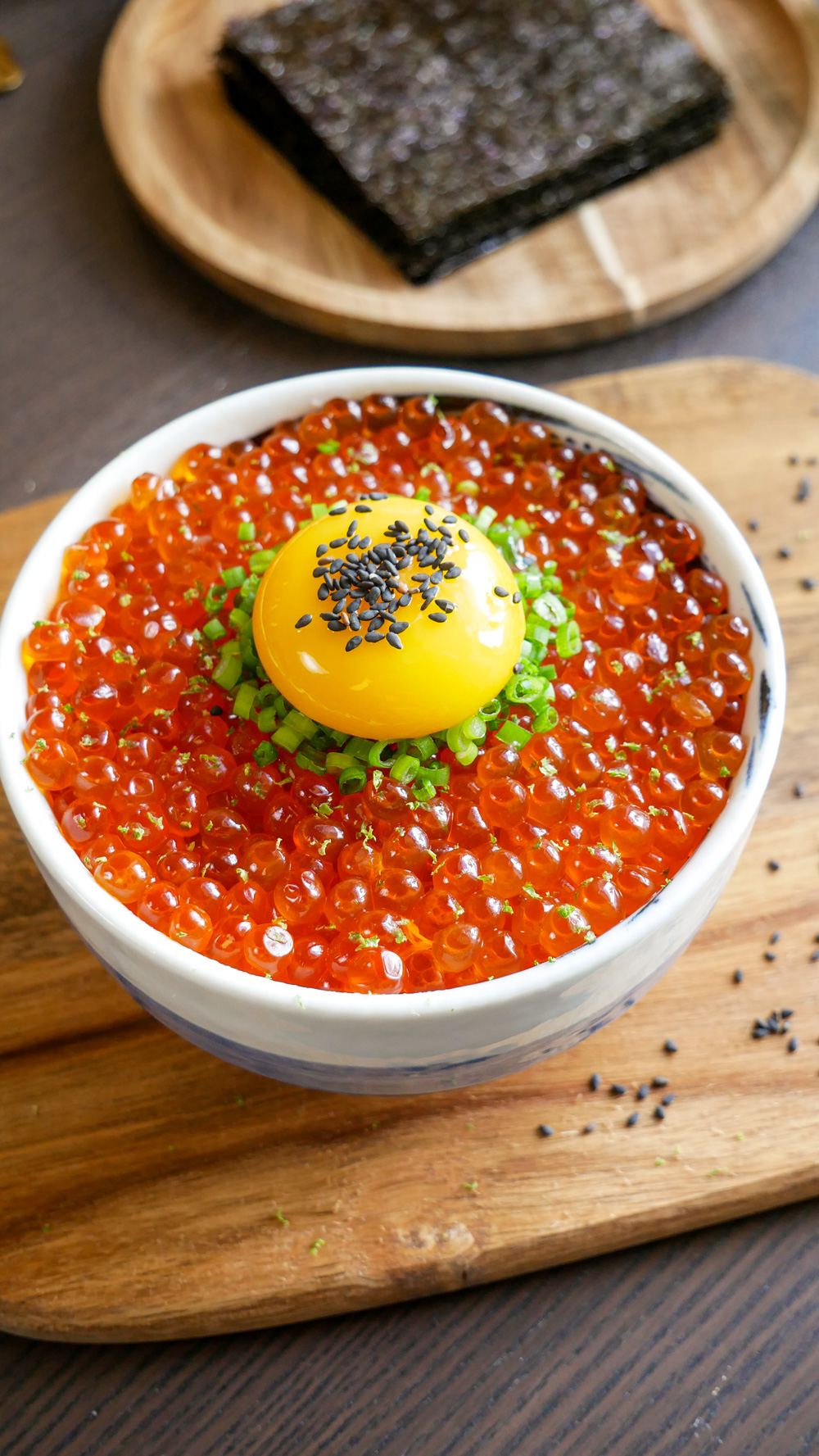


The foundation of any great donburi (rice bowl) is the rice. For Ikura Don, short-grain Japanese rice is the undisputed choice. Its slightly sticky texture is ideal for holding the toppings, and its subtle sweetness complements the salty, rich roe. The rice must be cooked to perfection – fluffy, tender, and not mushy. This is achieved through careful washing, soaking, and precise cooking, often in a rice cooker for consistency.
Seasoning the rice is a crucial step that elevates the dish from simple to sublime. A traditional seasoning blend for sushi rice, known as sushi-zu, is typically used. This mixture of rice vinegar, sugar, and salt provides a subtle tang and sweetness that cuts through the richness of the ikura and enhances the overall flavor profile of the bowl. The proportions can be adjusted to personal preference, but a balanced blend is key.
Beyond the rice and roe, additional elements can enhance the Ikura Don experience. Thinly sliced nori (seaweed) adds a subtle oceanic depth and a pleasant crispness. Wasabi, that fiery green paste, offers a pungent kick that awakens the palate and provides a delightful contrast to the creamy roe. Pickled ginger (gari) serves as a palate cleanser, allowing each bite of Ikura Don to be savored anew.
The preparation of the ikura itself is a critical aspect of achieving authentic Ikura Don. While many home cooks opt for pre-cured ikura available at Japanese markets, understanding the curing process offers deeper insight. Traditionally, ikura is cured in a brine that often includes soy sauce, mirin (sweet rice wine), dashi (Japanese soup stock), and sometimes sake. This curing process not only preserves the roe but also imbues it with layers of complex flavor.
The curing liquid, often referred to as ‘tsuyu,’ is meticulously balanced. The soy sauce provides saltiness and umami, the mirin adds a touch of sweetness and gloss, and the dashi contributes a savory depth. Some recipes may include a splash of sake for added aroma and complexity. The ikura is gently marinated in this tsuyu for a specific period, allowing the flavors to penetrate without breaking down the delicate structure of the eggs.
Achieving the perfect texture in the ikura is an art form. Over-curing can result in tough, rubbery pearls, while under-curing may leave them too liquid and prone to bursting prematurely. The goal is a ‘pop’ when bitten into, releasing a burst of rich, liquid gold – the essence of the salmon’s life force.
When assembling the Ikura Don, the presentation is as important as the taste. A generous portion of perfectly seasoned sushi rice forms the base in a donburi bowl. The ikura is then artfully arranged on top, often in a circular pattern or a beautiful mound, allowing its vibrant color to be the focal point. The glistening pearls should appear plump and inviting.
Garnishes play a vital role in both visual appeal and flavor enhancement. Shredded nori is often sprinkled over the ikura, adding a contrasting dark hue and a subtle crunch. A small dollop of freshly grated wasabi is typically placed on the side, allowing diners to add as much or as little heat as they desire. Thin slices of pickled ginger are usually served alongside, offering a refreshing counterpoint.
Beyond the classic Ikura Don, numerous variations can be explored, catering to diverse palates and culinary inspirations. One popular rendition involves adding a raw egg yolk or a onsen tamago (slow-cooked egg) to the bowl. The creamy yolk, when mixed with the rice and ikura, creates an even richer, more luxurious texture and flavor profile.
Another delightful variation incorporates other seafood elements. Slices of fresh, high-quality sashimi-grade salmon can be placed alongside the ikura, doubling down on the salmon theme and adding a different textural dimension. Thinly sliced scallops or even a touch of uni (sea urchin) can offer complementary flavors and textures.
For those seeking a more complex flavor profile, a drizzle of mentsuyu (a concentrated noodle soup base) or a light teriyaki glaze can be added. These additions introduce additional layers of umami and sweetness, transforming the Ikura Don into a more robust and savory dish. However, it’s crucial to ensure these additions do not overpower the delicate flavor of the ikura.
Vegetable components can also be integrated to add freshness and color. Blanched asparagus, finely chopped chives, or slivers of avocado can provide a welcome contrast to the richness of the roe and rice. These additions should be subtle, complementing rather than competing with the main ingredients.
The ideal serving temperature for Ikura Don is crucial. It is typically served at room temperature or slightly chilled. This ensures that the ikura retains its optimal texture and that the flavors are at their most vibrant. Overly warm ikura can become mushy, diminishing the sensory experience.
Pairing Ikura Don with the right beverage can further enhance the dining experience. A crisp, dry sake is a classic and highly recommended accompaniment. Its clean profile cuts through the richness of the ikura and complements the subtle sweetness of the rice. Alternatively, a light Japanese beer or even a chilled green tea can serve as refreshing partners.
When sourcing ikura, it is imperative to choose reputable suppliers. Look for ikura that is brightly colored, plump, and free from excessive liquid or broken eggs. Freshness is key, and if possible, opt for ikura that has been recently cured. Understanding the origin and processing of the ikura can also provide assurance of quality.
For those venturing into making Ikura Don from scratch, patience and attention to detail are essential. Start with high-quality, sushi-grade salmon roe. If you are curing it yourself, ensure your tsuyu is well-balanced and that you follow the marinating times precisely. Practice makes perfect when it comes to achieving the ideal ikura texture.
The health benefits of salmon roe are also noteworthy. Ikura is a rich source of omega-3 fatty acids, which are beneficial for heart health and brain function. It also contains essential vitamins and minerals, including vitamin D, vitamin B12, and selenium, making Ikura Don a delicious indulgence that also offers nutritional value.
The cultural significance of Ikura Don in Japan cannot be overstated. It is a dish often associated with celebrations and special occasions, a symbol of prosperity and good fortune due to the abundance represented by the many eggs. Its presence on a menu signifies a commitment to quality and a celebration of the sea’s bounty.
In conclusion, Ikura Don is more than just a dish; it is a culinary art form that celebrates the exquisite flavors and textures of the ocean. From the careful selection of plump salmon roe to the perfectly seasoned sushi rice and thoughtful garnishes, every element contributes to a harmonious and unforgettable dining experience. Whether enjoyed in a bustling Tokyo eatery or prepared in the comfort of your own kitchen, Ikura Don offers a taste of Japanese culinary excellence that is both refined and deeply satisfying.
The journey of creating Ikura Don begins with the rice. Washing the Japanese short-grain rice thoroughly is paramount. This removes excess starch, preventing the rice from becoming overly gummy. Typically, rice is washed under cold running water until the water runs clear, a process that can take several rinses. Soaking the washed rice for about 30 minutes before cooking allows for even hydration, leading to a superior texture.
Cooking the rice requires precision. A rice cooker is the most convenient and consistent method, but cooking on the stovetop is also feasible. The water-to-rice ratio is critical; generally, it’s a 1:1 ratio for short-grain rice, but always refer to your rice cooker’s instructions or a reliable stovetop method. Once cooked, allow the rice to steam, undisturbed, for at least 10-15 minutes before fluffing.
Preparing the sushi vinegar (sushi-zu) is the next vital step. A common ratio is 4 parts rice vinegar, 2 parts sugar, and 1 part salt. Gently heat these ingredients in a small saucepan until the sugar and salt are completely dissolved. Do not boil. Let the mixture cool completely before incorporating it into the hot, freshly cooked rice. The goal is to evenly distribute the sushi-zu, fanning the rice as you gently fold it in with a cutting motion to cool it rapidly and achieve a glossy finish.
The ikura, whether store-bought or homemade, should be handled with care. If using store-bought, drain any excess liquid. If you’ve cured your own, ensure it has rested sufficiently after marinating. The curing liquid should have imparted flavor without making the roe overly salty or mushy. Gently separate any clumps of ikura to ensure individual pearls.
Assembling the bowl involves layering. Start with a generous portion of the seasoned sushi rice, pressing it lightly into the donburi bowl. Create a slight well in the center or spread the rice evenly. Then, artfully arrange the ikura over the rice. Some prefer a central mound, while others like to create a ring around the edge. The goal is to showcase the vibrant color and texture of the roe.
Adding the garnishes is where personal flair comes into play. Thinly sliced nori, either as strips or small squares, provides visual contrast and a subtle oceanic flavor. A small mound of vibrant green wasabi on the side offers a pungent kick. Pickled ginger, with its refreshing sweetness and acidity, is essential for cleansing the palate between bites.
Consider the optional additions that elevate Ikura Don. A raw egg yolk, placed gently in the center of the ikura, adds a creamy richness when broken and mixed. An onsen tamago, with its custardy white and perfectly runny yolk, offers a similar luxurious texture. These additions transform the dish into an even more decadent experience.
For those who appreciate complexity, a light drizzle of premium soy sauce can be added just before serving. Use a high-quality Japanese soy sauce for the best flavor. Be mindful not to oversalt, as the ikura itself is already briny.
Serving Ikura Don is best done immediately after assembly. The contrast between the warm rice and the cool, plump ikura is part of its charm. The visual appeal is at its peak when freshly prepared, with the glistening roe inviting the first bite.
Exploring different types of salmon roe can also be an adventure. While ‘ikura’ specifically refers to salmon roe, different salmon species yield roe with slightly varying sizes, colors, and flavor profiles. King salmon roe tends to be larger and richer, while sockeye salmon roe might be smaller and more intensely flavored.
The history of donburi, including Ikura Don, is rooted in the practical need for convenient, satisfying meals. Rice bowls became popular in Japan during the Edo period, evolving from simple meals for laborers to more elaborate creations enjoyed by all social strata. Ikura Don, with its luxurious topping, likely emerged as a more refined iteration.
The sensory experience of eating Ikura Don is multifaceted. The initial visual appeal of the vibrant orange pearls against the white rice is striking. The texture is a delightful interplay between the soft, yielding rice, the firm yet burstable ikura, and the crisp nori. The flavor is a symphony of briny, savory, slightly sweet, and umami notes, with the optional wasabi adding a sharp counterpoint.
In essence, mastering Ikura Don is about respecting the ingredients and understanding the nuances of Japanese culinary techniques. It’s a dish that rewards patience, attention to detail, and a genuine appreciation for the delicate flavors of the sea. The result is a deeply satisfying and visually stunning meal that is sure to impress.
The art of selecting ikura cannot be stressed enough. Look for roe that has a consistent, vibrant orange-red hue. Avoid ikura that appears dull, overly pale, or has a significant amount of broken eggs or liquid. The membrane encasing each egg should be intact, indicating freshness and proper handling. A slight sheen is desirable, but excessive oiliness can be a sign of lower quality.
When considering homemade Ikura Don, the choice of rice vinegar is also important. A good quality Japanese rice vinegar will provide a cleaner, more nuanced flavor than generic vinegars. Similarly, the sugar and salt used should be of good quality to ensure they dissolve cleanly and contribute to the overall flavor balance without any off-notes.
The process of fanning the sushi rice while mixing in the sushi-zu is a technique that not only cools the rice quickly but also helps to evaporate excess moisture, resulting in perfectly textured rice that is neither sticky nor dry. This step is crucial for achieving the ideal base for the ikura.
For those new to Ikura Don, starting with high-quality, pre-cured ikura from a reputable Japanese market is a sensible approach. This allows you to focus on perfecting the rice and assembly without the added complexity of curing the roe. As you gain confidence, you can explore the art of curing your own ikura.
The versatility of Ikura Don extends to its serving context. It can be a light yet satisfying lunch, an elegant appetizer, or a sophisticated main course. Its beautiful presentation makes it suitable for special occasions and intimate gatherings.
Finally, remember that Ikura Don is a dish best enjoyed with mindfulness. Take the time to appreciate the craftsmanship, the quality of the ingredients, and the unique sensory experience each bite offers. It is a true celebration of Japanese culinary artistry.