
Understanding Ikan Kembung (Mackerel)
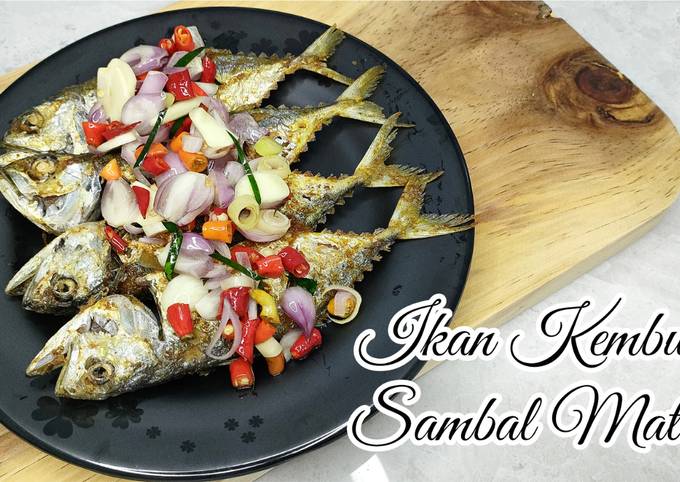
Ikan Kembung, or mackerel, is a popular fish in Indonesian cuisine, known for its rich, oily flesh and distinct flavor. It’s a versatile fish that can be grilled, fried, steamed, or baked. When grilling, the natural oils in the fish help to keep it moist and prevent it from drying out, resulting in a succulent and flavorful dish.
Why Sambal Matah is the Perfect Accompaniment
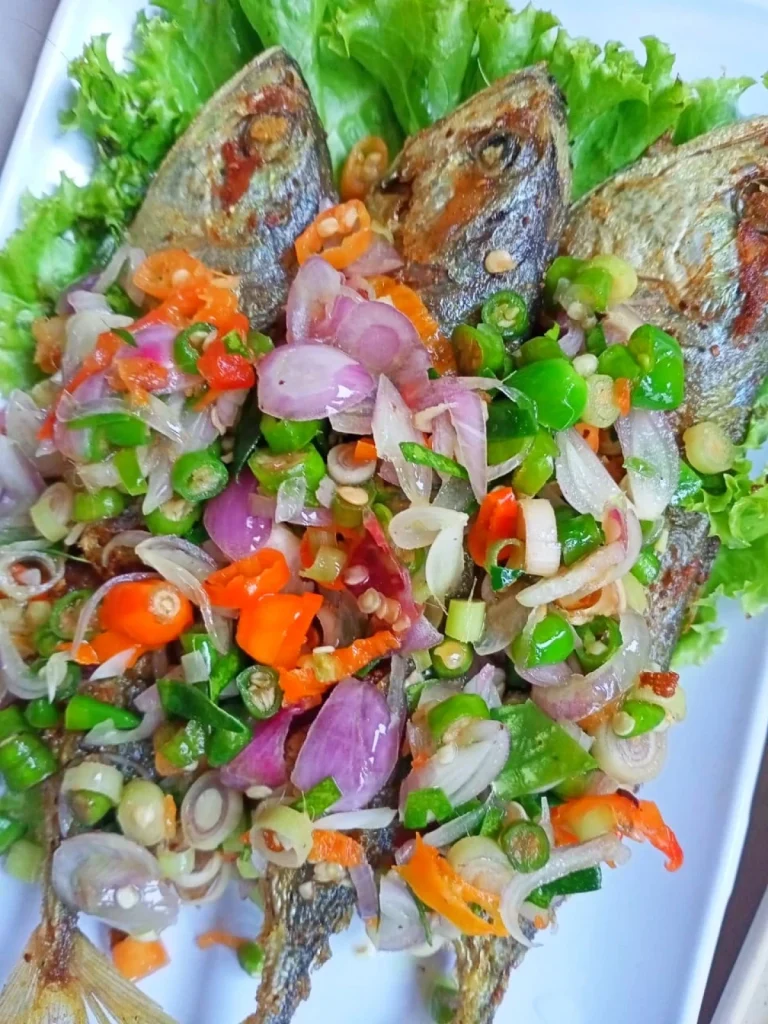
Sambal Matah is a raw Balinese salsa that bursts with fresh, vibrant flavors. It typically includes ingredients like shallots, lemongrass, chili, lime leaves, and shrimp paste (terasi). The combination of spicy, savory, and citrusy notes in Sambal Matah complements the richness of the grilled mackerel perfectly, creating a harmonious and unforgettable taste experience.
Selecting the Freshest Ikan Kembung
- Eyes: Look for fish with clear, bright, and bulging eyes. Avoid fish with sunken or cloudy eyes.
- Gills: The gills should be bright red and moist. Avoid fish with dull, slimy, or brown gills.
- Smell: The fish should have a fresh, sea-like smell. Avoid fish with a strong, fishy, or ammonia-like odor.
- Flesh: The flesh should be firm and elastic, springing back when touched. Avoid fish with soft, mushy, or easily dented flesh.
- Scales: The scales should be shiny and tightly adhered to the skin. Avoid fish with loose or missing scales.
Essential Ingredients for Ikan Kembung Sambal Matah
- Ikan Kembung (Mackerel): Fresh, whole mackerel, cleaned and gutted.
- Shallots: Thinly sliced.
- Lemongrass: Finely chopped. Use only the tender white part.
- Red Chilies: Bird’s eye chilies (cabe rawit) or other red chilies, thinly sliced. Adjust the quantity to your spice preference.
- Lime Leaves (Daun Jeruk): Thinly sliced, with the central vein removed.
- Shrimp Paste (Terasi): Grilled or toasted to enhance its flavor.
- Lime Juice: Freshly squeezed.
- Salt: To taste.
- Cooking Oil: For grilling and drizzling over the Sambal Matah.
Preparing the Ikan Kembung for Grilling
- Cleaning: If you bought whole fish, make sure it’s thoroughly cleaned and gutted. Remove any remaining scales and rinse the fish under cold running water. Pat it dry with paper towels.
- Scoring: Make shallow diagonal cuts on both sides of the fish. This helps the fish cook evenly and allows the flavors to penetrate deeper.
- Marinating (Optional): While not traditional, a simple marinade can add extra flavor. Try a mixture of lime juice, salt, and a touch of garlic. Marinate for 15-30 minutes.
Making the Perfect Sambal Matah
- Combine Ingredients: In a bowl, combine the sliced shallots, lemongrass, chilies, and lime leaves.
- Toast the Terasi: Grill or toast the shrimp paste until fragrant. Crumble it into the bowl with the other ingredients.
- Season and Mix: Add salt and lime juice to taste. Mix well with your hands, gently bruising the ingredients to release their flavors.
- Heat Oil: Heat cooking oil in a small pan until smoking hot.
- Pour Over Sambal: Carefully pour the hot oil over the Sambal Matah. The oil will sizzle and cook the ingredients slightly, enhancing their aroma and flavor.
- Let it Rest: Allow the Sambal Matah to rest for at least 15 minutes before serving to allow the flavors to meld.
Grilling Techniques for Ikan Kembung
- Prepare the Grill: Preheat your grill to medium heat. Make sure the grill grates are clean and lightly oiled to prevent sticking.
- Oil the Fish: Lightly brush the Ikan Kembung with cooking oil on both sides. This will help it to crisp up and prevent it from sticking to the grill.
- Grilling Time: Place the fish on the grill grates. Grill for about 4-6 minutes per side, or until the flesh is opaque and flakes easily with a fork. The exact grilling time will depend on the thickness of the fish and the heat of your grill.
- Avoid Overcrowding: Don’t overcrowd the grill. Grill the fish in batches if necessary to ensure even cooking.
- Use a Fish Basket (Optional): If you’re concerned about the fish sticking to the grill, you can use a fish basket. This will make it easier to flip the fish and prevent it from falling apart.
Tips for Preventing Sticking
- Clean and Oil the Grates: Make sure the grill grates are clean and lightly oiled before you start grilling.
- Oil the Fish: Lightly brush the fish with cooking oil on both sides.
- Don’t Move the Fish Too Soon: Allow the fish to sear properly before attempting to flip it. If it’s sticking, it’s not ready to be flipped.
- Use a Thin Spatula: Use a thin, flexible spatula to gently lift the fish from the grill grates.
Checking for Doneness
- Flakiness: The flesh should be opaque and flake easily with a fork.
- Internal Temperature: Use a meat thermometer to check the internal temperature of the fish. It should reach 145°F (63°C).
Serving Ikan Kembung Sambal Matah
- Plate the Fish: Place the grilled Ikan Kembung on a serving plate.
- Top with Sambal Matah: Generously spoon the Sambal Matah over the fish.
- Garnish (Optional): Garnish with a sprinkle of fried shallots or a sprig of cilantro for added visual appeal.
- Serve Immediately: Serve the Ikan Kembung Sambal Matah immediately while it’s still hot and flavorful.
Accompaniments and Side Dishes
- Steamed Rice: Steamed rice is a classic accompaniment to Indonesian dishes and provides a neutral base to balance the spicy flavors.
- Lawar: Lawar is a traditional Balinese vegetable dish that typically includes shredded coconut, vegetables, and spices.
- Plecing Kangkung: Plecing Kangkung is a spicy water spinach dish that’s popular in Lombok and Bali.
- Tahu and Tempeh: Fried tofu (tahu) and tempeh are great sources of protein and add a satisfying texture to the meal.
Variations and Adaptations
- Spice Level: Adjust the amount of chili in the Sambal Matah to control the spice level.
- Type of Fish: While Ikan Kembung is the traditional choice, you can also use other types of fish, such as snapper or sea bass.
- Vegetarian Option: For a vegetarian option, you can substitute the fish with grilled tofu or tempeh.
- Sambal Variations: Experiment with different Sambal recipes, such as Sambal Terasi or Sambal Bajak.
Tips for Grilling in Different Weather Conditions
- Windy Conditions: If it’s windy, position your grill so that the wind is not blowing directly into it. This will help to maintain a consistent temperature.
- Rainy Conditions: If it’s raining, use an umbrella or a covered grilling area. Make sure the grilling area is well-ventilated.
- Cold Weather: In cold weather, it may take longer for the grill to heat up. Preheat the grill for a longer period of time.
Health Benefits of Ikan Kembung
- Omega-3 Fatty Acids: Rich in omega-3 fatty acids, which are beneficial for heart health and brain function.
- Protein: A good source of protein, which is essential for building and repairing tissues.
- Vitamins and Minerals: Contains vitamins D and B12, as well as minerals like selenium and iodine.
Storing Leftovers
- Refrigerate: Store leftover Ikan Kembung Sambal Matah in an airtight container in the refrigerator for up to 2 days.
- Reheating: Reheat the fish in the oven or microwave until heated through. Be careful not to overcook it, as it can become dry.
Conclusion: Mastering the Art of Ikan Kembung Sambal Matah
Grilling Ikan Kembung Sambal Matah is a rewarding culinary experience that combines the flavors of the sea with the vibrant spices of Indonesia. By following these expert tips and techniques, you can create a dish that is both delicious and visually appealing. From selecting the freshest ingredients to mastering the grilling process, every step is crucial for achieving the perfect balance of flavors and textures. So, fire up your grill and embark on a culinary adventure that will tantalize your taste buds and impress your friends and family. Selamat makan! (Enjoy your meal!)
Troubleshooting Common Grilling Problems
- Fish is sticking: Ensure grates are clean and oiled. The fish might not be seared enough; wait longer before flipping.
- Fish is drying out: Reduce grilling time or use a lower heat. Basting with oil or marinade can help.
- Sambal Matah is too spicy: Reduce the amount of chili. Adding a touch of sugar or more lime juice can balance the heat.
- Sambal Matah is too bland: Add more shrimp paste or chili. Ensure the ingredients are fresh and finely chopped.
Advanced Grilling Techniques for Enhanced Flavor
- Wood Chips: Add wood chips (like hickory or applewood) to your grill for a smoky flavor infusion. Soak the chips in water for 30 minutes before adding them to the grill.
- Indirect Heat: Use indirect heat for thicker cuts of fish to ensure they cook evenly without burning.
- Grilling Planks: Grill the fish on cedar planks for a unique smoky flavor and to prevent sticking. Soak the planks in water for at least 2 hours before grilling.
The Cultural Significance of Ikan Kembung Sambal Matah
Ikan Kembung Sambal Matah is more than just a dish; it’s a reflection of Indonesian culinary heritage. Sambal Matah, originating from Bali, showcases the island’s love for fresh, raw ingredients and bold flavors. The combination of grilled fish and this vibrant salsa represents a celebration of local ingredients and traditional cooking methods, often enjoyed during family gatherings and festive occasions.
Pairing Ikan Kembung Sambal Matah with Indonesian Drinks
- Es Teh Manis (Sweet Iced Tea): A classic Indonesian drink that complements the spicy and savory flavors of the dish.
- Es Jeruk (Iced Orange Juice): The citrusy notes of iced orange juice provide a refreshing contrast to the rich flavors of the fish and Sambal Matah.
- Bir Bintang: A popular Indonesian beer that pairs well with grilled seafood.
- Tuak: A traditional palm wine that offers a unique and slightly sweet flavor profile, often enjoyed during festive occasions.
Sustainable Seafood Choices: Ensuring Responsible Consumption
When selecting Ikan Kembung, consider sustainable seafood options to support responsible fishing practices. Look for certifications from organizations like the Marine Stewardship Council (MSC) or consult local seafood guides to make informed choices that help protect marine ecosystems for future generations.
Exploring Regional Variations of Sambal in Indonesia
- Sambal Terasi: A fermented shrimp paste-based Sambal with a pungent and savory flavor.
- Sambal Bajak: A cooked Sambal with a smoky and slightly sweet flavor, often made with roasted chilies and spices.
- Sambal Ulek: A simple and versatile Sambal made with ground chilies, garlic, and salt.
- Sambal Dabu-Dabu: A fresh and vibrant Sambal from North Sulawesi, similar to Sambal Matah but often includes tomatoes and basil.
Why Freshness Matters: The Impact on Flavor and Texture
Using fresh ingredients is paramount in Indonesian cuisine, especially when preparing dishes like Ikan Kembung Sambal Matah. Fresh fish has a firmer texture and a cleaner, more delicate flavor than older fish. Similarly, fresh herbs and spices contribute to the vibrant and aromatic qualities of the Sambal Matah, creating a truly unforgettable dining experience. Always prioritize freshness when selecting your ingredients to ensure the best possible results.
Tips for Scaling the Recipe for Larger Gatherings
- Calculate Portions: Estimate the number of servings you’ll need and adjust the ingredient quantities accordingly.
- Prepare in Batches: Grill the fish in batches to avoid overcrowding the grill and ensure even cooking.
- Make Sambal Matah Ahead: The Sambal Matah can be prepared a few hours in advance and stored in the refrigerator. Just before serving, drizzle with hot oil to refresh the flavors.
- Keep Warm: If necessary, keep the grilled fish warm in a low oven (200°F or 93°C) until ready to serve.