
Himalayan pink salt, known for its purity and mineral content, is mined from ancient salt deposits in the Punjab region of Pakistan. When formed into a solid block and heated, it imparts a subtle, complex salinity and a unique mineral essence to the food cooked upon it. This method is not just about cooking; it’s about experiencing a fusion of ancient tradition and modern culinary innovation.
The process of grilling on a Himalayan salt block might seem intimidating at first, but it’s remarkably straightforward once you understand the fundamentals. The key lies in the gradual and even heating of the block, ensuring it reaches the optimal temperature for searing without cracking. This controlled approach is crucial for both the longevity of your salt block and the success of your culinary creations.
Before you begin, it’s essential to select a high-quality Himalayan salt block. Look for blocks that are uniformly pink, dense, and free from visible cracks or impurities. The thickness of the block also plays a role; thicker blocks tend to retain heat better and are more durable. Proper handling and care are paramount to preserving your investment.
The initial preparation of the salt block is a critical step. Never expose a cold salt block to direct, high heat. Instead, begin by placing the block on your grill or in your oven at a low temperature, gradually increasing the heat over a period of 20-30 minutes. This slow acclimation prevents thermal shock, which is the primary cause of salt block cracking.
As the salt block heats up, you’ll notice a slight condensation forming on its surface, followed by a gradual clearing. This indicates that the block has reached a safe and effective cooking temperature. The ideal temperature for searing seafood typically ranges from 400-500°F (200-260°C), but this can vary depending on the thickness of the seafood and desired level of doneness.
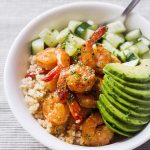
When it comes to seafood, the possibilities are vast. Delicate white fish like cod, tilapia, or snapper are excellent choices for salt block grilling. Their flaky texture absorbs the subtle saltiness beautifully, creating a moist and flavorful result. Shrimp, scallops, and even calamari also shine on the salt block, searing quickly to a perfect tenderness.
For larger cuts or thicker seafood, such as salmon fillets or tuna steaks, the salt block provides an even cooking surface, ensuring consistent heat distribution. This prevents hot spots and allows for a beautiful, caramelized crust to form while keeping the interior succulent.
The beauty of cooking on a salt block is its minimalist approach to seasoning. The block itself provides the primary seasoning. However, a light brushing of olive oil or a delicate marinade on the seafood can add another layer of flavor without overwhelming the natural taste.
Consider marinating shrimp in a mixture of garlic, lemon juice, and herbs for a few minutes before placing them on the hot salt block. The quick sear will lock in the flavors, creating a vibrant and zesty dish. For salmon, a simple drizzle of olive oil and a sprinkle of black pepper are often all that’s needed.
Placing the seafood onto the hot salt block requires a steady hand. Use a spatula or tongs to carefully lay the pieces onto the block. You’ll hear an immediate sizzle, a sound that signifies the beginning of a truly delicious cooking process. Avoid overcrowding the block, as this can lower the temperature and lead to steaming rather than searing.
The cooking time will vary significantly based on the type and thickness of the seafood. Thin fish fillets might only take 2-4 minutes per side, while thicker salmon steaks could require 5-7 minutes per side. Scallops and shrimp cook very quickly, often needing just 1-2 minutes per side.
The visual cues are your best guide. Look for the seafood to become opaque and firm. For shrimp, the shells will turn pink and curl. For fish, the flesh will flake easily with a fork. The edges should have a lovely golden-brown sear, a testament to the direct contact with the heated salt block.
Once cooked, carefully remove the seafood from the salt block using your spatula or tongs. Allow it to rest for a minute or two before serving. This resting period allows the juices to redistribute, ensuring maximum moisture and flavor in every bite.
Serving the seafood directly from the salt block can be a dramatic and impressive presentation. For smaller items like shrimp or scallops, you can place the entire block, with the cooked seafood still on it, onto a heat-resistant platter. This keeps the food warm and adds a unique visual element to your dining experience.
Cleaning a Himalayan salt block is as important as heating it. After it has cooled completely – and this is crucial, never clean a hot block – gently wipe it down with a damp cloth or sponge. Avoid using soap or detergents, as these can be absorbed by the salt and affect the taste of future dishes. For stubborn bits, a gentle scrub with a non-abrasive pad may be necessary.
If your salt block develops a slightly darker or discolored patina over time, this is normal and a sign of its use. It does not affect its cooking ability. However, if significant cracks appear, it might be time to consider replacing the block. Proper care will extend its lifespan considerably.
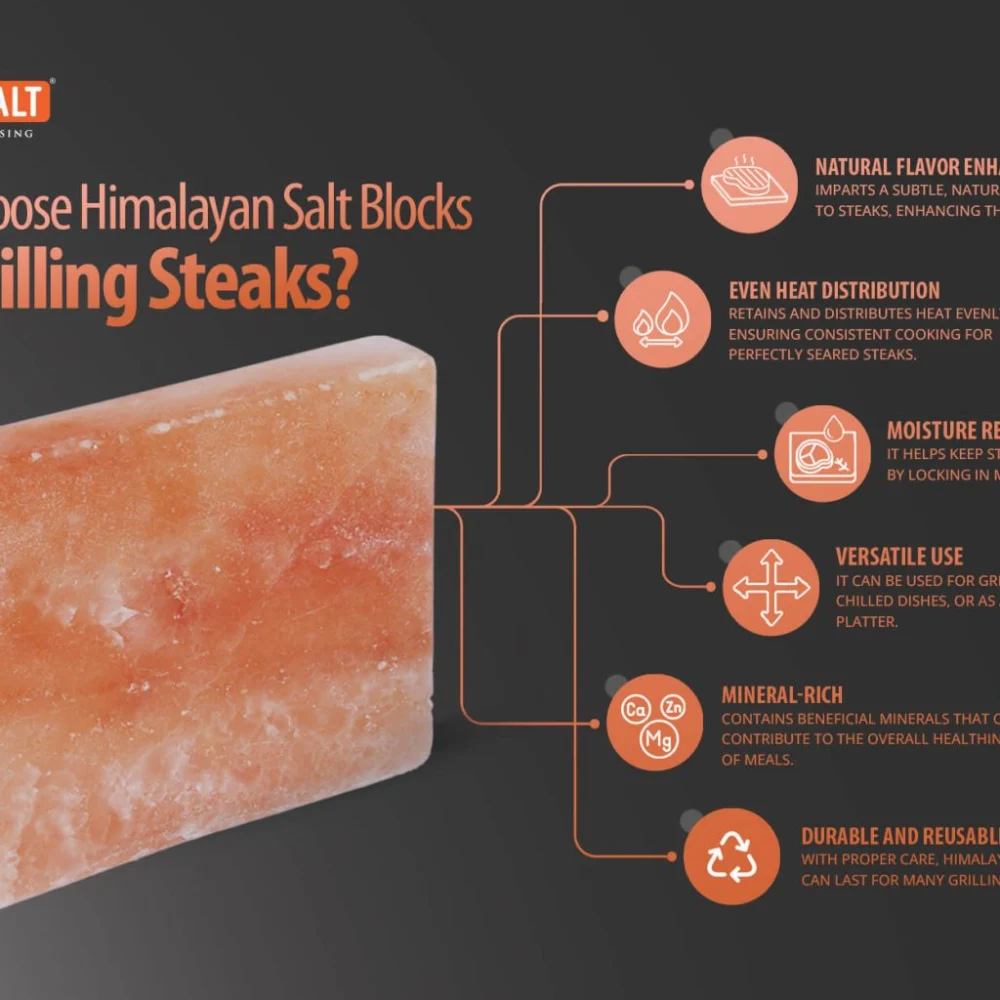
Beyond seafood, Himalayan salt blocks are incredibly versatile. They can be used to grill vegetables, fruits, thinly sliced meats, and even to serve sushi or cheese, keeping them chilled if pre-chilled. The possibilities are truly endless, making the salt block a valuable addition to any kitchen arsenal.
Consider grilling asparagus or bell peppers alongside your seafood. The salt block imparts a subtle salinity that enhances the natural sweetness of the vegetables, creating a perfectly balanced side dish.
For those seeking to explore more complex flavors, consider infusing the salt block with aromatics. Placing a few sprigs of rosemary or thyme on the block before adding the seafood can impart a delicate herbal note.
The health benefits associated with Himalayan pink salt are often cited, including its rich mineral content. While the amount of salt transferred to the food is minimal, the purity of the salt is a significant advantage over processed table salts.
When grilling outdoors, the salt block can be placed directly on the grill grates. Ensure the grill is preheated and the salt block has been gradually heated as described earlier. This method offers the most authentic smoky flavor.
For indoor cooking, an oven is a viable alternative. Place the salt block on a baking sheet or directly on the oven rack. Preheat the oven gradually to the desired temperature. This method is excellent for a controlled environment and consistent results.
Experimentation is key to mastering salt block grilling. Don’t be afraid to try different types of seafood, seasonings, and cooking times. Each attempt will bring you closer to understanding the nuances of this unique cooking method.
For a truly memorable meal, pair your salt block grilled seafood with complementary sides. A fresh salad with a light vinaigrette, roasted potatoes, or a simple lemon-butter sauce can perfectly complement the subtle salinity of the seafood.
The residual heat from the salt block is quite remarkable. This means that after you remove the main course, you can often cook smaller items like cherry tomatoes or thin zucchini slices on the block for a few minutes, adding even more value to your cooking session.
Safety is paramount when working with hot salt blocks. Always use heat-resistant gloves and long-handled utensils. Ensure the block is stable on the grill or in the oven to prevent accidents.
Understanding the thermal properties of the salt block is crucial. It absorbs and radiates heat evenly, creating a unique searing environment. This consistent heat transfer is what gives the seafood its signature crust and succulent interior.
For those who enjoy a slightly more intense salt flavor, you can slightly increase the preheating time or the cooking time. However, always err on the side of caution with delicate seafood to avoid over-salting.
Consider the moisture content of your seafood. Very wet seafood might release more steam, which can affect the searing process. Patting your seafood dry with paper towels before placing it on the salt block can help achieve a better sear.
The visual appeal of food cooked on a salt block is undeniable. The natural pink hue of the block transfers a subtle blush to the food, creating an aesthetically pleasing dish that is as beautiful as it is delicious.
In conclusion, grilling seafood on a Himalayan salt block is an enriching culinary experience that offers unparalleled flavor and presentation. With a little practice and attention to detail, you can master this ancient technique and impress your guests with perfectly cooked, subtly seasoned seafood dishes that are sure to be a hit.