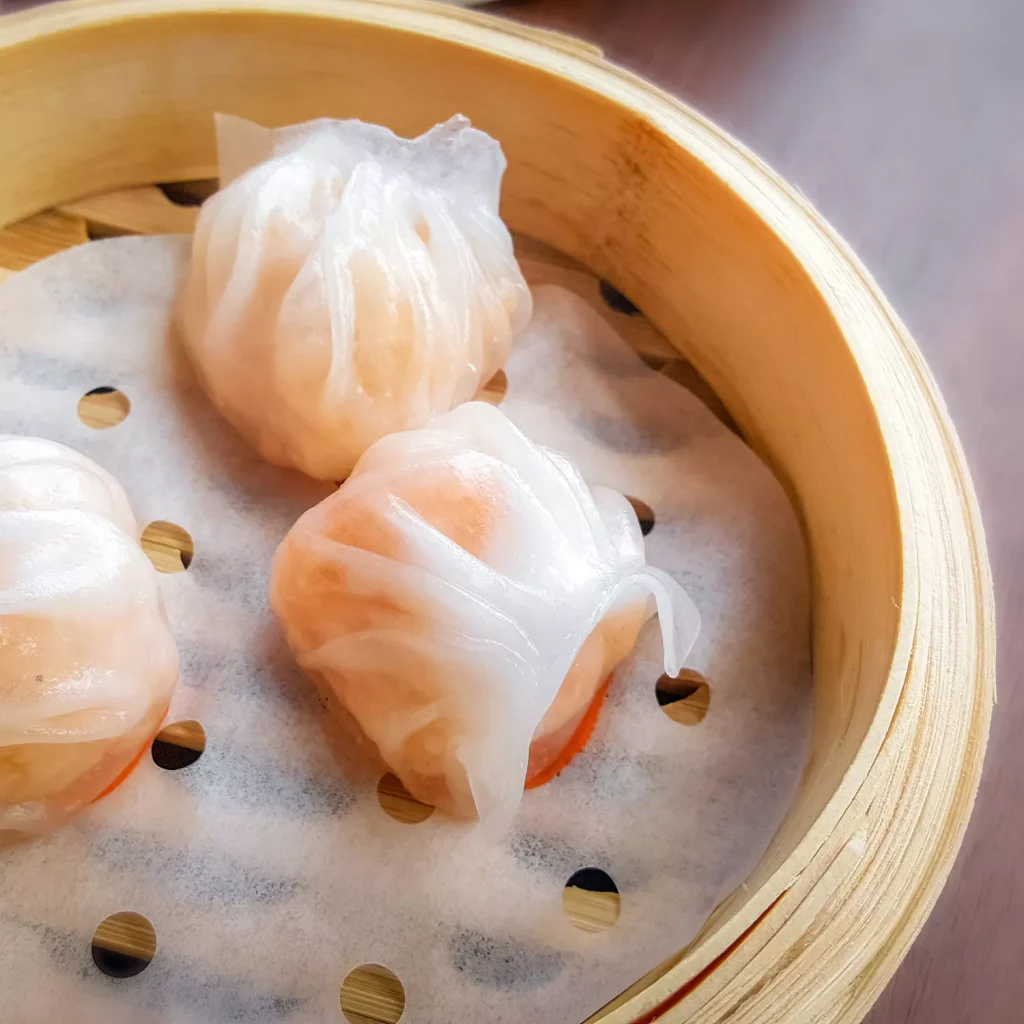

The allure of Har Gow lies in its delicate balance of textures and flavors. The wrapper, made from a combination of wheat starch and tapioca starch, should be thin, pliable, and slightly chewy, allowing the vibrant pink of the shrimp filling to peek through. The filling itself is a celebration of fresh shrimp, often enhanced with subtle aromatics and seasonings that allow the natural sweetness of the seafood to shine. It’s a dish that requires attention to detail, but the reward is a truly satisfying culinary achievement.
This comprehensive guide will walk you through every step of creating authentic Har Gow, from selecting the best ingredients to mastering the techniques for both the wrapper and the filling. We’ll demystify the process, offering tips and tricks to help you achieve that sought-after translucent wrapper and perfectly cooked shrimp.
Let’s begin by understanding the key components of Har Gow: the wrapper and the filling. Each plays a crucial role in the final outcome, and getting them right is paramount to success. We’ll delve into the nuances of each, ensuring you have a solid foundation before we start assembling these delightful dumplings.
The Har Gow Wrapper: Achieving Translucency and Texture
The magic of Har Gow’s wrapper is its distinctive translucency and delicate texture. This is achieved through a specific blend of starches. The primary starch is wheat starch (also known as steamed wheat flour), which provides the structure and the characteristic chewiness. However, using only wheat starch can result in a tough wrapper. To achieve that signature delicate, almost glassy appearance and a softer bite, tapioca starch is incorporated.
The typical ratio for the wrapper dough is often around 2 parts wheat starch to 1 part tapioca starch. This blend ensures that the wrapper is both strong enough to hold the filling and delicate enough to be visually appealing. Some recipes might also include a small amount of rice flour for added crispness, but the core components remain wheat and tapioca starch.
Preparing the wrapper dough involves a crucial step: scalding. Hot boiling water is poured directly into the starch mixture. This process, known as scalding or ‘scalded dough,’ gelatinizes the starches, altering their molecular structure. This transformation is what gives the wrapper its pliability and elasticity, allowing it to be stretched thin without tearing. It also contributes significantly to the translucent quality.
The technique for adding the hot water is important. It should be poured in gradually while stirring the starch mixture with chopsticks or a heat-resistant spatula. Once the mixture becomes shaggy and difficult to stir, it’s time to let it cool slightly before kneading. Over-handling the dough while it’s too hot can lead to a tough wrapper.
After the dough has cooled to a manageable temperature, it needs to be kneaded until it becomes smooth, elastic, and no longer sticky. This might take a few minutes of gentle but firm kneading. The goal is a cohesive dough that feels soft and pliable, similar to a well-kneaded playdough. If the dough is too dry and crumbly, a tiny bit of hot water can be added. If it’s too sticky, a sprinkle of tapioca starch can help.
Once kneaded, the dough should be covered with a damp cloth or plastic wrap and allowed to rest for at least 15-20 minutes. This resting period is essential. It allows the starches to fully hydrate and the gluten (developed from the wheat starch) to relax, resulting in a smoother, more manageable dough that is easier to roll out thinly.
The Har Gow Filling: Succulent Shrimp Perfection
The filling is the heart of Har Gow, and its success hinges on using fresh, high-quality shrimp. Medium to large shrimp are preferred, as they offer a satisfying bite and retain their moisture during steaming. The shrimp should be peeled, deveined, and then roughly chopped. Avoid mincing the shrimp too finely; a slight chop retains some texture and prevents the filling from becoming mushy.
Beyond shrimp, the filling typically includes a few key ingredients to enhance flavor and texture. Bamboo shoots are a classic addition, providing a delightful crunch and a subtle, earthy flavor that complements the shrimp beautifully. They should be finely diced to ensure they are evenly distributed within the filling.
Seasonings are kept relatively simple to let the shrimp flavor dominate. Salt and white pepper are essential. A touch of sugar can balance the savory notes and enhance the sweetness of the shrimp. Some recipes also include a small amount of Shaoxing wine (Chinese cooking wine) for added depth of flavor and to help tenderize the shrimp. A dash of sesame oil can add a fragrant aroma.
To bind the filling and ensure it holds its shape during steaming, a small amount of starch is usually added. Tapioca starch is commonly used for this purpose. It helps to thicken the juices released by the shrimp and seasonings, creating a cohesive yet tender filling.
The ingredients for the filling should be mixed gently but thoroughly. Overmixing can make the shrimp tough. The goal is to combine everything evenly so that each bite is a harmonious blend of flavors and textures. Once mixed, the filling should be refrigerated for at least 15-30 minutes. This allows the flavors to meld and the filling to firm up, making it easier to wrap.
Assembling the Har Gow: The Art of Pleating
Assembling Har Gow is arguably the most intricate part of the process, requiring a delicate touch and a steady hand. The first step is to divide the rested dough into small, equal portions. Roll each portion into a ball, then flatten it slightly. Using a small rolling pin, roll out each flattened ball into a thin, round wrapper, about 3-4 inches in diameter. The wrapper should be thin enough to be slightly translucent but not so thin that it tears easily.
Place a generous spoonful of the chilled filling in the center of a wrapper. The amount of filling will depend on the size of your wrapper, but don’t overfill, as this can make sealing difficult. Leave a small border around the edge for sealing.
The folding technique for Har Gow is distinctive. Traditionally, it involves a series of small pleats along one edge of the wrapper, which are then brought together and sealed to form a crescent shape. The pleats should be neat and even, creating a beautiful fan-like pattern.
To achieve the pleats: gently fold the wrapper in half over the filling, creating a semi-circle. Starting from one end, make small, delicate pleats along the curved edge of the wrapper, pressing each pleat against the back layer of the wrapper. Work your way around, creating about 7-10 pleats. Once all pleats are made, gently pinch the edges together to seal the dumpling securely.
Ensure the edges are well-sealed to prevent the filling from leaking out during steaming. You can lightly moisten the edges with water if the dough seems dry, but usually, the moisture from the dough itself is sufficient.
Steaming Har Gow to Perfection
Steaming is the traditional and best method for cooking Har Gow. It gently cooks the shrimp while preserving the delicate texture of the wrapper. Before steaming, it’s crucial to prepare your steamer. Line your steamer basket with parchment paper or lightly oiled cabbage leaves. This prevents the dumplings from sticking.
Bring your steaming liquid (water) to a rolling boil over high heat. Once boiling, carefully place the steamer basket over the pot and cover it tightly. The steaming time for Har Gow is relatively short, typically around 8-10 minutes. The exact time will depend on the size of your dumplings and the heat of your steamer.
You’ll know the Har Gow are ready when the wrappers become translucent and slightly glossy, and the shrimp filling is cooked through and has turned a vibrant pink. The wrappers should appear somewhat stretched and delicate. Avoid over-steaming, as this can cause the wrappers to become gummy or break.
Serving and Enjoying Your Homemade Har Gow
Once steamed, carefully remove the Har Gow from the steamer. They are best served immediately while hot and fresh. Traditional accompaniments for Har Gow include a dipping sauce, often a mixture of soy sauce, black vinegar, and a touch of chili oil or sambal. Some may also enjoy it with a simple drizzle of chili oil.
The beauty of homemade Har Gow is the satisfaction of creating such an intricate dish from scratch. The delicate wrapper, the succulent shrimp, the subtle crunch of bamboo shoots – it’s a symphony of flavors and textures that is hard to beat.
Tips for Success and Variations
- Ingredient Quality: Always use the freshest shrimp possible. This is the most critical factor for a flavorful filling.
- Dough Consistency: The key to a good wrapper is achieving the right dough consistency – smooth, elastic, and not too sticky. Adjust with hot water or tapioca starch as needed.
- Wrapper Thickness: Roll the wrappers thinly but evenly. Too thick and they will be doughy; too thin and they might tear.
- Pleating Practice: Don’t be discouraged if your pleats aren’t perfect on the first try. Practice makes perfect! Even slightly imperfect pleats will result in delicious dumplings.
- Make Ahead: You can prepare the wrapper dough and filling a day in advance and store them separately in the refrigerator. Assemble just before steaming for the best texture.
- Freezing: Unsteamed Har Gow can be frozen. Arrange them on a baking sheet lined with parchment paper, freeze until solid, then transfer to an airtight container or freezer bag. Steam directly from frozen, adding a few extra minutes to the steaming time.
- Variations: While shrimp is traditional, you can experiment with other seafood fillings like scallops or a mix of shrimp and pork. Ensure the seasonings are adjusted accordingly.
Making Har Gow at home is a rewarding culinary journey. It’s a dish that celebrates fresh ingredients, traditional techniques, and the joy of sharing delicious food. With this detailed guide, you’re well on your way to mastering this beloved dim sum classic and impressing your family and friends with your newfound skills.