
The foundation of any great Pecak Ikan Lele Bakar begins with selecting the right catfish. Opt for fresh, firm catfish, ideally medium-sized, as they offer the best balance of texture and flavor. Avoid fish that have a strong, unpleasant odor, as this is a sign of staleness. Properly cleaning the catfish is also crucial. Remove the innards and slime, and rinse thoroughly under cold running water. Some culinary traditions advocate for scoring the catfish flesh with diagonal cuts; this technique not only helps the marinade penetrate better but also allows the heat to cook the fish more evenly.
The heart of Pecak Ikan Lele Bakar is undoubtedly the marinade. A well-crafted marinade is a blend of aromatic ingredients that will transform a simple grilled fish into an extraordinary culinary experience. The typical components include shallots, garlic, ginger, turmeric, galangal, lemongrass, and chilies. These are usually ground into a paste, often with the addition of salt and sometimes a touch of tamarind for a subtle tang. The key is to achieve a fine, homogenous paste that can adhere well to the fish.
For the catfish to truly absorb the essence of the marinade, it needs time. Marinating the catfish for at least 30 minutes, and ideally for a couple of hours, in the refrigerator, is highly recommended. This allows the enzymes in the marinade to tenderize the fish and the aromatic compounds to seep deep into the flesh. For an even more profound flavor infusion, some chefs recommend a longer marination period, even overnight, although care must be taken to prevent the fish from becoming too salty or mushy.
When it comes to grilling, the method significantly impacts the final outcome. Charcoal grilling is often preferred for its ability to impart a distinct smoky flavor that complements the fish and spices beautifully. However, a gas grill or even an oven broiler can be used effectively. The key is to achieve a good sear on the outside while ensuring the inside remains moist and flaky. Grilling over medium-high heat is generally recommended, turning the fish occasionally to ensure even cooking.
While the catfish is grilling, the preparation of the ‘pecak’ sauce can commence. This sauce is what elevates the dish. It typically starts with a base of sautéed aromatics, similar to the marinade but often with a slightly different balance and texture. Shallots, garlic, and chilies form the core, usually sautéed until fragrant. The sauce often incorporates a liquid element, such as coconut milk or water, to create a luscious consistency.
The defining characteristic of many Pecak sauces is the inclusion of fresh herbs and spices added towards the end of the cooking process. This often includes finely chopped lemongrass, kaffir lime leaves, turmeric leaves, and sometimes basil or cilantro. These fresh elements provide bright, vibrant notes that cut through the richness of the fish and the depth of the cooked spices, creating a multi-layered flavor profile.
A crucial step in achieving that ‘meresap’ (penetrating) flavor is the technique of basting or spooning the sauce over the fish during the grilling process. As the catfish cooks, the pecak sauce is repeatedly spooned over it, allowing the hot fish to absorb the liquid and aromatics. This continuous basting ensures that every part of the fish is coated and infused with the vibrant flavors of the sauce.
The spice paste used for the marinade and the sauce can be adjusted to personal preference. For those who enjoy a spicier kick, increasing the quantity of chilies, perhaps a mix of red chilies and bird’s eye chilies, will do the trick. Conversely, if a milder flavor is desired, the number of chilies can be reduced, or milder varieties can be used.
Turmeric is a vital ingredient, not only for its earthy flavor and vibrant color but also for its perceived health benefits. Fresh turmeric root, when ground, provides a more potent and authentic flavor than turmeric powder. Similarly, using fresh galangal and lemongrass will lend a more complex and aromatic depth to both the marinade and the sauce compared to their dried counterparts.
The texture of the spice paste is also important. A paste that is too coarse might not adhere well to the fish or blend seamlessly into the sauce. Conversely, an overly smooth paste might lose some of its textural appeal. A happy medium, achieved through careful grinding or blending, is often ideal.
The cooking time for the catfish will vary depending on its size and the heat of the grill. The fish is done when the flesh is opaque and flakes easily with a fork. Overcooking should be avoided at all costs, as it will result in dry, tough fish that diminishes the overall enjoyment of the dish.
The ‘pecak’ sauce itself can be prepared in various ways. Some prefer a thicker, more concentrated sauce, while others enjoy a soupier consistency. The amount of liquid used, whether water or coconut milk, will dictate this. Coconut milk adds a creamy richness that is particularly delightful, but it can also make the sauce heavier.
The final assembly of Pecak Ikan Lele Bakar is where all the elements come together. The grilled catfish is typically placed on a serving platter, and the prepared pecak sauce is generously spooned over it. Some variations involve briefly simmering the grilled fish in the sauce for a final infusion, though this is less common for the ‘bakar’ (grilled) version.
Serving Pecak Ikan Lele Bakar hot is essential to best appreciate its aroma and flavors. It is traditionally served with steamed white rice, which acts as a perfect neutral canvas to absorb the rich, spicy sauce. A side of fresh cucumber slices or a simple vegetable stir-fry can provide a refreshing contrast.
For those who prefer a vegetarian or vegan option, the principles of Pecak can be applied to other ingredients. Firm tofu, tempeh, or various vegetables like eggplant or okra can be marinated and grilled similarly, then served with the Pecak sauce. The key is to ensure these ingredients can hold their structure during grilling and absorb the flavors effectively.
The versatility of the Pecak sauce means it can be adapted to different proteins and cooking methods. While this article focuses on grilled catfish, the same spice blend can be used for fried fish, chicken, or even as a dipping sauce for various snacks.
Understanding the role of each spice is key to mastering Pecak Ikan Lele Bakar. Shallots provide a sweet, pungent base. Garlic offers a sharp, savory depth. Ginger adds warmth and a hint of citrus. Turmeric contributes earthiness and color. Galangal brings a piney, citrusy aroma. Lemongrass offers a bright, lemony fragrance. Chilies provide the essential heat and vibrant red hue.
The careful selection and preparation of these ingredients are paramount. Using fresh, high-quality spices will result in a more authentic and delicious Pecak. Grinding them into a fine paste ensures that their flavors are released efficiently and distributed evenly.
The balance of flavors in Pecak is a delicate art. The spiciness from the chilies needs to be balanced by the sweetness of shallots and the aromatics of ginger and galangal. A touch of acidity, often from tamarind or lime juice, can brighten the overall profile and cut through any richness.
When grilling, maintaining consistent heat is crucial. Too high heat can burn the outside before the inside is cooked, while too low heat can lead to overcooking and drying out the fish. Patience and attention are key to achieving that perfect char and moist interior.
The ‘meresap’ aspect, or flavor penetration, is enhanced by the porous nature of catfish. Its flesh readily absorbs marinades and sauces, making it an ideal candidate for dishes like Pecak. However, this also means it’s important not to over-marinate, as the fish can become saturated with salt or develop an overly strong flavor.
For those without access to fresh turmeric, galangal, or lemongrass, good quality ground spices can be used as a substitute, though the flavor will be slightly different. Adjust the quantities carefully, as ground spices are often more potent than fresh.
The aroma released during the cooking and saucing of Pecak Ikan Lele Bakar is intoxicating. The blend of grilling smoke and fragrant spices creates an irresistible invitation to savor the dish.
Consider the consistency of the pecak sauce. A slightly thicker sauce will cling better to the fish, ensuring more flavor in each bite. If the sauce is too thin, it can be reduced by simmering it gently for a few more minutes.
The choice of cooking oil for sautéing the aromatics for the sauce can also influence the flavor. A neutral oil like vegetable or canola oil is common, but some might opt for a small amount of coconut oil for added depth.
Experimentation is encouraged. Once you master the basic recipe, feel free to adjust the spice levels, add other herbs like mint or coriander, or even incorporate a touch of sweetness from palm sugar to create your signature Pecak Ikan Lele Bakar.
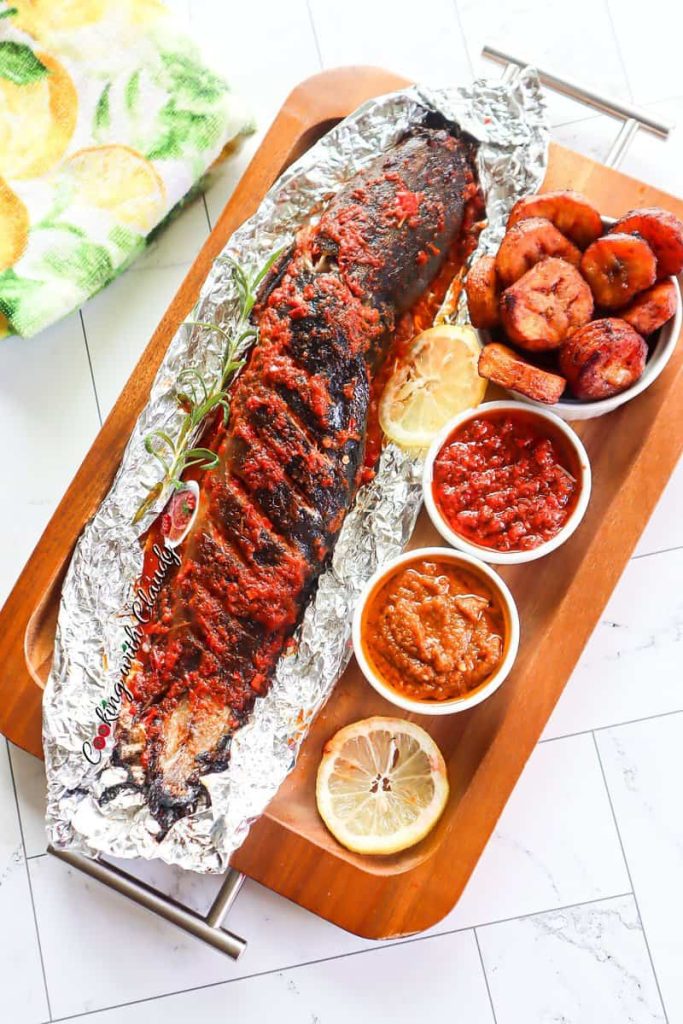
The visual appeal of Pecak Ikan Lele Bakar is also significant. The vibrant yellow-orange hue from the turmeric, the flecks of green from fresh herbs, and the char marks on the grilled fish create a dish that is as pleasing to the eye as it is to the palate.
In summary, creating exceptional Pecak Ikan Lele Bakar is a journey of understanding ingredients, mastering techniques, and appreciating the balance of flavors. From selecting the freshest catfish to the final spooning of the aromatic sauce, each step contributes to a dish that is deeply flavorful and satisfyingly complex.
The tradition of ‘pecak’ itself is a testament to the rich culinary heritage of Indonesia, showcasing how simple ingredients can be transformed into something extraordinary through skillful preparation and a deep understanding of flavor profiles. This dish is a celebration of fresh ingredients and aromatic spices, designed to delight the senses.