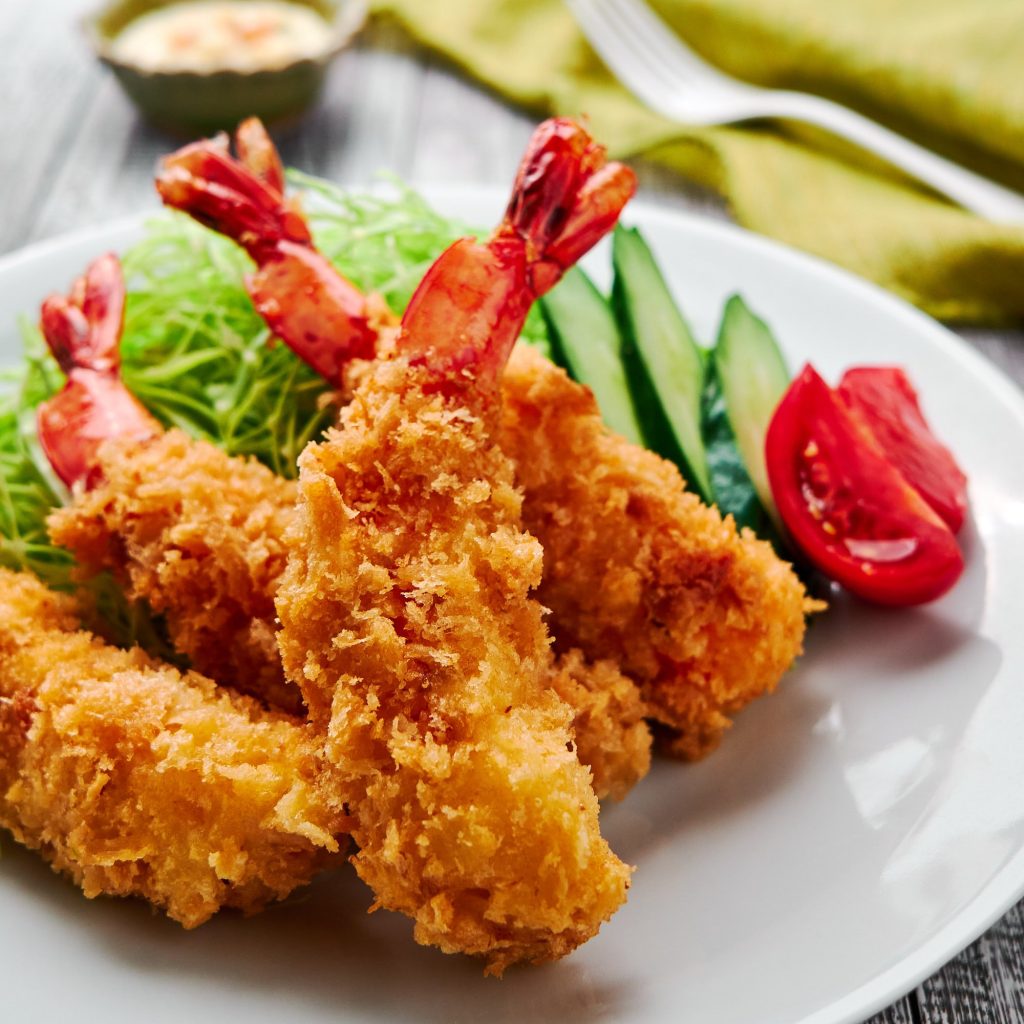

At its core, Ebi Fry is a deep-fried shrimp, typically coated in panko breadcrumbs. Panko, a Japanese-style breadcrumb, is lighter and airier than Western breadcrumbs, resulting in a shatteringly crisp exterior that is characteristic of authentic Ebi Fry. The shrimp itself is usually butterflied and seasoned, offering a tender and succulent interior that contrasts beautifully with the crunchy coating.
The appeal of Ebi Fry lies in its textural interplay. The crispiness of the panko crust provides a satisfying crunch with every bite, while the shrimp within remains juicy and flavorful. This contrast is precisely what makes it so addictive and a favorite for people of all ages.
Beyond its deliciousness, Ebi Fry is also a versatile dish. It can be served as a standalone appetizer, a main course accompanied by rice and miso soup, or even incorporated into other dishes like sandwiches or salads. Its adaptability makes it a valuable addition to any home cook’s repertoire.
The journey to perfect Ebi Fry begins with the most crucial ingredient: the shrimp. For the best results, opt for large or jumbo shrimp, often labeled as U-15, U-20, or U-25 (meaning 15-20 or 20-25 shrimp per pound). These larger shrimp hold their shape better during the frying process and offer a more substantial bite.
When selecting shrimp, freshness is paramount. Look for shrimp that are firm to the touch, have a sweet, ocean-like aroma (not fishy or ammonia-like), and possess clear, translucent flesh. If buying frozen shrimp, ensure they are properly thawed before use. Thawing in the refrigerator overnight is the safest and most effective method.
Preparing the shrimp for Ebi Fry involves a few key steps. First, peel the shrimp, leaving the tail intact. The tail not only serves as a convenient handle for dipping but also adds a decorative touch. Next, devein the shrimp by making a shallow incision along the outer curve and removing the dark intestinal tract.
A critical step for achieving straight, plump Ebi Fry is to ‘straighten’ the shrimp. This is done by making several shallow cuts along the underside (the belly side) of the shrimp, cutting about halfway through. Be careful not to cut all the way through. After making these cuts, gently press down on the shrimp to flatten it and break the connective tissues. This prevents the shrimp from curling up into a C-shape when cooked.
To ensure the shrimp is dry and ready for coating, pat it thoroughly with paper towels. Excess moisture can lead to a soggy coating and can also cause the oil to splatter dangerously during frying. A dry surface is essential for the breadcrumbs to adhere properly and crisp up beautifully.
The coating process for Ebi Fry is a classic three-step breading procedure. This method ensures an even and robust coating that will become wonderfully crispy. You’ll need three shallow dishes: one with all-purpose flour, one with beaten eggs, and one with panko breadcrumbs.
Begin by dredging the prepared shrimp in the flour, ensuring it’s lightly and evenly coated. Shake off any excess flour. The flour acts as a binder, helping the egg wash adhere to the shrimp. This initial layer is often overlooked but is crucial for a good coating.
Next, dip the floured shrimp into the beaten eggs. Make sure the shrimp is fully submerged in the egg wash, allowing any excess to drip off. The egg wash provides the adhesive for the panko breadcrumbs to stick to.
Finally, generously coat the egg-washed shrimp with panko breadcrumbs. Press the panko gently onto the shrimp to ensure it adheres well. You want a thick, even layer of panko for maximum crispiness. Some chefs like to double-coat by dipping the panko-coated shrimp back into the egg and then into more panko for an extra-thick crust, but a single coat is standard and often sufficient.
Once breaded, it’s advisable to let the coated shrimp rest for a few minutes, or even chill them in the refrigerator for about 15-20 minutes. This allows the coating to set, further preventing it from falling off during frying and contributing to a more cohesive and crispier final product.
The choice of cooking oil is important for deep-frying. A neutral-flavored oil with a high smoke point is ideal. Common choices include vegetable oil, canola oil, peanut oil, or soybean oil. You’ll need enough oil to submerge the shrimp completely, ensuring even cooking and crisping.
Heating the oil to the correct temperature is critical for successful Ebi Fry. Aim for a temperature between 340°F and 350°F (170°C to 175°C). If the oil is too cool, the Ebi Fry will absorb too much oil and become greasy. If the oil is too hot, the coating will burn before the shrimp is cooked through.
Using a thermometer is highly recommended for accuracy. If you don’t have a thermometer, you can test the oil by dropping a few pieces of panko into it. They should sizzle immediately and float to the surface, turning golden brown within about a minute.
When frying, work in batches. Do not overcrowd the pan, as this will lower the oil temperature and result in soggy, unevenly cooked Ebi Fry. Fry the shrimp for about 2-4 minutes per side, or until they are golden brown and crispy, and the shrimp is cooked through. The exact time will depend on the size of the shrimp and the oil temperature.
As the Ebi Fry cooks, it will turn a beautiful golden-brown color, and the shrimp inside will become opaque and pink. Carefully remove the cooked Ebi Fry from the oil using a slotted spoon or spider strainer, allowing excess oil to drain off.
Place the fried Ebi Fry on a wire rack set over a baking sheet. This allows air to circulate around the shrimp, preventing the bottoms from becoming soggy. Avoid placing them directly on paper towels, as this can trap steam and compromise crispiness.
Seasoning is a matter of preference, but a light sprinkle of salt immediately after frying can enhance the flavors. Some also enjoy a dusting of shichimi togarashi (Japanese seven-spice blend) for a hint of heat and complexity.
Serving Ebi Fry is an art in itself. Traditionally, it is served with a side of tonkatsu sauce or a tartar sauce. Tonkatsu sauce, a thick, sweet, and tangy brown sauce, complements the richness of the fried shrimp perfectly.
A homemade tartar sauce, with its creamy, tangy, and slightly sweet profile, also makes an excellent accompaniment. Ingredients typically include mayonnaise, finely chopped pickles or relish, capers, and a touch of lemon juice or vinegar.
For a complete Japanese meal, serve Ebi Fry alongside steamed rice, a bowl of miso soup, and a simple salad. This creates a balanced and satisfying dining experience that is both authentic and delicious.
Garnishes can elevate the presentation. A wedge of lemon is almost always provided, allowing diners to add a fresh squeeze of citrus to cut through the richness. Shredded cabbage is another common accompaniment, offering a refreshing crunch.
Experiment with different dipping sauces to find your favorite. Beyond tonkatsu and tartar, consider a spicy mayonnaise (sriracha mixed with mayonnaise) or a sweet chili sauce for a different flavor profile. A simple soy sauce with a touch of grated ginger can also be delightful.
For those seeking a healthier alternative, consider air-frying or baking Ebi Fry. While the texture may not be as perfectly crisp as deep-frying, these methods can still yield delicious results with less oil. Ensure the shrimp is well-coated in panko and cook until golden and cooked through.
Leftover Ebi Fry, if any, is best enjoyed fresh. However, if you must reheat it, the best method is to briefly bake it in a preheated oven (around 350°F/175°C) until heated through and re-crisped. Microwaving will likely result in a soggy texture.
Troubleshooting common issues is key to mastering Ebi Fry. If your coating is falling off, ensure the shrimp was dry, the flour coating was even, and the panko was pressed on firmly. If the shrimp is greasy, the oil temperature was likely too low. If the coating is burnt, the oil was too hot.
The quality of your panko makes a difference. Japanese panko is preferred for its lightness and crispiness. If you can’t find it, you can make your own by toasting bread and processing it into coarse crumbs, but commercial panko is generally superior for this application.
Consider the type of shrimp. While large shrimp are recommended, medium-sized shrimp can also be used. Adjust the frying time accordingly, as smaller shrimp will cook faster.
Butterfly the shrimp correctly to ensure even cooking and a visually appealing presentation. The shallow cuts on the underside are essential for this. Don’t be afraid to press down firmly to break the natural curve of the shrimp.
The triple-breading technique is not just for show; it ensures that every inch of the shrimp is covered in that delightful panko crust. Take your time with each step to achieve an even coating.
Maintaining oil temperature is perhaps the most challenging but most crucial aspect of deep-frying. Invest in a good thermometer if you plan to deep-fry regularly. It will significantly improve your results.
Frying in small batches is a small effort that yields significant rewards in terms of crispiness and even cooking. Patience here pays off immensely.
The classic accompaniments like tonkatsu sauce and shredded cabbage are traditional for a reason – they perfectly balance the richness of the Ebi Fry. Don’t underestimate the power of these simple pairings.
Ebi Fry is more than just a fried food; it’s a delightful combination of textures and flavors that represents a cornerstone of Japanese comfort food. With practice and attention to these details, you can recreate this restaurant-quality dish in your own kitchen.
Whether served as a celebratory meal or a simple weeknight treat, Ebi Fry is sure to impress. Its satisfying crunch and succulent shrimp make it a universally loved dish that embodies the best of Japanese fried cuisine.
/ebi-fry-fried-shrimp-2031450-hero-01-46c436a89c164a9ab5980f888097fcd2.jpg "Mastering Ebi Fry: The Ultimate Guide to Crispy Japanese Fried Shrimp")