
The foundation of any great Bubur Seafood is the rice and the cooking liquid. Typically, short-grain rice like Arborio or Japanese sushi rice is preferred for its starch content, which aids in creating that signature creamy texture. While water can be used, a good quality chicken or fish stock will impart a deeper, more complex flavor base from the very beginning. The ratio of rice to liquid is crucial; a higher ratio ensures a thicker, richer congee. Patience is key, as congee requires slow simmering to allow the rice grains to soften and meld with the liquid.
Preparing the seafood involves a few key steps. Shrimp should be peeled and deveined, with the shells and heads reserved for making a flavorful seafood stock if you’re starting from scratch. Squid needs to be cleaned and sliced into rings or bite-sized pieces. Fish fillets can be cut into chunks. Mussels and clams should be scrubbed clean and any beards removed. For a cleaner broth and more even cooking, some chefs prefer to blanch tougher seafood like squid briefly before adding it to the congee.
Aromatic ingredients play a vital role in building layers of flavor in Bubur Seafood. Ginger, thinly sliced or julienned, is almost indispensable, providing a gentle warmth and cutting through any potential richness. Garlic, minced or thinly sliced, adds its pungent depth. Scallions (green onions), both white and green parts, offer a fresh, oniony bite. Some recipes also call for a touch of white pepper, which provides a different kind of heat than black pepper, often described as more aromatic.
The cooking process for Bubur Seafood is a labor of love. It begins with rinsing the rice thoroughly. Then, the rice is combined with stock (or water) and aromatics like ginger and garlic in a large, heavy-bottomed pot. The mixture is brought to a boil, then reduced to a gentle simmer. The congee is stirred frequently, especially in the initial stages, to prevent sticking and ensure even cooking. This slow simmering can take anywhere from 45 minutes to over an hour, depending on the desired consistency.
As the congee nears its final stages, the seafood is introduced. The cooking time for seafood varies greatly depending on the type. Delicate white fish will cook in just a few minutes, while shrimp and squid require slightly longer. Mussels and clams need to cook until they open, discarding any that remain shut. Adding the seafood towards the end prevents overcooking, ensuring it remains tender and succulent. Some prefer to cook the seafood separately and add it as a topping, allowing for more precise control over its texture.
Seasoning is a critical step in achieving a balanced flavor profile. Salt is essential, but it’s often supplemented with soy sauce or fish sauce for an umami boost. A splash of Shaoxing wine (Chinese cooking wine) or dry sherry can add complexity and help to mask any strong ‘fishy’ odors. Taste and adjust seasonings throughout the cooking process, especially after adding the seafood, as its natural saltiness will influence the overall flavor.
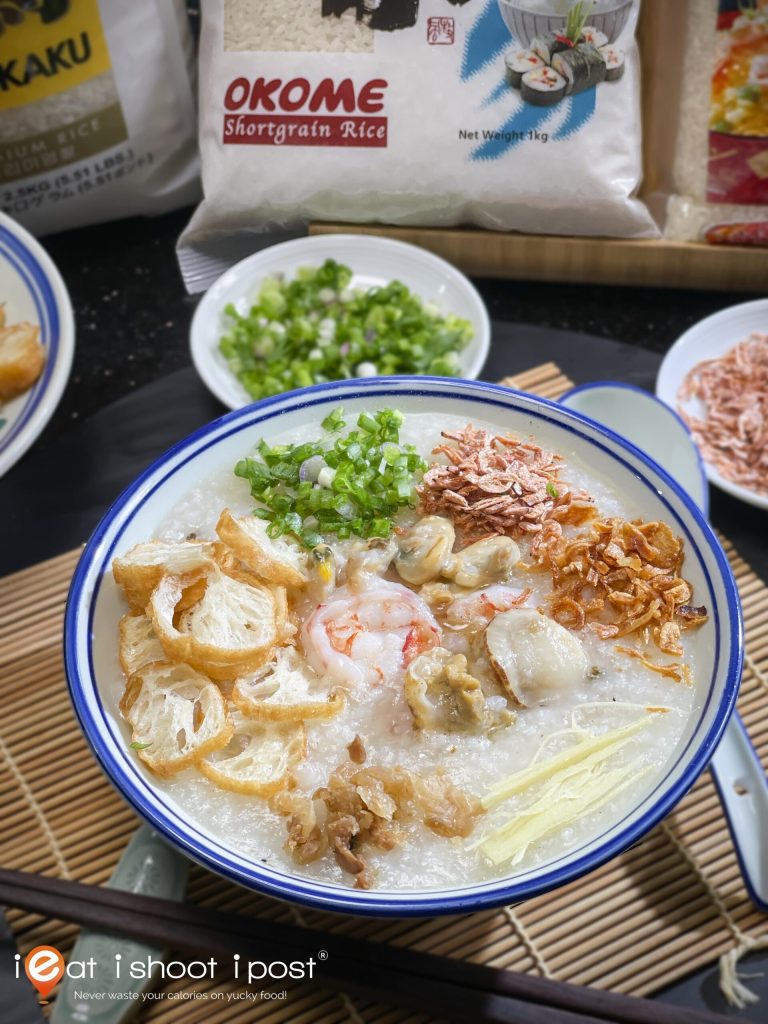
Garnishes are not merely decorative; they are integral to the experience of eating Bubur Seafood. Freshly chopped scallions, cilantro, and a drizzle of sesame oil are classic choices. A sprinkle of toasted white sesame seeds adds a nutty crunch. Crispy fried shallots or garlic chips provide an irresistible textural contrast and a burst of savory flavor. A few drops of chili oil or a side of pickled chilies can cater to those who enjoy a bit of heat.
For those seeking to elevate their Bubur Seafood, consider making a homemade seafood stock. Simmering shrimp shells, fish bones, and aromatics like ginger and leeks in water for an hour or more will yield a deeply flavorful liquid that forms an unparalleled base for the congee. This stock can be used in place of or in addition to commercial stock, significantly enhancing the seafood essence of the dish.
Vegetables can also be incorporated into Bubur Seafood, adding color, nutrients, and texture. Finely chopped carrots, celery, or bok choy can be added during the last 15-20 minutes of simmering. Some prefer to add blanched spinach or gai lan (Chinese broccoli) just before serving for a vibrant green element.
The consistency of congee is a matter of personal preference. Some enjoy it thick and hearty, almost like a risotto, while others prefer a thinner, soupier version. Adjust the amount of liquid accordingly. If the congee becomes too thick during cooking, simply stir in more hot stock or water until the desired consistency is reached.
Bubur Seafood is incredibly versatile. Feel free to experiment with different combinations of seafood. Scallops, crab meat, or even chunks of lobster can be used for a more decadent version. The key is to use what’s fresh and in season.
For a richer, more luxurious congee, some recipes suggest adding a beaten egg towards the end of the cooking process. Stir it vigorously into the simmering congee; it will cook into delicate ribbons, adding body and a subtle eggy richness.
The health benefits of Bubur Seafood are significant. Rice is a good source of carbohydrates for energy. Seafood is packed with lean protein, omega-3 fatty acids, and essential vitamins and minerals like Vitamin D and B12. Ginger is known for its anti-inflammatory and digestive properties. It’s a truly nourishing meal.
When serving Bubur Seafood, ensure it’s piping hot. Ladle the creamy congee into individual bowls. Arrange the cooked seafood attractively on top, if it wasn’t cooked directly in the porridge. Then, artfully add the garnishes – a sprinkle of green onions, a drizzle of sesame oil, perhaps some cilantro leaves.
Leftover congee can be stored in an airtight container in the refrigerator for up to 2-3 days. Reheating can be done on the stovetop over low heat, adding a splash of water or stock to loosen it up. Microwaving is also an option, but be sure to stir halfway through to ensure even heating.
A simple yet effective way to enhance the flavor of plain congee before adding seafood is to infuse the cooking liquid with aromatics. Simmering ginger slices, garlic cloves, and perhaps a piece of dried tangerine peel in the stock before adding the rice can impart a subtle, fragrant note.
The texture of the rice itself can be manipulated. Some prefer to toast the rice lightly in the pot with a little oil before adding the liquid. This can add a slightly nutty flavor and help the grains maintain some semblance of their form, rather than breaking down completely.
For those with dietary restrictions, Bubur Seafood can be adapted. For a gluten-free version, ensure all soy sauces used are gluten-free tamari. For a dairy-free option, it’s naturally compliant. If you’re avoiding certain types of seafood, substitute with others or even add firm tofu for protein.
The ‘wok hei’ or ‘breath of the wok’ can be a desirable element, even in congee. If you have a powerful stove, you can quickly stir-fry some of the aromatics or even the seafood in a hot wok before adding them to the congee, imparting a subtle smoky char.
A squeeze of fresh lime or lemon juice just before serving can add a bright, zesty counterpoint to the rich, savory flavors of the congee. This acidity cuts through the richness and awakens the palate.
Consider the presentation. Serving congee in traditional ceramic bowls enhances the authentic experience. The warmth of the bowl itself contributes to the overall comfort of the dish.
For a quicker version, especially if time is limited, you can use pre-cooked rice. While the texture won’t be as creamy as traditional congee made from raw rice, simmering cooked rice with stock and aromatics until it breaks down can yield a satisfying result in a shorter timeframe.
The art of making Bubur Seafood lies in balancing the richness of the rice porridge with the freshness of the seafood and the aromatic complexity of the seasonings. It’s a dish that rewards patience and attention to detail.
Exploring regional variations can be fascinating. In some areas, a touch of fermented bean paste might be added for extra umami. Others might include specific herbs or spices unique to their local cuisine. Don’t be afraid to research and incorporate elements that appeal to you.
Ultimately, Bubur Seafood is a canvas for flavor. The basic technique remains consistent, but the ingredients and seasonings can be adapted to suit individual tastes and the availability of fresh produce and seafood.
Enjoy the process of creating this comforting dish. The slow simmering, the fragrant aromas filling your kitchen, and the final, satisfying spoonful are all part of the culinary journey. Bubur Seafood is a testament to the beauty of simple ingredients transformed into something truly special.
The key takeaway is to prioritize fresh ingredients, cook with patience, and season thoughtfully. The result will be a bowl of Bubur Seafood that is both deeply satisfying and incredibly delicious, a true highlight of home-cooked Asian cuisine.
From the initial rinse of the rice to the final sprinkle of garnishes, each step in preparing Bubur Seafood contributes to the final masterpiece. It’s a dish that nourishes the body and soothes the soul, a culinary tradition worth savoring and sharing.
Whether you’re a seasoned cook or a beginner venturing into Asian comfort food, mastering Bubur Seafood is an achievable and rewarding goal. Embrace the techniques, experiment with flavors, and create your own signature version of this beloved classic.