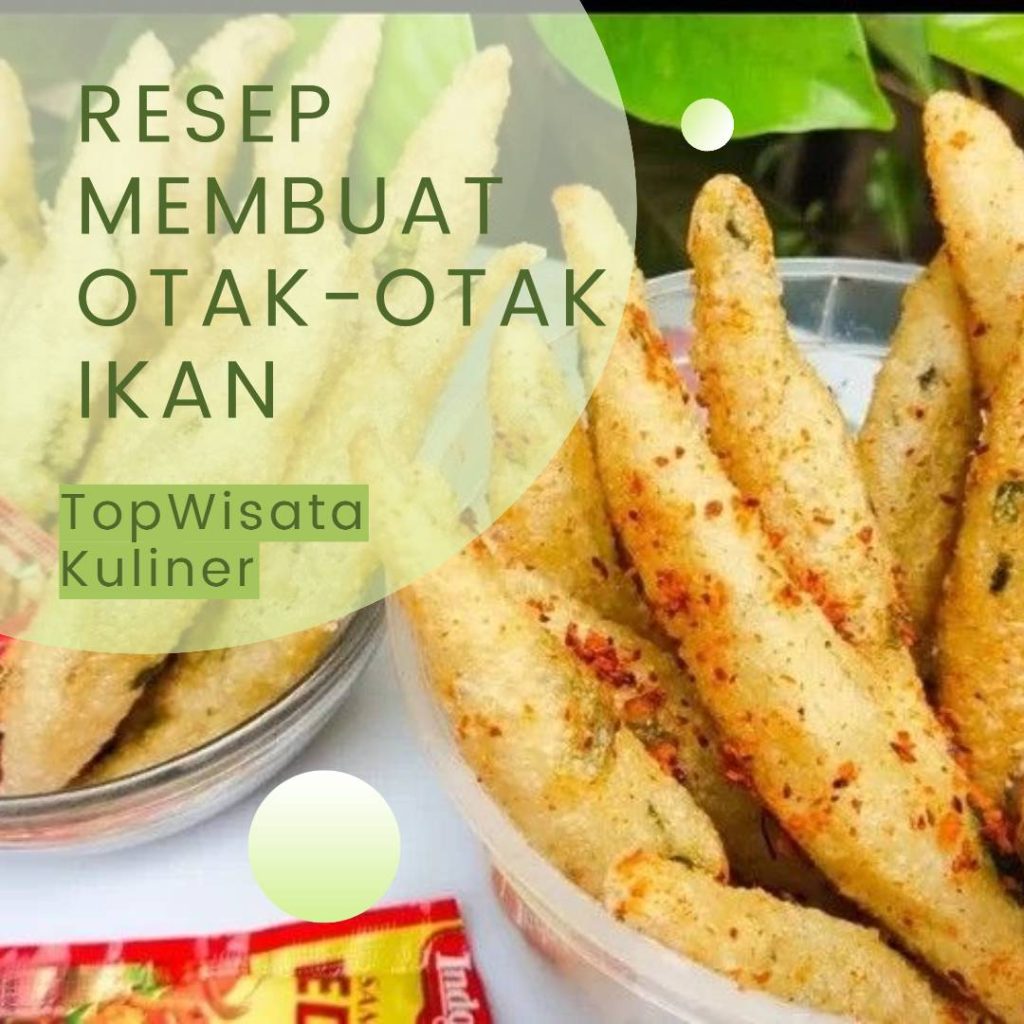

The term ‘Otak-Otak’ literally translates to ‘brains’ in Indonesian, a playful nod to its soft, somewhat brain-like texture when cooked. However, rest assured, this dish is far from what its name might suggest. It is a flavorful fish cake, traditionally grilled or steamed in banana leaves, offering an aromatic and savory experience that is profoundly satisfying.
Bangka’s Otak-Otak Ikan Gabus is distinguished by its unique blend of spices, the specific type of fish used, and the meticulous preparation that results in an unparalleled depth of flavor and a wonderfully tender yet firm consistency. This article serves as your ultimate guide, a comprehensive panduan, to mastering the art of making authentic Bangka-style Otak-Otak Ikan Gabus in your own kitchen.
Before diving into the intricate steps, it’s crucial to understand what makes Bangka’s Otak-Otak so special. Unlike other versions that might use mackerel or other white fish, Bangka’s traditional recipe heavily favors Ikan Gabus. This choice is not arbitrary; the snakehead fish contributes a distinct texture and subtle sweetness that is integral to the dish’s character.
The use of banana leaves for wrapping is another non-negotiable element. Not only do they provide a natural, eco-friendly packaging, but they also impart a subtle, fragrant aroma to the fish cake as it cooks, enhancing the overall sensory experience. This traditional method is a testament to the rich culinary heritage of the region.
Let’s begin our culinary adventure by exploring the star ingredient: Ikan Gabus (Snakehead Fish). Selecting fresh fish is paramount for the success of this recipe. Look for fish with clear, bright eyes, firm and shiny skin, and a fresh, oceanic smell, not overly fishy. The gills should be reddish-pink, and the flesh should spring back when gently pressed.
Why Ikan Gabus? Beyond tradition, snakehead fish is prized for its lean, white flesh which has a firm texture that holds up well during cooking. It also possesses a mild flavor, making it an excellent canvas for the rich spices without being overpowering. Furthermore, Ikan Gabus is known for its nutritional benefits, including high protein content and properties believed to aid in wound healing.
- Fresh Ikan Gabus fillets: Approximately 500 grams, boneless and skinless.
- Sago Flour (Tepung Sagu): 100-150 grams, crucial for binding and achieving the right chewy texture.
- Thick Coconut Milk: 100-150 ml, for richness and creaminess.
- Banana Leaves: For wrapping, cut into rectangles (approx. 15×20 cm) and softened over heat or briefly steamed for flexibility.
- Toothpicks or staples: For securing the wraps.
- Shallots: 8-10 cloves, peeled.
- Garlic: 4-5 cloves, peeled.
- Red Chilies: 3-5 pieces (adjust to your spice preference; remove seeds for less heat).
- Bird’s Eye Chilies: 5-10 pieces (optional, for extra heat).
- Candlenuts (Kemiri): 3-4 pieces, roasted lightly to enhance flavor.
- Galangal (Lengkuas): 1-inch piece, peeled.
- Turmeric (Kunyit): 1/2 inch piece, fresh or 1/2 tsp turmeric powder.
- Lemongrass (Sereh): 1 stalk, white part only, thinly sliced.
- Salt: 1-2 teaspoons, or to taste.
- Sugar: 1 teaspoon, to balance flavors.
- White Pepper: 1/2 teaspoon.
Essential equipment includes a food processor or mortar and pestle for the spice paste, a large mixing bowl, a griller (charcoal grill is ideal for authentic flavor, but a grill pan works), and/or a steamer basket. Having all your tools ready will streamline the preparation process.
Step-by-Step Preparation Guide: Crafting Your Otak-Otak
Part 1: Preparing the Fish. Begin by thoroughly cleaning the Ikan Gabus fillets. Pat them dry with paper towels. Dice the fish into smaller chunks. If using a food processor, pulse the fish until it forms a coarse paste. Be careful not to over-process; we want a slightly chunky texture, not a smooth puree. If mincing by hand, finely chop the fish until it reaches a similar consistency.
Part 2: Crafting the Spice Paste (Bumbu Halus). Combine all the spice paste ingredients (shallots, garlic, chilies, candlenuts, galangal, turmeric, lemongrass, salt, sugar, and white pepper) in a food processor. Process until a smooth, aromatic paste is formed. Alternatively, use a mortar and pestle for a more traditional approach, grinding until very fine. This step is crucial for the depth of flavor.
Part 3: Combining Ingredients and Achieving the Right Consistency. In a large mixing bowl, combine the processed fish paste and the freshly ground spice paste. Mix well by hand, ensuring the spices are evenly distributed throughout the fish. Gradually add the sago flour, mixing it in thoroughly. The sago flour acts as a binder and gives the Otak-Otak its signature chewy texture.
Next, slowly pour in the thick coconut milk, mixing continuously until everything is well combined and forms a pliable, slightly sticky dough-like consistency. The mixture should be firm enough to shape but still moist. This is the stage where you can adjust seasoning; take a small amount, cook it quickly in a pan, and taste to adjust salt or sugar if needed.
Part 4: Wrapping in Banana Leaves. Take a softened banana leaf rectangle. Place about 2-3 tablespoons of the fish mixture in the center of the leaf. Shape the mixture into an elongated oval or rectangular form. Fold the sides of the banana leaf over the fish mixture, then fold the ends to create a neat parcel. Secure the ends with toothpicks or staples. Repeat this process until all the fish mixture is used.
The wrapping technique is important not just for aesthetics but also for cooking. A well-wrapped Otak-Otak will cook evenly and retain its moisture and aroma. If the banana leaves are too stiff, they will crack; ensure they are adequately softened before use.
Part 5: Cooking Methods – Grilling vs. Steaming. Bangka Otak-Otak is traditionally grilled, which imparts a smoky aroma and slightly charred exterior. However, steaming is also a popular and healthier alternative, resulting in a softer, more delicate texture.
For Grilling: Preheat your charcoal grill or grill pan to medium heat. Place the wrapped Otak-Otak directly on the grill. Grill for 7-10 minutes on each side, or until the banana leaves are slightly charred and fragrant, and the fish cake inside is cooked through. The charring of the leaves is key to developing that signature smoky flavor.
For Steaming: Arrange the wrapped Otak-Otak in a steamer basket. Bring water in the steamer pot to a boil, then place the basket over the boiling water. Steam for 15-20 minutes, or until the fish cakes are firm to the touch and cooked through. Steamed Otak-Otak will have a softer texture and a more pronounced flavor of the fish and spices.
You can also combine both methods: steam first for thorough cooking, then briefly grill for the smoky aroma and slight char. This ‘steam-then-grill’ approach offers the best of both worlds.
- Ingredients for Sambal Cocol: 5-7 red chilies (or more), 2-3 bird’s eye chilies, 2 cloves garlic, 1/2 tsp roasted shrimp paste (terasi), 1 tbsp brown sugar, 1/2 tsp salt, 2 tbsp tamarind juice (from pulp), 2 tbsp hot water.
- Method: Grind or blend all ingredients until smooth. Adjust seasoning to taste. The result should be a balance of spicy, sweet, sour, and savory.
Tips for Success: Achieving Perfection
- Freshness is Key: Always prioritize fresh ingredients, especially the fish and banana leaves.
- Don’t Skimp on Spices: The bumbu halus is the heart of the dish. Use fresh, quality spices and grind them thoroughly for maximum flavor release.
- Achieving the Right Texture: The amount of sago flour can be adjusted slightly. Too much will make it rubbery; too little will make it mushy. Aim for a firm, slightly bouncy consistency in the raw mixture.
- Taste Test: Before wrapping, cook a tiny bit of the mixture in a pan and taste it. This allows you to adjust the seasoning (salt, sugar) before committing.
- Grilling Control: If grilling, monitor the heat carefully to prevent burning the banana leaves while ensuring the inside cooks evenly. Medium heat is usually best.
- Soften Banana Leaves: Don’t skip softening the banana leaves. This prevents tearing during wrapping and makes them more pliable.
Serving Suggestions
Serve your freshly cooked Otak-Otak Ikan Gabus warm, directly from the grill or steamer. Arrange them on a platter with small bowls of your homemade sambal cocol. A squeeze of fresh lime juice over the Otak-Otak just before eating can also brighten the flavors. It makes for an excellent appetizer, a snack, or even a side dish to a larger meal.
Variations and Customizations
While this guide focuses on the authentic Ikan Gabus version, you can experiment. Some chefs might incorporate a tiny bit of shrimp paste into the fish mixture for an extra umami kick, or add finely chopped kaffir lime leaves for a citrusy aroma. For those who prefer other fish, mackerel (ikan tenggiri) is a common substitute, though it will alter the distinct Bangka flavor profile.
The Cultural Heritage of Bangka Otak-Otak
Otak-Otak is more than just a dish; it’s a cultural icon in Bangka Belitung. It represents the island’s rich maritime heritage and its people’s ingenuity in transforming simple ingredients into a culinary masterpiece. It’s a staple at gatherings, celebrations, and everyday meals, often enjoyed with family and friends, fostering a sense of community and shared tradition.
Health Benefits of Ikan Gabus
Beyond its delicious taste, Ikan Gabus offers notable health benefits. It is an excellent source of protein, essential for muscle repair and growth. It contains healthy fats, including omega-3 fatty acids, which are beneficial for heart and brain health. Traditionally, Ikan Gabus is also consumed for its purported ability to accelerate wound healing and recovery post-surgery, making it a functional food in local diets.
Troubleshooting Common Issues
- Otak-Otak is too tough/rubbery: This usually means too much sago flour was added, or the fish was over-processed. Ensure a balanced ratio and a slightly chunky fish paste.
- Otak-Otak is too soft/mushy: Not enough sago flour, or too much coconut milk. Adjust the consistency before wrapping.
- Lacking flavor: The spice paste might not have been potent enough. Ensure fresh spices and grind them thoroughly. Don’t be shy with salt and sugar balance.
- Burning during grilling: The heat is too high. Reduce the flame or move the Otak-Otak to a cooler part of the grill.
Storage and Reheating
Leftover Otak-Otak can be stored in an airtight container in the refrigerator for up to 2-3 days. To reheat, you can grill them again (preferably on a grill pan or oven toaster for convenience), steam them, or even pan-fry them lightly until heated through. The banana leaves protect the fish cake, helping it retain moisture during reheating.
Crafting Otak-Otak Ikan Gabus Bangka is a rewarding culinary endeavor that connects you with the vibrant flavors and traditions of Indonesia. While it requires attention to detail, the process is incredibly enjoyable, and the result is a truly authentic and delicious dish that will impress your family and friends.
By following this comprehensive guide, from the careful selection of your Ikan Gabus to the art of wrapping and cooking, you are now equipped to recreate this iconic Bangka delicacy in your own home. Embrace the aromas, savor the flavors, and enjoy your homemade Otak-Otak Ikan Gabus – a true taste of Bangka!
Selamat mencoba! (Happy cooking!)