
The journey to creating perfect soft-boned milkfish begins with understanding the essence of Bandeng Presto. It’s not just about cooking fish; it’s about transforming it through a precise process that enhances both its taste and digestibility. While readily available in Indonesian markets and restaurants, crafting it yourself offers unparalleled satisfaction, control over ingredients, and the freshest possible outcome.
This comprehensive guide will walk you through every step, from selecting the ideal milkfish to the intricate art of pressure cooking, ensuring your homemade Bandeng Presto is a resounding success. We’ll delve into the traditional spice blends, the science behind bone-softening, and crucial tips to avoid common pitfalls. Prepare to elevate your culinary skills and bring an authentic taste of Indonesia to your dining table.
Before diving into the recipe, let’s appreciate the star ingredient: the milkfish, or Chanos chanos. Known locally as ‘bandeng,’ this fish is celebrated for its firm, flavorful white flesh. However, it’s also notorious for its numerous fine bones, which can be a deterrent for some. This is precisely where the ‘presto’ method shines, turning a challenging fish into an accessible and enjoyable delicacy.
The term ‘presto’ itself refers to the method of pressure cooking. A pressure cooker creates a high-pressure environment, significantly raising the boiling point of water. This allows food to cook at much higher temperatures than conventional boiling or steaming, dramatically reducing cooking times and, in the case of milkfish, breaking down the calcium in the bones to make them incredibly tender, almost dissolving them.
Making Bandeng Presto at home offers several compelling advantages. Firstly, freshness. You can hand-pick the freshest milkfish from your local fishmonger, ensuring superior quality. Secondly, ingredient control. You dictate the amount of salt, the intensity of the spices, and the absence of any unwanted additives. Thirdly, it’s often more economical than purchasing pre-made versions, especially for larger quantities.
Moreover, the satisfaction of serving a dish you’ve meticulously prepared from scratch is immense. It’s an opportunity to connect with traditional cooking methods and share a wholesome, flavorful meal with family and friends. This guide is designed to demystify the process, making it approachable for home cooks of all skill levels.
To embark on your Bandeng Presto adventure, you’ll need a few essential ingredients and pieces of equipment. Let’s start with the cornerstone: the milkfish. Aim for medium-sized fish, generally weighing between 300-500 grams each, as they fit well in most home pressure cookers and cook evenly.
The heart of any Indonesian dish lies in its spice paste, or bumbu halus. For Bandeng Presto, this blend typically includes:
- Fresh Turmeric (Kunyit): Provides distinct color and earthy aroma.
- Garlic (Bawang Putih): A fundamental aromatic for depth.
- Shallots (Bawang Merah): Adds a sweet, pungent base.
- Candlenut (Kemiri): A thickening agent that also imparts a creamy texture and nutty flavor.
- Ginger (Jahe): Offers a warm, spicy note.
- Galangal (Laos): Contributes a unique citrusy, piney aroma.
- Lemongrass (Sereh): Adds a refreshing, lemony fragrance.
These spices, when combined, create a complex flavor profile that beautifully complements the milkfish.
Beyond the spice paste, you’ll need additional aromatics to layer with the fish:
- Kaffir Lime Leaves (Daun Jeruk): For a bright, citrusy perfume.
- Bay Leaves (Daun Salam): Adds a subtle, slightly sweet herbal note.
- Salam Leaves: Similar to bay leaves, often used in Indonesian cooking.
Salt and a pinch of sugar are also crucial for seasoning and balancing the flavors. Some recipes may also call for a small amount of tamarind paste for a hint of tanginess.
Regarding equipment, a reliable pressure cooker is non-negotiable. Modern pressure cookers come with various safety features, making them much safer and easier to use than older models. Ensure yours has a trivet or steamer rack, which is essential to elevate the fish from the liquid at the bottom. A large mixing bowl, a mortar and pestle (or a food processor/blender), and a sharp knife complete your toolkit.
Step 1: Preparing the Milkfish
Begin by thoroughly cleaning the milkfish. Scale the fish, then make an incision along its belly to remove the guts. Wash the fish meticulously under running water, ensuring all traces of blood and entrails are gone. For better flavor absorption and to help the bones soften evenly, you can make a few shallow diagonal scores on both sides of the fish, being careful not to cut too deep.
Step 2: Crafting the Spice Paste (Bumbu Halus)
Peel and roughly chop all the fresh spices: turmeric, garlic, shallots, ginger, galangal, and candlenut. If using a mortar and pestle, grind them into a smooth paste. This traditional method often yields a more aromatic result. Alternatively, for convenience, blend them in a food processor or blender with a tablespoon or two of water until very smooth. You can optionally sauté this paste in a little oil until fragrant and slightly browned; this deepens the flavors significantly.
Step 3: Marinating the Fish
In a large mixing bowl, generously rub the prepared spice paste all over the cleaned and scored milkfish, both inside and out. Ensure every crevice is coated. Season with salt and a pinch of sugar. For optimal flavor penetration, allow the fish to marinate for at least 30 minutes at room temperature, or preferably, in the refrigerator for 2-4 hours, or even overnight.
Step 4: Arranging in the Pressure Cooker
This step is crucial for even cooking and preventing the fish from sticking. Line the bottom of your pressure cooker with a layer of banana leaves, if available. Banana leaves impart a subtle aroma and act as a natural non-stick barrier. Place the trivet or steamer rack on top of the banana leaves. Arrange the marinated milkfish on the rack, ensuring they are not overcrowded. You might need to bend them slightly if they are too long. Tuck the kaffir lime leaves, bay leaves, and lemongrass stalks (bruised) among the fish.
Step 5: Adding Liquid
Pour just enough water into the pressure cooker to reach the bottom of the trivet, but not so much that it touches the fish directly. Typically, 1-2 cups of water is sufficient, depending on the size of your pressure cooker. The fish will cook primarily through steam. Some recipes suggest using coconut water or a light broth for an added layer of flavor.
Step 6: The Pressure Cooking Process
Securely close the lid of your pressure cooker according to the manufacturer’s instructions. Place it over high heat. Once the pressure builds and the valve indicates full pressure (or the jiggler starts to rock steadily), reduce the heat to maintain a consistent high-pressure state. The cooking time is critical for bone-softening: generally, 60 to 90 minutes from the moment full pressure is reached. For very large fish, you might extend it to 120 minutes. Consistency in pressure is key.
Step 7: Natural Pressure Release
Once the cooking time is complete, turn off the heat. Do not attempt to open the pressure cooker immediately or use the quick release method. Allow the pressure to release naturally. This can take anywhere from 15 to 30 minutes. Natural release prevents the fish from disintegrating due to a sudden drop in pressure and allows the bones to finish softening gently. Only open the lid once the pressure indicator has fully dropped.
Step 8: Cooling and Resting
Carefully remove the lid. The fish will be extremely tender and delicate at this stage. Resist the urge to move them immediately. Allow the Bandeng Presto to cool completely inside the pressure cooker, or at least until they are firm enough to handle without breaking apart. This cooling period is vital for the fish to set and firm up, making it easier to transfer and preventing it from crumbling.
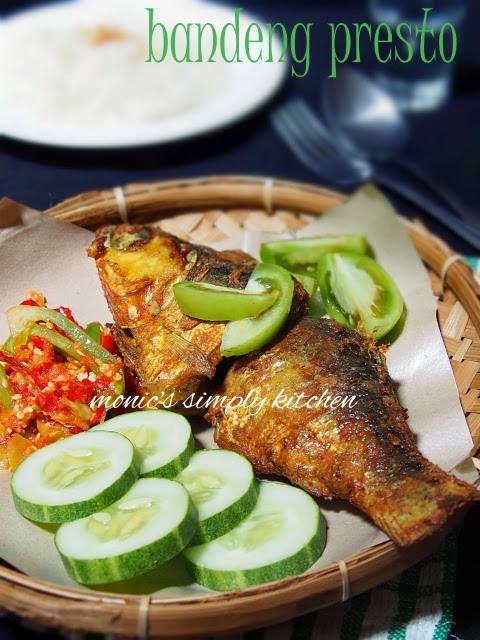
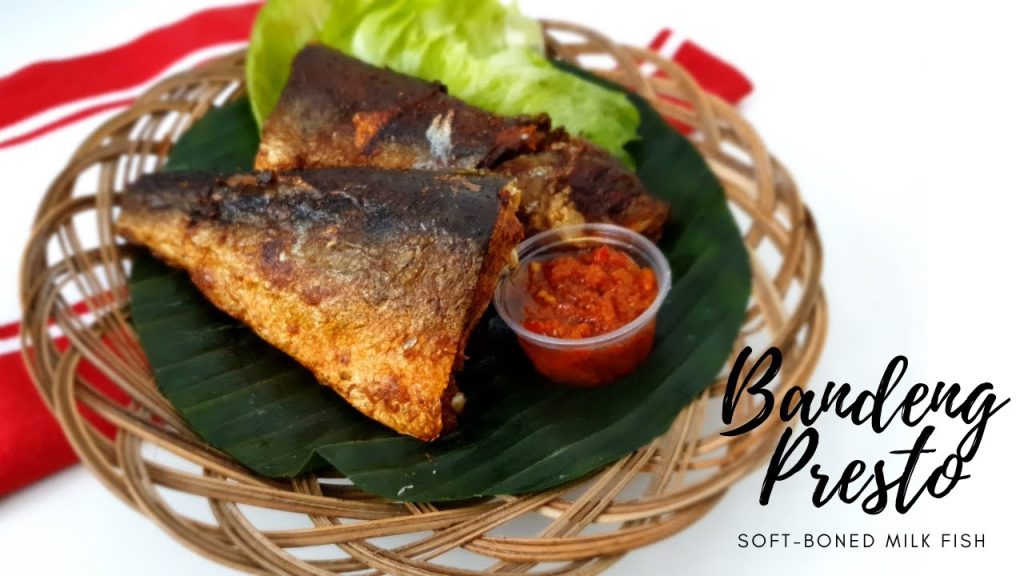
Once cooled, your Bandeng Presto is ready to be enjoyed! It can be served as is, with a side of steamed white rice and your favorite sambal (chili sauce). However, a popular way to serve it is by lightly frying it to achieve a crispy exterior.
To fry, gently coat the cooled Bandeng Presto with a thin layer of beaten egg or a light flour mixture. Heat a generous amount of oil in a pan over medium heat. Fry the fish for a few minutes on each side until golden brown and crispy. Be extra gentle when flipping, as the fish remains delicate.
Selecting the Right Fish: Always choose the freshest milkfish available. Look for clear, bulging eyes, reddish gills, and firm, shiny flesh. Avoid fish with cloudy eyes, dull scales, or a strong, unpleasant odor.
Spice Blend Perfection: Don’t be afraid to adjust the spice blend to your preference. If you like it spicier, add a bird’s eye chili (cabe rawit) to the paste. For a more intense turmeric flavor, add a bit more. The key is to taste and adjust.
Pressure Cooker Safety: Always follow your pressure cooker’s safety guidelines. Ensure the gasket is clean and properly seated, and never overfill the cooker. Regularly check the pressure release valve for any blockages.
Layering Technique: The banana leaves and trivet are not just for tradition; they prevent the fish from sticking to the bottom and ensure even steam circulation. If you don’t have banana leaves, you can use parchment paper or even a few layers of large cabbage leaves.
Water Level: Too much water can make the fish soggy, while too little might cause scorching. The goal is to create steam, not to boil the fish. The 1-2 cup rule is a good starting point for most home pressure cookers.
Patience is Key: Rushing the natural pressure release or handling the fish while it’s still hot are common mistakes that can lead to broken fish. Allow ample time for cooling and setting.
Bones Still Hard: This is usually due to insufficient cooking time or inconsistent pressure. Ensure your pressure cooker maintains stable high pressure for the full duration. For older or larger fish, increase cooking time slightly.
Fish Falling Apart: Overcooking, too much liquid, or improper handling while hot are common culprits. Stick to the recommended cooking times, use minimal water, and always allow for natural pressure release and cooling.
Lack of Flavor: Insufficient marination time or an under-seasoned spice paste can lead to bland fish. Ensure you marinate for at least an hour, and don’t skimp on salt and spices.
Fish Sticking: Forgetting the banana leaves or trivet will almost certainly lead to the fish sticking to the bottom of the pot. Always use a barrier.
While the traditional recipe is fantastic, you can experiment with variations. Add a tablespoon of tamarind paste (asam jawa) to the spice blend for a more pronounced sour note. For a richer flavor, some cooks substitute a portion of the water with thin coconut milk. A touch of belacan (shrimp paste) can also add an umami depth to the spice paste.
Bandeng Presto is incredibly versatile. Serve it with warm steamed rice, a vibrant sambal matah or sambal terasi, and fresh cucumber or tomato slices. It also pairs wonderfully with a simple clear vegetable soup or sautéed greens. For a more elaborate meal, consider serving it alongside other Indonesian favorites like tempeh goreng or tofu bacem.
Leftover Bandeng Presto can be stored in an airtight container in the refrigerator for up to 3-4 days. For longer storage, it freezes well for up to a month. To reheat, gently warm it in a microwave, oven, or pan-fry it again until heated through and crispy. Freezing and reheating can sometimes make the fish a bit drier, so a quick pan-fry is often the best method to restore its texture.
Beyond its delicious taste and unique texture, milkfish offers several nutritional benefits. It’s a good source of lean protein, essential amino acids, and healthy omega-3 fatty acids, which are beneficial for heart and brain health. By softening the bones, Bandeng Presto also makes calcium more accessible, contributing to bone health.
Making Bandeng Presto at home is a rewarding culinary endeavor. It might seem daunting at first due to the pressure cooking aspect and the long cooking time, but with this detailed guide, you’re well-equipped to create an authentic and incredibly satisfying dish. The aroma filling your kitchen and the joy on your family’s faces as they savor this soft-boned delicacy will be well worth the effort.
Embrace the challenge, follow these steps diligently, and soon you’ll be enjoying your very own homemade Bandeng Presto. It’s more than just a meal; it’s a testament to traditional cooking techniques and a celebration of Indonesian flavors. Happy cooking!