
Imagine serving a dish that not only tantalizes the taste buds but also captivates the eye, a culinary creation worthy of a professional kitchen. This is the essence of MasterChef-style cooking, and it’s surprisingly achievable with one of the ocean’s most versatile and beloved ingredients: tuna. Far from simple tuna melts, we’re talking about transforming a humble fish into a show-stopping centerpiece.
The journey to creating MasterChef-style tuna recipes begins with understanding what truly defines this level of culinary artistry. It’s about more than just following instructions; it’s about precision, quality ingredients, innovative flavor combinations, and impeccable presentation. It’s about treating each component with respect, ensuring every bite is a symphony of textures and tastes.
At the heart of any exceptional tuna dish lies the quality of the fish itself. For MasterChef-level results, always seek out the freshest possible tuna. Look for vibrant, deep red flesh, free from discoloration or a strong ‘fishy’ odor. Ahi (Yellowfin) and Bluefin tuna are often preferred for their firm texture and rich flavor, ideal for searing or raw preparations like tartare.
When selecting your tuna, consider its cut. Thick steaks, typically 1 to 1.5 inches, are perfect for searing, allowing for a beautiful crust while maintaining a rare, tender interior. For tartare or crudo, sashimi-grade tuna is non-negotiable, ensuring it’s safe and delightful to consume raw.
One of the most iconic MasterChef techniques for tuna is the perfect sear. This method creates a thin, crisp crust on the exterior while preserving the delicate, almost buttery texture of the raw or rare interior. It’s a balance of intense heat and precise timing, a true test of a cook’s skill.
To achieve that coveted MasterChef seared tuna, preparation is key. First, ensure your tuna steaks are completely dry. Pat them thoroughly with paper towels. Any surface moisture will steam rather than sear, preventing that beautiful crust from forming. This simple step is often overlooked but makes a significant difference.
Next, season generously. A simple yet effective seasoning for MasterChef seared tuna involves flaky sea salt and freshly cracked black pepper. For an extra layer of flavor, consider a light dusting of garlic powder, onion powder, or even a spice blend like Togarashi for an Asian twist. Press the seasoning gently into the fish.
Heat your pan to screaming hot. A heavy-bottomed skillet, such as cast iron or stainless steel, is ideal for retaining and distributing heat evenly. Add a high smoke point oil, like grapeseed, avocado, or refined olive oil, just until it shimmers. The oil should be hot enough to sizzle immediately when the tuna touches it.
Carefully place the seasoned tuna steaks into the hot pan. Sear for approximately 60-90 seconds per side for a rare to medium-rare finish, depending on the thickness of the steak and your desired doneness. The goal is a deep golden-brown crust. Avoid overcrowding the pan, as this can lower the temperature and lead to steaming.
Once seared, immediately remove the tuna from the pan and let it rest for a minute or two on a cutting board. This allows the heat to redistribute and the fibers to relax, resulting in a more tender and juicy steak. Slice against the grain into thick medallions to showcase the stunning pink interior.
Beyond the classic sear, MasterChef-style tuna embraces creativity. Consider an Asian-inspired preparation: coat your tuna steak in black and white sesame seeds before searing. Serve it with a vibrant soy-ginger glaze, a dollop of spicy wasabi aioli, and a sprinkle of fresh scallions. The visual contrast and flavor profile are exceptional.
For a Mediterranean flair, pair seared tuna with a homemade olive tapenade, roasted cherry tomatoes, and a drizzle of high-quality extra virgin olive oil. The briny olives and sweet tomatoes beautifully complement the rich tuna, creating a harmonious and sophisticated dish.
Another MasterChef favorite is tuna tartare. This dish highlights the pristine quality of raw, sashimi-grade tuna. Finely dice the tuna and gently toss it with ingredients like finely minced shallots, capers, chives, a hint of Dijon mustard, and a light lemon or lime vinaigrette. The key is balance and freshness.
To elevate your tuna tartare, consider adding finely diced avocado for creaminess and a touch of heat from a finely minced jalapeño or a dash of sriracha. Serve it molded into a perfect cylinder, perhaps on a bed of crispy wonton chips or alongside delicate cucumber slices for a refreshing crunch.
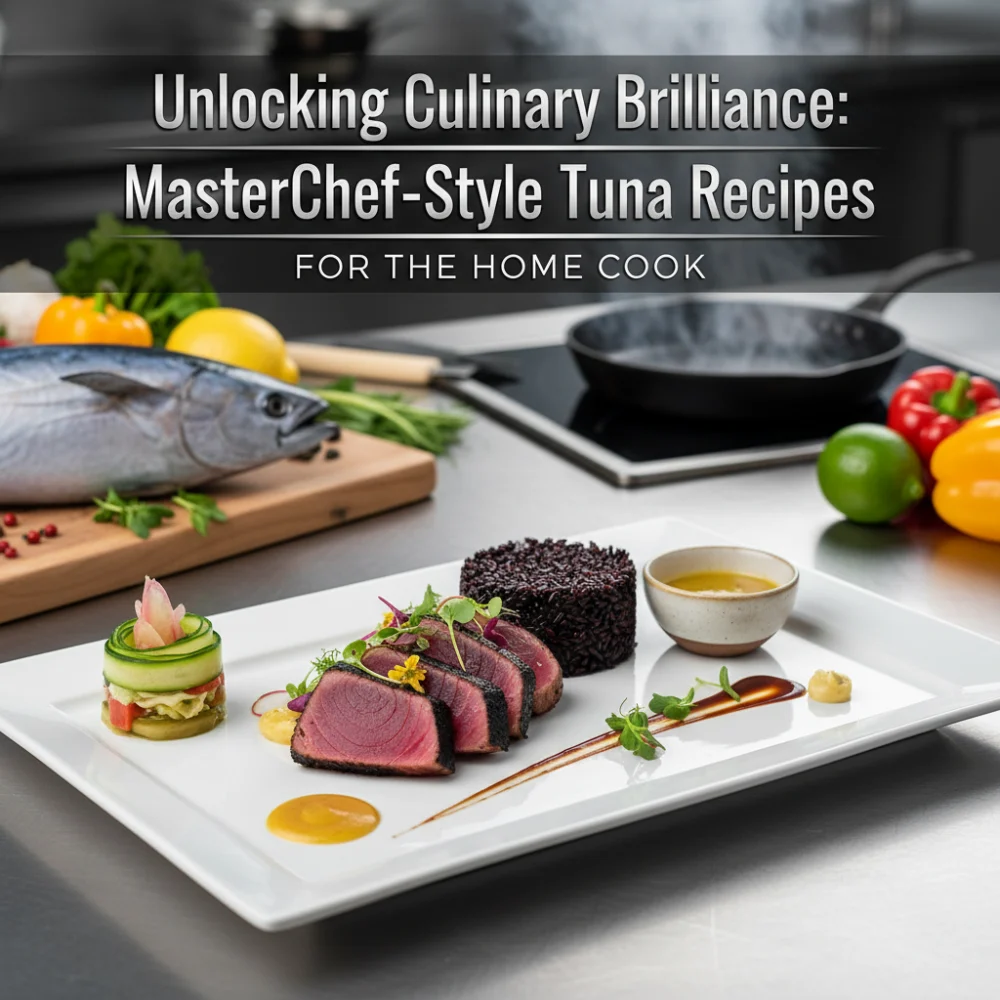
Presentation is paramount in MasterChef kitchens, and it should be in yours too. Think about color, texture, and height. Arrange your seared tuna slices fanned out, showcasing the beautiful rare interior. Drizzle sauces artfully, rather than simply pouring them over. Use fresh herbs as a garnish, not just for flavor but for visual appeal.
Consider the ‘negative space’ on the plate – don’t overcrowd it. A few well-placed elements are more impactful than a cluttered plate. A vibrant vegetable puree, a delicate microgreen salad, or a sprinkle of toasted nuts can add visual interest and textural contrast.
The right sauce can transform a good tuna dish into an extraordinary one. For seared tuna, a bright citrus vinaigrette (lemon-dill, orange-ginger) cuts through the richness. A creamy avocado-lime sauce adds a luxurious touch, while a spicy mango salsa offers a sweet and zesty counterpoint.
Think about textural accompaniments. Crispy fried shallots, toasted sesame seeds, or a sprinkle of flaky sea salt can add an exciting crunch. For sides, consider a light couscous salad, perfectly roasted asparagus, or a delicate cauliflower puree to complement without overpowering the star of the dish.
One of the biggest pitfalls when cooking tuna is overcooking. Tuna is best enjoyed rare to medium-rare. Overcooked tuna becomes dry, tough, and loses its delicate flavor and texture, a culinary crime in the MasterChef world. Always err on the side of undercooking; you can always cook it a little longer if needed.
Another common mistake is not properly drying the tuna before searing. As mentioned, moisture creates steam, preventing the Maillard reaction responsible for that delicious crust. Take the extra minute to pat it dry.
Using cold tuna straight from the refrigerator can also lead to uneven cooking. For best results, let your tuna steaks sit at room temperature for about 15-20 minutes before cooking. This allows for more even heat penetration from edge to center.
Don’t be afraid to experiment with bold flavors. While classic preparations are wonderful, MasterChef encourages pushing boundaries. Pair tuna with unexpected ingredients like passion fruit, smoked paprika, or even a hint of espresso powder in a rub. The key is to ensure balance and harmony.
Freshness is non-negotiable. For any raw or rare tuna preparation, always source sashimi-grade fish from a reputable fishmonger. Ask questions about when the fish was caught and how it was handled. Your health and the dish’s quality depend on it.
Invest in quality kitchen tools. A good heavy-bottomed pan, a sharp knife for precise slicing, and a reliable pair of tongs will make a significant difference in your MasterChef tuna journey. These tools are extensions of your culinary intent.
When preparing tuna for MasterChef-style dishes, consider portion control. A perfectly cooked, smaller portion often feels more luxurious and satisfying than a large, overwhelming one. This also allows for more creative plating opportunities.
The beauty of mastering these tuna techniques at home extends beyond just the delicious meal. It builds confidence in the kitchen, allowing you to replicate restaurant-quality dishes and impress guests with your culinary prowess. It’s a journey of skill development and flavor exploration.
Furthermore, cooking MasterChef-style tuna at home offers a healthier alternative to many restaurant options. You control the quality of ingredients, the amount of oil, and the sodium levels, ensuring a nutritious and wholesome meal for you and your loved ones.
How do I know if my tuna is fresh enough for MasterChef recipes? Look for bright, glossy, firm flesh with no discoloration or dullness. It should have a mild, ocean-like smell, not overtly ‘fishy.’ If you plan to eat it raw, explicitly ask for sashimi-grade.
What’s the best oil for searing tuna? Oils with a high smoke point are ideal. Grapeseed oil, avocado oil, refined olive oil, or even clarified butter (ghee) work wonderfully. They can withstand the high heat needed for a perfect sear without burning.
Can I use frozen tuna for these MasterChef recipes? While fresh is always preferred, high-quality, individually quick-frozen (IQF) tuna can be an excellent alternative, especially for searing. Ensure it’s thawed properly in the refrigerator overnight and patted very dry before cooking. Avoid previously frozen tuna for raw preparations unless explicitly labeled sashimi-grade after thawing.
Elevating your tuna dishes to MasterChef standards is an exciting culinary adventure. It’s a blend of sourcing the finest ingredients, mastering essential techniques, and unleashing your creativity with flavors and presentation. Each perfectly seared slice, each meticulously crafted tartare, is a testament to your passion for food.
By focusing on precision, understanding the nuances of heat and seasoning, and embracing the art of plating, you can consistently create tuna dishes that not only taste incredible but also look like they’ve come straight from a gourmet restaurant. So, don your apron, sharpen your knives, and get ready to transform your kitchen into a MasterChef studio.