
Embarking on a journey to healthier eating often involves seeking out ingredients that are both nutritious and satisfying. For many, salmon stands out as a true superfood, renowned for its rich omega-3 fatty acids, high protein content, and versatility in the kitchen. But how do you harness its power effectively when focusing on a low-calorie diet meal plan?
This comprehensive guide is designed to illuminate the path to incorporating delicious, low-calorie salmon recipes into your daily routine. We’ll explore various cooking methods, creative flavor pairings, and practical tips to ensure your diet remains exciting and far from bland.
Salmon is a nutritional powerhouse, making it an excellent choice for anyone looking to manage their weight or maintain a healthy lifestyle. It’s packed with high-quality protein, which helps you feel full and satisfied, reducing the likelihood of overeating. This satiating effect is crucial for successful diet meal plans.
Beyond protein, salmon is a fantastic source of essential nutrients like vitamin D, B vitamins, and powerful antioxidants. Most notably, it’s celebrated for its omega-3 fatty acids, EPA and DHA, which support heart health, brain function, and can even help reduce inflammation.
When focusing on a low-calorie diet, the way you prepare salmon becomes just as important as the fish itself. The goal is to maximize flavor and nutrient density while minimizing added fats and sugars that can quickly increase calorie counts. This means opting for lean cooking methods and smart seasoning.
Forget heavy cream sauces or excessive butter. Our approach emphasizes fresh ingredients, vibrant herbs, citrus, and spices to enhance salmon’s natural taste without piling on extra calories. This allows the inherent richness of the fish to shine through.
One of the simplest and healthiest ways to prepare salmon is baking or roasting. This method requires minimal added fat and allows the fish to cook evenly, retaining its moisture and delicate texture. It’s perfect for a fuss-free weeknight dinner or for meal prepping.
To bake salmon, preheat your oven to around 400°F (200°C). Place salmon fillets on a parchment-lined baking sheet. Drizzle lightly with olive oil (or skip for even fewer calories), season with salt, pepper, garlic powder, and a generous squeeze of lemon juice. Bake for 12-15 minutes, or until flaky.
Grilling imparts a wonderful smoky flavor to salmon, making it incredibly appealing. It’s another excellent low-calorie cooking option, especially during warmer months. Marinating your salmon before grilling can add tremendous flavor without excess calories.
Try a simple marinade of soy sauce (low-sodium), rice vinegar, ginger, garlic, and a touch of honey or maple syrup for sweetness. Grill salmon fillets skin-side down first for about 5-7 minutes, then flip and cook for another 3-5 minutes, depending on thickness.
Poaching is perhaps the gentlest way to cook salmon, resulting in a very tender and moist fillet. It involves simmering the fish in a flavorful liquid, such as water, vegetable broth, or white wine, infused with herbs and aromatics.
For poached salmon, bring your chosen liquid to a gentle simmer in a wide pan. Add salmon fillets and ensure they are mostly submerged. Poach for 8-12 minutes, or until cooked through. Serve with a sprinkle of fresh dill and a lemon wedge for a truly light and elegant meal.
Pan-searing can create a beautifully crispy skin while keeping the interior moist. The key for low-calorie searing is to use a non-stick pan and minimal oil, or even a cooking spray. A hot pan is crucial for achieving that perfect sear quickly.
Heat a non-stick skillet over medium-high heat. Lightly spray with cooking spray or add a tiny amount of high-smoke-point oil like avocado oil. Sear salmon skin-side down for 4-6 minutes, then flip and cook for another 2-4 minutes, depending on thickness, until golden and cooked through.
Recipe Idea: Zesty Lemon-Herb Baked Salmon
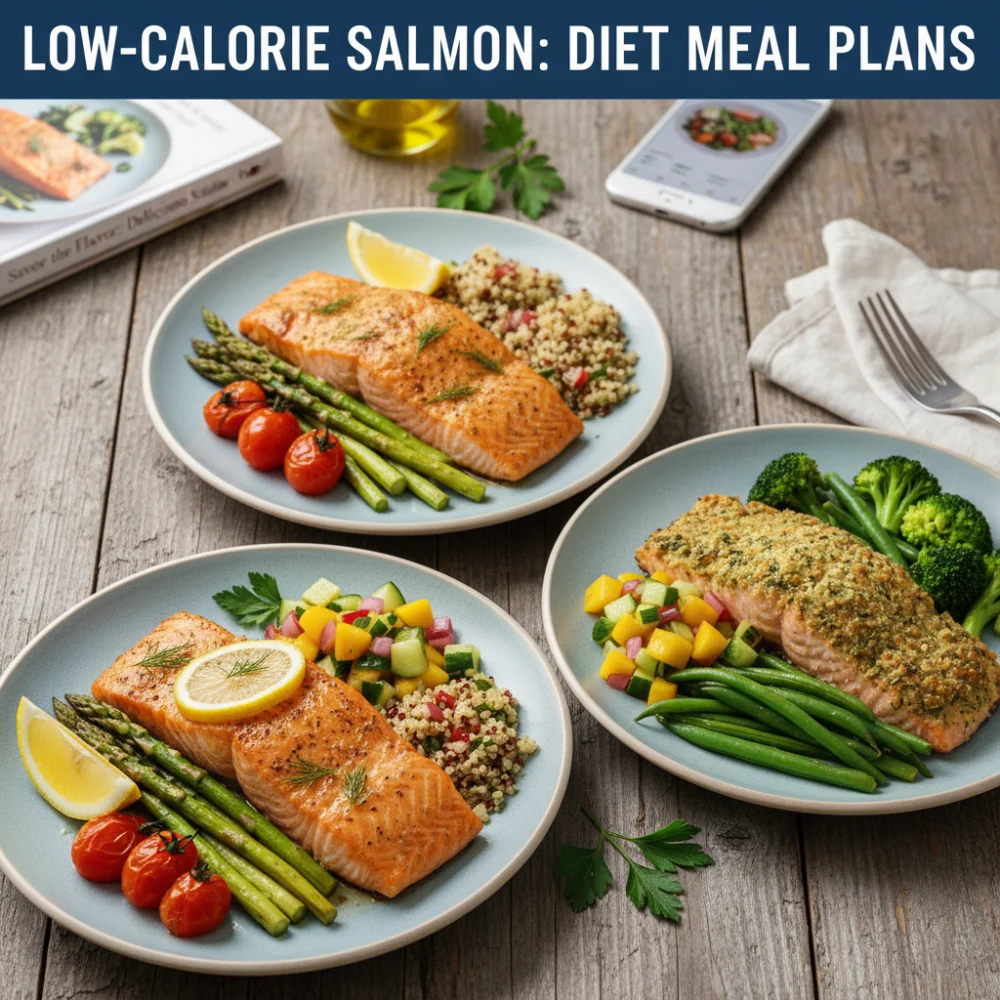
This classic recipe is a staple for diet meal plans. Simply season salmon fillets with dried oregano, thyme, rosemary, garlic powder, salt, and pepper. Top with thin lemon slices and bake. It pairs perfectly with steamed green beans or a fresh garden salad.
Recipe Idea: Mediterranean Grilled Salmon Skewers
Cut salmon into 1-inch cubes and thread onto skewers with cherry tomatoes, bell peppers, and red onion. Marinate in a mixture of lemon juice, olive oil (a small amount), dried oregano, and minced garlic. Grill until salmon is cooked and vegetables are tender-crisp.
Recipe Idea: Quick Poached Salmon with Asparagus
Poach salmon as described above. While it cooks, blanch fresh asparagus spears in boiling water for 2-3 minutes until bright green and tender-crisp. Serve the salmon and asparagus with a light dressing of lemon juice and a pinch of salt.
Recipe Idea: Spicy Pan-Seared Salmon with Broccoli Slaw
Season salmon with chili powder, cumin, and a pinch of cayenne. Pan-sear until crispy. Serve over a vibrant broccoli slaw (shredded broccoli, carrots, red cabbage) dressed with a light vinaigrette for a crunchy, satisfying meal.
- Steamed or Roasted Vegetables: Broccoli, asparagus, spinach, Brussels sprouts, bell peppers, and zucchini are excellent choices. They add fiber, vitamins, and volume without significant calories.
- Quinoa or Brown Rice: In moderation, whole grains provide complex carbohydrates for sustained energy. Stick to smaller portions, like 1/2 cup cooked, to keep calorie counts low.
- Fresh Salads: A large salad with a light vinaigrette (lemon juice, vinegar, herbs, a tiny bit of olive oil) adds freshness and crunch.
To maximize flavor without adding calories, master the art of seasoning. Fresh herbs like dill, parsley, cilantro, and chives are fantastic. Spices such as paprika, cumin, coriander, and chili powder add depth. Citrus fruits—lemon, lime, and orange—brighten flavors significantly.
Avoid heavy cream sauces, butter-laden preparations, and sugary glazes. Instead, opt for homemade salsas (like a fresh tomato and corn salsa) or a simple Greek yogurt-based dill sauce as healthier alternatives.
Making low-calorie salmon part of your diet meal plan is easy with a little foresight. Cook a larger batch of salmon fillets at the beginning of the week. They can be stored in an airtight container in the refrigerator for 3-4 days.
Reheat gently in the microwave or a low oven to prevent drying out. Flaked salmon is also excellent cold over salads, making for a quick and nutritious lunch.
Incorporating salmon into your weekly rotation can be delicious and diverse. Aim for 2-3 servings per week to reap the benefits of its omega-3s. Experiment with different seasonings and cooking methods to prevent palate fatigue.
Don’t be afraid to try different types of salmon, such as sockeye or coho, which offer slightly different textures and flavor profiles, keeping your diet meal plans interesting and enjoyable.
Always choose high-quality salmon, whether fresh or frozen. Look for fillets that are firm, moist, and have a vibrant color. If using frozen, thaw it properly in the refrigerator overnight for the best results.
Overcooking salmon is a common mistake that can lead to dry, unappetizing fish. Salmon is best when cooked to an internal temperature of 145°F (63°C). It will be opaque throughout and flake easily with a fork.
- Drowning in Oil: Even healthy oils add calories. Use sparingly, or opt for cooking sprays and non-stick pans.
- Heavy Sauces: Rich, creamy sauces can negate the low-calorie benefits. Choose lighter, fresh alternatives.
- Overly Large Portions: Even healthy foods need portion control. A typical serving is 3-4 ounces (about the size of a deck of cards).
- Lack of Seasoning: Bland food leads to diet fatigue. Be generous with herbs, spices, and citrus.
Q: Is farmed or wild salmon better for a diet? A: Both farmed and wild salmon are nutritious. Wild salmon generally has a slightly lower fat content, while farmed salmon may have more omega-3s due to feed. Both are excellent choices for a diet.
Q: How often should I include salmon in my diet meal plan? A: Aim for 2-3 servings of fatty fish like salmon per week to get optimal omega-3 benefits. This fits well within most healthy eating guidelines.
Q: Can I use frozen salmon for these recipes? A: Absolutely! Frozen salmon is a convenient and often more affordable option. Ensure it’s fully thawed before cooking for best results.
Q: What are some good low-calorie sauces for salmon? A: Try a lemon-dill Greek yogurt sauce, a fresh tomato salsa, a mango salsa, or simply a squeeze of fresh lemon or lime juice with chopped herbs.
Incorporating low-calorie salmon recipes into your diet meal plans is a smart, delicious, and highly effective strategy for achieving your health and wellness goals. With its exceptional nutritional profile and incredible versatility, salmon proves that healthy eating doesn’t have to be boring or restrictive.
By choosing lean cooking methods, embracing vibrant natural flavors, and practicing smart portion control, you can enjoy this magnificent fish regularly. Get ready to transform your meals into an exciting array of healthful, satisfying dishes that nourish your body and delight your taste buds.