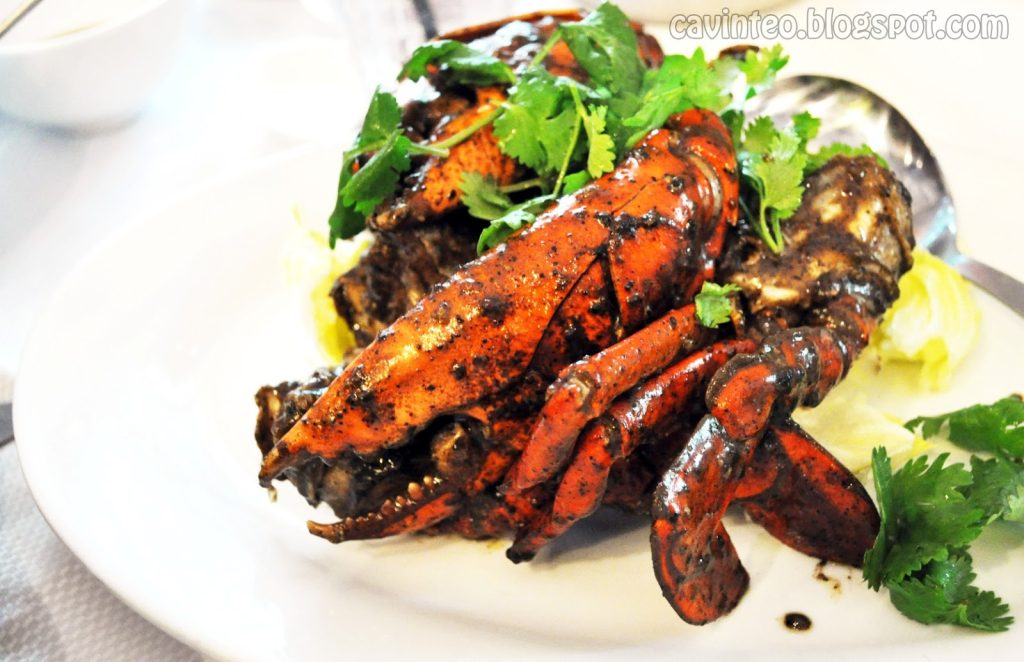

Embarking on the journey of cooking jumbo crab might seem daunting, especially for novice cooks. However, with a clear understanding of the ingredients, techniques, and a touch of culinary courage, you can recreate this restaurant-quality dish in the comfort of your own kitchen. We will delve into selecting the finest jumbo crabs, preparing them efficiently, and mastering the art of the black pepper sauce that makes this dish so iconic.
The foundation of any great crab dish lies in the quality of the crab itself. For ‘Kepiting Jumbo Saus Lada Hitam Pedas Mantap’, the ‘jumbo’ aspect is crucial. These larger crabs offer a more substantial amount of sweet, tender meat, making the overall dining experience more satisfying. When selecting your jumbo crabs, look for those that are lively and heavy for their size. A heavy crab indicates a good amount of meat and less empty space within its shell.
Ideally, opt for live crabs whenever possible. Their freshness is paramount. If live crabs are not available, ensure that the crab meat is firm and has a pleasant, briny aroma, not a strong fishy odor. The shell should be intact, without significant cracks or damage. Consider the type of crab. While many varieties can be used, mud crabs (Scylla serrata) are often preferred for their robust flavor and generous meat yield, making them ideal for ‘jumbo’ preparations.
Preparing jumbo crabs requires a bit of finesse. The first step involves cleaning them thoroughly. Rinse the crabs under cold running water, scrubbing away any debris or mud from their shells. Remove the apron (the flap on the underside of the crab), which is usually thrown away. Then, carefully pry open the carapace (the top shell). You can discard the feathery gills, which are inedible and can impart a bitter taste. Some chefs also recommend removing the ‘dead man’s fingers’ (the spongy gills).
Depending on your preference and the size of the crab, you may choose to cut the crab into sections. This allows the sauce to penetrate the meat more effectively and makes it easier to eat. Use a sharp, heavy knife or cleaver for this task. Be decisive when cutting through the shell to ensure clean breaks. Some cooks prefer to steam or parboil the crab pieces briefly before stir-frying to ensure the meat is cooked through and to make the shell easier to crack open.
The base of the sauce typically involves aromatics. Finely minced garlic and ginger form the fragrant foundation. Shallots or onions can also add a subtle sweetness and depth. The heat comes from fresh chilies. For ‘Pedas Mantap’, you’ll want to include a generous amount. Red chilies, bird’s eye chilies, or a combination thereof can be used, depending on your desired level of spiciness. Remove seeds if you prefer less heat, or leave them in for an extra fiery kick.
The sauce’s savory complexity is built with a combination of seasonings. Soy sauce provides umami and saltiness. Oyster sauce adds a rich, slightly sweet, and savory dimension. A touch of dark soy sauce can contribute to the color and a deeper flavor profile. Sugar is essential to balance the heat and saltiness, creating a harmonious blend of tastes. Some recipes also include a dash of rice wine or Shaoxing wine for added aroma and depth.
A crucial element for achieving the characteristic glossy sheen and thickening the sauce is the use of a slurry. This is typically a mixture of cornstarch (or potato starch) and water. It’s added towards the end of the cooking process, allowing the sauce to thicken to a luscious consistency that coats the crab beautifully.
The cooking process itself is a rapid stir-fry, designed to cook the crab quickly while infusing it with the flavors of the sauce. Heat a wok or a large, heavy-bottomed pan over high heat. Add a generous amount of cooking oil. Once the oil is shimmering, add your aromatics – garlic, ginger, and chilies. Stir-fry them for a minute until fragrant, being careful not to burn them.
Next, add the black pepper. If you’re using whole peppercorns that you’ve just ground, you might want to toast them lightly in the hot oil for a few seconds to release their oils and intensify their flavor before adding the aromatics. Be cautious, as they can burn quickly. The aroma should be potent and invigorating.
Introduce the prepared crab pieces to the wok. Stir-fry them for a few minutes, ensuring they are coated in the peppery aromatic mixture. This initial stir-fry helps to sear the crab and begin the cooking process. If you have parboiled or steamed the crab beforehand, this step is primarily about coating and warming.
Now, it’s time to add the liquid components of the sauce. Pour in the soy sauce, oyster sauce, sugar, and any other liquid seasonings. Bring the mixture to a simmer, allowing the flavors to meld together. Stir well to combine everything.
As the sauce begins to bubble, gradually add the cornstarch slurry, stirring continuously. The sauce will start to thicken almost immediately. Add the slurry bit by bit until you achieve your desired consistency – a thick, glossy sauce that clings to the crab.
The final stage is to ensure the crab is fully cooked and coated. If you started with raw crab, continue to cook until the shells turn bright red and the meat is opaque and cooked through. This usually takes about 5-10 minutes of simmering in the sauce, depending on the size of the crab pieces. Stir frequently to ensure even cooking and coating.
For an authentic ‘Pedas Mantap’ experience, don’t be shy with the black pepper and chilies. The goal is a bold, assertive flavor that stands up to the sweetness of the crab. Taste and adjust seasonings as needed. You might want to add a pinch more sugar for balance, a splash more soy sauce for saltiness, or a few more crushed chilies for extra heat.
Some variations of this dish include adding butter to the sauce for a richer, more decadent finish. A tablespoon or two of unsalted butter stirred in at the very end can elevate the sauce’s texture and flavor profile. Another popular addition is a sprinkle of chopped spring onions or cilantro just before serving, adding a fresh, herbaceous counterpoint.
Serving this magnificent dish is an event in itself. Traditionally, ‘Kepiting Jumbo Saus Lada Hitam Pedas Mantap’ is served family-style, allowing everyone to gather around and share in the feast. Ensure you have plenty of napkins or wet wipes on hand, as this dish is best enjoyed with hands.
Accompanying this spicy crab with simple sides is recommended to allow the crab’s flavor to shine. Steamed white rice is a classic accompaniment, perfect for soaking up the delicious black pepper sauce. A simple cucumber salad or some blanched greens can provide a refreshing contrast to the richness of the crab.
For those who enjoy a milder version, the heat can be adjusted by reducing the number of chilies or removing their seeds. Conversely, for an even more intense ‘Pedas Mantap’, consider adding a pinch of chili flakes or a dash of your favorite hot sauce to the sauce.
The quality of your black pepper is truly paramount. Invest in whole peppercorns and grind them fresh. Different types of black peppercorns offer nuanced flavors – Sarawak black pepper, for instance, is known for its fruity notes, while Tellicherry offers a more robust pungency. Experimenting with different peppercorns can add another layer of complexity to your dish.
When stir-frying, ensure your wok is sufficiently hot. A screaming hot wok is essential for achieving that characteristic ‘wok hei’ – the smoky, slightly charred flavor that is a hallmark of well-executed stir-fries. Don’t overcrowd the wok; cook in batches if necessary to maintain high heat and ensure proper searing.
The preparation of the sauce can be done in advance. You can mix all the sauce ingredients (except the cornstarch slurry and butter) in a bowl and set it aside. This will save you time during the crucial stir-frying stage. Just be sure to have everything measured and ready to go.
For those who are not accustomed to cooking live crabs, consider purchasing pre-cleaned crab pieces from a reputable fishmonger. While live crabs offer the freshest experience, well-prepared crab sections can still yield a delicious result. Ensure they are handled and stored properly.
The sweetness of the crab meat is a key element that balances the spiciness of the sauce. The combination of sweet and spicy is a classic flavor pairing that makes this dish so addictive. The natural sugars in the crab caramelize slightly during cooking, further enhancing this sweet undertone.
The texture of the black pepper sauce is also important. It should be thick enough to coat the crab generously but not so thick that it becomes gloopy. The cornstarch slurry is your best friend here. Add it gradually and stir until you achieve that perfect, luscious consistency.
Beyond the classic black pepper sauce, there are many regional variations and personal adaptations of this dish. Some might add a touch of tomato paste for a slight tang, while others might incorporate a bit of fermented bean paste for an extra layer of umami. However, the spicy black pepper version remains a beloved classic for its bold and straightforward flavor profile.
Learning to cook ‘Kepiting Jumbo Saus Lada Hitam Pedas Mantap’ is more than just following a recipe; it’s about understanding the interplay of flavors, the importance of fresh ingredients, and the technique of high-heat cooking. It’s a dish that rewards effort with an explosion of taste and aroma.
So, gather your ingredients, don your apron, and prepare to embark on a culinary adventure. The journey from selecting your jumbo crab to savoring that first, perfectly coated bite of succulent meat is a rewarding one. This spicy black pepper crab is not just a meal; it’s an experience to be shared and savored.