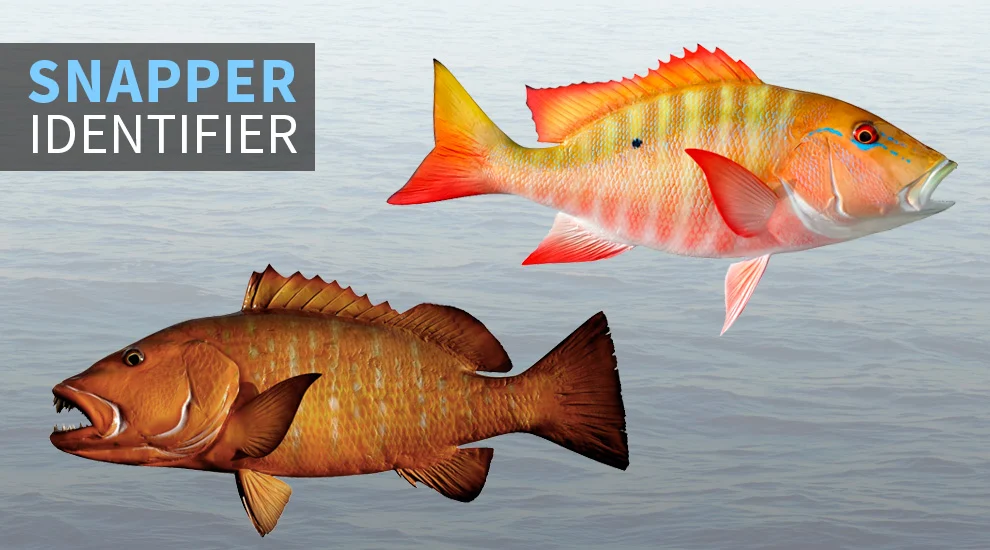

Before we heat up the stove, it is helpful to understand exactly what we are cooking. While there are many species of fish labeled as snapper, the Red Snapper is the most prestigious and sought-after variety. Native to the Atlantic and Gulf of Mexico, it is prized for its lean, pinkish flesh that turns white upon cooking. It has a moist texture and a mild flavor that pairs beautifully with bold spices, fresh herbs, and citrus.
You might also encounter Yellowtail Snapper, Mangrove Snapper, or Vermilion Snapper. While there are subtle differences in size and flavor intensity, the good news is that they are generally interchangeable in recipes. If a recipe calls for Red Snapper and your fishmonger only has Yellowtail, you can proceed with confidence. The techniques we discuss here apply broadly to the entire snapper family.
How to Select the Freshest Snapper
The most critical step in cooking a great fish dish happens long before you enter the kitchen. It happens at the store. Freshness is paramount. When buying a whole snapper, look for eyes that are clear and bulging, not sunken or cloudy. The skin should be metallic and bright, bouncing back when you press it with your finger. If the fish leaves an indentation where you touched it, move along.
Smell is your best tool. Fresh snapper should smell like the ocean—clean, briny, and salty. It should never smell ‘fishy’ or like ammonia. If you are buying fillets, look for meat that is translucent and moist. Avoid fillets that look dry, have gaping separations in the meat, or are sitting in a pool of milky liquid.
Preparation: Whole Fish vs. Fillets
Deciding between whole fish and fillets depends on your comfort level and the presentation you desire. Cooking a fish whole—head, tail, and all—is actually more forgiving than cooking fillets. The bones and skin protect the delicate meat, keeping it moist and adding significant flavor. If you choose a whole fish, ask your fishmonger to scale and gut it for you. This removes the messiest part of the job while leaving you with a pristine product ready for the oven or grill.
Fillets, on the other hand, offer convenience and ease of eating. They cook rapidly, making them perfect for quick sautés or steaming. If you are serving children or guests who might be squeamish about fish heads, fillets are the safer bet. When prepping fillets, run your finger down the center line to check for pin bones. If you find any, use needle-nose pliers or fish tweezers to gently pull them out in the direction of the grain.
Method 1: Pan-Searing for Crispy Skin
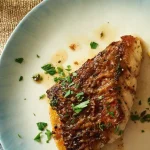
Pan-searing is perhaps the most popular way to cook snapper fillets because it creates a delightful contrast: crispy, golden skin on one side and tender, flaky meat on the other. To achieve this, moisture is your enemy. Take your fillets and pat them thoroughly dry with paper towels. If the skin is wet, it will steam rather than sear, and you will miss out on that coveted crunch.
Score the skin of the snapper using a sharp knife. Make shallow cuts about an inch apart, being careful not to cut deep into the flesh. This prevents the skin from shrinking and curling up when it hits the hot pan, which would cause the fish to cook unevenly. Season both sides generously with kosher salt and freshly cracked black pepper.
Heat a high-quality stainless steel or cast-iron skillet over medium-high heat. Add a high-smoke-point oil, such as avocado or grapeseed oil. Wait until the oil is shimmering and just beginning to smoke. Carefully lay the fillets into the pan, skin-side down. Press down gently with a spatula for the first 30 seconds to ensure the skin makes full contact with the pan.
Method 2: Roasting a Whole Snapper
Roasting a whole snapper is a showstopper centerpiece that is surprisingly easy to execute. Preheat your oven to 400°F (200°C). Rinse your cleaned, gutted fish and pat it dry inside and out. Using a sharp knife, make three diagonal slashes on each side of the fish. This helps the heat penetrate the thickest part of the flesh and allows seasoning to get deeper.
Rub the fish all over with olive oil, salt, and pepper, ensuring you get the seasoning into the slashes and the cavity. Now, it is time to build flavor from the inside out. Stuff the cavity with aromatics: lemon slices, fresh parsley, dill, garlic cloves, and perhaps some sliced fennel. These ingredients will steam inside the fish, infusing the meat with fragrance.
Place the snapper on a baking sheet lined with parchment paper or in a roasting pan. You can lay the fish on a bed of sliced onions or potatoes to prevent sticking and create a built-in side dish. Roast for approximately 20 to 25 minutes. A good rule of thumb is to cook the fish for 10 minutes for every inch of thickness.
To check for doneness, insert a fork into the thickest part of the flesh near the head. If it flakes easily and looks opaque all the way through, it is ready. Alternatively, an instant-read thermometer inserted into the thickest part should read 145°F (63°C). Let the fish rest for 5 minutes before serving to allow the juices to redistribute.
Method 3: The Art of Grilling Snapper
Grilling imparts a smoky char that complements the sweetness of snapper perfectly, but it also strikes fear into the hearts of cooks who worry about the fish sticking to the grates. The solution is twofold: a clean grill and oil. Ensure your grill grates are scrubbed clean and very hot. Oil the fish generously, not the grates. The oil on the fish creates a barrier.
For whole snapper on the grill, use a grilling basket if you have one. It makes flipping effortless. If you are placing the fish directly on the grate, use medium-high heat. Place the fish perpendicular to the grates. Allow it to cook until the skin crisps and char marks appear, usually 5 to 7 minutes per side. If the fish resists when you try to lift it, it is not ready to flip. Wait another minute.
For fillets, the skin is your protector. Grill skin-side down for 80% of the cooking time. The skin will crisp up and act as a pan, protecting the delicate meat from the harsh direct heat. Only flip at the very end to kiss the flesh side with the flame for a minute or so.
Method 4: Steaming for Delicate Flavor
If you prefer a lighter, healthier approach that highlights the pure taste of the fish, steaming is the way to go. This is a classic method in Asian cuisine. Place a heat-proof plate inside a steamer basket or a wok setup. Lay your seasoned snapper fillets or whole fish on the plate, topped with julienned ginger and scallions.
Steam the fish over boiling water for 8 to 12 minutes, depending on size. While it steams, heat a small amount of neutral oil until it is smoking hot. Once the fish is cooked, carefully remove the plate. Pour a mixture of soy sauce and a dash of sesame oil over the fish, then carefully drizzle the smoking hot oil over the scallions and ginger. You will hear a sizzle, and the hot oil will awaken the aromatics, creating an instant, incredible sauce.
Flavor Pairings and Seasoning Ideas
Snapper is a culinary chameleon. Its mild flavor means it can handle aggressive seasoning blends. For a Mediterranean vibe, use oregano, lemon zest, garlic, and olive oil. Serve it alongside roasted cherry tomatoes, olives, and capers. The acidity of the tomatoes cuts through the richness of the fish perfectly.
For a Caribbean twist, rub the fish with jerk seasoning or a blend of allspice, thyme, and scotch bonnet pepper. Serve this with coconut rice and beans and a mango salsa. The sweetness of the mango plays beautifully against the spicy seasoning and the sweet meat of the snapper.
Mexican flavors also work wonders. Marinate snapper fillets in lime juice, chili powder, cumin, and cilantro before grilling. Use the flaked fish to make high-end fish tacos, topped with a crunchy cabbage slaw and a crema drizzle. The firm texture of snapper holds up well in tacos without turning to mush.
Common Mistakes to Avoid
Even experienced cooks can stumble with fish. The most common mistake is overcooking. Snapper is lean; if you cook it too long, it dries out rapidly. Remember that the fish continues to cook from residual heat after you take it off the heat source. Remove it just before you think it is perfectly done.
Another mistake is overcrowding the pan. If you are searing fillets, give them space. If they are touching, the temperature of the pan drops, and moisture gets trapped between them. Instead of searing, they will steam in their own juices, resulting in soggy skin and gray meat. Cook in batches if necessary.
Finally, do not be afraid of salt. White fish needs adequate salt to bring out its flavor. If your fish tastes bland, it is likely under-seasoned. Season from high above the fish to ensure an even distribution of salt crystals rather than clumps in one spot.
Serving and Storing
Snapper is best served immediately. However, if you have leftovers, they can be stored in an airtight container in the refrigerator for up to 2 days. Reheating fish can be tricky as it dries out easily. The best way to use leftover snapper is cold in a salad, or gently warmed in a low-temperature oven covered with foil to trap moisture.
You can also repurpose leftover snapper into fish cakes. Flake the cold meat, mix it with mashed potatoes, herbs, and breadcrumbs, and pan-fry them for a completely new meal. This prevents the ‘warmed-over’ taste that often plagues reheated seafood.
Conclusion
Cooking snapper does not require a culinary degree or professional equipment. It simply requires fresh ingredients, a bit of patience, and an understanding of heat management. Whether you choose the rustic elegance of a whole roasted fish or the quick precision of a pan-seared fillet, the result is a healthy, delicious meal that feels luxurious.
Start by visiting your local fish market and asking for their freshest catch. Don’t be afraid to ask questions about where it came from or how to prepare it. Once you get that snapper home, trust your instincts. Listen to the sizzle in the pan, watch for the opacity in the flesh, and smell the developing aromas. With these guides in hand, you are well on your way to making snapper a regular, beloved part of your culinary repertoire.