
Salmon is a culinary delight, celebrated worldwide for its rich flavor, versatile texture, and impressive nutritional benefits. Whether you’re a seasoned chef or a kitchen novice, learning how to cook salmon perfectly can elevate your home dining experience to restaurant-quality levels.
This complete guide will walk you through everything you need to know, from selecting the freshest fillets to mastering various cooking techniques. Prepare to transform your salmon dishes into unforgettable culinary creations that are both healthy and incredibly delicious.
Beyond its exquisite taste, salmon is a powerhouse of nutrition. It’s an excellent source of omega-3 fatty acids, which are vital for heart health, brain function, and reducing inflammation. It also provides high-quality protein, essential vitamins (like D and B12), and minerals (such as selenium and potassium).
Incorporating salmon into your diet regularly can contribute to a healthier lifestyle, supporting everything from cardiovascular wellness to cognitive sharpness. Plus, its quick cooking time makes it an ideal choice for busy weeknights.
Choosing the Perfect Salmon Fillet
The journey to perfectly cooked salmon begins at the fish counter. Look for fillets that are firm, moist, and have a vibrant color, ranging from deep orange-red to pale pink, depending on the variety. Avoid any fish that appears dull, dry, or has a strong, fishy odor.
Consider whether you prefer wild-caught or farmed salmon. Wild salmon, like Sockeye or King, often has a leaner, more robust flavor. Farmed salmon, such as Atlantic salmon, tends to be fattier with a milder taste and consistent availability.
For best results, purchase skin-on fillets. The skin acts as a natural barrier, protecting the delicate flesh from overcooking and adding a crispy texture when properly prepared. If you prefer skinless, you can always remove it after cooking.
Prepping Your Salmon for Cooking
Before cooking, it’s crucial to properly prepare your salmon. Start by patting the fillets thoroughly dry with paper towels. This step is often overlooked but is absolutely critical, especially for methods like pan-searing or grilling, as moisture can prevent a good sear and crispy skin.
Next, check for any pin bones. Run your fingers along the length of the fillet; if you feel any small, sharp bones, use a pair of clean pliers or tweezers to carefully pull them out. Most fish counters will have already done this, but a quick check ensures a pleasant eating experience.
Finally, season your salmon generously. A simple sprinkle of salt and freshly ground black pepper is often enough to highlight salmon’s natural flavor. For more depth, consider adding garlic powder, onion powder, paprika, or your favorite herb blend.
Mastering Popular Salmon Cooking Methods
There are numerous ways to cook salmon, each offering a unique texture and flavor profile. Let’s explore some of the most popular and effective methods.
- Pan-Searing Salmon for Crispy Skin
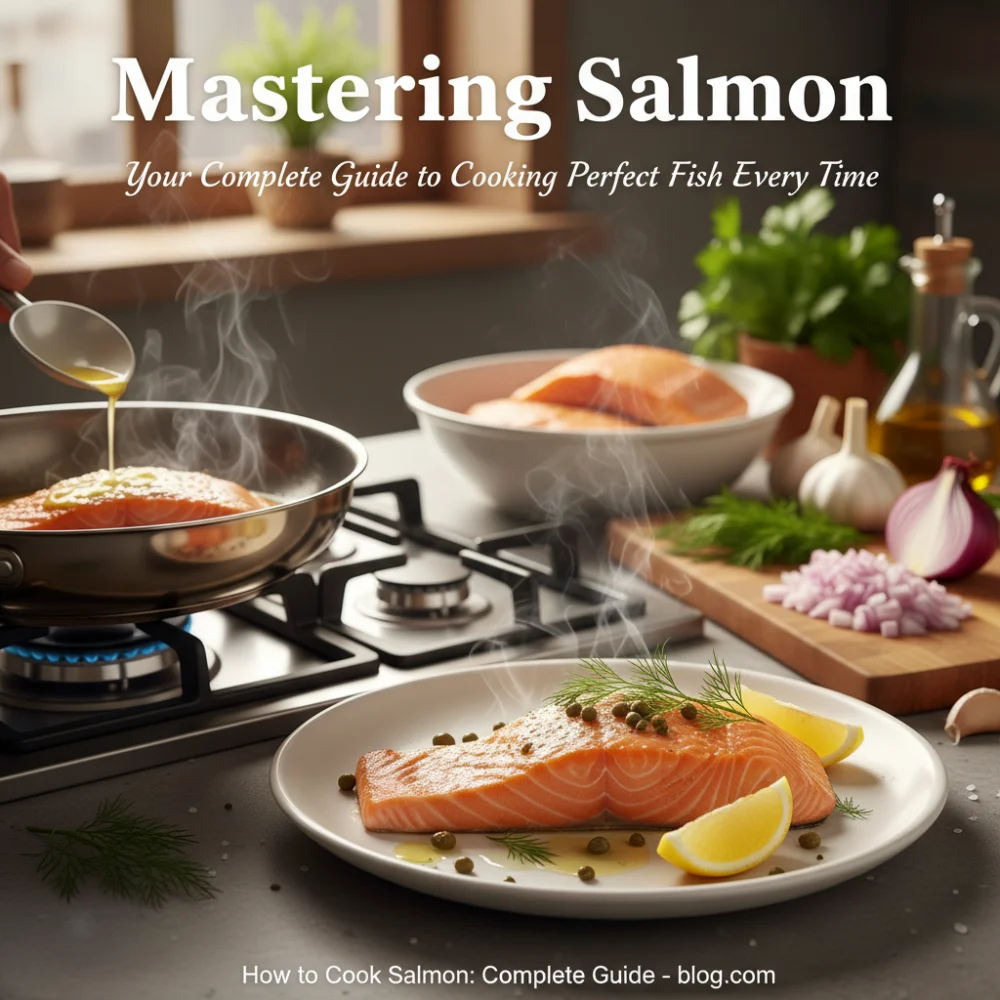
Pan-searing is arguably one of the best ways to achieve a beautifully crispy skin and tender, flaky flesh. It’s quick, easy, and yields impressive results.
- Heat a heavy-bottomed, oven-safe skillet (cast iron or stainless steel works best) over medium-high heat. Add a tablespoon of high smoke point oil (like avocado or grapeseed oil).
- Once the oil shimmers, place the salmon fillets skin-side down in the hot pan. Press down gently with a spatula for 10-15 seconds to ensure full contact with the pan, preventing the skin from curling.
- Cook undisturbed for 4-6 minutes, or until the skin is golden brown and crispy, and the flesh has cooked about two-thirds of the way up the side of the fillet.
- Flip the salmon and cook for another 2-4 minutes, or until it reaches your desired doneness. If your fillets are thick, you can finish them in a preheated oven (375°F/190°C) for a few minutes.
- Baking Salmon for Effortless Elegance
Baking salmon is a fantastic option for a hands-off approach, perfect for cooking multiple fillets at once or for infusing flavors with marinades and herbs. It results in moist, tender salmon every time.
- Preheat your oven to 400°F (200°C). Line a baking sheet with parchment paper or foil for easy cleanup.
- Place the seasoned salmon fillets on the prepared baking sheet, skin-side down (if applicable).
- Bake for 12-18 minutes, depending on the thickness of your fillets. A good rule of thumb is 10 minutes per inch of thickness. The salmon should flake easily with a fork when done.
- For added flavor, try baking with lemon slices, fresh dill, or a drizzle of olive oil and garlic.
- Grilling Salmon for Smoky Flavor
Grilling imparts a wonderful smoky flavor and beautiful char marks. It’s excellent for warmer weather and outdoor cooking. Ensure your grill grates are clean and well-oiled to prevent sticking.
- Poaching Salmon for Delicate Tenderness
Poaching involves gently simmering salmon in a flavorful liquid (like water, broth, or wine) until it’s cooked through. This method yields incredibly moist and delicate salmon, perfect for salads or cold dishes.
- Air Frying Salmon for Quick Crispy Results
The air fryer is a game-changer for salmon, delivering crispy skin and tender flesh in under 15 minutes with minimal oil. It’s a fantastic modern method for a quick, healthy meal.
How to Tell When Salmon is Perfectly Cooked
Overcooking is the most common mistake when preparing salmon. The key is to remove it from the heat just as it reaches optimal doneness. Ideally, salmon is cooked when its internal temperature reaches 145°F (63°C).
Visually, the flesh should change from translucent to opaque, and it should flake easily with a fork in the thickest part. If you see a little bit of translucency in the very center, that’s often perfect, as it will continue to cook slightly from residual heat.
Common Mistakes to Avoid
- Overcooking: This leads to dry, tough, and less flavorful salmon. Always err on the side of slightly undercooked, as it will continue to cook after being removed from the heat.
- Not Drying the Fillets: Wet salmon will steam rather than sear, preventing that coveted crispy skin.
- Crowding the Pan: When pan-searing, cook in batches if necessary. Overcrowding lowers the pan’s temperature and prevents proper searing.
- Not Resting the Fish: Like meat, salmon benefits from a brief rest (2-5 minutes) after cooking. This allows the juices to redistribute, resulting in a more tender and moist fillet.
Expert Tips for Perfect Salmon Every Time
- Bring to Room Temperature: Let your salmon sit out for 10-15 minutes before cooking. This ensures more even cooking.
- Use a Meat Thermometer: For absolute precision, a digital thermometer is your best friend to check for 145°F (63°C).
- Flavor Boosters: Don’t be afraid to experiment with marinades, rubs, or simple additions like lemon, garlic, and fresh herbs (dill, parsley, chives) to enhance the flavor.
- Crispy Skin Secret: For ultra-crispy skin, ensure the pan is hot enough, the skin is dry, and you’re cooking skin-side down for most of the cooking time.
- Serving Suggestions: Salmon pairs beautifully with roasted vegetables, asparagus, rice pilaf, quinoa, or a fresh green salad. A squeeze of lemon juice is almost always a welcome addition.
Frequently Asked Questions About Cooking Salmon
Many home cooks wonder about specific aspects of salmon preparation. Let’s address a few common queries.
Do I need to remove the skin before cooking? No, the skin helps protect the flesh and can become deliciously crispy. You can always remove it after cooking if preferred.
What’s the best way to store leftover cooked salmon? Store cooked salmon in an airtight container in the refrigerator for up to 3-4 days. It’s excellent flaked into salads or sandwiches.
Can I cook salmon from frozen? While fresh is always best, you can cook salmon from frozen. Thawing overnight in the refrigerator is ideal. If cooking from frozen, add extra cooking time and consider methods like baking or poaching.
Congratulations! You now have a comprehensive understanding of how to cook salmon to perfection. From selecting the finest fillets to mastering various cooking techniques and avoiding common pitfalls, you’re equipped with the knowledge to create truly exceptional salmon dishes.
Embrace the versatility of this incredible fish and confidently experiment with different flavors and preparations. With these tips and techniques, you’re well on your way to enjoying delicious, healthy, and perfectly cooked salmon as a regular highlight in your culinary repertoire.